Whether a Corgi From Champion Lines Costs More
Navigating the world of Corgi breeders can feel like trying to solve a puzzle, especially when you start seeing wildly different prices for puppies, with those boasting "champion lines" often at the top end. It’s enough to make any prospective owner wonder if they’re being upsold or if there’s genuine value behind the higher price tag. This comprehensive guide aims to demystify what champion lines truly signify and help you understand the factors that contribute to a Corgi's cost, so you can make an informed decision for your future furry family member.
The Value Proposition of a Champion Line Corgi
When a breeder talks about "champion lines," they're referring to a puppy whose parents, grandparents, or even further back in its lineage, have achieved championship titles in conformation shows. These titles, awarded by organizations like the American Kennel Club (AKC), signify that those dogs meet the breed standard exceptionally well. But what does that really mean for a pet owner who might never step foot in a show ring?
The "Show Dog" Standard and Health Guarantees
A champion-titled Corgi isn't just a pretty face; it's a dog that has been judged by experts to exemplify the very best physical traits, structure, and temperament of the breed. This isn't about vanity; it's about form following function. For Corgis, this means having the correct short legs, a well-defined topline, appropriate chest depth, and a confident, stable temperament suitable for their herding heritage. When a Corgi comes from a lineage of champions, it suggests a higher likelihood that the puppy will inherit these desirable physical characteristics. This can translate to fewer structural issues down the line, such as problems with Corgi Hips and Front-End Structure. Breeders who consistently produce champions are also typically those who are most diligent about health testing. They invest heavily in screening their breeding stock for genetic conditions common to the breed, such as degenerative myelopathy (DM) and Von Willebrand Disease (vWD), as well as conducting eye certifications and hip evaluations. This rigorous approach helps reduce the risk of you ending up with a puppy predisposed to serious, costly health issues, offering a stronger health guarantee.
The Predictability of Temperament and Conformation
One of the less obvious but hugely significant benefits of a champion line Corgi is the predictability it offers. With generations of carefully selected breeding, these lines tend to produce puppies with very consistent temperaments and physical traits. If you’ve fallen in love with the classic Corgi "look" and their intelligent, often mischievous personality, a champion line increases the chances your puppy will embody those qualities. This isn't to say every champion-sired puppy will be a carbon copy, but the genetic blueprint is much stronger. This predictability also extends to their conformation. You're more likely to get a Corgi that aligns closely with the breed standard, which for many means a robust, healthy structure less prone to certain orthopedic issues that can plague poorly bred Corgis. Knowing what to expect in terms of size, build, and demeanor can make the transition to pet ownership smoother and more fulfilling, as you’re less likely to encounter surprises that might require extensive training or medical intervention.
Understanding the Investment Behind Champion Lines
The higher price tag for a Corgi from champion lines isn't just about bragging rights; it reflects the substantial investment a reputable breeder makes into their program. It's a testament to the time, effort, and financial resources poured into ensuring the health, temperament, and quality of their dogs. When you’re looking into Corgi Puppy Prices From a Tested Breeder, you'll quickly see that good breeding practices come at a cost.
Extensive Health Testing and Screening
Reputable breeders whose dogs achieve champion titles are deeply committed to genetic health. They routinely perform a battery of health tests on their breeding animals, far beyond what many casual breeders might do. This includes DNA tests for conditions like The DNA Tests a Corgi Breeder Should Run such as Degenerative Myelopathy (DM), Von Willebrand Disease (vWD), and Progressive Retinal Atrophy (PRA). They also conduct orthopedic evaluations, like hip and elbow scoring, through organizations like the Orthopedic Foundation for Animals (OFA) or PennHIP. These tests are not cheap, often costing hundreds or even thousands of dollars per dog, and need to be repeated or kept current. For example, The Cost of a Corgi DM Test might be around $65-$100 per dog, but when you combine it with OFA clearances for hips, elbows, patellas, and eye exams through a board-certified veterinary ophthalmologist, the costs add up quickly. This rigorous screening ensures that the genetic diseases common to Corgis are minimized in their litters, saving prospective owners immense heartache and financial burden down the line. It's truly a preventative measure that benefits everyone involved.
Upbringing, Socialization, and Early Training
Beyond genetic health, champion line breeders dedicate significant time and resources to the early development of their puppies. This often includes carefully planned socialization programs from birth, exposing puppies to a variety of sounds, textures, people, and environments. They might implement puppy culture protocols, which involve specific exercises designed to foster neurological development and resilience. This crucial early input sets the foundation for a well-adjusted, confident adult dog. These puppies are typically raised in a clean, stimulating home environment, not in kennels, ensuring they receive individual attention and care. Many reputable breeders also start basic training, such as crate conditioning and potty training fundamentals, before the puppies even leave for their new homes. This early intervention makes the transition smoother for both the puppy and the new family, as the pup already has a head start on understanding household routines and expectations. This level of personalized care, time, and attention during those formative weeks is invaluable and is naturally factored into the higher purchase price.
Breeder Experience and Ongoing Support
The journey to producing champion line Corgis is a long one, built on years of experience, meticulous record-keeping, and a deep understanding of the breed standard, genetics, and canine health. Breeders with champion lines often dedicate their lives to improving the breed, attending shows, participating in breed clubs, and continually educating themselves. When you acquire a puppy from such a breeder, you're not just buying a dog; you're gaining a lifetime resource. These breeders typically offer unparalleled post-purchase support, willing to answer questions, provide guidance on everything from feeding to training, and even take the dog back if circumstances change. They stand by their puppies and are invested in their well-being throughout their lives. This level of expertise and commitment is a significant part of the overall value. For a first-time Corgi owner, having a knowledgeable mentor can be truly indispensable, helping to navigate the unique aspects of Corgi ownership, like understanding their independent streak or managing their shedding.
Beyond the Purchase Price: The True Cost of a Corgi
While the initial purchase price of a champion line Corgi might be higher, it's crucial to remember that it's only one piece of the financial puzzle. The ongoing costs of owning a Corgi, regardless of its lineage, can add up significantly over their lifetime. Understanding these expenses helps put the initial investment into perspective.
| Cost Category | Average Annual Estimate (USD) | Notes |
|---|---|---|
| Food | $300 – $700 | Depends on quality (e.g., premium kibble, fresh food like Ollie), Corgi's weight (e.g., Feeding a Twenty-Eight Pound Corgi), and activity level. |
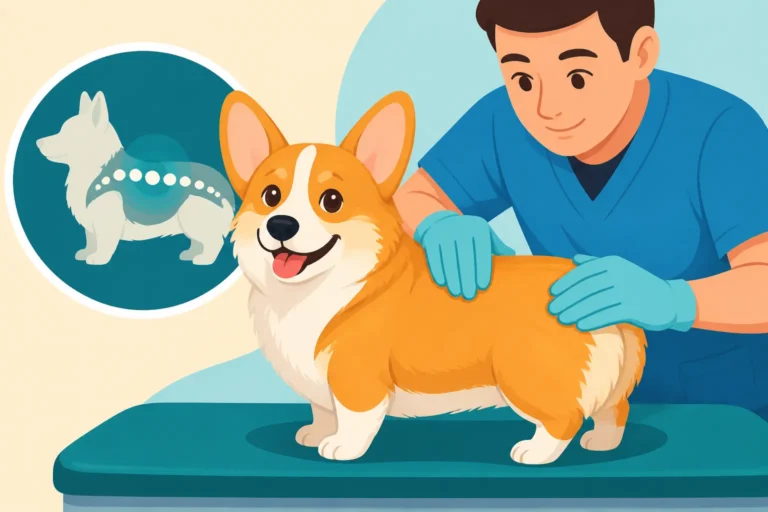
| Vet Visits (Routine) | $200 – $500 | Annual check-ups, vaccinations, parasite prevention. This includes The Annual Exam Where a Corgi's Back Gets Checked to monitor for early signs of spinal issues. |
| Grooming | $100 – $400 | Brushes, shampoo, nail trims. Professional deshedding treatments can add to this. |
| Toys & Chews | $50 – $200 | Essential for mental stimulation and dental health. |
| Training | $0 – $600+ | Depends on owner's commitment to DIY training or professional classes. Higher costs for behavioral issues. |
| Pet Insurance | $300 – $700 | Highly recommended for Corgis due to predisposition to back issues and other breed-specific conditions. Premiums vary by age, location, and coverage (e.g., Healthy Paws). |
| Miscellaneous (Gear) | $50 – $200 | Leashes, collars, beds, ramps (to protect their back), cleaning supplies. |
| TOTAL (Excluding Emergencies) | $1,000 – $3,300+ | This does not account for unexpected medical emergencies or extensive training for behavioral problems. |
Ongoing Care and Preventative Health
Once you bring your Corgi home, whether from champion lines or not, the commitment to their ongoing health care begins. Regular veterinary check-ups are paramount, including annual exams, vaccinations, and parasite prevention. These routine visits are where your vet can keep an eye on your Corgi's overall health, track their weight (which is vital for their long back), and perform early screenings for potential issues. The costs for these preventative measures can be several hundred dollars annually. Additionally, Corgis require regular grooming due to their double coat, which involves brushing several times a week, occasional baths, and nail trims. While some owners handle this themselves, professional grooming, especially during heavy shedding seasons, can add to the expense. Investing in good quality equipment, like a sturdy brush and deshedding tools, is also part of this ongoing care.
Nutrition and High-Quality Diet
A Corgi's diet plays a crucial role in their health and longevity. Feeding a high-quality, balanced diet is essential for maintaining a healthy weight and providing the nutrients needed for strong bones, joints, and a healthy coat. With their propensity for gaining weight easily, precise portion control is a must. Many owners opt for premium kibbles, or even fresh food delivery services like Ollie, to ensure their Corgi gets optimal nutrition. These higher-quality foods often come with a higher price tag than generic brands. It’s also wise to factor in the cost of healthy treats for training, as well as any supplements your vet might recommend as your Corgi ages, such as joint support formulas. Remember, a healthy diet isn't just about avoiding issues; it's about promoting vitality. For more on the general yearly costs, you might find information on What a Corgi Costs a Year Before Any Back Trouble helpful.
Unexpected Vet Bills and Insurance
Despite the best breeding practices and preventative care, unexpected health issues can arise. Corgis, with their long backs, are particularly susceptible to intervertebral disc disease (IVDD), which can lead to sudden, severe back pain and even paralysis. Treating a slipped disc can involve expensive diagnostics like MRIs, emergency neurology fees, and potentially surgery, with costs easily running into the thousands of dollars. This is where pet insurance becomes a true lifesaver. Companies like Healthy Paws offer comprehensive plans that can cover a significant portion of these emergency veterinary costs. It's often recommended to get insurance early, ideally when your Corgi is a puppy, to avoid pre-existing condition exclusions later on. While the monthly premiums add to your ongoing expenses, having that safety net can prevent you from facing an impossible choice should a serious illness or injury occur. Thinking about Insuring a Corgi Before Its First Back Episode is a wise move for any Corgi owner.
How to Find a Reputable Breeder Without Breaking the Bank
Understanding that champion lines usually mean a higher price point is one thing, but how do you find a reputable breeder who prioritizes health and temperament, even if a "champion" title isn't your absolute top priority? It's about finding a balance between quality and what you can realistically afford.
Prioritizing Health and Temperament Over Titles
Not every Corgi from a reputable breeder needs to have a dozen champion titles in its immediate pedigree. What's most important is that the breeder prioritizes health testing, sound temperament, and responsible breeding practices. When researching, ask about specific health clearances for the parents: DM, vWD, PRA, hip and elbow evaluations. A good breeder will be transparent with these results and happy to explain them. They should also be able to articulate their breeding goals, which should always revolve around producing healthy, well-socialized puppies that conform to the breed standard, even if they aren't destined for the show ring. Look for breeders who are involved in their local or national breed club, as this often indicates a commitment to the breed's welfare and a network of knowledge. They may be able to guide you on What a Corgi Breeder Should Be Testing For in detail. Remember, while a champion title is a strong indicator of quality, it's the underlying health and ethical practices that truly matter for a beloved pet.
Understanding the Breeder's Contract and Guarantees
A reputable breeder will always provide a written contract. This document should outline the health guarantees for the puppy, what happens if a genetic condition emerges, and often includes stipulations about spaying or neutering if the puppy is sold as a pet. It might also detail the return policy should you be unable to keep the Corgi. Reading this contract carefully is vital, as it protects both you and the breeder. Good contracts often demonstrate a breeder's confidence in their puppies' health and provide peace of mind. They might also include a clause about what happens if a genetic test result comes back unexpectedly, like a positive for Reading a Corgi SOD1 Test Result for DM. This transparency is a hallmark of ethical breeding. Don't be afraid to ask questions about anything you don't understand in the contract.
Utilizing Resources and Breeder Networks
Connecting with Corgi breed clubs, both national and local, is an excellent way to find reputable breeders. These clubs often maintain breeder directories or can provide referrals to members who adhere to ethical breeding guidelines. Attending local dog shows, even if you’re not showing, can also be a great opportunity to meet breeders in person, observe their dogs, and ask questions. Online resources like the AKC Marketplace can list breeders, but always do your due diligence beyond the listing. Ask for references from other puppy buyers and, if possible, visit the breeder's facility to see where the puppies are raised and meet the parent dogs. Sites like Chewy and other pet supply retailers often have community forums where experienced Corgi owners share their insights and recommendations, which can be a valuable, informal resource. Ultimately, finding a Corgi, regardless of its pedigree, should be a thoughtful, thorough process, ensuring you welcome a healthy and happy companion into your home.
Disclaimer
This article is intended for informational purposes only and does not constitute veterinary advice. Always consult with a qualified veterinarian for any health concerns or before making any decisions about your Corgi's care.