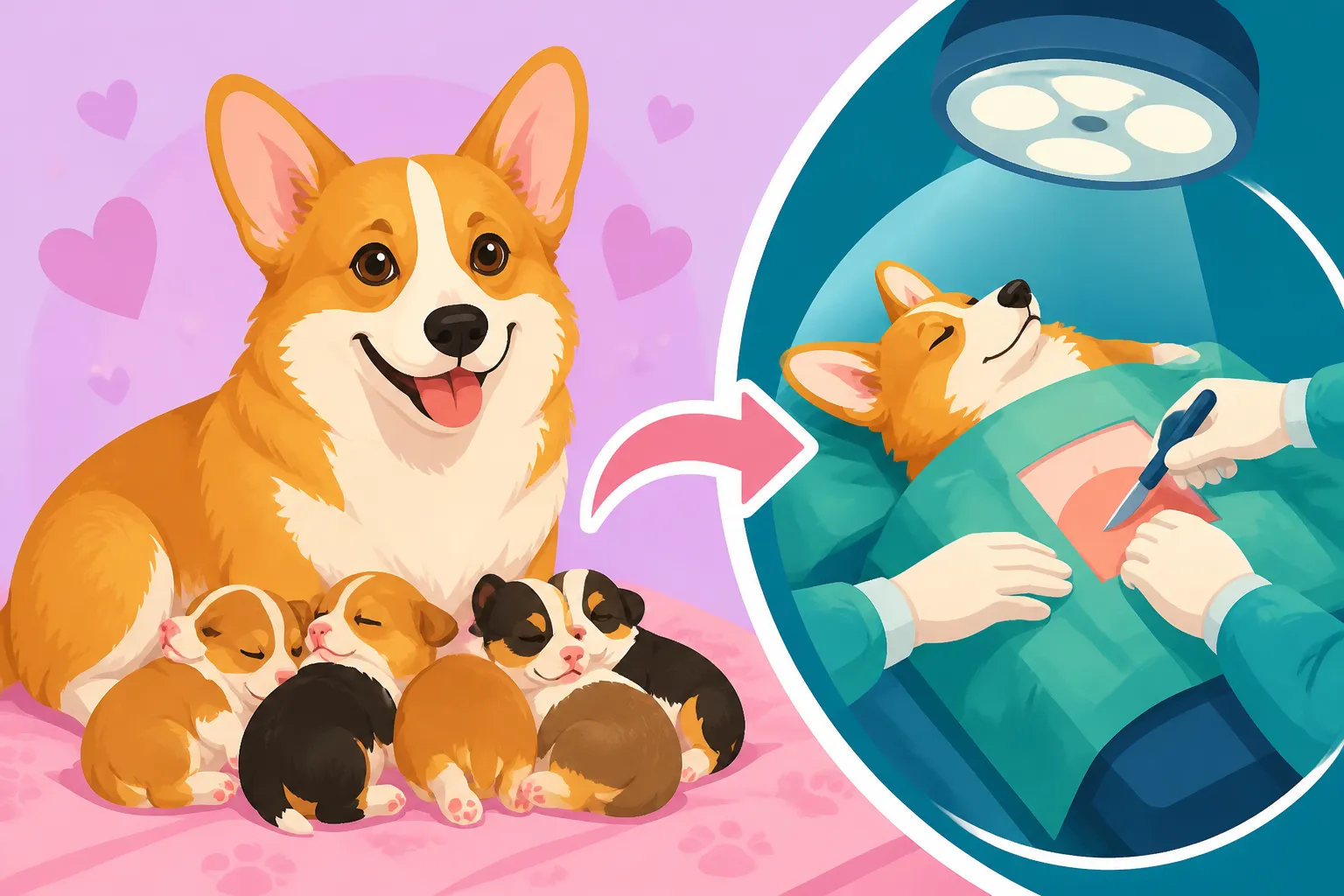
Cesarean Rates in Corgi Litters
The thought of your beloved Corgi mama struggling to bring her puppies into the world is incredibly stressful, and for Corgi owners, the possibility of a Cesarean section is often a very real and concerning prospect. It’s not just a minor inconvenience; it can be an emergency situation that tests your nerves and your wallet, leaving you wondering if you've done everything right. This guide aims to demystify C-section rates in Corgi litters, explaining why they're so common, how to spot the signs of trouble, and what you can do to prepare.
Why Corgis Are Prone to Cesarean Sections
It’s no secret that Corgis are adorable, but their unique physical structure, which makes them so charming, also plays a significant role in why they often face challenges during natural whelping. Many owners, especially those new to breeding, are often surprised by just how frequently these surgeries are needed, feeling a mix of anxiety and helplessness when it happens to their girl. It's a common frustration, feeling like nature should just take its course, but with Corgis, we often need to lend nature a helping hand.
Anatomical Considerations
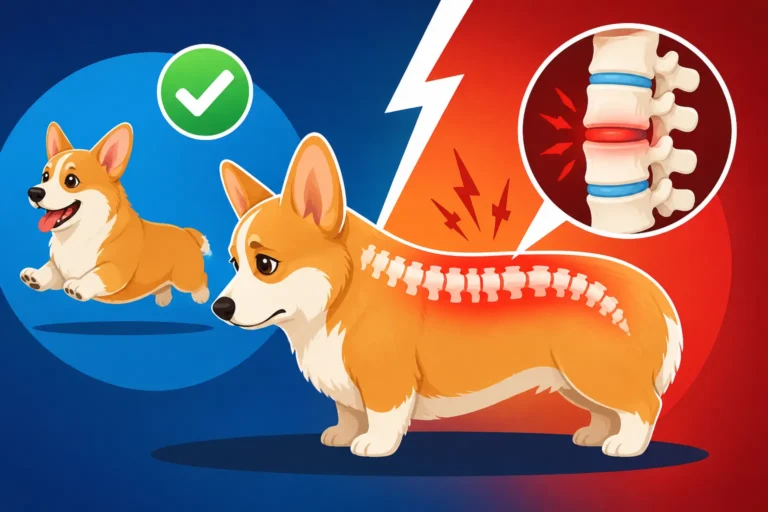
Corgis, whether you're talking about the Pembroke Welsh Corgi or the Cardigan Welsh Corgi, share a distinctive body shape: long backs and short legs. While this body type is part of their breed standard and what makes them instantly recognizable, it also comes with some anatomical quirks that can complicate childbirth. Their pelvic canal, for instance, can sometimes be narrower than in other breeds, creating a tighter squeeze for puppies trying to pass through.
Then there's the size of those adorable Corgi heads! Corgi puppies often have relatively large heads in proportion to their mother's birth canal. This is a common issue in many brachycephalic (short-nosed) breeds and breeds with larger heads, and while Corgis aren't brachycephalic, their heads can still present a significant obstacle. Imagine trying to push a larger object through a smaller opening – it's a recipe for a difficult, stalled labor, and it’s why many experienced breeders know that a C-section is a very real possibility long before the puppies are due. This particular challenge contributes significantly to the higher rate of veterinary intervention required for Corgi litters, leading to more C-sections compared to many other dog breeds.
Litter Size and Presentation Challenges
The number of puppies a Corgi carries can also impact the likelihood of needing a C-section. While Corgis typically have litters of 6-8 puppies, variations occur. A very large litter can lead to uterine inertia, where the uterus simply becomes too exhausted or stretched to contract effectively. On the other hand, a very small litter, especially if the puppies are unusually large, can also pose a problem. If there are only one or two large puppies, they might not position themselves correctly or might be too big for the narrow birth canal.
Beyond just size, how a puppy presents itself can be critical. Ideally, puppies should present head-first, diving into the world. However, breech presentations (where the tail or hind legs come first) or sideways presentations are common culprits for stalled labor. These malpresentations, coupled with the Corgi's unique anatomy, make it incredibly difficult for the mother to push the puppy out, often leading to prolonged and unproductive straining. When you’ve been watching your girl pant and push for hours with no progress, it’s heartbreaking, and this is exactly when you need to be ready to rush to the vet.
Historical Breeding Practices
Over generations, selective breeding has sometimes inadvertently emphasized certain physical traits that, while desirable for conformation, can exacerbate birthing difficulties. While responsible breeders today strive to health-test and select for traits that promote easier whelping, the historical emphasis on specific head shapes or overall robust, stocky builds might have contributed to the current challenges. It’s a delicate balance, trying to preserve breed characteristics while also ensuring the health and well-being of the mother and her future puppies. This is why understanding The DNA Tests a Corgi Breeder Should Run is so vital, not just for inherited diseases but for overall reproductive health. Knowing the genetic background and conformation of your breeding stock can give you a better idea of potential risks.
Recognizing When a Corgi Needs a Cesarean Section
Watching your Corgi go through labor is an emotional rollercoaster. You're filled with anticipation and excitement, but also a deep sense of worry, especially if you know Corgis are prone to C-sections. It's crucial to know the signs that labor isn't progressing normally, because acting quickly can be the difference between life and death for the mother and her puppies. Don't wait until it's too late; trust your gut and be prepared to contact your vet at a moment's notice.
Prolonged Labor and Stalled Progress
One of the most common reasons for an emergency C-section is prolonged or stalled labor. It's normal for a Corgi to have periods of rest between puppies, but there are clear guidelines for how long is too long. Generally, if your Corgi has been having strong, consistent contractions for more than 30 minutes without producing a puppy, or if there's more than a two-hour gap between puppies once labor has actively begun, it's time to call the emergency vet. This can feel agonizing, especially if you're mentally counting down the minutes, but it's essential not to ignore these critical timelines.
Another sign of stalled progress is ineffective straining. Your Corgi might be pushing, panting, and seemingly working hard, but if no puppy appears, or if you can see a puppy partially emerged but it's not moving, it indicates a problem. This might be due to a puppy being too large or poorly positioned, or the mother's uterus might simply be too tired to continue. This is often when breeders wish they had known more about Whether a Corgi Can Have a Natural Whelping before the time came. These situations are emergencies, and every minute counts.
Signs of Fetal Distress
While it's difficult to monitor puppies inside the womb, there are sometimes external signs that can indicate they are in distress. If you observe dark green or black discharge from the vulva before the first puppy is born, or between puppies, it's a major red flag. This discharge often indicates placental separation, meaning the puppies are no longer receiving oxygen and nutrients, and immediate intervention is required. It means those puppies are in trouble, and fast.
Sometimes, you might also notice a foul odor from the discharge, which could signal an infection. While less common during active labor, any unusual discharge or a significant change in the mother's behavior (beyond normal labor discomfort) should prompt a call to the vet. Remember, a C-section isn't just about the mother; it's about giving those tiny lives the best possible chance. Insurance providers like Healthy Paws can be incredibly helpful in covering these unexpected emergency costs, allowing you to focus on your Corgi's well-being rather than the daunting vet bill.
Maternal Exhaustion and Health Concerns
Labor is incredibly taxing on a dog, and prolonged straining can lead to severe maternal exhaustion. If your Corgi becomes lethargic, unresponsive, or starts showing signs of extreme distress (like continuous crying or whimpering beyond the normal labor sounds), it's a critical sign. A mother Corgi who is too exhausted to push effectively puts both her life and the lives of her puppies at risk. She needs energy, and if she's running on empty, a natural birth becomes almost impossible.
Other health concerns can also necessitate a C-section. For example, if the mother has an underlying health condition that would be exacerbated by the stress of prolonged labor, or if her veterinarian has advised against natural whelping due to previous complications, a planned C-section might be the safest option. Sometimes, breeders also need to consider Pre-Anesthetic Testing on a Corgi That Bleeds if the breed line has a history of clotting issues, adding another layer of complexity to surgical preparation. These proactive measures highlight the importance of thorough veterinary consultations throughout the pregnancy.
The Cesarean Section Procedure and Recovery
The decision for a C-section is often made in a rush, in the middle of the night, fueled by worry. It’s a whirlwind of activity, and it’s natural to feel overwhelmed. But understanding what happens during the procedure and what to expect for recovery can help you feel a bit more in control during a very stressful time.
Pre-Operative Preparations and Anesthesia
Once you arrive at the vet clinic, the team will move quickly. They’ll perform a rapid assessment of your Corgi, which typically includes checking her vital signs, potentially taking X-rays to confirm puppy count and positioning, and possibly an ultrasound to assess fetal heartbeats. These steps are crucial for the vet to understand the exact situation and plan the safest approach. The speed at which vets gather this information is incredible, but it feels like an eternity when it's your dog on the table.
Administering anesthesia for a C-section requires careful consideration because the drugs can cross the placenta and affect the puppies. The veterinary team will use specific protocols designed to minimize these effects, often opting for quick-acting, reversible agents. They’ll also work to get your Corgi prepped for surgery as swiftly as possible, which includes shaving and cleaning her abdomen. It’s a delicate balance of speed and safety, ensuring the mother is comfortable and the puppies have the best possible start. It's not just a surgery; it's a rescue mission.
The Surgical Process
The C-section itself is a surprisingly quick procedure, often taking less than an hour from incision to closure, though the whole process from arrival to going home can be much longer. The veterinarian makes an incision into the abdomen and then into the uterus, carefully extracting each puppy. As each puppy is delivered, a veterinary technician or assistant immediately takes it, clears its airways, stimulates it to breathe, and generally checks its initial health. This is an incredible moment, seeing those little lives emerge, often feisty and ready to go.
The priority is to get the puppies breathing and warmed, as they can be a bit sluggish from the anesthesia. They will also be checked for any obvious defects. Meanwhile, the vet will continue to deliver any remaining puppies and then meticulously repair the uterus and abdominal wall. It's a testament to veterinary skill how smoothly this process typically unfolds, transforming a crisis into a new beginning for a litter of puppies.
Post-Operative Care for Mother and Pups
Recovery from a C-section is a critical period for both the mother and her new litter. Immediately after surgery, the mother Corgi will be monitored closely as she wakes up from anesthesia. Pain management is a huge priority to ensure she's comfortable enough to bond with and care for her puppies. She'll likely receive medication to help with pain and potentially antibiotics to prevent infection.
The puppies, once stabilized, will be reunited with their mother. The biggest hurdle here is encouraging the mother to accept and nurse her puppies, especially if she's still groggy or feeling uncomfortable. The vet staff will often help position the puppies and guide them to nurse, making sure they get that vital first milk, or colostrum. You'll also need to monitor the incision site for any signs of infection or swelling, and ensure the puppies are nursing well and gaining weight. This initial period is exhausting for you, too, as you become a vigilant protector and helper for your Corgi family. Organizations like Healthy Paws can often provide coverage for post-surgical care, including follow-up vet visits and medications, which can significantly ease the financial burden during this demanding time. Knowing you have that support can make all the difference when you're focusing on keeping everyone healthy.
Minimizing C-section Risk in Corgis
While Corgis undeniably have a higher propensity for C-sections due to their unique conformation, there are proactive steps that responsible breeders and owners can take to minimize the risk. It’s all about preparation, careful planning, and working closely with your veterinarian. You can't eliminate all risk, but you can certainly stack the odds in favor of a smoother whelping.
Responsible Breeding Practices
The foundation of minimizing C-section risk starts long before pregnancy, with responsible breeding choices. Breeders should carefully select breeding pairs, taking into account not just temperament and conformation but also health history, including any previous whelping difficulties. Avoid breeding Corgis that have consistently required C-sections or have a history of producing oversized puppies. It sounds obvious, but it’s a critical step that sometimes gets overlooked in the pursuit of other traits.
Furthermore, consider the physical traits of the breeding pair. While Corgis have characteristically broad heads, breeding two individuals with particularly exaggerated head sizes or extremely narrow pelvic structures should be approached with extreme caution, or avoided altogether. Genetic testing can also provide valuable insights into overall health that might influence whelping outcomes. Understanding a Corgi's hip scores and what they mean, for example, can give you clues about the width and structure of the pelvis, although hip evaluations are primarily for assessing hip dysplasia risk. The DNA Tests a Corgi Breeder Should Run can uncover genetic predispositions that might impact a safe delivery, making them invaluable tools.
Pre-Natal Care and Monitoring
Once your Corgi is pregnant, diligent prenatal care is paramount. Regular veterinary check-ups throughout the pregnancy allow your vet to monitor the mother's health and the development of the puppies. This includes nutritional counseling, ensuring the mother receives a balanced diet that supports healthy puppy growth without making them excessively large. Overfeeding is a common mistake that can lead to oversized puppies, exacerbating birthing difficulties.
Around day 55-58 of gestation, your vet might recommend an X-ray to determine the number of puppies and assess their size relative to the mother's pelvis. This imaging is invaluable for anticipating potential problems and deciding whether a planned C-section is advisable. If your vet determines that a natural birth might be too risky, a scheduled C-section can be much safer than an emergency procedure, as it allows for better preparation and less stress on the mother and puppies. It also avoids that terrifying scramble to the emergency vet in the middle of the night.
Nutritional Management
Proper nutrition throughout pregnancy is absolutely crucial. A common misconception is that a pregnant Corgi needs to eat for all her puppies from day one. In reality, her caloric needs don't significantly increase until the last trimester, typically around the final three to four weeks. During this period, she needs a high-quality, calorie-dense diet, usually a puppy formula, to support the rapid growth of the fetuses. However, overfeeding can lead to excessive weight gain in the mother, making labor more difficult, and can also contribute to puppies being too large.
Work closely with your veterinarian to establish a precise feeding plan. They can help you determine the right type and amount of food, ensuring your Corgi is in optimal body condition for whelping. Monitoring her weight gain is key; she should gain weight steadily, but not become obese. Good nutrition also impacts the mother's stamina during labor, making her less prone to uterine inertia from exhaustion. For specific guidance on how to avoid excessive puppy size while nourishing the mother, you might also find insights in articles discussing Feeding a Corgi Puppy at Each Stage of development, ensuring healthy growth without overdoing it.
Conclusion
Navigating the world of Corgi breeding and whelping can be complex, and the high rate of Cesarean sections is a testament to the breed's unique physical characteristics. It's a situation that brings a lot of anxiety, but with careful planning, responsible breeding, and excellent veterinary care, you can significantly improve the chances of a healthy outcome for both mother and puppies. Being prepared for the possibility of a C-section isn't a sign of failure; it's a sign of a truly dedicated and responsible Corgi owner who puts the well-being of their beloved companions first.
Disclaimer
This article is intended for informational purposes only and does not constitute veterinary advice. Always consult with a qualified veterinarian for any health concerns or before making any decisions about your Corgi's medical care, especially regarding pregnancy and whelping.