Hydrotherapy for a Corgi Recovering From Surgery
It's incredibly stressful when your beloved Corgi is recovering from surgery, especially spinal surgery. You want to do everything right, but the thought of them re-injuring themselves during rehabilitation, or simply not getting back to their old self, can be overwhelming. This guide is here to walk you through how hydrotherapy can be a gentle, effective, and often joyful path to recovery for your Corgi.
Understanding the Post-Surgical Recovery Period for Corgis
Bringing your Corgi home after surgery, particularly for something as serious as a ruptured disc or other spinal issue, can feel like navigating a minefield. You're trying to balance their need for recovery with their inherent Corgi zest for life, and it's not always easy.
The Immediate Challenges of Post-Op Care
Immediately after surgery, your vet will likely send your Corgi home with strict instructions that often include pain medication, anti-inflammatory drugs, and, most importantly, crate rest for a Corgi with a bad back. This period can be incredibly challenging. Imagine your typically active, curious Corgi, who loves to zoom around the house or demand playtime, suddenly confined to a small space. It's heartbreaking to see them frustrated, and it's even harder to enforce the rest they desperately need.
Pain management is crucial, but even with medication, your Corgi might still be uncomfortable or reluctant to move. You’ll be monitoring them closely for any signs of discomfort or complications, constantly worried about whether they're healing properly. Their muscle mass can start to diminish surprisingly quickly during this period of inactivity, which can make eventual rehabilitation even tougher. Furthermore, if they've had spinal surgery, there's always the lingering fear of a setback or re-injury, making every careful movement a source of anxiety.
Why Traditional Exercise Can Be Risky
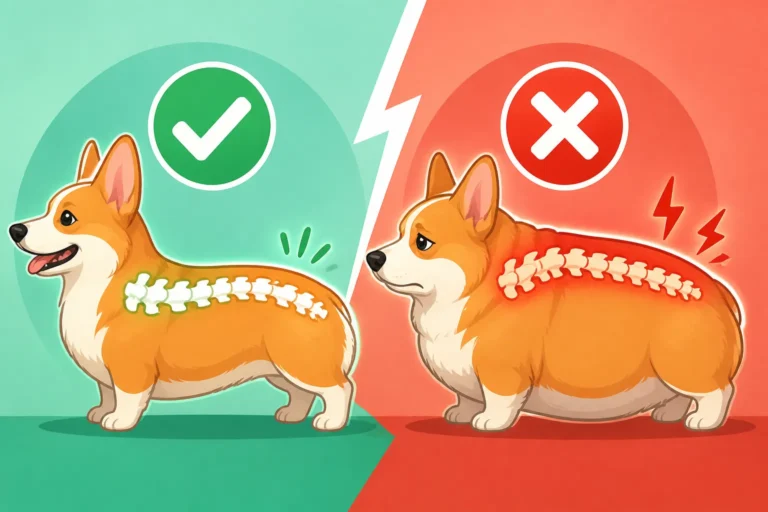
Once the initial, strict crate rest period is over, the temptation to let your Corgi move more freely is immense. However, jumping straight into land-based exercise can be incredibly risky for a recovering Corgi. Their long backs and short legs already predispose them to certain vulnerabilities, and post-surgery, these risks are amplified. High-impact activities, sudden twists, or even just misjudging a step on an uneven surface can put undue stress on healing tissues or a fragile spine.
The risk of re-injury is a very real concern. A too-strenuous walk or an unsupervised jump off the sofa could undo weeks of careful recovery, potentially leading back to the vet for more interventions or even another surgery. For Corgis specifically, their low-to-the-ground build means that their spine takes a lot of impact from everyday movements like going up and down stairs or even trying to stand up quickly from a lying position. Trying to rebuild muscle strength and coordination on land, against gravity, can be difficult and sometimes painful, discouraging your Corgi from participating fully in their own recovery. This is where a guided approach like hydrotherapy shines, offering a safer alternative to rebuild strength.
The Wonders of Hydrotherapy for Corgi Rehabilitation
Hydrotherapy isn't just a trend; it's a scientifically backed method that offers profound benefits for dogs recovering from a wide range of conditions, especially those affecting the musculoskeletal system. For Corgis, with their unique body structure and common predispositions to back issues, it can be a game-changer.
How Water Provides Gentle Support and Resistance
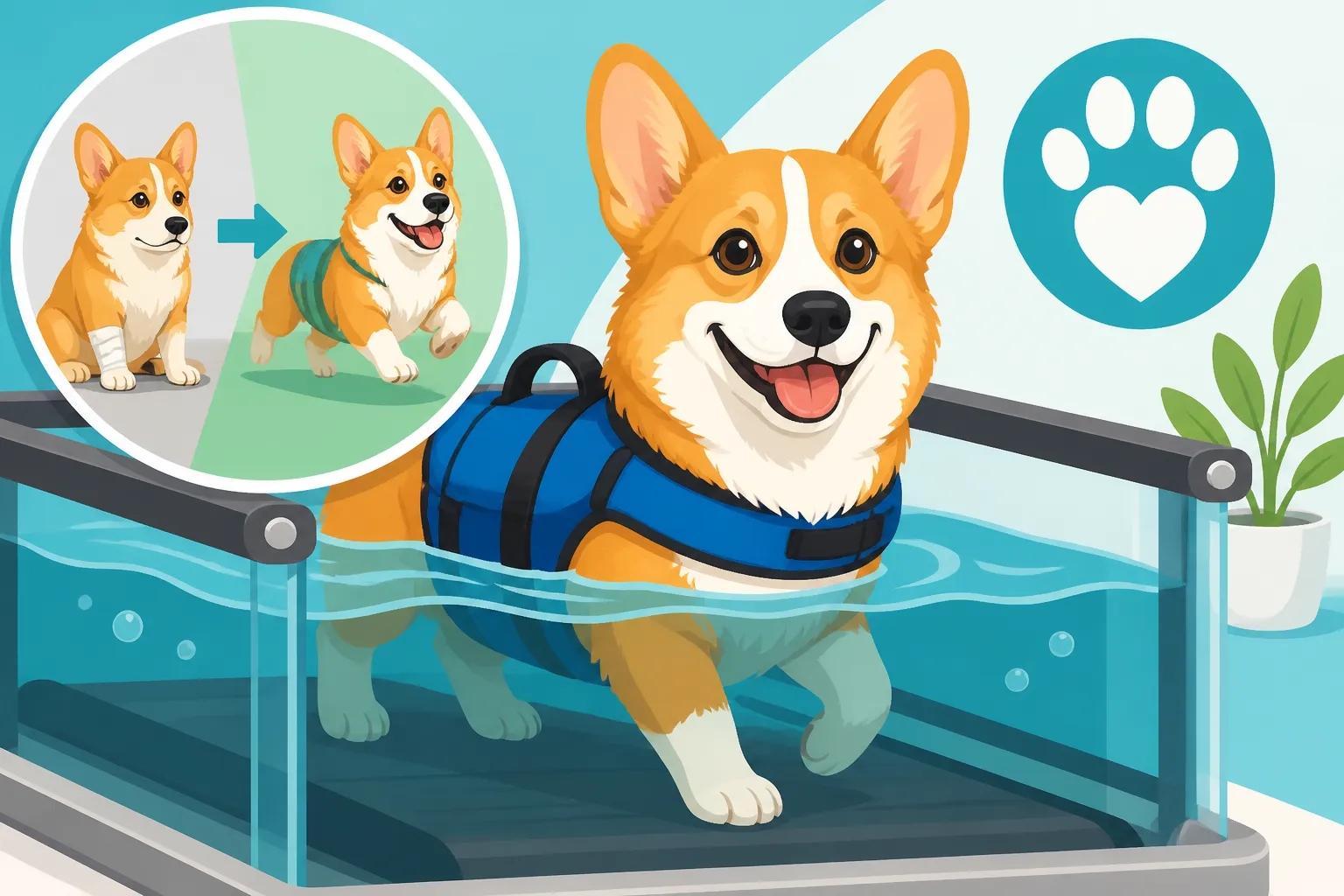
The magic of hydrotherapy lies in the inherent properties of water itself. When your Corgi enters a hydrotherapy tank or pool, they immediately experience buoyancy. This buoyancy significantly reduces the gravitational load on their joints and spine, which is absolutely vital after surgery. Imagine taking a weight off their healing disc or fragile joint – it allows them to move with far less pain and risk. This decreased weight-bearing capacity is often the first step in helping them regain confidence in using their affected limbs. It also helps to prevent excessive strain on areas that might be compensating for a weaker limb, which can happen if they try to move too quickly on land.
Beyond buoyancy, water also provides hydrostatic pressure. This uniform pressure across the body can help reduce swelling and inflammation around surgical sites and in the limbs. It also supports the cardiovascular system, making the heart work more efficiently. The slight resistance of the water, though gentle, is constant. This resistance means that every movement your Corgi makes, even small ones, helps to strengthen their muscles without the impact associated with land-based exercise. It's like a full-body workout that's incredibly low-impact, allowing muscles to engage and build without the harmful jolts.
Building Strength and Restoring Mobility Safely
One of the primary goals of post-surgical rehabilitation is to rebuild muscle mass and restore normal movement patterns. Hydrotherapy excels at this because it allows your Corgi to activate muscles they might be unwilling or unable to use on land. In the controlled, warm water environment, they can experiment with weight-bearing and movement in a safe space. This gentle activation helps prevent further muscle atrophy and encourages the development of new muscle fibers around the surgical area, providing better support and stability.
For Corgis recovering from conditions like disc disease, hydrotherapy is particularly beneficial in addressing issues like proprioception – their body's awareness of its position in space. Often, after a spinal injury or surgery, dogs lose some of this awareness, leading to scuffing paws or an unsteady gait. The resistance and sensory feedback from the water help retrain these neural pathways, improving coordination and balance. With careful guidance from a trained hydrotherapist, they can gradually increase their range of motion, strengthen their core muscles, and refine their walking patterns, often leading to a much better and more confident recovery than land-based exercises alone might achieve. It's not just about getting them walking again, but getting them walking well.
The Mental and Physical Benefits Beyond Just Movement
While the physical benefits are clear, the mental and emotional boost hydrotherapy provides is often underestimated. For a Corgi who has been in pain, confined, and unable to play, the chance to move freely, even in water, can be incredibly liberating. Many Corgis genuinely enjoy their hydrotherapy sessions, finding relief and enjoyment in the weightless environment. This positive experience reduces stress and anxiety, which can contribute to a faster overall recovery. It makes rehab feel less like a chore and more like a fun outing.
Furthermore, the warm water itself has therapeutic properties. It can soothe aching muscles and joints, increasing blood flow to the tissues and helping to reduce chronic pain. Improved circulation aids in nutrient delivery and waste removal, which are crucial for healing. For owners who are worried about their Corgi's quality of life after a serious injury, seeing their dog gain confidence, move with less pain, and even wag their tail during a session can be a massive relief. It’s a holistic approach that supports both the body and the spirit, providing a beacon of hope for Whether a Corgi Recovers From a Disc Rupture and a better quality of life.
What to Expect During a Corgi Hydrotherapy Session
So, you’re thinking hydrotherapy might be a good fit for your Corgi, but what does it actually look like? It’s not just throwing your dog into a pool; it’s a carefully planned and executed therapeutic process.
Initial Consultation and Assessment
The first step usually involves an initial consultation, often following a direct referral from your veterinarian. This is critical because the hydrotherapist needs a comprehensive understanding of your Corgi's medical history, surgical procedure, and current physical condition. They'll review X-rays, MRI results, and your vet's notes on things like How Fast a Corgi Disc Injury Needs Treating and any other concurrent health issues. During this initial visit, the hydrotherapist will conduct their own physical assessment. They’ll observe your Corgi's gait, range of motion, muscle mass, and any areas of pain or weakness. This thorough evaluation is essential for creating a customized treatment plan tailored specifically to your Corgi’s needs and recovery stage.
It’s also an opportunity for you, the owner, to discuss your concerns, ask questions, and understand the goals of therapy. The therapist will set realistic expectations about the number of sessions, potential outcomes, and how to best support your Corgi at home. They might recommend specific exercises or adjustments to your Corgi's environment, such as using ramps instead of stairs or choosing an orthopedic bed. This collaborative approach ensures that everyone involved is working towards the same goal: your Corgi's optimal recovery.
Underwater Treadmill vs. Pool Hydrotherapy
Hydrotherapy facilities typically offer two main modalities: underwater treadmills and hydrotherapy pools. Both utilize the benefits of water but in slightly different ways, making them suitable for different stages of recovery or specific conditions.
Underwater Treadmill: This is often the preferred choice for precise rehabilitation. Your Corgi walks on a treadmill inside a glass tank that is then filled with warm water to a specific depth. The water level can be adjusted to control the amount of weight bearing. For instance, lower water levels offer less buoyancy and more weight bearing, suitable for later stages of recovery, while higher levels provide more support for earlier stages. The speed of the treadmill can also be controlled, allowing the therapist to meticulously regulate your Corgi's gait, encouraging proper limb placement and muscle activation. This method is excellent for:
- Early stages of rehabilitation where controlled movement is paramount.
- Improving gait mechanics and re-educating paw placement.
- Targeting specific muscle groups with variable resistance.
- Corgis who might be nervous about deeper water or don't know how to swim.
Hydrotherapy Pool: In a pool setting, your Corgi typically wears a harness and is guided by the therapist, sometimes with the help of flotation devices. Pools offer a larger space for free movement, swimming, and more vigorous exercise once appropriate. The therapist can work with your Corgi on swimming strokes, controlled dives (if safe), and various range-of-motion exercises. This method is great for:
- Building overall cardiovascular fitness and endurance.
- Increasing range of motion in all joints through full body movement.
- Corgis who love to swim and are comfortable in deeper water.
- Later stages of recovery where more dynamic movement is beneficial.
Here's a quick comparison:
| Feature | Underwater Treadmill | Hydrotherapy Pool |
|---|---|---|
| Water Depth/Control | Precisely adjustable, allowing for controlled weight-bearing | Generally deeper, offering more full buoyancy |
| Movement Type | Controlled walking/trotting | Swimming, free movement, range of motion exercises |
| Gait Focus | Excellent for gait re-education and limb placement | Good for overall muscle tone and cardiovascular fitness |
| Resistance | Variable, dependent on water depth and treadmill speed | Consistent, provided by water density |
| Best For | Early rehab, neurological cases, precise muscle work | Later rehab, endurance, full body conditioning, confident swimmers |
| Corgi Specific Benefit | Supports delicate back while encouraging proper steps | Safe, non-impact full-body exercise for overall strength |
Progression and Long-Term Goals
Rehabilitation is rarely a linear process, and hydrotherapy for your Corgi will involve a carefully planned progression. Initially, sessions might be shorter and focus on very gentle movements to build confidence and basic strength. As your Corgi improves, the therapist will gradually increase the intensity, duration, or complexity of the exercises. This might mean increasing the treadmill speed, raising the water level for more resistance, or introducing different movements in the pool.
The long-term goals typically include restoring maximum mobility, improving muscle strength and endurance, enhancing proprioception, reducing pain, and ultimately, improving your Corgi's overall quality of life. The therapist will continuously assess your Corgi's response to therapy and adjust the plan accordingly. They might also provide you with "homework" – gentle exercises or stretches you can do at home to reinforce the work done in the clinic. Remember, consistency is key, and while hydrotherapy provides significant benefits, it's often part of a broader rehabilitation plan that could include Physiotherapy for a Corgi Losing Its Legs or other modalities.
Practical Considerations and Getting Started
Deciding to pursue hydrotherapy for your Corgi is a big step, and understanding the practicalities involved can help ease your mind.
Finding a Qualified Hydrotherapist
This is probably the most crucial step. Just like you wouldn't trust your Corgi's surgery to just anyone, you shouldn't trust their rehabilitation to an unqualified individual. Look for certified canine hydrotherapists who have undergone specific training in canine anatomy, physiology, and rehabilitation techniques. Many will be certified through organizations like the Canine Rehabilitation Institute (CRI) or the American Association of Rehabilitation Veterinarians (AARV), or similar reputable bodies in other countries. These professionals often work in conjunction with your primary veterinarian or veterinary neurologists.
Don't hesitate to ask about their qualifications, experience specifically with Corgis or similar long-backed breeds, and to tour their facility. A good hydrotherapy center will be clean, safe, and have appropriate equipment. The staff should be patient, understanding, and clearly passionate about animal welfare. A referral from your trusted vet is often the best starting point, as they will likely have a network of reputable specialists they can recommend. This ensures continuity of care and that the hydrotherapy plan aligns with your Corgi’s overall medical management.
Costs and Insurance Coverage
The cost of hydrotherapy can vary significantly based on your location, the facility, the length and type of session, and the overall treatment plan. Individual sessions might range from $50 to $150 or more. A full course of treatment, often spanning several weeks to months, can certainly add up. It's wise to discuss the potential total cost with the hydrotherapist during your initial consultation.
This is where pet insurance can be a lifesaver. Many comprehensive pet insurance plans, like those offered by Healthy Paws, do cover rehabilitation therapies, including hydrotherapy, especially when prescribed by a veterinarian for a covered condition. It’s absolutely essential to check your specific policy details and understand what's covered, what your deductible is, and any reimbursement limits. Often, if you enrolled your Corgi in insurance before they experienced any issues, the coverage for conditions like a slipped disc or cruciate injury would be much better. This is why many experienced Corgi owners recommend enrolling in insurance when their dog is young, as things like Emergency Signs of a Corgi Disc Injury can crop up unexpectedly.
Combining Hydrotherapy with Other Therapies
Hydrotherapy is rarely a standalone treatment but rather a vital component of a multi-modal rehabilitation strategy. It works synergistically with other therapies to achieve the best possible outcomes for your Corgi. Your rehabilitation veterinarian might recommend combining hydrotherapy with:
- Physiotherapy/Physical Therapy: Land-based exercises, stretches, and manual therapies provided by a trained physiotherapist can complement the water work by focusing on specific muscle groups, improving joint range of motion, and teaching proper body mechanics.
- Acupuncture: Acupuncture for a Corgi With Back Pain can help reduce pain and inflammation, improve nerve function, and promote overall healing, often making hydrotherapy sessions more comfortable and effective.
- Laser Therapy (Photobiomodulation): This non-invasive therapy uses specific wavelengths of light to stimulate cellular repair, reduce inflammation, and alleviate pain, particularly beneficial around surgical incisions or areas of chronic pain.
- Chiropractic Care: A veterinary chiropractor can address misalignments in the spine and joints, further enhancing nerve function and improving mobility, which can be greatly supported by the muscle strengthening achieved through hydrotherapy.
- Medication Management: Ongoing pain relief and anti-inflammatory medications prescribed by your vet are often necessary, especially in the early stages, to ensure your Corgi is comfortable enough to participate in therapy.
By integrating hydrotherapy into a comprehensive plan, you're providing your Corgi with the best chance for a full and functional recovery, helping them get back to being the happy, wiggling companion you know and love.
Disclaimer
The information provided in this article is for general informational purposes only and is not intended as a substitute for professional veterinary advice, diagnosis, or treatment. Always seek the advice of your veterinarian or other qualified animal health provider with any questions you may have regarding a medical condition or treatment plan for your Corgi.