An Old Corgi That Gets Lost in the House
It’s heartbreaking to see your once-confident Corgi, who knew every nook and cranny of your home, suddenly seem lost in a familiar hallway or confused about where their food bowl is. This disorientation can be incredibly distressing for both you and your beloved senior companion, hinting at underlying changes that need our attention. This comprehensive guide will explore the common reasons why an old Corgi might start getting lost in the house, what these behaviors signal, and most importantly, practical, empathetic steps you can take to help your furry friend navigate their golden years with dignity, comfort, and security.
Understanding Why Your Senior Corgi Gets Disoriented
An old Corgi getting lost in the house isn't just "senior moments"; it’s often a sign that something deeper is at play. As our beloved Corgis age, just like humans, they can experience a range of physical and cognitive changes that impact their ability to navigate their world. It’s crucial for us, their devoted companions, to understand these potential causes so we can provide the best support and comfort.
Cognitive Decline and Canine Dementia
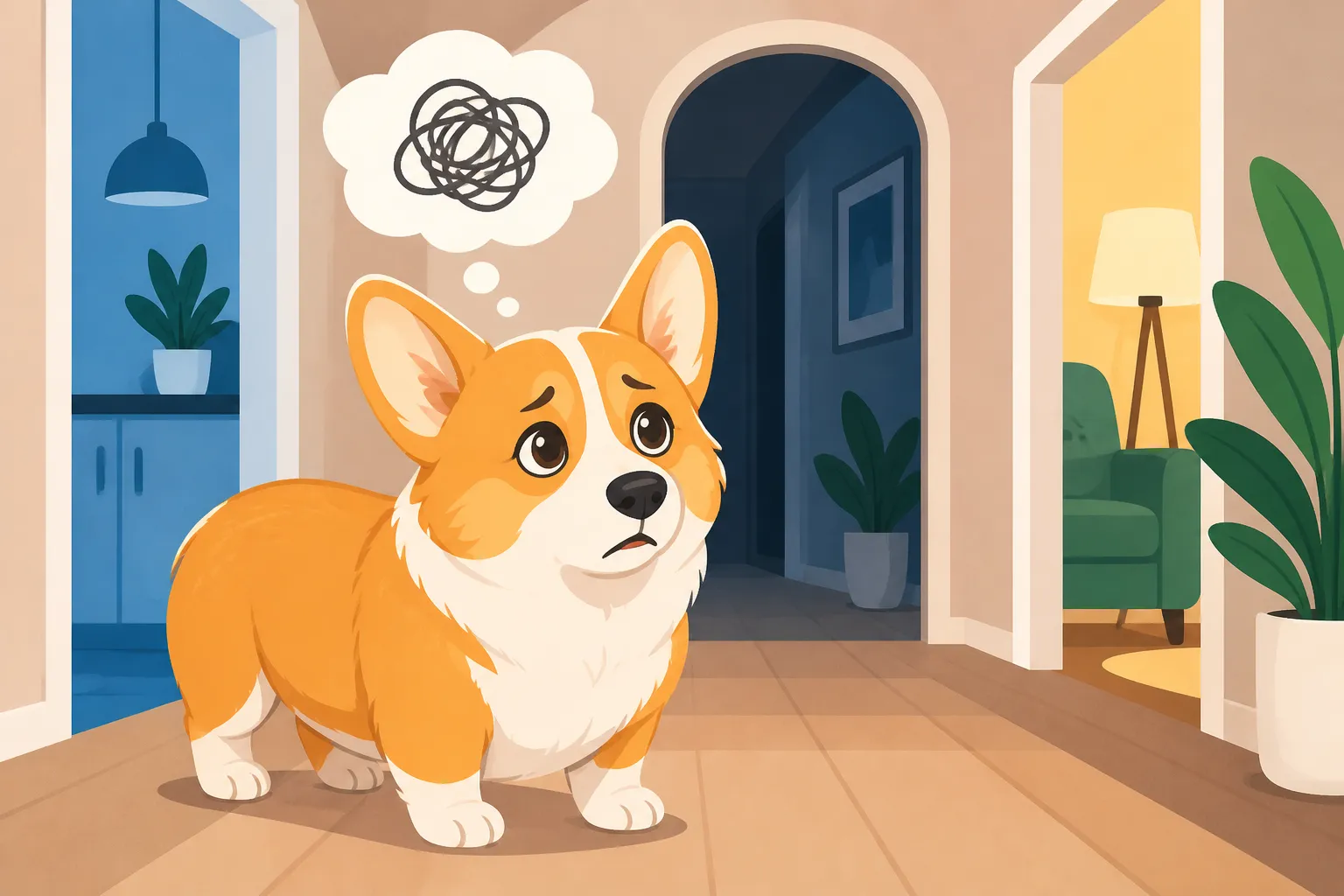
One of the most common reasons for disorientation in older dogs, including our intelligent Corgis, is Canine Cognitive Dysfunction (CCD), often referred to as canine dementia or Alzheimer's-like disease. This isn't just about forgetting where the toy is; it's a progressive neurodegenerative condition that affects memory, learning, and comprehension. Imagine waking up one morning and your own home feels unfamiliar – that's often what a Corgi experiencing CCD might be feeling. It's a truly disorienting and frightening experience for them.
The signs can be subtle at first, easily missed or dismissed. You might notice your Corgi staring blankly at walls, struggling to find the back door they’ve used a thousand times, or getting stuck behind furniture in a room they've lived in for years. They might also exhibit changes in their sleep-wake cycle, increased anxiety, or even altered social interactions, sometimes seeming less interested in playtime or even grumpy. It's truly a heartbreaking thing to witness, especially in a breed as bright and engaging as a Corgi, who once held such a strong, independent spirit. Early detection and intervention can sometimes help manage symptoms and improve their quality of life, which is why paying close attention to these changes is so vital. It’s a good idea to discuss these observations with your vet during their annual check-ups, especially as your Corgi reaches the age When a Corgi Starts Being Treated as Old.
Vision and Hearing Impairment
While cognitive decline is a major player, we can't overlook the profound impact of sensory loss. Our Corgis rely heavily on their sight and hearing to process information about their environment and orient themselves. As they age, conditions like cataracts, glaucoma, or progressive retinal atrophy can significantly diminish their vision, making familiar spaces seem confusing or even frightening, particularly in low light or at night. A Corgi with poor vision might bump into furniture, hesitate at stairs, or seem startled by your sudden appearance, even if you’ve been walking towards them, simply because they didn't see you coming.
Similarly, hearing loss can significantly contribute to disorientation. If your Corgi can't hear your voice, the familiar rustle of the treat bag, or other consistent household noises, their internal map of the house can become scrambled. They might miss auditory cues that help them orient themselves, leading to increased confusion and getting lost even in a small, well-known room. It's a silent struggle for them, often unseen by us until the disorientation becomes pronounced, but it profoundly impacts their daily navigation and sense of security. Regularly checking your Corgi's eyes and ears during vet visits, and making adjustments to how you communicate and guide them, can make a world of difference in their ability to feel safe and confident in their surroundings.
Pain and Mobility Issues
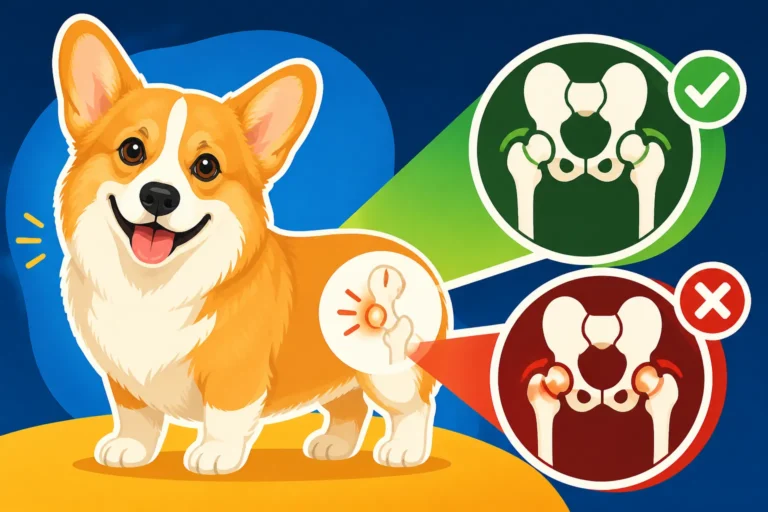
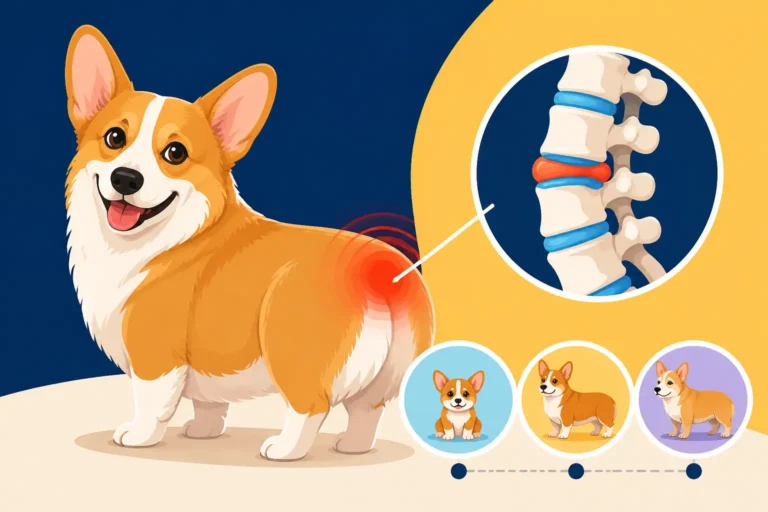
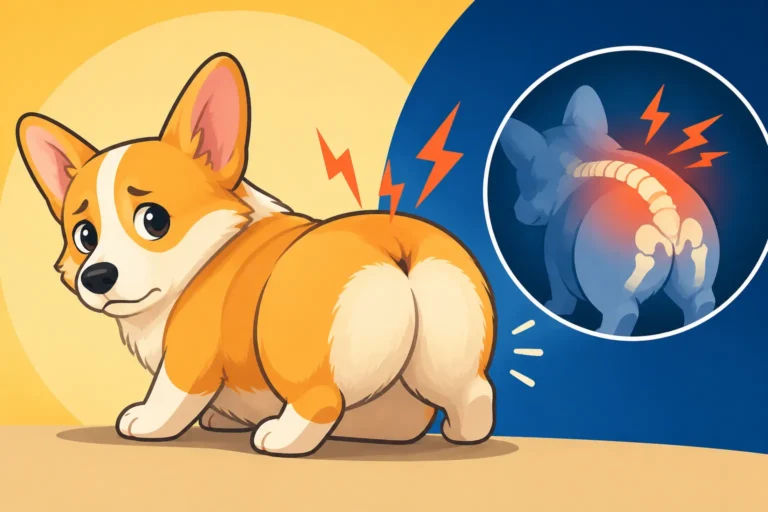
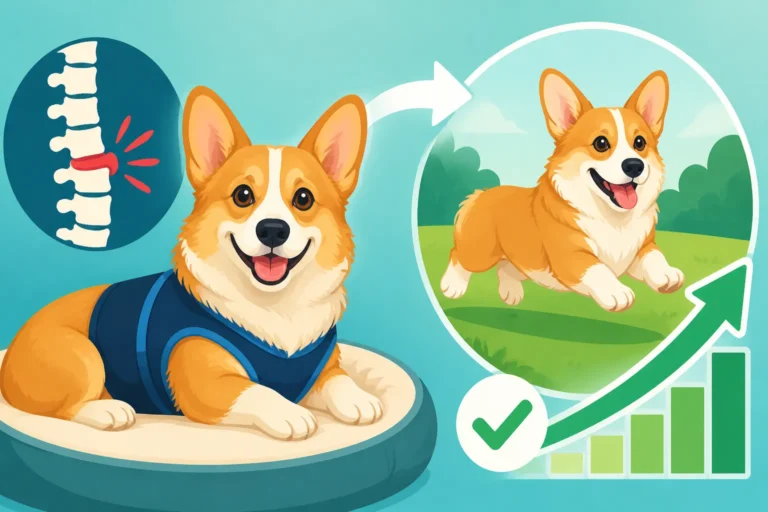
Imagine trying to navigate your home when every step sends a jolt of pain through your body, or your legs feel wobbly and unreliable. This is often the reality for older Corgis struggling with conditions like arthritis, hip dysplasia, or intervertebral disc disease (IVDD) – a particularly common and painful concern for their long backs. When a Corgi is in pain, their primary focus shifts from "where am I going?" to "how can I move without hurting myself?" This internal struggle can lead to hesitation, stumbling, and a general reluctance to move, which might easily be misinterpreted as disorientation or confusion. They might avoid certain areas of the house that involve stairs or slippery floors, and if they do try to navigate them, they might get stuck or appear confused about how to proceed.
Furthermore, general weakness, muscle atrophy, or loss of proprioception (the sense of where their body parts are in space) can make walking difficult and uncertain. You might notice them scuffing their paws or dragging their back feet, making them less confident in their movements and more prone to falls. This physical discomfort and difficulty can easily manifest as confusion, especially if they associate certain areas of the house with pain or past falls. Addressing their comfort with appropriate Pain Relief for an Old Corgi's Back and considering Mobility Aids for a Corgi That Cannot Walk can sometimes dramatically improve their confidence and reduce signs of disorientation, allowing them to better use their remaining cognitive and sensory abilities.
Creating a Supportive Home Environment for a Disoriented Corgi
When our Corgis start showing signs of getting lost in their own home, it's a clear signal that we, as their loving companions, need to adapt their environment to better suit their changing needs. It's about proactive care, showing them patience, and making their world as safe and predictable as possible. Small changes can make a huge difference in their daily comfort and confidence.
Strategic Home Modifications
Making some simple, yet profoundly effective, changes to your home can dramatically improve a senior Corgi's ability to navigate. Start by evaluating your flooring. Slippery surfaces like hardwood, laminate, or tile can be terrifying and genuinely dangerous for an older dog with weakened legs, reduced muscle mass, or vision impairment, making them hesitant to move and prone to slipping. Lay down non-slip rugs, carpet runners, or even yoga mats in high-traffic areas, especially along paths between their bed, food bowls, and the door to the yard. You might find some excellent, affordable options at local pet stores or even home improvement centers like Lowe's or Home Depot. Consider these additions particularly where your Corgi usually traverses, ensuring they always have a secure, grippy path.
Next, think about illumination. Nightlights in hallways, near their crate, or around their food and water bowls can make a huge difference, especially if their vision is declining or they become disoriented in the dark. Keep furniture in consistent locations, avoiding frequent rearrangements, to minimize surprises and allow them to rely on muscle memory for navigation. If you have stairs, consider blocking access with baby gates, or better yet, train your Corgi to use a ramp. Even if they are still able to manage stairs, repeated impacts can exacerbate spinal issues over time. Ramps are especially beneficial for Corgis, given their predisposed spinal vulnerabilities, and are a great long-term investment in their spinal health. And while we always talk about keeping clutter clear for general safety, for a disoriented Corgi, it's absolutely paramount to remove anything that could be a tripping hazard or an unexpected obstacle. A clear, consistent pathway is a true blessing to a dog who is losing their bearings.
Establishing a Predictable Routine
For a Corgi experiencing cognitive decline or significant sensory loss, predictability is comfort, security, and sanity. A consistent daily routine provides a structured framework that helps them anticipate events, reduces anxiety, and leverages their remaining cognitive abilities. Try to feed them at the same times each day, take them out for potty breaks on a regular, frequent schedule, and maintain consistent sleeping arrangements. Corgis, by their nature, thrive on routine and knowing what to expect, and for an older Corgi, it becomes an indispensable anchor in an increasingly confusing world.
This consistency extends to your interactions. Use clear, consistent verbal cues and hand signals that they've known for years. If their hearing is fading, gentle taps, clear visual cues, or even hand signals become even more important than verbal commands. When approaching them, especially if they're sleeping or resting deeply, speak to them softly from a distance first, or approach slowly from their line of sight, to avoid startling them. This helps them orient themselves to your presence without unnecessary stress. A predictable routine also makes it much easier for you to track subtle changes in their behavior, such as if they are having more accidents, seeming more confused during specific parts of the day, or showing increased agitation. This detailed information is invaluable for your veterinarian, as it helps paint a clearer picture of their condition.
Engaging Mental Stimulation
Even if your senior Corgi is slowing down physically and perhaps even mentally, their mind still needs gentle, appropriate engagement. Mental stimulation helps to keep their cognitive functions as sharp as possible, can slow the progression of cognitive decline, and provides a crucial outlet for their intelligent minds. Simple puzzle toys, like those from Kong or Outward Hound, filled with a portion of their daily kibble or a safe, soft treat, can provide a rewarding challenge without requiring much physical exertion. Scent games, where you hide treats around a small, safe area of the house (like under a blanket or behind a cushion) and encourage them to sniff them out, are fantastic for engaging their primary sense and boosting their confidence.
Short, gentle training sessions, reviewing basic commands they already know and have mastered, can also be incredibly beneficial. It's not about learning complex new tricks at this stage, but rather reinforcing familiar patterns, strengthening neural pathways, and celebrating their successes with enthusiastic praise and gentle petting. Even a few minutes of "sit," "stay," or "come" (in a confined, safe space where they feel secure) can boost their confidence, provide mental exercise, and give them a sense of purpose. Remember, for a senior Corgi, it's about quality over quantity. Keep sessions brief, positive, and always end on a good note before they lose interest or become tired. This type of enrichment, coupled with a consistent and safe environment, helps to foster a lasting sense of security and belonging, which is absolutely crucial for their overall well-being.
When to Seek Veterinary Guidance for Disorientation
Observing your old Corgi getting lost in the house is a strong, undeniable indication that it's time to involve your veterinarian. While some changes are a natural, albeit difficult, part of aging, others could be symptoms of treatable medical conditions that, once addressed, can significantly improve your Corgi's quality of life. A professional diagnosis and comprehensive evaluation are crucial steps for providing the best possible care.
Recognizing Red Flags and Specific Symptoms
It's tempting for us, as loving owners, to dismiss early signs of disorientation as "just old age," but it's critically important to accurately document specific observations. Keep a detailed journal or use your phone's notes app to record:
- When does the disorientation occur? (e.g., only at night, after waking up, in specific rooms, after a certain activity).
- What exactly happens? (e.g., staring blankly at walls, walking into corners, struggling to find the back door, pacing aimlessly, seeming confused by familiar objects).
- Are there other associated changes? (e.g., increased vocalization, altered sleep patterns, changes in appetite or thirst, house-soiling, increased anxiety, withdrawal from family members or other pets, increased irritability).
- Are they stumbling, showing signs of pain, or having difficulty moving? (This could point more directly to neurological or orthopedic issues, which are distinct from pure cognitive decline but can present similarly).
This detailed information will be incredibly helpful for your vet in narrowing down potential causes. For instance, if your Corgi is suddenly having accidents inside after being perfectly house-trained for years, it could be a sign of cognitive dysfunction, or it could be related to A Corgi Drinking and Urinating More With Age, which might indicate kidney issues or diabetes. Don't hesitate to contact your vet even for subtle changes; early intervention can make a significant difference in managing their condition and preserving their quality of life.
Diagnostic Approaches and Treatment Options
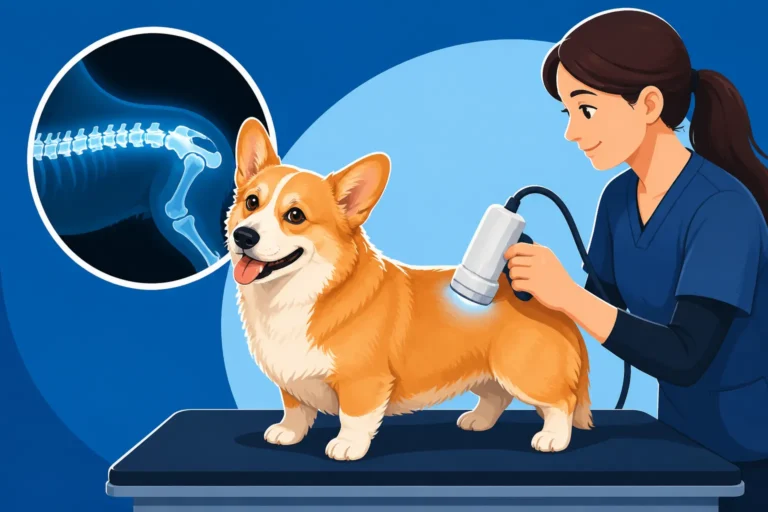
When you bring your Corgi in for these concerns, your vet will perform a thorough physical exam, often including a comprehensive neurological assessment to check reflexes, gait, and coordination. They'll listen attentively to your observations and may suggest various diagnostic tests. These could include routine blood work to check for underlying medical conditions like Corgi Thyroid Problems or kidney disease, which can sometimes mimic or exacerbate signs of cognitive decline. A comprehensive blood panel is almost always recommended for Blood Panels for a Corgi Over Ten as a baseline. They might also recommend a urinalysis, and potentially imaging like X-rays to check for arthritis or other orthopedic issues that cause pain, or even an MRI if a serious neurological problem like a slipped disc (IVDD) is suspected as the primary cause of confusion or mobility issues.
If canine cognitive dysfunction (CCD) is suspected after ruling out other medical conditions, your vet may discuss medications that can help manage the symptoms. Brands like Selegiline (Anipryl) are often prescribed to improve brain function and reduce behavioral issues associated with CCD. Dietary changes, including supplements rich in antioxidants, omega-3 fatty acids, and medium-chain triglycerides (MCTs) like those found in coconut oil, can also be beneficial for supporting brain health. Your vet might recommend specific prescription diets formulated for senior brain health, often containing enhanced levels of these neuro-supportive nutrients. While there's no "cure" for canine dementia, these interventions can significantly improve your Corgi's quality of life and help them navigate their world more effectively for a longer, more comfortable period. The goal is always to maximize their comfort and preserve their familiar routines as much as possible.
The Importance of Proactive Senior Care
It cannot be stressed enough how vital regular, proactive veterinary check-ups are for senior Corgis. As they enter their golden years, typically starting around 8-10 years old, their health needs invariably change, often quite rapidly. Many forward-thinking owners are already planning for these eventualities by investing in pet insurance. Companies like Healthy Paws offer comprehensive plans that can help alleviate the significant financial stress often associated with chronic conditions, unexpected senior emergencies, and the extensive diagnostic tests that may be needed. Having such coverage in place means you can focus on providing the best possible care and making informed decisions based on your Corgi's needs, without the added burden of worrying excessively about the vet bills piling up.
Proactive senior care involves much more than just addressing problems as they arise. It's about preventative measures, regular health screenings (like Screening an Older Corgi's Spine), and maintaining open, honest communication with your veterinary team. They can help you monitor for subtle changes that you might otherwise miss, discuss appropriate exercise modifications, tailor their nutrition plan as their metabolism slows, and create a long-term care plan specifically tailored to your individual Corgi's unique needs. This foresight and dedication can lead to earlier diagnosis of age-related conditions like IVDD, arthritis, or cognitive decline, allowing for more effective management, better treatment outcomes, and ultimately, a better, more comfortable, and longer life for your cherished companion. Understanding The Twelve to Fifteen Year Corgi Lifespan often means preparing thoughtfully for the unique challenges that come with those advanced years.
Here's a quick comparison of common senior Corgi issues that can lead to disorientation:
| Symptom/Behavior | Possible Cause: Cognitive Dysfunction (CCD) | Possible Cause: Vision Impairment | Possible Cause: Pain/Mobility Issues |
|---|---|---|---|
| Staring blankly at walls | Yes (confusion, altered awareness) | Less likely directly, but can contribute | Less likely directly |
| Getting stuck in corners | Yes (spatial disorientation, memory loss) | Yes (can't see obstacles) | Yes (reluctance to move, avoiding painful areas) |
| Difficulty finding food/water | Yes (memory, pattern recognition loss) | Yes (can't see bowls, hesitant to navigate) | Less likely directly (unless unable to reach) |
| Pacing aimlessly | Yes (anxiety, restlessness, confusion) | Less likely directly | Less likely directly |
| Hesitation at stairs | Yes (loss of confidence, spatial awareness) | Yes (depth perception issues, fear of falling) | Yes (pain with movement, weakness, instability) |
| House-soiling/accidents | Yes (forgetting training, loss of bladder control) | Less likely directly (unless can't find door) | Yes (difficulty getting outside in time, incontinence) |
| Changes in sleep patterns | Yes (day-night reversal, restlessness) | Less likely directly | Less likely (unless pain disrupts sleep) |
| Reluctance to move | Less likely (unless secondary to pain/anxiety) | Yes (fear of bumping into things) | Yes (pain is primary driver) |
| Bumping into furniture | Less likely (unless combined with poor vision) | Yes (primary sign of vision loss) | Less likely directly |
| Increased vocalization | Yes (anxiety, confusion) | Less likely directly | Less likely directly |
Living Fully with a Corgi Experiencing Cognitive Decline
Receiving a diagnosis of Canine Cognitive Dysfunction or witnessing your senior Corgi's increasing disorientation can be incredibly tough, stirring up a mix of emotions from sadness to frustration. It challenges our expectations of their vibrant personality and requires a significant shift in how we approach our daily lives together. But remember, a diagnosis isn't an ending; it's a new chapter where your unconditional love, boundless patience, and unwavering support become even more vital than ever before.
Managing Daily Frustrations
It’s perfectly normal, and completely understandable, to feel a surge of frustration when your Corgi has an accident inside just moments after being outside, barks endlessly at nothing discernable, or gets stuck behind the sofa for the third time in an hour, requiring your assistance. These feelings are valid, but it's crucial, in those moments, to remind yourself that your Corgi isn't doing these things out of spite or stubbornness; they are struggling with a complex, progressive disease that affects their brain function. Patience, deep breaths, and empathy become your most valuable tools. Instead of scolding, which will only increase their anxiety and confusion, gently redirect them. If they're pacing aimlessly, try a calming voice, a familiar touch, or a gentle massage to soothe them. If they've had an accident, clean it up without fuss, and then reinforce their outdoor potty breaks with extra praise and a small, high-value treat.
Consider practical solutions for managing some of the most common frustrations. For persistent house-soiling, a washable doggy diaper, like those from Paw Legend or Pet Parents, can save your floors, protect your furniture, and significantly reduce stress for both you and your Corgi. For increased vocalization, first rule out pain or discomfort with your vet, then consider if a calming supplement, a familiar comfort item, or simply acknowledging their presence and offering gentle reassurance can help. Investing in good quality enzymatic cleaners for accidents will make cleanup easier and prevent lingering odors that might encourage repeat incidents. Companies like Nature's Miracle or Rocco & Roxie Supply Co. offer excellent products for this. This journey often demands more from us, emotionally and physically, but the unconditional love and deep bond they continue to give, even in their moments of confusion, makes every effort worthwhile. Remember, they are still your cherished Corgi, just navigating a different stage of life.
Emotional Support for Owners
Caring for a senior Corgi with cognitive decline or severe disorientation is truly a marathon, not a sprint. It's emotionally and physically demanding, and it's absolutely essential that you also prioritize taking care of yourself. Don't underestimate the grief, stress, and profound sadness associated with watching your beloved companion change so profoundly, seemingly slipping away while still physically present. You are unequivocally not alone in feeling this way. Many Corgi owners, and pet owners in general, experience what is known as "anticipatory grief" as they navigate the gradual decline of their senior dogs, mourning the dog they once knew while simultaneously caring for the dog they are becoming.
Seek support from online forums dedicated to senior dog care, local pet loss support groups, or even confidential conversations with your veterinarian or their staff. Talking to others who understand exactly what you're going through, who have walked a similar path, can provide immense comfort, validation, and invaluable practical advice. Remember to celebrate the good days, cherish the moments of clear connection and joy, and give yourself grace and compassion on the harder ones. Your Corgi still feels your love, even if they can't always show it or respond to it in the ways they used to. Focusing on their comfort, safety, continued dignity, and quality of life will be your guiding principle through this challenging, yet ultimately rewarding, period. This is part of the deep, enduring bond you share, right up until Nursing a Corgi That Has Lost Its Back Legs or when difficult, painful decisions ultimately need to be made, like Deciding When a Corgi With DM Has Had Enough. Even in their twilight years, they remain your cherished family member, deserving of all the love and support you can give.
Disclaimer
This article is for general informational purposes only and does not constitute professional advice. Laws, prices and regulations vary by location and change over time. Consult a qualified professional for guidance on your specific situation.