How Fast a Corgi Loses Sight to PRA
Watching your beloved Corgi navigate the world, full of zest and curiosity, is one of the greatest joys of pet ownership. But the thought of them slowly losing their sight, bumping into familiar objects, and eventually becoming completely blind due to a condition like Progressive Retinal Atrophy (PRA), can be absolutely heartbreaking and terrifying. It’s a frightening prospect that leaves many owners wondering how quickly this progressive disease takes hold and what they can expect. This comprehensive guide will walk you through the nuances of PRA in Corgis, helping you understand the typical progression of sight loss, what factors influence its speed, and how you can best support your furry family member through these challenging changes.
Understanding Progressive Retinal Atrophy in Corgis
Progressive Retinal Atrophy, often simply called PRA, isn't just one disease but a group of inherited degenerative conditions that affect the retina, the light-sensitive tissue at the back of the eye. For us Corgi parents, understanding this is the first step in facing what can feel like an overwhelming diagnosis.
What is PRA and How Does It Affect Vision?
At its core, PRA causes the photoreceptor cells in the retina – the rods and cones – to gradually deteriorate. These are the very cells responsible for detecting light and sending visual signals to the brain. Think of them as the film in an old camera; when the film is damaged, the pictures become blurry, dark, or disappear entirely.
Initially, it's the rod cells that are primarily affected. Rods are crucial for vision in low light conditions and detecting motion. This means the first noticeable symptom of PRA in a Corgi is typically what we call "night blindness." Your Corgi might become hesitant to go outside after dark, stumble over familiar objects in dimly lit rooms, or seem disoriented when the sun sets. They might be unwilling to retrieve a toy thrown into a shaded area. As the disease progresses, the cone cells, which are responsible for daytime vision and color perception, also begin to degrade. This leads to a gradual loss of vision even in bright light, eventually culminating in complete blindness. It’s a slow, insidious process that can be very hard to witness as an owner, especially when you consider how much Corgis rely on their sharp senses and intelligence to explore their world.
The Genetic Basis and Corgi Predisposition
PRA is an inherited condition, meaning it’s passed down through generations. For Pembroke Welsh Corgis, the most common form of PRA is often linked to the prcd-PRA gene mutation, which stands for Progressive Rod-Cone Degeneration. This particular mutation is recessive, meaning a dog must inherit two copies of the affected gene (one from each parent) to develop the disease. Dogs with only one copy are considered carriers and won't typically show symptoms themselves, but they can pass the gene on to their offspring.
This genetic component highlights why reputable Corgi breeders are so diligent about The DNA Tests a Corgi Breeder Should Run before breeding. They aim to avoid producing puppies that are "affected" by screening their breeding stock. Without responsible breeding practices, the risk of PRA being passed on increases significantly. While prcd-PRA is prevalent, it's worth noting that other forms of PRA, caused by different genetic mutations, can also affect Corgis, though less commonly. The genetic tests available today, such as those offered by laboratories like OptiGen or those included in broader panels from companies like Embark, are invaluable tools for breeders and prospective owners. Understanding these genetics is crucial because it’s the blueprint for how the disease will manifest and progress in your individual Corgi.
The Variable Timeline of Sight Loss in Corgis with PRA
The phrase "progressive" is key when talking about PRA, as it emphasizes that the vision loss isn't sudden, but a gradual decline. However, the speed of this decline can vary quite a bit, making it challenging to predict precisely for any individual Corgi.
Factors Influencing the Rate of Progression
Several factors can influence how quickly a Corgi loses sight due to PRA:
- Type of PRA: As mentioned, PRA isn't a single disease. Different genetic mutations lead to different forms of PRA, and each can have its own typical age of onset and rate of progression. For example, some forms might manifest in early puppyhood, progressing rapidly, while others might not show symptoms until middle age or later, with a slower decline. The prcd-PRA form commonly seen in Corgis tends to have a later onset, often between 3 to 6 years of age, with a relatively slow progression, but this isn't a hard and fast rule.
- Individual Genetic Variations: Even within the same type of PRA, there can be individual variations in how quickly a Corgi's vision deteriorates. Just like in people, no two dogs are exactly alike, and their genetic makeup can subtly influence the disease's course. Some Corgis might maintain some residual vision for longer, while others might experience a faster progression to full blindness.
- Onset Age: Generally, PRA that starts earlier in life tends to progress more rapidly than forms with a later onset. If a Corgi starts showing signs of Night Blindness in a Corgi at a young age, you might see more significant changes over a shorter period compared to a Corgi who develops symptoms in their senior years.
While environmental factors are less understood to influence the speed of PRA progression, maintaining overall good health, a balanced diet, and regular veterinary check-ups are always beneficial for your Corgi's general well-being. Keeping up with routine The Vet Visits a Corgi Puppy Needs First and regular adult check-ups can help monitor overall health.
Typical Stages of Vision Loss
For Corgis affected by prcd-PRA, the progression typically follows these stages:
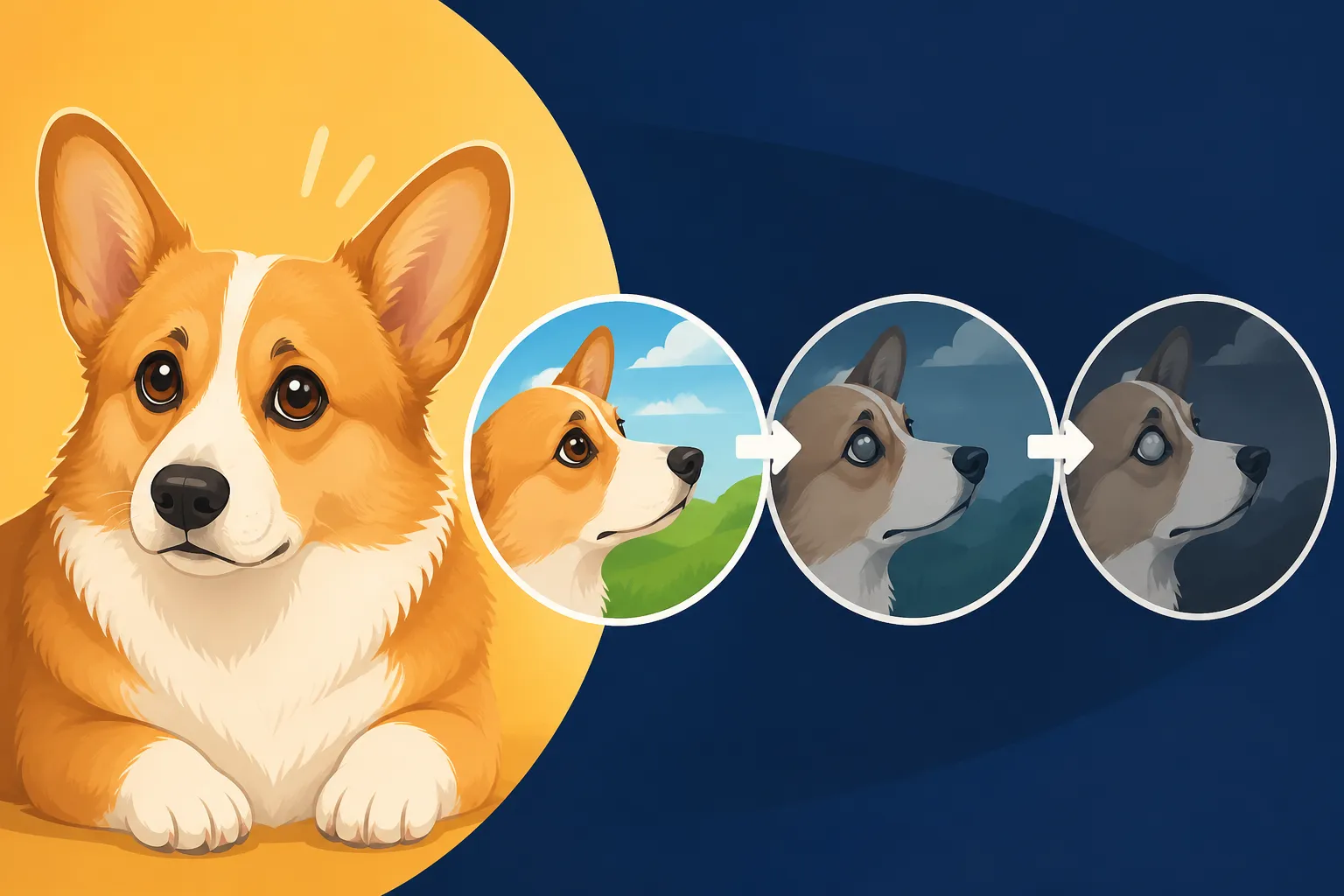
- Early Stage (Night Blindness): This is usually the first noticeable sign. Your Corgi will struggle in low light conditions. They might hesitate to enter dark rooms, bump into furniture in the evening, or become more prone to startling. This can often go unnoticed by owners at first, as Corgis are adept at compensating, especially in familiar environments. The retina is starting its degenerative process, primarily affecting the rod cells.
- Mid-Stage (Reduced Daytime Vision): As the disease progresses, the cone cells begin to be affected, leading to a noticeable decline in daytime vision. Your Corgi might start bumping into objects even in well-lit areas, struggle with depth perception, or have difficulty finding toys. Their pupils may also appear more dilated, even in bright light, as their eyes try to gather more light to compensate for the diminishing photoreceptors.
- Late Stage (Complete Blindness): Eventually, both rod and cone cells will have degenerated significantly, leading to complete or near-complete blindness. At this point, your Corgi will rely entirely on their other senses – smell, hearing, and touch – to navigate. The time it takes to reach this stage can range from several months to a few years after the initial onset of night blindness. For many Corgis with prcd-PRA, it's a journey that unfolds over 1 to 3 years from the first signs of night blindness to complete blindness, though again, this is just an average.
It's a difficult journey, but Corgis are incredibly resilient and adaptable. Many learn to cope remarkably well with their vision loss, especially if their owners take proactive steps to support them.
Early Indicators and Behavioral Changes
Recognizing the subtle, early indicators of PRA can help you seek veterinary advice sooner and begin adapting your home environment. These signs aren't always obvious because Corgis are so smart and tend to hide their difficulties initially.
Look for these behavioral changes:
- Hesitation in Low Light: Does your Corgi suddenly balk at going into a dark hallway they once frequented? Do they seem reluctant to go out for their last potty break when it's dark? This is a classic sign of Night Blindness in a Corgi.
- Bumping into Objects: In dimly lit rooms or when the furniture has been rearranged, your Corgi might start bumping into things. This is a clear indicator that their spatial awareness is being compromised.
- Increased Clinginess or Anxiety: A Corgi who is losing their sight might become more anxious, especially in new or dimly lit environments. They might stick closer to you, seeking comfort and guidance.
- Changes in Play: They might have difficulty tracking moving toys, or seem less enthusiastic about games that require visual tracking.
- Pupil Dilation: You might notice that your Corgi's pupils appear larger than usual, even in normal lighting, as their eyes try to maximize light intake.
If you observe any of these changes, it's vital to consult your veterinarian, who may refer you to a veterinary ophthalmologist. They can perform specific tests to diagnose PRA, such as an electroretinogram (ERG), which measures the electrical activity of the retinal cells, or a genetic test to confirm the specific mutation. Early diagnosis doesn’t change the course of the disease, but it gives you precious time to prepare and adapt.
Living With a Corgi Experiencing PRA
Facing a diagnosis of PRA for your Corgi is tough, no doubt about it. But remember, a blind Corgi can still lead a full, happy, and loving life with your help. It’s about adapting, understanding, and providing consistent support.
Adapting the Home Environment
The good news is that Corgis are incredibly adaptable, and with a few thoughtful adjustments, you can make your home a safe and navigable haven for them.
- Consistency is Key: Once your Corgi's vision starts to decline, avoid rearranging furniture. Their mental map of your home becomes their most important tool. Keep food and water bowls, beds, and favorite toys in consistent locations.
- Safety First: Block off stairs with baby gates to prevent falls. Consider placing soft bumpers on sharp furniture corners. If you have a pool, ensure it's securely fenced.
- Ramps and Steps: Corgis are prone to back problems due to their long spines. For a Corgi with PRA, jumping off furniture or going up and down stairs becomes even riskier. Invest in ramps or steps for sofas, beds, and even to help them get into the car. This not only protects their back but also gives them confidence when their vision is compromised.
- Tactile Markers: Place different textured mats or rugs near doorways, stairs, or important areas (like their feeding station) to give your Corgi a tactile cue about where they are.
- Sound and Scent Cues: Use verbal cues consistently for commands like "step up," "step down," or "wait." Introduce new scents to mark important areas. For example, a drop of essential oil (safe for pets, like lavender or chamomile, highly diluted) on a rag near their water bowl can help them locate it.
- Lighting: While they are losing vision, adequate lighting can still help. Ensure rooms are well-lit, especially at dusk and dawn when their remaining vision might be most challenged.
Supporting Your Corgi Emotionally and Physically
Emotional and physical support are paramount for a Corgi navigating vision loss. Their world is changing, and they rely on you more than ever.
- Verbal Cues and Touch: Become your Corgi’s verbal guide. Talk to them often, especially when approaching them, to avoid startling them. Use consistent verbal commands. Gentle touch, like a reassuring hand on their back, can also help guide them.
- Scent Work and Enrichment: Engage their other powerful senses. Scent work games, where they have to sniff out treats or toys, are fantastic mental enrichment. Puzzle toys that dispense treats when manipulated can also keep them entertained. These activities boost their confidence and keep their minds active.
- Continued Exercise (with modifications): Your Corgi still needs exercise! Leash walks in familiar, safe areas are crucial. Consider using a longer lead in a securely fenced yard to allow them more freedom to explore by scent. Be their eyes, guiding them around obstacles. A head halo device, like the Muffin’s Halo, can be a wonderful tool for blind dogs, giving them an early warning system before they bump into things, especially helpful during the transition period.
- Socialization: Don't isolate your Corgi. Continue to introduce them to calm, gentle dogs and people in controlled environments. Social interaction is vital for their mental well-being.
- Patience and Empathy: There will be frustrating moments for both of you. Your Corgi might seem confused or anxious. Remain patient, calm, and reassuring. Remember, they are doing their best to adapt to a radically different world.
Veterinary Management and Support
Regular veterinary check-ups remain essential, perhaps even more so when your Corgi is dealing with PRA. Your vet can monitor their overall health, address any secondary issues, and provide advice on managing their condition.
- Routine Eye Checks: While PRA is not curable, the vet can check for other eye conditions that might develop, such as cataracts, which can sometimes accompany PRA and further complicate vision.
- Quality of Life Discussions: As the disease progresses, it's important to have ongoing conversations with your vet about your Corgi's quality of life. Are they still enjoying their food, walks, and interactions? Are they in pain? This helps ensure you're making the best decisions for them at every stage.
- Nutritional Support: While no diet can reverse PRA, your vet might suggest supplements or dietary changes to support overall eye health, though evidence for slowing PRA progression with supplements is limited.
- Pet Insurance: Managing a chronic condition like PRA can incur ongoing veterinary costs, from initial diagnostics to regular check-ups and potential mobility aids. This is where pet insurance can be a real lifesaver. Many owners find that plans from providers like Healthy Paws offer comprehensive coverage for accidents, illnesses, and even some hereditary conditions, provided the policy is in place before the condition manifests. Having a good insurance plan, like those offered by Healthy Paws, can alleviate some financial stress, allowing you to focus on your Corgi's care. It’s always a good idea to consider pet insurance when your Corgi is young and healthy, as conditions diagnosed before enrollment are typically considered pre-existing and won't be covered.
Here's a simplified look at the typical PRA progression and adaptation tips:
| Stage of PRA | Visual Symptoms | Behavioral Indicators | Owner Adaptations |
|---|---|---|---|
| Early | Night blindness, difficulty in low light | Hesitation after dark, bumping into objects in dim light, increased startling at night | Maintain consistent home layout, use verbal cues, ensure good evening lighting. |
| Mid-Stage | Reduced daytime vision, loss of depth perception | Bumping into objects even in daylight, difficulty tracking toys, pupils often dilated | Add tactile markers, block off stairs, introduce ramps, continue verbal guidance, start scent games. |
| Late Stage | Complete blindness | Relies entirely on other senses, may seem disoriented in new places, slower movement | Focus on scent work, consistent routine, safety-proof entire home, utilize head halos, emphasize gentle touch. |
Genetic Testing and Responsible Breeding
The single most impactful way to reduce the incidence of PRA in Corgis is through rigorous genetic testing and responsible breeding practices. As an owner, understanding this process helps you make informed choices and support the health of the breed.
Why Genetic Screening is Crucial for Corgis
Since PRA is an inherited disease, genetic testing plays a monumental role in preventing its spread. A simple DNA test, usually done via a cheek swab or blood sample, can identify whether a Corgi is:
- Clear: Meaning they do not carry the gene mutation for PRA and cannot pass it on to their offspring.
- Carrier: Meaning they carry one copy of the gene mutation but will not develop the disease themselves. They can pass the gene on to 50% of their offspring.
- Affected: Meaning they have two copies of the gene mutation and will develop PRA. They will pass a copy of the gene to all of their offspring.
Reputable breeders will screen their breeding dogs for the prcd-PRA gene, and often for other Corgi-specific health conditions, to ensure they are not inadvertently contributing to the problem. By only breeding "clear" dogs, or by carefully pairing a "carrier" with a "clear" dog (which will only produce clear or carrier puppies, never affected), the incidence of PRA can be significantly reduced. This proactive approach ensures healthier future generations. This is part of the broader commitment to Corgi health, much like understanding Corgi Hips and Front-End Structure or screening for other conditions.
What to Look for in a Reputable Breeder
If you're considering adding a Corgi to your family, finding a reputable breeder is paramount to minimizing the risk of inherited diseases like PRA. Here's what to look for:
- Health Clearances and Genetic Testing: A responsible breeder will openly share the results of genetic testing for PRA (like the prcd-PRA gene test) for both parent dogs. They should also perform other relevant health clearances, such as hip and elbow evaluations, and regular eye examinations by a board-certified veterinary ophthalmologist. Don't be afraid to ask for documentation. Reputable breeders are proud to show off their health testing results. Remember, pet insurance options like Healthy Paws often require documentation of health testing from the breeder to ensure coverage for certain hereditary conditions.
- Transparency and Education: A good breeder is an open book. They should be willing to discuss their breeding practices, the health history of their lines, and be able to educate you on the specific health concerns and traits of the Corgi breed. They should also be enthusiastic about discussing preventative measures.
- Veterinarian Relationships: Breeders should have a strong relationship with their veterinarians and be able to provide references. This shows a commitment to professional animal care.
- Early Socialization and Environment: A responsible breeder raises their puppies in a clean, stimulating home environment, providing early socialization to help them grow into well-adjusted adults. They should also discuss the importance of proper care, including diet and Feeding a Corgi So Its Spine Carries Less.
- Contracts and Guarantees: Expect a written contract that outlines health guarantees, spay/neuter agreements, and what happens if the Corgi develops a genetic health issue. This shows their commitment to the puppies they produce.
Choosing a Corgi from a responsible, health-focused breeder is the best defense against heartbreaking conditions like PRA, ensuring your Corgi has the best possible start to a long and healthy life.
Disclaimer
The information provided in this article is for educational purposes only and is not intended to be a substitute for professional veterinary advice, diagnosis, or treatment. Always seek the advice of your veterinarian or other qualified animal health provider with any questions you may have regarding a medical condition.