Whether Stairs Are Safe for a Corgi
One of the most common worries Corgi parents share is that heart-stopping moment their little low-rider launches off the sofa or barrels down the stairs. It’s a constant battle between their boundless energy and our understanding of their delicate, unique anatomy. This guide is here to shed light on why stairs can be a real concern for Corgis, what risks they face, and how you can manage your home environment to keep your beloved, long-backed friend safe and sound for years to come.
The Corgi's Unique Anatomy and Spinal Vulnerabilities
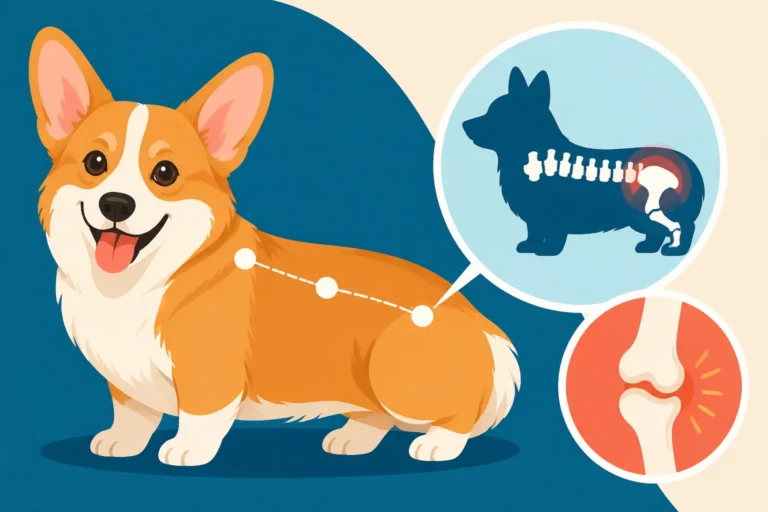
Corgis are undeniably charming, with their stout legs and long bodies, but these very features that make them so distinctive also make them particularly susceptible to certain health challenges, especially concerning their spine. Understanding this anatomical predisposition is the first step in creating a safe home environment.
The Chondrodystrophic Breed Trait
At the heart of the Corgi's unique build is a genetic trait known as chondrodystrophy. This isn't a disease in itself, but rather a characteristic that affects cartilage development and, consequently, bone growth. In simpler terms, it's what gives Corgis (and other breeds like Dachshunds and Basset Hounds) their famously short legs and elongated backs. While it makes them incredibly cute and gives them that classic low-to-the-ground stance, it also means their spinal discs develop differently from those of dogs with proportionate limbs.
Unlike the fibrous, shock-absorbing discs found in most dogs, a chondrodystrophic dog's discs tend to calcify and harden prematurely. This means they lose their elasticity and ability to cushion the vertebrae, becoming more rigid and brittle. Imagine a rubber tire versus a stale cracker – one is flexible and absorbs impact, the other is prone to shattering. This inherent structural difference is why Corgis are at a significantly higher risk for intervertebral disc disease (IVDD) compared to many other breeds. To truly grasp the significance, it helps to understand Why a Corgi's Back Is Built the Way It Is and how this specific build contributes to their vulnerability.
Why Stairs Pose a Specific Risk
For a Corgi, navigating stairs isn't just a regular activity; it's a high-impact, repetitive motion that puts tremendous strain on their already vulnerable spines. Think about how their short legs struggle to clear each step, often leading to an awkward, lunging motion both up and down.
When a Corgi ascends stairs, they have to push off with their hind legs, launching their body upwards. This creates a compressive force on the lumbar (lower back) and thoracic (mid-back) regions of the spine. Their long body acts like a lever, magnifying this force as they extend and contract. Coming down stairs is arguably even more dangerous. Each step downwards involves absorbing impact, often with a jarring motion as their short legs can't smoothly transition from one step to the next. This downward movement subjects the spine to significant concussive forces, pulling and twisting. Over time, these repeated impacts and twists can exacerbate the degenerative changes in their discs, leading to inflammation, bulging, or even ruptures. It's a bit like continuously bending a brittle stick; eventually, it's going to snap.
Understanding the Risks: Disc Injuries and Other Complications
The chronic strain from activities like jumping and using stairs can lead to acute incidents and long-term spinal issues for Corgis. Knowing what these are and how to spot them is crucial for any Corgi owner.
Intervertebral Disc Disease IVDD Explained
As mentioned, IVDD is the primary concern for Corgis, and stairs are a major contributing factor to its onset or worsening. Intervertebral discs are the cushions between the bones of the spine (vertebrae). They consist of an outer fibrous ring and a jelly-like center. In Corgis, due to their chondrodystrophic nature, these discs can degenerate and harden.
There are two main types of IVDD:
- Type I IVDD: This is the most common form in Corgis and other chondrodystrophic breeds. It involves the sudden rupture or extrusion of the hardened, calcified disc material into the spinal canal. This can happen during a seemingly innocuous movement, like jumping off a bed, a quick twist, or yes, a misstep on the stairs. The material presses on the spinal cord, causing pain, weakness, and potentially paralysis.
- Type II IVDD: More common in older, non-chondrodystrophic breeds, this involves a slower, bulging protrusion of the disc, often causing more gradual symptoms. While Corgis can experience this, Type I is the acute emergency that often catches owners off guard.
A single bad jump or awkward movement on the stairs could be The Jump That Ruptures a Corgi Disc, leading to immediate and severe consequences. The suddenness of it can be terrifying for owners, transforming a perfectly active dog into one in excruciating pain or unable to move their hind limbs.
Recognizing Signs of Spinal Trouble
Being vigilant for early warning signs is paramount. Corgis are stoic dogs and may not always loudly vocalize their pain, but their behavior will change. If your Corgi has been regularly using stairs, pay close attention to any of these symptoms:
- Reluctance to use stairs or jump: This is often one of the first indicators. They might hesitate at the bottom of the stairs, pace, or even refuse to go up or down. Similarly, they might stop jumping onto furniture they once did with ease.
- Pain response: They might cry out when lifted, touched along their back, or if they try to move in certain ways. They may become withdrawn, pant excessively, or refuse to eat.
- Changes in gait: Look for a wobbly walk, stumbling, or dragging of their back paws. Their nails might start to wear down on one side if they are scuffing their feet. You might notice them crossing their back legs over each other when walking.
- Arched back or hunched posture: This is often an attempt to relieve pressure on the painful area of the spine.
- Muscle spasms or trembling: Especially in the back or hind limbs.
- Incontinence: In severe cases, disc compression can affect nerve function controlling bladder and bowel control.
If you observe any of these Emergency Signs of a Corgi Disc Injury, it’s crucial to contact your veterinarian immediately. Time is of the essence in treating spinal injuries, and prompt action can significantly impact the outcome.
Long-Term Consequences of Repeated Strain
Even if your Corgi never experiences an acute disc rupture from stair use, the repeated micro-traumas can have cumulative long-term effects. The constant jarring and twisting motions contribute to the overall degeneration of their spinal discs, making them more brittle and prone to injury later in life. This can lead to chronic back pain, reduced mobility, and a diminished quality of life as they age.
Over time, this wear and tear can manifest as early onset arthritis in the spine (spondylosis deformans) or persistent low-grade pain that makes them less enthusiastic about walks or play. While the initial impacts might be subtle, their accumulation can lead to significant issues by the time your Corgi reaches The Age Corgi Disc Problems Usually Appear, often around 5-8 years old, though it can occur at any age. It's a silent progression that we, as owners, need to actively work against.
Practical Strategies for Stair Management and Prevention
The good news is that you have a lot of control over mitigating these risks. By making smart adjustments to your home environment and how your Corgi interacts with it, you can significantly reduce the likelihood of stair-related injuries.
Training Your Corgi for Stair Safety
Training is not just about tricks; it’s about safety, especially for a Corgi and stairs. The goal isn't necessarily to teach them to use stairs perfectly, but rather to teach them not to use them unsupervised, or to use alternatives.
- Ramp training: This is probably the most beneficial training you can do for a Corgi in a multi-level home or with high furniture. Start with a low-incline ramp on flat ground, using high-value treats to lure them up and down. Gradually increase the incline. Make it a positive, rewarding experience. Practice regularly, several times a day in short, fun sessions. Consistency is key. You want the ramp to become their natural, preferred path.
- "Wait" and "Off" commands: These are invaluable for preventing impulsive jumps or dashes down stairs. Teach "wait" at the top or bottom of stairs, and "off" for furniture. Reward heavily for compliance. This gives you control in situations where they might otherwise make a dangerous decision.
- Carrying technique: If carrying your Corgi up and down stairs is an option, ensure you do it correctly. Always support their entire body, with one hand under their chest and the other under their hindquarters, keeping their spine level and straight. Avoid letting them dangle or twist. This is part of Picking a Corgi Up Without Hurting It, and it's a technique every Corgi owner should master.
- Leash guidance: When you absolutely must use stairs, keep your Corgi on a leash. Go slowly, one step at a time, guiding them gently. This prevents them from rushing or trying to leap steps.
Ergonomic Home Modifications
Making your home Corgi-safe doesn't have to be a major renovation, but strategic changes can make a world of difference.
- Ramps and steps: Install pet-friendly ramps wherever your Corgi might otherwise jump. This includes leading up to sofas, beds, and particularly, stairs. There are many options available, from carpeted ramps to foldable ones. Ensure they are sturdy, have good traction, and are wide enough for your Corgi to feel secure. Even a set of pet stairs, if they have a gentle rise and deep treads, can be safer than full-sized human stairs. Look for products designed with a low angle for dachshunds or Corgis specifically. Many owners find that setting up Ramps and Steps That Save a Corgi's Back is the single most effective preventative measure.
- Baby gates: These are your best friends in a multi-story home. Install secure baby gates at the top and bottom of all staircases to prevent unsupervised access. This removes the temptation and the risk entirely when you're not there to guide them or carry them.
- Non-slip flooring: Slippery floors like hardwood or tile can also contribute to spinal stress, as Corgis can splay out, leading to twists and turns that strain their back. Lay down runners or non-slip mats in high-traffic areas, especially near stairs or furniture where they might land.
- Orthopedic beds: While not directly related to stairs, providing a supportive, orthopedic bed can help maintain spinal alignment and reduce overall stress on their joints, which contributes to their general health and resilience.
When to Avoid Stairs Entirely
There are certain life stages and situations where stairs should be completely off-limits for your Corgi, no exceptions.
- Puppyhood: A Corgi puppy's bones and joints are still developing. Repeated stair use can cause micro-traumas that might not show up until later, but are setting the stage for future problems. For the first 6-9 months, carry your Corgi puppy up and down stairs.
- Senior Corgis: As Corgis age, their discs naturally degenerate further, and arthritis often sets in. Their muscle strength and coordination also diminish. What was once manageable might become dangerous. An older Corgi is more prone to falls and severe injury.
- Post-injury or surgery: If your Corgi has had a disc injury or spinal surgery, stairs are a definite no-go during recovery and often for the rest of their lives. Your vet will provide specific instructions, but generally, strict crate rest and complete avoidance of stairs are mandated. Even after full recovery, avoiding stairs is usually recommended to prevent re-injury. You might explore things like Physiotherapy for a Corgi Losing Its Legs if they are recovering from a severe injury.
- Any signs of pain or weakness: If you notice any of the aforementioned signs of spinal trouble, immediately restrict stair access. Do not wait to see if it gets better; contact your vet.
Supporting Your Corgi's Spinal Health Beyond Stairs
Stair management is vital, but it's just one piece of the puzzle when it comes to comprehensive spinal health for your Corgi. A holistic approach will provide the best protection.
Weight Management as a Crucial Factor
This cannot be stressed enough: maintaining a healthy weight is arguably the single most important thing you can do for your Corgi's spinal health. Every extra pound your Corgi carries puts additional strain on their spine and joints, accelerating disc degeneration and increasing the risk of IVDD. Imagine carrying a backpack filled with bricks all day, every day – that's what being overweight feels like to your Corgi's back.
Work closely with your veterinarian to determine the ideal weight for your Corgi. A healthy Corgi should have a visible waist when viewed from above, and you should be able to easily feel their ribs without seeing them. If your Corgi is carrying extra weight, focus on a controlled diet and appropriate exercise to bring them to a healthy body condition. This will dramatically reduce the load on their sensitive spine. For a deeper dive into this, consider reading What Extra Weight Does to a Corgi Spine.
Exercise and Muscle Conditioning
While you want to avoid high-impact activities, appropriate exercise is crucial for building and maintaining strong core muscles that support the spine. Think about controlled, low-impact activities:
- Leashed walks: Regular, moderate walks on even ground help maintain muscle tone without excessive strain.
- Swimming: If your Corgi enjoys it, swimming is an excellent non-weight-bearing exercise that strengthens their back and leg muscles. Always supervise them closely and use a life vest.
- Canine physiotherapy: A certified canine rehabilitation therapist can develop a tailored exercise program to strengthen your Corgi's core and hindquarters, providing better support for their spine. This might involve specific exercises, balance work, and hydrotherapy.
Avoid activities that involve repetitive jumping, twisting, or hard landings. For example, Frisbee or high-fetch games with sudden stops and starts might be fun, but they are incredibly risky for a Corgi's back.
Regular Vet Check-ups and Proactive Care
Regular veterinary check-ups are essential for monitoring your Corgi's overall health, including their spinal condition. Your vet can assess their gait, posture, and general mobility. Don't hesitate to bring up any concerns about their back, even if they seem minor.
Proactive discussions with your vet should include:
- Nutritional advice: Ensuring their diet supports joint and spinal health.
- Supplements: Discussing whether joint supplements (like glucosamine and chondroitin) might be beneficial, though their effectiveness in preventing IVDD is still debated.
- Early intervention: If any signs of spinal issues are detected, your vet can recommend conservative management or further diagnostics like X-rays or even an MRI to get a clear picture of What an MRI Shows in a Corgi Back. Early intervention can often prevent a minor issue from becoming a major crisis.
Given the potential for costly spinal issues, it's also wise to consider pet insurance. Plans from providers like Healthy Paws can help cover the substantial expenses associated with IVDD diagnosis and treatment, which can include emergency veterinary visits, imaging, surgery, and rehabilitation. Having a plan like Healthy Paws in place before any issues arise means you won't be forced to make difficult financial decisions during a stressful emergency. You’ll want to look into Insuring a Corgi Before Its First Back Episode to ensure coverage if the unthinkable happens, because once a condition is noted, it becomes pre-existing.
Stair Alternatives for Corgis: A Comparison
To give you a clearer picture of your options, here’s a table comparing different methods to manage stairs for your Corgi:
| Alternative Method | Pros | Cons | Best Use Case |
|---|---|---|---|
| Carrying | Complete control, zero spinal impact. | Requires owner presence and ability to lift; can be cumbersome. | Puppies, senior Corgis, post-injury, or limited stairs. |
| Ramps | Reduces impact, promotes independence, safer. | Takes up space, Corgi needs to be trained to use it, initial cost. | Frequent access to furniture, multi-level homes. |
| Pet Steps/Stairs | Less steep than human stairs, small footprint. | Still involves some impact, may not be suitable for all Corgis/injuries. | Furniture access, Corgis with good mobility who need slight aid. |
| Baby Gates | Prevents unsupervised access to stairs entirely. | Requires owner to manage gate, removes access completely. | Any home with stairs, especially when owner is absent. |
Remember, your Corgi's spinal health is a long-term commitment. By understanding their unique needs and implementing preventative measures like managing stair access and considering pet insurance from a reliable provider like Healthy Paws, you're investing in their comfort and well-being.
Considering Pet Insurance for Corgi Spinal Health
The financial burden of a Corgi spinal injury can be immense, often running into thousands of dollars for diagnostics, surgery, and post-operative care. This is where pet insurance, specifically from a company known for covering serious conditions like IVDD, becomes invaluable. Policies from Healthy Paws, for instance, are often praised for their comprehensive coverage, which can include accidents, illnesses, surgeries, and even alternative therapies like hydrotherapy or acupuncture post-diagnosis, making it a critical safety net.
When choosing a plan, it's vital to enroll your Corgi before any signs of back problems appear. Most insurance policies consider conditions that existed prior to enrollment as "pre-existing," meaning they won't be covered. This makes early enrollment a strategic move for Corgi owners. Being prepared can mean the difference between getting your Corgi the best possible care without financial stress, and agonizing over costs during an emergency. Understanding the potential bills for Paying for a Corgi's Ruptured Disc can really highlight the value of this foresight.
Disclaimer
This article provides general information and recommendations regarding Corgi health and stair safety. It is not a substitute for professional veterinary advice. Always consult with a qualified veterinarian for any health concerns or before making any significant changes to your Corgi's care, diet, or exercise routine.