Incontinence in a Corgi With DM
Discovering that your beloved Corgi, already facing the difficult progression of Degenerative Myelopathy (DM), is now experiencing incontinence can be an incredibly distressing and overwhelming realization. It's a painful step in their journey, bringing new challenges that can leave you feeling heartbroken and exhausted. This comprehensive guide aims to shed light on why incontinence occurs in Corgis with DM, offering practical strategies to manage both urinary and fecal issues, and providing vital support to help you maintain your Corgi's comfort and dignity through this demanding time.
Understanding Degenerative Myelopathy and its Impact on Bladder Control
Degenerative Myelopathy (DM) is a cruel and progressive neurological disease that primarily affects the spinal cord of certain dog breeds, Corgis being prominent among them. It’s like a slow, insidious unraveling of the communication lines between the brain and the body, particularly the hind limbs. While many owners initially notice signs like wobbling or A Corgi That Scuffs Its Back Nails, the disease eventually impacts far more than just mobility. Understanding the underlying cause of incontinence is the first step towards managing it with compassion and effectiveness.
The Neurological Link to Incontinence
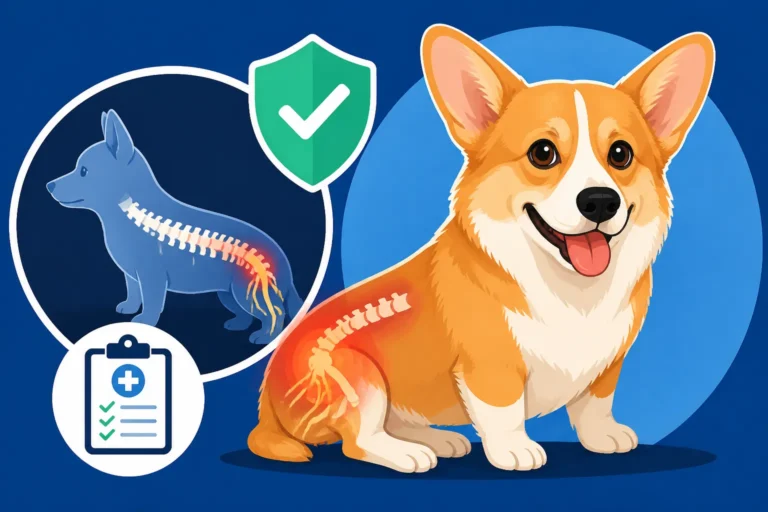
At its core, DM attacks the white matter of the spinal cord. This white matter is essentially the high-speed data highway that transmits nerve impulses. When these pathways degenerate, the signals struggle to get through or stop altogether. For bladder and bowel control, this means the brain can no longer effectively communicate with the muscles that hold urine and feces in, nor can it receive clear feedback when the bladder or rectum is full.
Imagine trying to drive a car when the accelerator, brake, and steering wheel are only intermittently connected to the engine and wheels. That's a bit like what happens with a Corgi's nervous system. The muscles that control the sphincter (the ring of muscle that keeps things in) might weaken or lose their ability to contract properly. More commonly, the sensory nerves that tell your Corgi "Hey, I need to go!" simply don't function as they once did. This often results in what's called "overflow incontinence," where the bladder becomes so full it simply leaks because the Corgi doesn't feel the urge to empty it or can't initiate the emptying process effectively. Similarly, the ability to sense and voluntarily expel feces becomes compromised, leading to accidents.
Early Signs and Progression of Bladder Issues
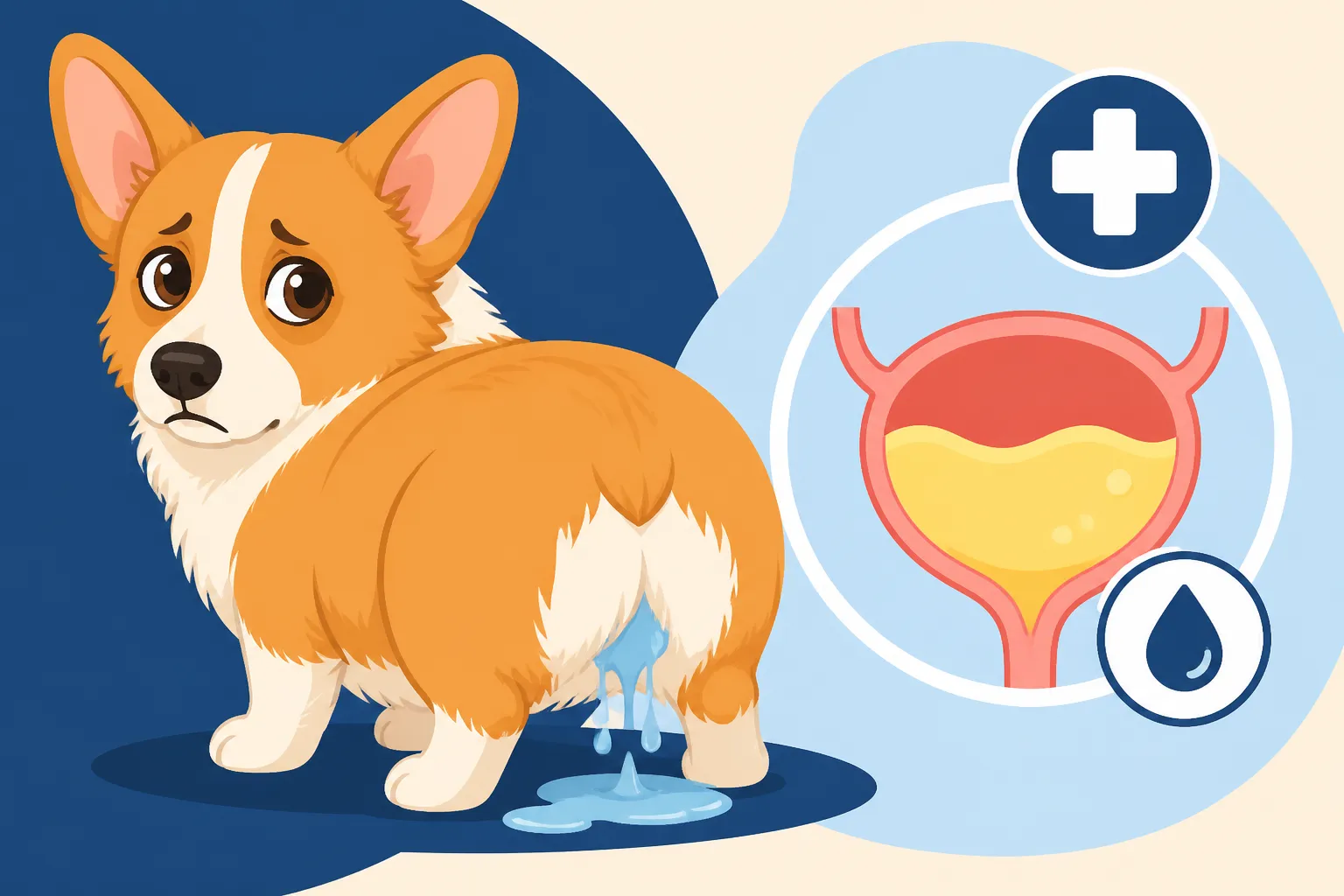
The onset of incontinence isn't always a sudden deluge. Often, it begins subtly, mirroring the gradual progression of DM itself. You might first notice small wet spots where your Corgi has been sleeping, or a damp patch on their bedding that wasn't there before. Initially, these might be mistaken for accidental dribbles or simply not making it outside in time. However, as the DM advances, these incidents become more frequent and significant.
Early signs could include your Corgi seeming unaware they are leaking, or perhaps a slight dampness around their rear end even after they've just been outside. As the condition worsens, they might have full urinary or fecal accidents indoors, sometimes while walking, standing, or even sleeping deeply. It’s important to remember that this isn't a behavioral issue; it's a direct consequence of the neurological damage from Degenerative Myelopathy and the Corgi. Keep a journal of these incidents, noting the time, type of accident, and any accompanying behaviors. This information can be invaluable for your veterinarian, helping them track the progression and fine-tune management strategies. Your vet might also want to do some diagnostics to rule out other causes of incontinence, like urinary tract infections, which can compound the problem.
Managing Urinary Incontinence in a Corgi with DM
Living with a Corgi experiencing urinary incontinence due to DM requires patience, vigilance, and a proactive approach. It's about creating a manageable routine for both you and your furry friend, and utilizing the right tools to keep them clean and comfortable. This isn't just about controlling messes; it's about preserving their dignity and quality of life.
Creating a Management Routine and Environment
One of the most effective strategies is to establish a predictable and frequent potty schedule. Think of it like puppy training all over again, but for a different reason. Your Corgi with DM often doesn't recognize the urge to go, so you need to initiate it. Take them out every 2-3 hours, especially after waking up, eating, or drinking. Even if they don't seem to need to go, offer them the chance. Sometimes, gentle pressure on their bladder (known as manual expression) can help empty it more fully. Your veterinarian or vet technician can teach you how to do this safely and effectively.
Inside the house, create "safe zones" where accidents are less impactful. Lay down waterproof pads, old towels, or washable incontinence pads in their sleeping areas, on their favorite couch spots, and anywhere they spend significant time. Consider restricting access to carpeted areas if possible. Ensuring your Corgi has easy access to outside is also crucial. If stairs are a challenge due to their DM, explore Ramps and Steps That Save a Corgi's Back or consider carrying them carefully. For some Corgis, a designated indoor potty area with grass pads or absorbent mats might be a better option if outdoor access is difficult or weather is extreme.
Tools and Products for Keeping Your Corgi Clean
There's a wide array of products designed to help manage canine incontinence, and finding the right combination for your Corgi might involve some trial and error.
| Product Type | Description | Pros | Cons |
|---|---|---|---|
| Disposable Dog Diapers | Absorbent pads designed with a tail hole, secured with adhesive tabs. | Convenient for quick changes, good for travel, wide availability. | Can be costly long-term, not environmentally friendly, can irritate skin, may slip. |
| Washable Dog Diapers | Reusable fabric diapers, often with an inner mesh or pocket for liners. | Eco-friendly, cost-effective over time, often softer and more comfortable. | Requires frequent washing, might need extra absorbent liners, not as discreet. |
| Male Wraps (Belly Bands) | Absorbent wraps specifically for male dogs, covering the genital area. | Excellent for dribbling and marking, less bulky than full diapers. | Only suitable for male urinary incontinence, offers no fecal protection. |
| Waterproof Bed Liners | Large, absorbent pads placed on beds, crates, or furniture. | Protects surfaces, easy to wash, ideal for resting areas. | Doesn't keep the dog clean directly, requires frequent changes and laundry. |
| Pet Wipes | Gentle, pet-safe wipes for quick clean-ups after accidents or leaks. | Essential for hygiene, prevents skin irritation and odors. | Not a substitute for full bathing, can be costly. |
When choosing diapers, ensure a snug but not tight fit. Too loose, and they’ll leak; too tight, and they’ll be uncomfortable and potentially restrict blood flow. Change diapers frequently to prevent urine scald or skin infections, which are common concerns for dogs with Incontinence in a Corgi With DM. Consider supplementing with male wraps for male Corgis who only dribble urine, as they are less cumbersome. Regular bathing of their rear end with a gentle, pH-balanced shampoo is also vital to prevent skin irritation. Look for shampoos formulated for sensitive skin or puppies.
Veterinary Interventions and Medications
While there's no cure for DM itself, some medications can help improve sphincter tone and reduce urinary leakage. Your vet might prescribe drugs like Proin (phenylpropanolamine), which strengthens the urethral sphincter muscle, or estrogen-like medications for spayed female dogs. These aren't always effective for DM-related incontinence because the primary issue is neurological communication, not just muscle weakness, but they are often worth trying to see if they offer any relief.
In cases where urine retention is a problem (meaning the bladder isn't emptying fully), regular manual expression, as mentioned, becomes crucial to prevent urinary tract infections. Your vet might also suggest a course of antibiotics if a UTI is suspected or confirmed. Managing these ongoing veterinary needs, from diagnostic tests to medications and follow-up appointments, can become expensive. Many Corgi owners find that having a comprehensive pet insurance plan, such as those offered by Healthy Paws, can significantly ease the financial burden associated with chronic conditions like DM, allowing them to focus on their Corgi's care rather than the cost. Discuss all available options and potential side effects with your veterinarian to formulate the best plan for your Corgi.
Addressing Fecal Incontinence and Bowel Management
Fecal incontinence can often be more challenging and frustrating for owners than urinary incontinence, simply due to the nature of the mess. However, just like with urinary issues, it’s not your Corgi’s fault, and there are ways to manage it effectively to keep them clean and comfortable.
Understanding the Causes of Fecal Incontinence
Similar to urinary incontinence, fecal incontinence in Corgis with DM stems from the neurological damage disrupting the signals that control bowel function. The spinal cord damage can lead to a loss of sensation, meaning your Corgi might not feel the need to defecate or might not recognize when they are actively passing stool. The muscles that control the anal sphincter can also weaken, making it difficult for them to hold stool in.
In some cases, the problem isn't just about muscle control or sensation; it can also be about motility—how quickly or slowly food moves through the digestive tract. If transit is too fast, stool can be loose and difficult to control. If it's too slow, constipation can occur, which ironically can lead to "leakage" around hard, impacted stools. Often, it's a combination of these factors, making careful observation of your Corgi's stool consistency and frequency crucial for effective management. Your vet might want to perform a physical exam, including a rectal exam, to assess muscle tone and check for any impaction.
Dietary Adjustments and Fiber Considerations
Diet plays a significant role in managing fecal incontinence. The goal is often to achieve a firm, consistent stool that is easier to control and clean up.
- Consistent Diet: Stick to a high-quality, consistent diet. Sudden changes in food can upset your Corgi's digestive system and lead to loose stools.
- Fiber Adjustment: Fiber is key. Too little fiber can lead to loose stools, while too much can cause constipation. Your vet might recommend a diet with a moderate, balanced fiber content. For some Corgis, adding a small amount of plain canned pumpkin (not pie filling!) or psyllium husk to their food can help firm up loose stools. Conversely, if constipation is an issue, a bit more fiber or a specific therapeutic diet might be needed.
- Probiotics: Sometimes, imbalances in gut flora can contribute to stool consistency issues. Your vet might suggest a canine-specific probiotic supplement to help support a healthy digestive system.
- Hydration: Ensure your Corgi always has access to fresh water. Proper hydration is essential for healthy bowel function, preventing constipation.
Always discuss any dietary changes or supplements with your veterinarian before implementing them, especially for a dog with an underlying condition like DM. They can help you find the right balance for your individual Corgi's needs.
Establishing a Predictable Bowel Schedule
Just as with urinary incontinence, establishing a regular routine for bowel movements can make a huge difference. Pay close attention to when your Corgi typically has bowel movements. Many dogs are creatures of habit and will go around the same time each day, often after meals or their morning walk. Once you identify these patterns, make sure you take them out at those specific times.
If your Corgi has lost the ability to defecate voluntarily, you might need to assist them. This often involves taking them outside on a leash and gently massaging their abdomen or applying slight pressure to their lower back/perianal area. This stimulation can sometimes trigger a bowel movement. Consistency is paramount. Even if they don't go every time, the routine itself can help train their body to have more predictable movements. Regularly checking your Corgi’s rear end and cleaning them with pet wipes or a warm washcloth after they’ve been out can help prevent matting and skin irritation, which is particularly important for dogs that struggle with Keeping a Corgi Clean After It Loses Control.
Emotional and Practical Support for Owners
Caring for a Corgi with DM and incontinence is a marathon, not a sprint. It takes immense dedication, love, and emotional resilience. It's crucial to remember that you're not alone in this journey and to prioritize your Corgi's well-being while also looking after your own.
Maintaining Quality of Life for Your Corgi
While incontinence presents undeniable challenges, it doesn't mean your Corgi's quality of life has to diminish significantly. The goal is to keep them as comfortable, clean, and happy as possible for as long as possible.
- Hygiene is Paramount: Beyond diapers and pads, regular cleaning of their hindquarters is vital to prevent urine scald, skin infections, and odors. A quick wipe down after every accident and a more thorough bath when needed can prevent discomfort and maintain their dignity.
- Comfortable Bedding: Provide soft, orthopedic bedding that supports their joints and is easy to clean. Many Corgis with DM also benefit from a firm bed that holds their back straight, helping with their Corgi Hips and Front-End Structure and overall comfort.
- Mobility Aids: As DM progresses, your Corgi might lose the ability to stand or walk. This is when aids like slings or Carts and Wheels for a Corgi With DM become invaluable. These devices can allow them to move around, explore, and enjoy life more independently, even with compromised hind legs. Remember, maintaining some level of mobility and engagement is critical for their mental well-being.
- Continued Engagement: Even if they can't run like they used to, engage their minds. Scent games, puzzle toys, and gentle interactions can still provide mental stimulation and joy. Just because their body is failing doesn't mean their spirit has to. Consider Physiotherapy for a Corgi Losing Its Legs to maintain muscle mass and range of motion.
The decision of Deciding When a Corgi With DM Has Had Enough is one of the hardest an owner can face. By focusing on comfort, hygiene, and mental well-being, you can ensure their remaining time is filled with love and dignity.
Seeking Support and Self-Care
It’s easy to get caught up in the physical demands of caregiving, but the emotional toll can be immense. Witnessing your Corgi's decline, coupled with the constant cleaning and management, can lead to caregiver fatigue, stress, and grief.
- Lean on Your Vet Team: Your veterinarian and their staff are invaluable resources. They can provide advice, adjust treatment plans, and offer emotional support. Don't hesitate to call them with questions or concerns, no matter how small. Regular check-ups, even if just for Screening an Older Corgi's Spine, are crucial for managing their condition.
- Connect with Other Corgi Owners: Online forums, social media groups, and local Corgi clubs are fantastic places to connect with others who understand what you're going through. Sharing experiences, tips, and frustrations with people who "get it" can be incredibly validating and helpful. Many have navigated similar journeys and can offer practical advice and emotional camaraderie.
- Consider Professional Help: If you find yourself struggling with overwhelming sadness, anxiety, or burnout, consider reaching out to a pet loss support group or a therapist. These resources can provide tools and strategies to cope with anticipatory grief and the demands of caregiving.
- Prioritize Self-Care: You cannot pour from an empty cup. Make sure you're getting enough rest, eating well, and taking short breaks when you can. Even a 15-minute walk, a warm cup of tea, or reading a book can help recharge your batteries. Remember that providing the best care for your Corgi also means taking care of yourself. For ongoing costs associated with chronic care, remember that pet insurance providers like Healthy Paws can often alleviate significant financial stress, allowing you to focus more on care and less on cost, potentially reducing one source of caregiver burden. This allows you to consider options like specialized treatments or mobility aids more freely.
This journey is challenging, but your Corgi relies on your strength and love. By implementing practical management strategies and remembering to support yourself, you can navigate this difficult phase with compassion and confidence.
Disclaimer
This guide offers general information and recommendations for managing incontinence in Corgis with Degenerative Myelopathy. It is not a substitute for professional veterinary advice. Always consult with your veterinarian for a diagnosis and to create a tailored treatment and management plan specific to your Corgi's individual health needs.