Night Blindness in a Corgi
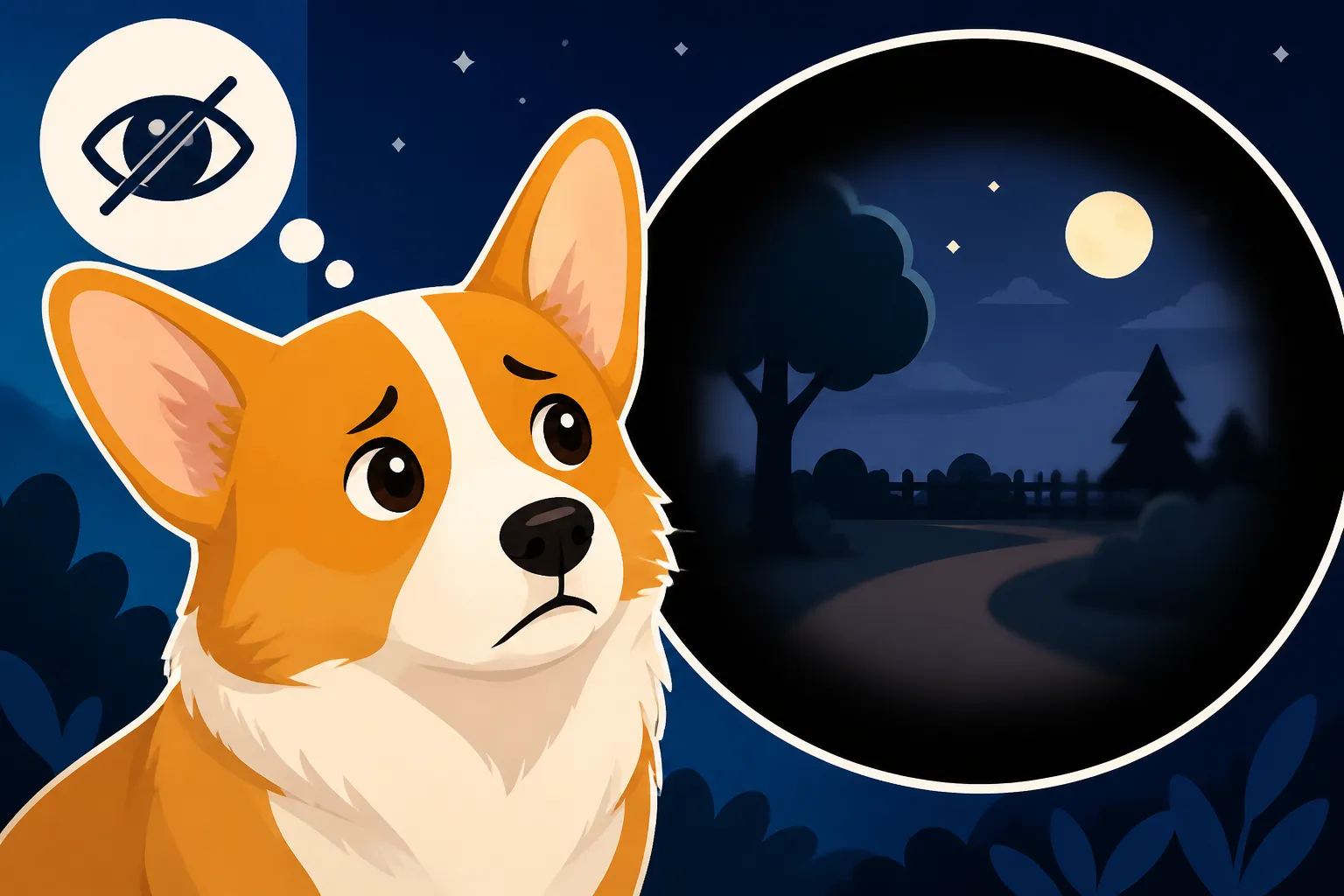
It’s truly disheartening to see your beloved Corgi, usually so full of bounce and confidence, hesitating in dimly lit rooms, bumping into furniture, or just seeming generally disoriented as evening falls. This gradual loss of vision, particularly in low light, can be a terrifying prospect for any pet parent, leaving you wondering what's happening and how you can possibly help your furry friend navigate a world that's becoming increasingly dark. This comprehensive guide aims to shed some light on night blindness in Corgis, helping you understand its causes, recognize the subtle signs, and implement practical strategies to ensure your Corgi continues to live a happy, fulfilling life, even as their sight diminishes.
Understanding Night Blindness in Corgis
Night blindness, medically known as nyctalopia, is often one of the first and most noticeable symptoms of certain progressive eye conditions in dogs, particularly Progressive Retinal Atrophy (PRA). For Corgi owners, especially those with Cardigan Welsh Corgis, this isn't just a vague fear; it's a known genetic predisposition that can tragically rob our spirited companions of their sight. It starts subtle, making dogs hesitant in twilight hours, but eventually, it can lead to complete blindness.
What is Progressive Retinal Atrophy PRA?
Progressive Retinal Atrophy (PRA) isn't a single disease but rather a blanket term for a group of inherited degenerative diseases that affect the retina, the light-sensitive tissue at the back of the eye. Think of the retina like the film in an old camera – it's responsible for capturing images and sending them to the brain. In dogs with PRA, the photoreceptor cells (rods and cones) within the retina, which are crucial for vision, gradually deteriorate. Rods are responsible for vision in low light (think night vision), while cones handle bright light and color vision. Because rods are typically affected first or more severely in many forms of PRA, night blindness is often the initial symptom owners observe.
Imagine walking into a dimly lit room and struggling to make out shapes, bumping into familiar objects. That’s a bit like what your Corgi might experience. Over time, as the cones also begin to degenerate, the dog's daytime vision will also worsen, eventually leading to total blindness. It’s a progressive condition, meaning it gets worse over time, and unfortunately, there is currently no cure.
Specific Forms of PRA Affecting Corgis
While PRA can affect many breeds, specific genetic mutations are often linked to particular breeds. For Cardigan Welsh Corgis, the most well-known form of PRA is caused by a mutation in the rcd3 gene, which specifically affects the rod photoreceptor cells. This form is often referred to as rcd3-PRA. This is why when you hear about Corgi Eye Disease and PRA, it often refers to these breed-specific genetic issues.
Pembroke Welsh Corgis, while less commonly affected by rcd3-PRA, can still be susceptible to other, less common, or undefined forms of PRA. It's not always a clear-cut genetic test for every Corgi, which makes the situation even more complex and frustrating for owners and breeders alike. This distinction between the two Corgi breeds is vital because a genetic test for rcd3-PRA might be negative for a Pembroke exhibiting night blindness, indicating a different, yet-to-be-identified genetic cause.
How Genetics Play a Role in Corgi PRA
The inheritance pattern for most forms of PRA, including rcd3-PRA in Cardigans, is autosomal recessive. What does this mean for us, the Corgi parents? It means a dog must inherit two copies of the mutated gene – one from each parent – to develop the disease. If a Corgi inherits only one copy of the mutated gene and one normal gene, they are considered a "carrier." Carriers typically do not show symptoms of PRA themselves, but they can pass the mutated gene on to their offspring.
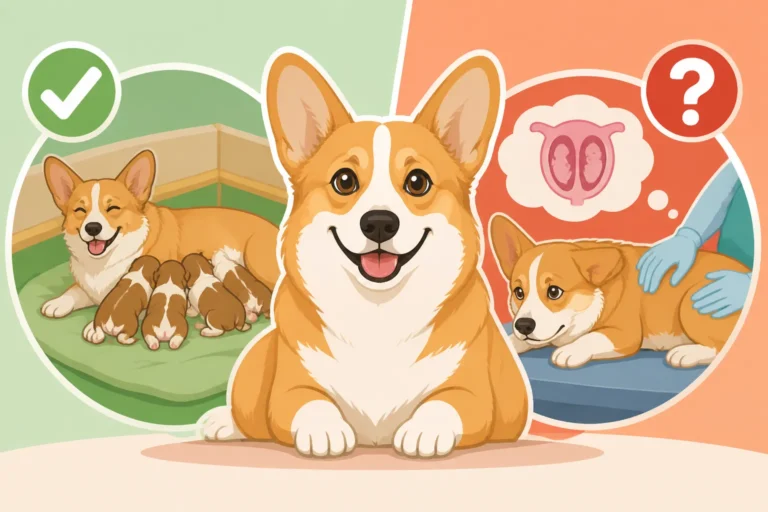
This recessive inheritance pattern is precisely why genetic screening is so incredibly important for responsible Corgi breeding. Without proper testing, two carrier dogs could be bred together, unknowingly producing puppies that will develop PRA. This is why responsible breeders invest in The DNA Tests a Corgi Breeder Should Run to ensure they are not perpetuating these devastating conditions. Understanding this genetic puzzle helps us work towards a future where fewer Corgis have to face this challenge.
Identifying the Early Signs of Night Blindness
Catching night blindness early can make a significant difference in how you manage your Corgi's care and adapt your home environment. Many owners might dismiss the first signs as "just getting older" or clumsiness, but paying close attention to subtle behavioral changes, especially in dim lighting, can be crucial.
Behavioral Changes in Low Light
One of the most telling early signs is a noticeable change in your Corgi's confidence and movement when the light fades. You might notice them hesitating at the top or bottom of stairs they usually navigate with ease, or bumping into furniture that has always been in the same place. Perhaps they become more reluctant to go outside for their last potty break if it’s dark, or they stick closer to your legs than usual when walking in the evening.
Think about common scenarios: your Corgi might struggle to find a dropped toy under the sofa after sunset, or they might seem startled if you approach them unexpectedly in a dimly lit room because they didn't see you coming. They might also start to rely more on their other senses – sniffing the ground more intently, listening more acutely, or relying on familiar routines to navigate. These aren't just quirks; they are often distress signals from a dog trying to cope with a changing world.
Distinguishing Night Blindness from Other Issues
It's easy to jump to conclusions, but distinguishing night blindness from other health problems is vital. For instance, a Corgi might stumble due to an orthopedic issue like a slipped disc or hip dysplasia, not necessarily vision impairment. A Corgi with back pain might be reluctant to climb stairs, which could mimic a visual problem. This is where your veterinarian, particularly a veterinary ophthalmologist, becomes an invaluable partner. They can perform specific eye exams to rule out other conditions such as cataracts, glaucoma, or sudden acquired retinal degeneration syndrome (SARDS), which can also cause vision loss but have different treatments and prognoses.
A thorough eye exam will typically involve checking the retina’s health, testing pupillary light reflexes, and potentially an electroretinogram (ERG), which measures the electrical responses of the retina to light. The ERG is often the definitive diagnostic tool for PRA, as it can detect retinal degeneration even before clinical signs are obvious.
When to Consult a Veterinarian
Don't wait if you suspect night blindness. If you've noticed any consistent changes in your Corgi's behavior in low light, even if they seem minor, it’s time to schedule an appointment with your vet. Describe specific incidents: "Sparky barked at the shadow of a bush last night like it was an intruder," or "He completely missed the step going into the kitchen after dark." These details are incredibly helpful for the vet.
Early diagnosis is key, not because there's a cure for PRA, but because it allows you to prepare and make necessary adjustments for your Corgi's comfort and safety. It also helps your vet guide you on what to expect, how to manage, and if there are any emerging therapies or trials that might be suitable. For certain types of PRA, genetic testing, such as The Corgi PRA Gene Test, can confirm the diagnosis, which is especially important for breeders.
The Progression of Vision Loss
Understanding how night blindness progresses to full vision loss in Corgis can help you anticipate challenges and proactively support your furry friend. It’s not an overnight switch, but a gradual decline that impacts their daily life in increasingly significant ways.
From Night Blindness to Complete Blindness
The journey from initial night blindness to complete vision loss varies depending on the specific form of PRA and the individual Corgi. In cases like rcd3-PRA, which primarily affects rods first, the night blindness is the first stage. Your Corgi will still see perfectly well during the day, which can be confusing for owners. "But he can chase a ball just fine in the park!" you might exclaim, and you’d be right. But as the disease progresses, the cone cells, responsible for daytime and color vision, also begin to deteriorate. This typically leads to a more noticeable decline in vision even in well-lit environments.
This transition period can be particularly challenging. Your Corgi might become disoriented in unfamiliar brightly lit places or struggle with depth perception, making them hesitant to jump off a curb or navigate changing surfaces. Eventually, many Corgis affected by PRA will lose all functional vision. This is why learning How Fast a Corgi Loses Sight to PRA can be helpful for setting expectations, although individual cases always vary.
Adjusting to a Blind World
While the idea of your Corgi going completely blind is heartbreaking, it’s important to remember that dogs are incredibly resilient and adaptable. Unlike humans, who rely heavily on sight, dogs have a heightened sense of smell and hearing that they can lean on to navigate their world. A Corgi that loses its sight gradually often adapts much better than one with sudden vision loss. They learn to map their environment by scent, sound, and memory.
This adaptation process is where your role as their guide becomes paramount. Maintaining consistent furniture placement, using scent cues, and ensuring a safe, predictable environment will be key. You'll be amazed at how well a blind Corgi can still play, go for walks, and enjoy life with the right support. They may get An Old Corgi That Gets Lost in the House sometimes, but with your help, they can reorient themselves.
Emotional Impact on Owners and Pets
The emotional toll of a progressive condition like PRA can be significant for both pet parents and their Corgis. As an owner, you might feel a range of emotions: sadness, frustration, guilt, and even anger. It’s okay to grieve the loss of your Corgi’s sight and the way things used to be. Finding support groups or talking to other owners who have gone through similar experiences can be incredibly validating.
For your Corgi, the early stages might bring anxiety and confusion as their world changes. They might become clingier, more vocal, or even a bit snappy if they are startled. As they adjust, many Corgis regain their confidence, often appearing almost "normal" within their familiar environment. However, some might develop separation anxiety or become more fearful in new situations. Patience, reassurance, and consistent routines are your best tools during this difficult transition. Your calm demeanor will be a beacon for your Corgi.
Living With a Night-Blind Corgi
Adapting your home and routine is crucial for a Corgi experiencing night blindness or total blindness. The goal is to create a safe, predictable, and enriching environment that allows them to thrive despite their visual impairment.
Creating a Safe Home Environment
The first step is to "Corgi-proof" your home, just as you would for a human toddler. This means removing tripping hazards, keeping furniture in consistent locations, and blocking off dangerous areas.
Here are some practical steps:
- Maintain Consistency: This is perhaps the most important rule. Once your furniture is set, keep it that way. Your Corgi will memorize the layout using their other senses.
- Remove Obstacles: Clear pathways of clutter, electrical cords, and anything they might trip over.
- Protect Sharp Edges: Consider padding sharp corners on tables or furniture, especially at Corgi-level.
- Baby Gates: Use baby gates to block off stairs, fireplaces, or rooms that could be dangerous or confusing for your Corgi. Think about how ramps and gates that stop a Corgi using stairs can keep them safe.
- Textural Cues: Place different textured mats or rugs near doorways, stairs, or food bowls to provide sensory markers.
- Scent Markers: Use a consistent scent (like a dab of essential oil, safely diluted) on specific objects or areas to help your Corgi locate them, such as their water bowl or their favorite bed.
Guiding Your Corgi Safely
Learning how to safely guide your night-blind Corgi will become second nature. When walking them, always use a leash and harness. A harness is better than a collar, as it distributes pressure evenly and avoids strain on their neck, which is especially important for a breed prone to back issues. Start by letting them sniff and explore the immediate surroundings on a short leash.
When you approach an obstacle or a change in terrain, give them a verbal cue, like "step up," "step down," or "watch out." Use a clear, calm voice. As they become more accustomed to these cues, they will learn to trust your guidance. Remember, you are their eyes now. For detailed advice, articles like Guiding a Corgi That Has Lost Its Sight offer excellent tips on communicating effectively. When walking outdoors, try to stick to familiar routes where your Corgi already knows the smells and sounds.
Enrichment and Mental Stimulation
Just because your Corgi can't see doesn't mean they can't enjoy life to the fullest. Mental stimulation is incredibly important to prevent boredom and anxiety. Scent games are fantastic for blind dogs. Hide treats around the house and encourage them to "find it." Snuffle mats and puzzle feeders, like those from popular brands such as KONG or Outward Hound, are excellent for engaging their sense of smell.
Auditory toys, such as balls with bells inside, can make playtime fun again. Consider setting up a safe, fenced yard where they can explore freely, always supervised. Continue with short, consistent walks, letting them enjoy the smells and sounds of the neighborhood. The world might look different to them, but it’s still full of interesting sensory experiences waiting to be discovered.
Here's a quick overview of home adaptations:
| Adaptation Category | Specific Actions | Benefit |
|---|---|---|
| Safety | Consistent furniture placement | Builds a mental map for navigation, reduces anxiety and collisions. |
| Remove clutter and tripping hazards | Prevents falls and injuries, especially in low light. | |
| Pad sharp edges of furniture | Protects against accidental bumps and scrapes. | |
| Use baby gates for stairs/dangerous areas | Prevents dangerous falls and restricts access to unsafe zones. | |
| Navigation | Different textured mats/rugs at key points | Provides sensory cues for boundaries (e.g., stairs, doors, food bowls). |
| Apply unique, safe scents to important objects | Helps Corgi locate items like water bowls or beds using smell. | |
| Verbal cues (e.g., "step," "stop," "careful") | Teaches Corgi to anticipate and react to environmental changes. | |
| Enrichment | Scent work games (e.g., hidden treats, snuffle mats) | Engages and stimulates the powerful sense of smell, preventing boredom. |
| Auditory toys (e.g., bell balls) | Allows for continued playtime and interaction despite vision loss. | |
| Consistent routines (feeding, walks, potty breaks) | Provides predictability and reduces stress in a world that can feel unpredictable. |
Genetic Testing and Breeding Considerations
For those passionate about the future of the breed, understanding genetic testing and its implications for breeding is paramount. It’s how we collectively work to reduce the incidence of debilitating inherited diseases like PRA.
The Importance of Genetic Screening for Breeders
Responsible Corgi breeders are on the front lines of canine health. They understand that The DNA Tests a Corgi Breeder Should Run are not just an option, but a vital responsibility. Genetic screening for PRA, specifically for the rcd3 mutation in Cardigan Welsh Corgis, allows breeders to identify carriers and affected dogs before they are bred. This is critical because, as we discussed, two carrier parents can produce affected puppies.
By knowing the genetic status of their breeding stock, breeders can make informed decisions. For example, a carrier dog can still be bred, but only to a dog that has tested "clear" (meaning they don't carry the mutated gene). This ensures that no puppies produced will be affected by PRA, though some may still be carriers. This systematic approach is the only way to slowly, but surely, reduce the prevalence of PRA in the Corgi population. It’s a commitment to the long-term health of the breed, prioritizing welfare over convenience.
Interpreting PRA Test Results
When a Corgi undergoes a PRA gene test, the results typically come back as one of three categories:
- Clear (or Normal): The dog has two normal copies of the gene and will not develop PRA (from that specific mutation) and cannot pass the mutated gene to offspring.
- Carrier (or Affected Heterozygous): The dog has one normal copy and one mutated copy of the gene. This dog will not develop PRA but can pass the mutated gene to 50% of its offspring.
- Affected (or Affected Homozygous): The dog has two mutated copies of the gene. This dog will develop PRA and will pass the mutated gene to 100% of its offspring.
Understanding these results, which you can learn more about by Reading a Corgi SOD1 Test Result (though specific to DM, the principle of interpreting carrier/affected is similar), is crucial for making ethical breeding choices. Reputable breeders will always be transparent about their dogs' genetic test results and will be happy to discuss them with prospective puppy buyers.
Preventing Future Generations from Being Affected
The ultimate goal of genetic testing is to prevent future generations of Corgis from suffering from PRA. This involves a multi-pronged approach:
- Test all breeding stock: Every Corgi intended for breeding should be tested for known PRA mutations specific to their breed.
- Educate potential buyers: Prospective puppy buyers should always ask to see genetic test results for the parents. If a breeder isn't testing or can't provide results, it's a red flag.
- Strategic breeding: Never breed two carriers together. Breed carriers only to clear dogs. Affected dogs should not be bred.
- Open communication: Breeders should be part of the wider Corgi community, sharing information and working with breed clubs and veterinary geneticists to stay updated on new research and testing protocols.
- Annual Eye Exams: Beyond genetic testing, it's still good practice for breeding dogs to have annual eye exams by a board-certified veterinary ophthalmologist through programs like those run by the OFA (Orthopedic Foundation for Animals) or CERF (Canine Eye Registration Foundation). This can help detect other ocular conditions not covered by specific genetic tests, answering the question of Whether Corgi Eyes Are Checked Before Breeding.
Management and Support for Your Corgi
While there's no cure for PRA, there's a great deal you can do to manage the condition and provide your Corgi with the best possible quality of life. From routine care to proactive planning, your support makes all the difference.
Routine Vet Care and Monitoring
Even without a cure, regular veterinary check-ups are essential. Your vet will monitor your Corgi's overall health, which is particularly important as other health concerns can compound the challenges of vision loss. They can assess eye health, watch for secondary complications (like cataracts, which can sometimes occur alongside PRA but might be surgically treatable), and discuss any behavioral changes you've noticed.
Moreover, your vet can recommend specialists, such as veterinary ophthalmologists or physical therapists, if needed. They can also discuss potential supplements, although it's important to be realistic about their efficacy for PRA itself. Some supplements like antioxidants or omega-3 fatty acids are sometimes suggested for general eye health, but they won't halt the progression of retinal degeneration. Always consult your vet before starting any supplements. It's also wise to consider pet insurance, like Healthy Paws, early in your Corgi's life, as it can help cover the costs of diagnostics and ongoing specialist care if vision issues or other health problems arise unexpectedly.
Nutritional Considerations
While diet can't prevent or cure PRA, good nutrition is fundamental to your Corgi's overall health and well-being. Ensuring they maintain a healthy weight is especially crucial for Corgis, given their predisposition to back problems. An overweight Corgi will put extra strain on their spine, which can exacerbate any mobility challenges that arise from poor vision.
Feed a high-quality, balanced diet appropriate for their age and activity level. If your Corgi becomes less active due to vision loss, you might need to adjust their caloric intake to prevent weight gain. Your vet can provide specific recommendations for food portions or even suggest a therapeutic diet if weight management becomes a struggle. Just like a human, a healthy diet provides the best foundation for coping with any health challenge.
Emotional and Social Well-being
A Corgi losing its sight needs continued emotional and social support. Don't isolate them. Continue to interact with them through touch, voice, and smell. Talk to them often, letting them know where you are and what you're doing. Maintain daily routines for feeding, walks, and playtime, as predictability creates security.
Socialization, perhaps with trusted, calm dogs, can still be beneficial, but always in a controlled environment. Supervise interactions closely to ensure your Corgi doesn't get overwhelmed or hurt. Some Corgis might become more withdrawn or anxious, while others adapt remarkably well and continue to be their cheerful, sassy selves. Your unwavering love, patience, and commitment to their well-being will be the most powerful tools in helping your night-blind Corgi navigate their changing world with confidence and joy. When facing unexpected health issues, having support from pet insurance providers like Healthy Paws can also offer peace of mind, allowing you to focus on your Corgi's care rather than the financial strain.
Disclaimer
Please remember that the information provided in this guide is for general educational purposes only and should not be considered a substitute for professional veterinary advice. If you suspect your Corgi is experiencing night blindness or any other health issue, always consult with a qualified veterinarian or a board-certified veterinary ophthalmologist for an accurate diagnosis and personalized treatment plan.