Whether a Corgi Was Ever a Drover’s Dog
There's a common image of the Corgi today: a fluffy, low-riding companion often seen trotting beside royalty or charming us with their playful antics on social media. But beneath that adorable exterior lies a deep, rich history tied to hard work and open fields. Many Corgi owners and admirers wonder if these tenacious little dogs truly served as drovers, moving livestock across vast distances. This guide will explore the undeniable past of the Corgi as a working drover's dog, detailing their crucial role and how their instincts remain ingrained in their character today.
The Corgi's Ancient Roots as a Working Dog
Before they became beloved household pets, Corgis were integral members of farming communities, particularly in Wales. They weren't just farm dogs in the general sense; they had a very specific and demanding job, one that shaped their very being and the traits we see in them today.
Origins as Farm Hands
Imagine the rugged Welsh countryside centuries ago – small farms scattered across rolling hills, often without proper fences or enclosures. Farmers needed agile, intelligent dogs that could manage various types of livestock, from cattle to sheep, often single-handedly. This is where the ancestors of our modern Corgis, both Pembrokes and Cardigans, truly shone. They were bred for utility, not just looks, designed to be efficient and tireless workers. Their robust build, keen intelligence, and fearless nature made them indispensable. These dogs weren't pampered; they earned their keep, often working from dawn till dusk, proving their worth every single day.
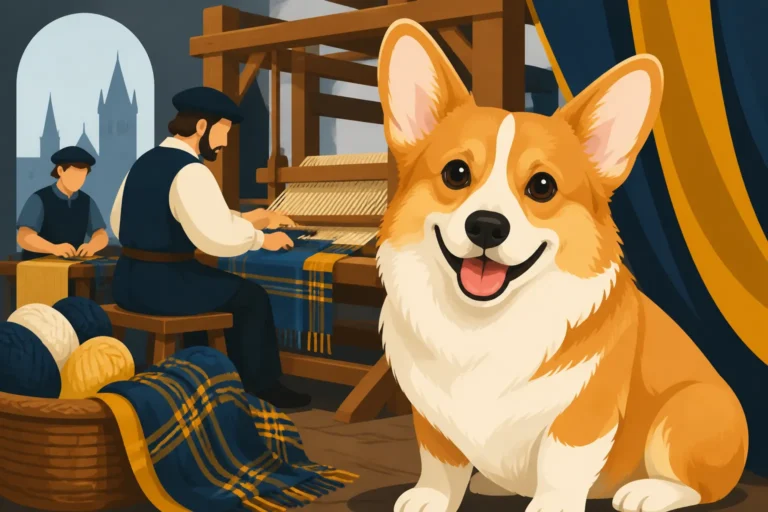
Their origins are deep and complex. The Cardigan Welsh Corgi, for instance, is thought to be one of the oldest dog breeds in Britain, tracing its lineage back over a thousand years to the Teckel family of dogs, the same ancient line that gave us Dachshunds. Pembrokes, while sharing a common geographical origin, have a slightly different ancestry, often linked to Spitz-type dogs brought by Flemish weavers. Regardless of the slight variations in their specific lineage, both breeds were meticulously developed for the challenging demands of Welsh farm life. They were the ultimate all-rounder, capable of herding, guarding, and even vermin control, demonstrating a versatility that speaks volumes about their inherent intelligence and drive.
The Droving Routes and Corgis
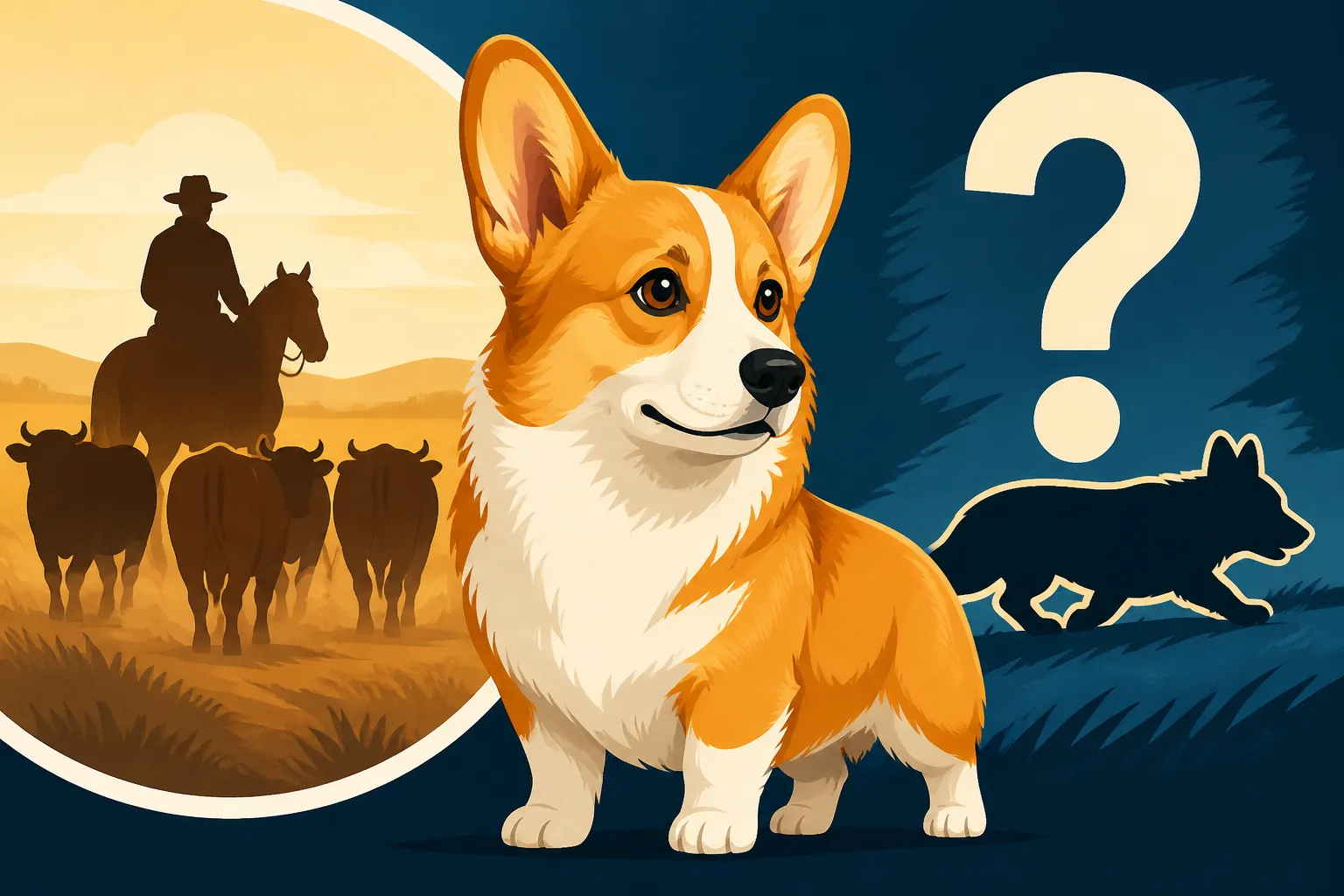
The term "drover's dog" isn't just a poetic description; it signifies a very real, very demanding occupation. In times before widespread rail or truck transport, livestock had to be moved on foot, often for hundreds of miles, from rural farms to markets in distant towns and cities. These were the "droving routes," long, arduous journeys that required incredible endurance, intelligence, and grit from both the drovers and their canine companions. Corgis were perfectly suited for this role. Their low stature was a huge advantage; they could duck and weave under the kicking hooves of cattle and sheep without getting injured. They were nimble enough to get around the animals quickly and persistent enough to keep them moving.
A drover might be responsible for a herd of dozens, sometimes even hundreds, of animals. Without their Corgis, managing such a large, often unruly, group would have been impossible. The dogs acted as extensions of the drover, darting to the flanks to keep stragglers in line, heading off breakaways, and nudging reluctant animals forward. It wasn't just about moving the herd; it was about protecting them from predators, guiding them safely through varied terrain, and ensuring they arrived at market in good condition. The Corgis were the silent partners, communicating with their eyes and bodies, often with an intensity that only a truly dedicated working dog possesses. This intense focus and drive is part of The Cattle-Driving Nip a Corgi Still Has.
Life on the Road with a Corgi
Life for a drover's Corgi was anything but easy. They faced all manner of challenges: harsh weather, dangerous roads, long days, and the constant threat of injury from a wayward hoof or a predatory animal. These dogs developed an incredible resilience and an almost uncanny ability to read livestock and anticipate their movements. They learned to work independently but also in perfect concert with their human partners. Their short legs, far from being a disadvantage, allowed them to maintain a low profile, making them less visible and less of a target for angry cattle, yet giving them the leverage to effectively move large animals.
The bond between a drover and their Corgi was deep, born of shared hardship and mutual reliance. The dog wasn't just a tool; it was a loyal companion, a protector, and a tireless worker whose presence meant the difference between a successful journey and disaster. They were fed simply, often scraps, and slept wherever they could, likely curled up beside their drover for warmth and security. This history of resilience and unwavering loyalty is a hallmark of the breed even today, a testament to the demanding lives their ancestors led.
Anatomy and Instincts Tailored for Droving
When you look at a Corgi, their unique physical characteristics and innate behaviors aren't just charming quirks; they are direct adaptations to their historical role as a drover's dog. Every aspect, from their low rider stance to their sharp intelligence, was honed for the demanding task of moving livestock.
Low to the Ground Advantage
One of the most defining features of a Corgi is their long body and short legs, giving them that characteristic low-slung profile. This isn't just for show; it's a critical adaptation for a dog whose job involved herding large, potentially dangerous animals like cattle. Imagine a cattle beast, weighing many hundreds of pounds, capable of delivering a devastating kick. A tall dog would be at much greater risk. The Corgi's height, or lack thereof, meant they could dart in and out, nipping at the heels of cattle to get them moving, all while staying safely below the animal's strike zone. This strategic advantage allowed them to exert control over much larger animals without suffering serious injury.
This unique build also gives them a low center of gravity, which contributes to their surprising agility and speed. They can weave through a herd with incredible dexterity, turning on a dime, making them highly effective at their job. When we discuss Why a Corgi's Back Is Built the Way It Is, it's crucial to understand that this structure was a functional design, a key to their success in the fields. It allowed them to be efficient and relatively safe herders, a testament to centuries of breeding for purpose.
The Herding Nipping Style
Corgis are known for their distinct herding style: they are "heelers." Unlike some other herding breeds that gather and move stock from the front or sides, Corgis primarily work by nipping at the heels of the livestock. This isn't aggressive biting meant to harm, but rather a sharp, insistent nip designed to get a stubborn cow or sheep to move forward. This instinct is incredibly strong in Corgis, even those who have never seen a farm animal. Owners often report their Corgis attempting to herd children, other pets, or even their owners by nudging or playfully nipping at ankles.
This heel-nipping trait is directly linked to their droving past. On the open road, when animals needed to keep moving, a gentle nudge might not be enough. A quick, firm nip to the heel was a highly effective way to motivate the herd without causing lasting injury. It required immense bravery and confidence for a small dog to approach a powerful animal from behind, execute the nip, and then swiftly retreat. This bold, no-nonsense approach to herding is a key part of the Corgi's identity and a clear indicator of their working heritage. It's why Where the Corgi Heel Nip Comes From is such an important topic for new owners.
Unwavering Determination
One trait that truly defined the drover's Corgi was their sheer, unwavering determination. Moving livestock for miles, day after day, in all kinds of weather, is not a job for the faint of heart. It requires immense stamina, mental fortitude, and a refusal to give up. Corgis possess this stubborn, tenacious spirit in spades. If a Corgi sets its mind to something, whether it's moving a cow or getting that last crumb of kibble, they will often see it through. This determination, sometimes perceived as stubbornness in a pet Corgi, was an essential quality for their ancestors.
This same persistence translates into their intelligence and trainability, though sometimes it feels like they're just training us! They are quick learners and eager to please those they respect, but they also have a strong independent streak, a necessity when working far from their drover. They often had to make split-second decisions to control the herd, and that independence is still very much a part of their charm today. They're not just biddable followers; they are thinkers, problem-solvers, and dogs with a strong sense of purpose, even if that purpose nowadays is mostly to guard the sofa from rogue dust bunnies.
The Decline of the Drover's Dog Era
As society and technology evolved, the role of the traditional drover and their trusty Corgis began to change. The romantic image of dog and human guiding herds across the countryside eventually faded, replaced by more modern methods of transport and agriculture.
Changes in Agriculture
The agricultural landscape underwent significant transformation over the centuries. As farming practices modernized, farms became more localized, and the need for long-distance droving diminished. Fences became more common, and properties were better managed, reducing the distances animals needed to travel on foot. The enclosure movement, in particular, fundamentally changed land use and agricultural practices, leading to less open common land for grazing and droving. Farmers began to keep smaller, more contained herds, or they specialized in crops rather than extensive livestock rearing.
With these shifts, the specific skillset of a drover's Corgi became less critical on many farms. While Corgis still proved useful for general farm work, helping to move animals between pastures or into milking sheds, the epic journeys of old largely ceased. Their inherent herding drive remained, but the context in which it was applied narrowed considerably. This meant Corgis had to adapt, and they did, becoming invaluable assets in new ways, even as the historical need for long-distance droving waned.
The Rise of Rail and Road Transport
Perhaps the biggest factor in the decline of the drover's dog was the advent and expansion of modern transportation. The industrial revolution brought about railways, which could transport livestock much faster and more efficiently than any drover and dog team. Later, the development of motorized vehicles and road networks further cemented this change. Trucks could carry large numbers of animals directly from farm to market or processing plant, bypassing the need for arduous overland treks. This wasn't just about speed; it was also about reducing stress on the animals, minimizing weight loss during the journey, and protecting them from disease and injury on the roads.
The shift was gradual but inexorable. As infrastructure improved, the economic incentives for droving simply evaporated. While it must have been a bittersweet transition for the drovers who had spent their lives on the road with their canine partners, it was an inevitable progression of technology. The Corgi's job, as it had been for centuries, was effectively made redundant by the march of progress. This is why What a Welsh Corgi Did on a Farm All Day eventually became a question of historical interest rather than current practice.
Corgis Transition to Family Companions
With their traditional role diminishing, Corgis began a new chapter: transitioning from dedicated working dogs to beloved family companions. Their intelligence, loyalty, compact size, and charming personalities made them highly adaptable to life in a domestic setting. Farmers, no longer needing them for droving, found their Corgis still made wonderful, spirited pets. Their watchful nature meant they were excellent alarm bells for the household, and their playful demeanor brought joy.
This transition was significantly boosted by royal patronage, with the British Royal Family adopting Corgis and bringing them into the public eye. Suddenly, these sturdy little farm dogs were seen gracing palaces and accompanying queens, skyrocketing their popularity worldwide. While their physical appearance and core instincts remained, the application of those traits shifted. Instead of herding cattle, they were now herding children, chasing balls in the backyard, or simply demanding attention with their characteristic "Corgi talk." This era of transition proved the Corgi's remarkable adaptability, showcasing their ability to thrive in vastly different environments, from rugged Welsh fields to comfortable suburban homes.
Modern Corgis and Their Enduring Herding Instincts
Even generations removed from the droving trails, the Corgi's heritage as a working dog is unmistakable. Those deeply ingrained herding instincts, passed down through countless generations, still bubble just beneath the surface, shaping their behavior and personality in fascinating ways.
Herding at Home
If you live with a Corgi, you've likely witnessed their herding instincts in action, even without a flock of sheep or herd of cattle in sight. They might try to "herd" your children by gently nudging them or nipping at their ankles when they run, attempting to keep them in one group. Some Corgis will try to direct other pets, whether it's a cat, another dog, or even you, from one room to another. This isn't aggression; it's their innate drive to gather and control movement, a remnant of their drover days. They often try to keep their "flock" (which is usually their family) together and safe.
This behavior can be endearing, amusing, and sometimes, a little challenging. It’s important to understand why your Corgi is doing this – it’s not misbehavior, but rather the expression of a deeply embedded instinct. Recognizing this helps us to respond with patience and appropriate training, rather than frustration. Providing outlets for these instincts, even in a domestic setting, can lead to a happier, more fulfilled Corgi. For example, some Corgis love to round up toys or enjoy games that simulate herding, like pushing a large exercise ball.
Training and Channeling Instincts
Given their strong herding drive and inherent intelligence, Corgis thrive on having a "job" to do, even if it's not the traditional one. Channeling their instincts through training and activities is key to having a well-adjusted Corgi. Positive reinforcement methods work wonders with these clever dogs. They respond well to consistent, clear commands and thrive on mental stimulation. Without an appropriate outlet, a Corgi might invent their own "jobs," which could manifest as excessive barking, destructive chewing, or persistent nipping.
Consider enrolling your Corgi in obedience classes or even exploring dog sports like agility, scent work, or indeed, actual herding trials if available. While agility needs careful consideration due to Whether Agility Is Safe for a Corgi's Spine, many Corgis excel in these activities, which provide both physical exercise and mental engagement. Products from a place like Chewy can help with this, offering a wide array of puzzle toys, training treats, and durable chew items to keep their sharp minds and busy mouths occupied. Engaging their minds with tasks, even simple ones like learning new tricks or solving a treat puzzle, helps satisfy that ancient drive to work and problem-solve.
Keeping the Spirit Alive
For many Corgi owners, honoring their dog's heritage means appreciating and fostering their innate characteristics. While most Corgis will never see a sheep farm, their core traits – loyalty, intelligence, determination, and that unmistakable zest for life – are direct links to their drover ancestors. Understanding this history helps us appreciate why they do what they do, from their vocal "conversations" to their attempts to organize the household.
Breed clubs and enthusiasts work hard to preserve the Corgi's heritage, not just through responsible breeding but also through encouraging participation in activities that highlight their natural abilities. Many Corgis still compete in herding tests and trials, proving that the instinct is very much alive and well. Even if your Corgi's biggest job is keeping your feet warm, knowing that they carry the spirit of those tough, resilient drover's dogs adds a wonderful layer of appreciation to their companionship. By providing them with structure, mental engagement, and plenty of love, we can ensure the legacy of the Corgi, the ultimate drover's dog, continues to thrive. A well-placed orthopedic bed from Chewy, for instance, can help ensure their short legs and long backs are well-rested after a long day of "herding" the family.
Here's a quick comparison of the Corgi's historical and modern roles:
| Aspect | Historical Role (Drover's Dog) | Modern Role (Companion Animal) |
|---|---|---|
| Primary Function | Herding & moving livestock long distances | Companionship, family "herder" |
| Working Environment | Open fields, rugged trails, farms | Homes, yards, parks, urban environments |
| Key Instincts Used | Heel-nipping, gathering, guarding, endurance | Playful nipping, organizing family, vocal "alerting" |
| Physical Demands | High stamina, resilience, exposure to elements | Regular walks, playtime, mental exercises |
| Dietary Needs | Often scraps, simple, whatever was available | Carefully measured, high-quality kibble (e.g., from Chewy), treats |
| Training Focus | Livestock control, immediate obedience | Socialization, house manners, dog sports, trick training |
Ultimately, while the cattle-driving Corgi is a part of history, the spirit of the drover lives on in every Corgi today. They are not just cute; they are a testament to a rich working heritage, a legacy that continues to make them uniquely charming and wonderfully challenging companions.
Disclaimer
This article is for general informational purposes only and does not constitute professional advice. Laws, prices and regulations vary by location and change over time. Consult a qualified professional for guidance on your specific situation.