When the Two Corgi Breeds Were Shown Together
It can be incredibly confusing for new Corgi enthusiasts to learn that the Pembroke Welsh Corgi and the Cardigan Welsh Corgi, though both adorable, short-legged herders, are actually considered two distinct breeds. What often adds to this bewilderment is the lesser-known historical fact that for a period, these two breeds were actually exhibited and judged together in the show ring. This guide will delve into that fascinating chapter of Corgi history, exploring when and why these two unique breeds, despite their separate origins, were once treated as one.
The Shared Welsh Roots and Early Recognition
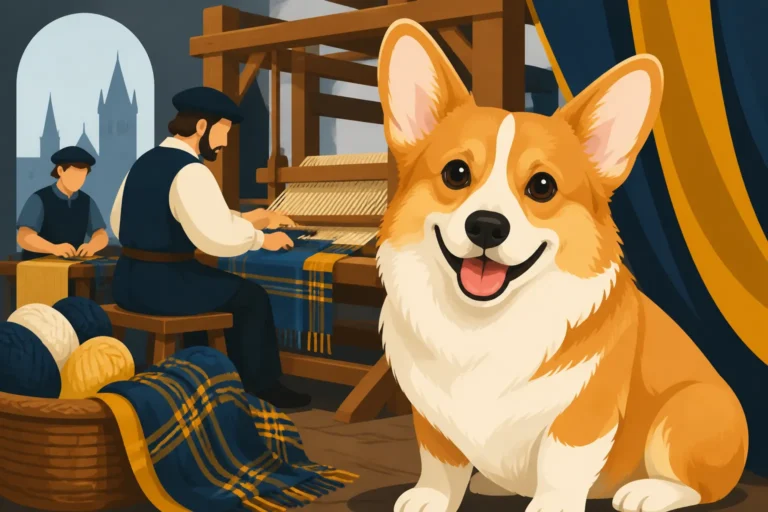
Before the formal split and even before they were widely recognized as distinct entities, both the Pembroke and Cardigan Welsh Corgis shared a similar life on the farms of Wales. They were indispensable working dogs, bred to drive cattle by nipping at their heels and dodging kicks, all while being low enough to avoid injury. This shared vocation and general appearance led to a blurred line between the two, particularly for those outside their specific regions of origin.
The Working Dog Identity
Imagine a typical Welsh farm many decades ago. You’d see a bustling scene, with livestock needing to be moved and managed daily. These clever, stout little dogs were perfectly suited for the job. Their short stature wasn't just a cute quirk; it was a functional advantage, allowing them to dart under the hooves of cattle and sheep. While the Cardigan hailed from Cardiganshire and the Pembroke from Pembrokeshire, both regions valued similar traits: intelligence, tenacity, a sturdy build, and an unwavering work ethic. For many, a "Corgi" was simply a small Welsh herding dog, and the subtle differences in ear shape or tail length weren't as significant as their ability to get the job done. This practical, working dog identity overshadowed any calls for strict breed separation for a long time. You can learn more about The Cattle Dog Behind the Corgi in our other articles.
Early Show Ring Confusion
As dog shows gained popularity in the early 20th century, the process of formalizing and standardizing breeds began. However, the distinct origins of the Pembroke and Cardigan weren't always immediately obvious to the broader dog world. They were both "Welsh Corgis," and initially, rather than recognizing them as separate, they were often grouped under a single classification. This meant that a Cardigan, with its long, sweeping tail and rounded ears, might be competing against a naturally bob-tailed or docked Pembroke with more pointed ears. Judges had the unenviable task of evaluating dogs that, while sharing a general body type, possessed clear divergences in features that would typically define a breed standard. It must have made for some interesting, if not confusing, judging decisions!
The Era of Joint Exhibition: 1920s to Early 1930s
The period where the two Corgi breeds were formally exhibited together largely spanned the 1920s up until the early 1930s. This was a time of burgeoning interest in purebred dogs, and kennel clubs were still in the process of refining their understanding and classification of many breeds, especially regional working dogs like the Corgi.
A Single "Welsh Corgi" Standard
When the Kennel Club (in the UK) first recognized the Welsh Corgi as a distinct breed in 1925, it didn't differentiate between the Pembroke and the Cardigan. Instead, a single, somewhat broad standard was applied to both. This effectively forced breeders and fanciers to show their dogs under one umbrella, regardless of their dog's lineage or unique physical markers. For a judge, this meant trying to apply a single set of criteria to dogs that had naturally evolved with different characteristics. Imagine trying to judge a Golden Retriever and a Labrador Retriever using the exact same standard – it simply doesn't quite fit, does it? The intention was to celebrate the "Welsh Corgi" as a type, but it quickly became apparent that this unified approach was doing a disservice to the individuality of each Corgi line.
The Challenges for Breeders and Judges
For breeders of both Pembrokes and Cardigans, this joint exhibition presented significant challenges. How could one strive for perfection in their specific line when the standard had to accommodate another, different line? A Cardigan breeder might prioritize a long, brush tail, while a Pembroke breeder might be focused on the distinct "fox-like" head often seen in their dogs. These preferences were often at odds with a single, overarching standard. Judges, too, faced a dilemma. They had to weigh characteristics that were considered desirable in one type but might be less so, or even a fault, in the other. This led to a lot of debate and, frankly, a lot of frustration within the Corgi community, as enthusiasts for each distinct type felt their specific breed wasn't being properly represented or appreciated. It was a clear indication that a unified approach wasn't sustainable for long-term breed health and development.
The Push for Separation and Distinct Recognition
The growing recognition of the inherent differences between the Pembroke and Cardigan, coupled with the practical difficulties in the show ring, eventually led to a strong movement for their separation. Dedicated fanciers understood that to truly preserve and promote each unique breed, they needed their own distinct standards and recognition.
Identifying Key Distinctions
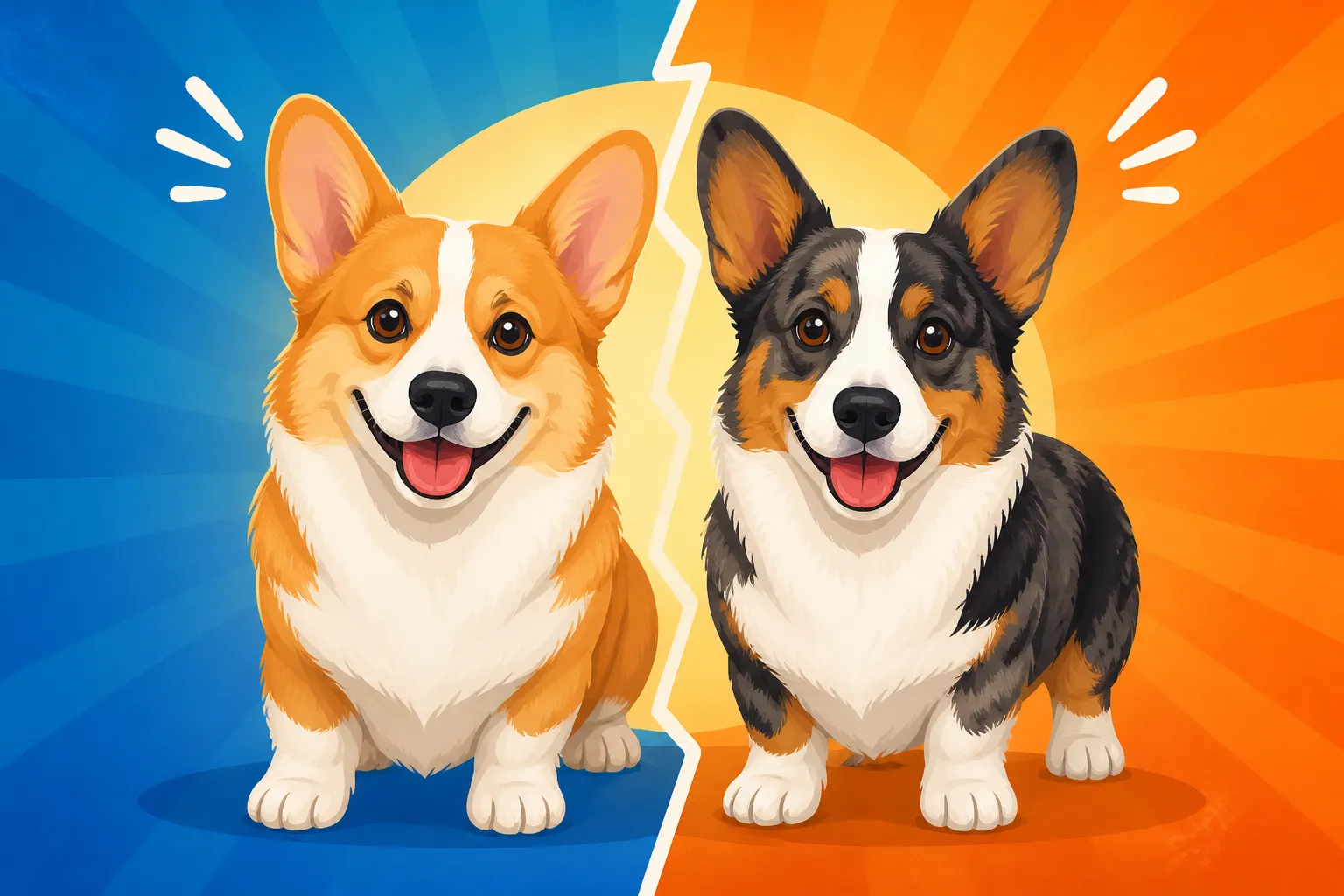
Even when shown together, keen observers and dedicated breeders recognized the subtle yet significant differences. The Cardigan, often considered the older of the two, typically had a longer body, larger, more rounded ears, and a long, fox-like tail that reached the ground. Its head was often described as more broad and rounded. The Pembroke, on the other hand, was generally lighter, had more pointed ears, and was known for its naturally bobbed or docked tail (a practice that has changed in many regions over time). Their heads were often finer, more "foxy." These weren't just cosmetic differences; they hinted at slightly different lineages and, perhaps, even slightly different temperaments. Understanding Why the Two Corgi Breeds Were Kept Apart became crucial for the future of both. When shopping for specific supplies, whether for a Cardigan or Pembroke, knowing these differences helps in selecting the right size harness or a suitable bed, and Chewy offers a wide range of options tailored to different dog needs.
| Feature | Cardigan Welsh Corgi (when shown together) | Pembroke Welsh Corgi (when shown together) | Distinct Differences (Recognized later) |
|---|---|---|---|
| Origin | Cardiganshire, Wales (older lineage) | Pembrokeshire, Wales (slightly newer) | Completely separate lineages, despite shared region. |
| Body Shape | Generally longer in body, heavier bone. | Slightly shorter in body, lighter bone. | Cardigan often seen as more substantial. |
| Ears | Larger, more rounded at the tip. | Smaller, more pointed and upright. | Distinct difference in size and shape. |
| Tail | Always a long, brush-like tail carried low. | Historically docked or naturally bobbed. | The most visually striking difference for identification. |
| Head Shape | Broader skull, often described as more "domed." | More fox-like, often finer muzzle. | Subtle, but discernible to the trained eye. |
| Color Varieties | Wider range, including blue merle (though not always seen when shown together) | More restricted, typically red, sable, fawn, black and tan (no blue merle). | Blue merle is a hallmark of the Cardigan. |
The Official Split of 1934
The culmination of these discussions and the fervent efforts of dedicated breed enthusiasts led to a pivotal moment in Corgi history: the official split. In 1934, the British Kennel Club formally recognized the Pembroke Welsh Corgi and the Cardigan Welsh Corgi as two entirely separate breeds. This was a monumental decision, ending the era of joint exhibition and allowing each breed to develop and thrive under its own distinct standard. It allowed breeders to focus on the characteristics unique to their chosen Corgi, refining lines without the constraint of a universal, ill-fitting standard. This separation was celebrated by those who truly understood The Year the Kennel Club Split the Corgi Breeds.
Life After the Split: Preserving Two Unique Breeds
The separation of the Pembroke and Cardigan Welsh Corgis was a critical step in preserving the distinct qualities of each breed. It allowed for focused breeding programs and judging criteria that truly honored their individual histories and physical traits.
Developing Independent Breed Standards
Once officially separated, both the Pembroke Welsh Corgi Club and the Cardigan Welsh Corgi Club could work diligently on crafting and refining their own breed standards. These documents meticulously describe the ideal characteristics for each breed, from head shape and ear set to body proportions, coat color, and temperament. This meant that judges now had clear, unambiguous guidelines when evaluating each Corgi type. No longer did a Cardigan with its majestic tail need to be faulted for not having a bobtail, nor a Pembroke for its lack of a blue merle coat. This clarity was vital for the healthy development and conformation of both breeds moving forward, ensuring that their unique heritage was upheld. It's truly fascinating to compare the descriptions of The AKC Pembroke Welsh Corgi Standard with that of the Cardigan.
Impact on Breeding and Popularity
The split had a profound impact on breeding practices. Breeders could now specialize, focusing on either Cardigans or Pembrokes, and work towards perfecting the lines specific to their breed. This also meant that genetic health concerns, which might be specific to one breed, could be addressed more directly without confusing them with the other. For instance, the specific issues that might affect a Cardigan's long tail, or the predispositions of a Pembroke due to its shorter body and different genetic makeup, could be monitored and managed with greater precision. While both breeds experienced fluctuations in popularity, the Pembroke eventually gained more widespread recognition, partly due to its association with the British Royal Family. However, the Cardigan has always maintained a devoted following, appreciated for its slightly more substantial build and unique appearance. You can often find specialized supplies for either breed, from grooming tools to specific diets, on platforms like Chewy, helping owners cater to their dog's individual needs.
Distinguishing Between the Breeds Today
Even after decades of separate recognition, it's not uncommon for people to confuse the two Corgi breeds. However, once you know what to look for, the differences are quite apparent. The tail is often the most immediate giveaway: a Cardigan will always have a long, flowing tail, while Pembrokes usually have a naturally short tail or one that was historically docked. Their ears also offer a clue; Cardigans tend to have larger, more rounded ears, while Pembrokes' ears are more pointed and fox-like. Physically, Cardigans are often described as being a bit larger and heavier-boned than Pembrokes. When considering which Corgi is right for you, understanding these distinctions is key. Knowing Telling a Pembroke From a Cardigan on Sight can help you appreciate the nuances that were once overlooked in the show ring. For any Corgi owner, ensuring proper nutrition is vital, and Chewy offers a diverse range of dog food options, allowing you to choose one that supports their specific breed characteristics and activity levels.
Conclusion: A Tale of Two Breeds
The story of when the two Corgi breeds were shown together is a testament to the evolving understanding of canine breeds and the dedicated efforts of fanciers to preserve the distinct heritage of each. What began as a somewhat muddled, unified approach eventually gave way to separate recognition, acknowledging the unique history, physical characteristics, and even subtle temperamental differences that set the Pembroke and Cardigan Welsh Corgis apart. This separation wasn't a division but a clarification, allowing both beloved breeds to flourish and capture the hearts of countless owners around the world, each in their own special way.
Disclaimer
This article is for general informational purposes only and does not constitute professional advice. Laws, prices and regulations vary by location and change over time. Consult a qualified professional for guidance on your specific situation.