Whether Corgis Ever Herded Sheep
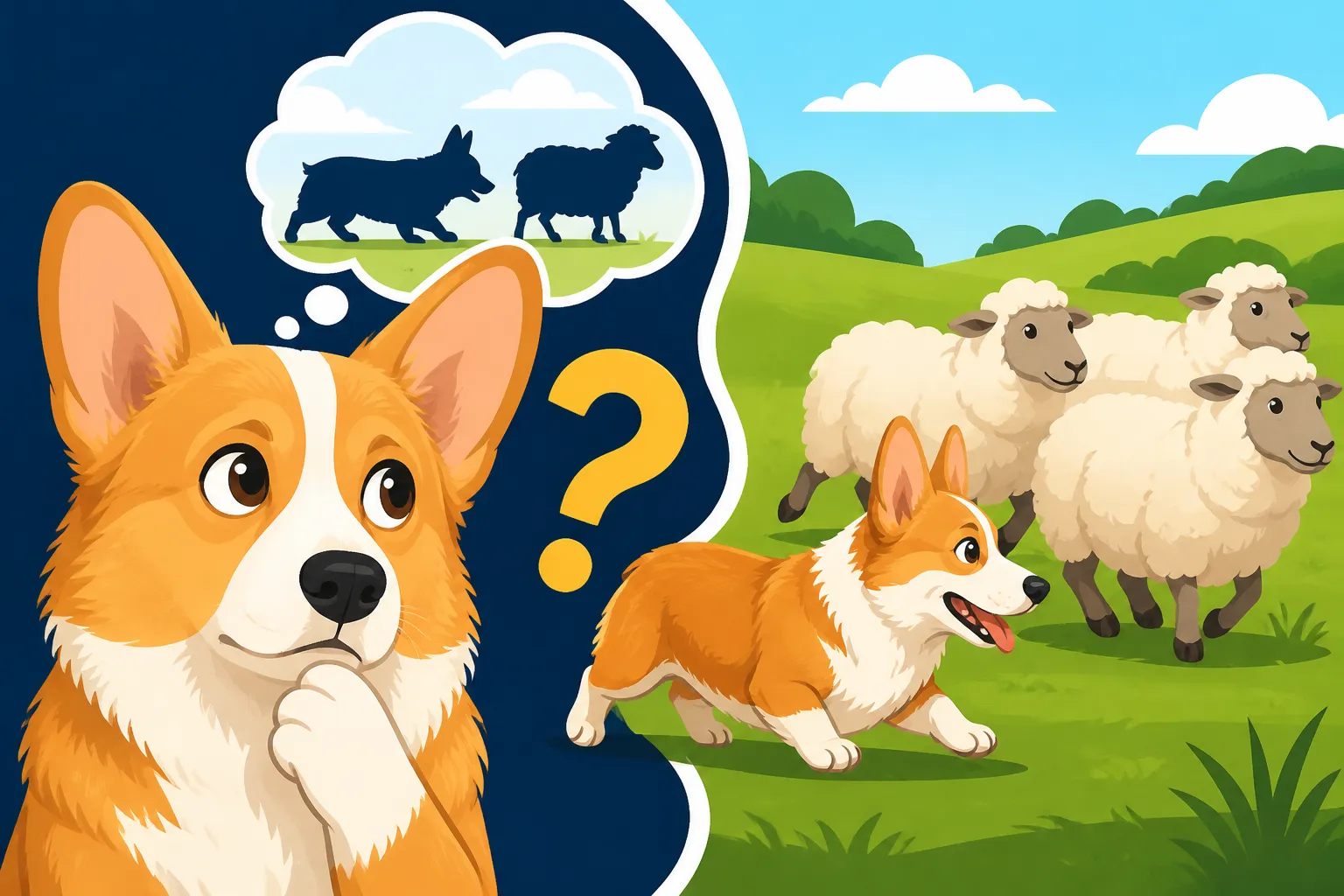
It’s a funny thing, isn’t it? You see a Corgi, with those sturdy, low-slung bodies and keen, intelligent eyes, and you know they’re a herding dog. But then the question pops up: were they herding the fluffy white sheep we so often associate with pastoral scenes, or something else entirely? Many people assume all herding breeds worked with sheep, but the truth for our Corgi friends is a little different, and knowing this helps us understand their unique quirks and instincts. This guide will dive deep into the Corgi’s historical role, what kind of stock they traditionally worked, and how their incredible herding drive manifests even today, sans flock.
The Traditional Corgi Role: Low to the Ground with Cattle
When you picture a Corgi, you might think of royalty or internet memes, but their lineage is deeply rooted in the working farms of Wales. These aren't just cute dogs; they were bred for a serious, demanding job, and that job primarily involved cattle, not sheep. The Welsh farmers needed a dog that could manage large, often stubborn, livestock across varied terrain, and the Corgi was perfectly designed for it.
The "Heelers" of the Herd
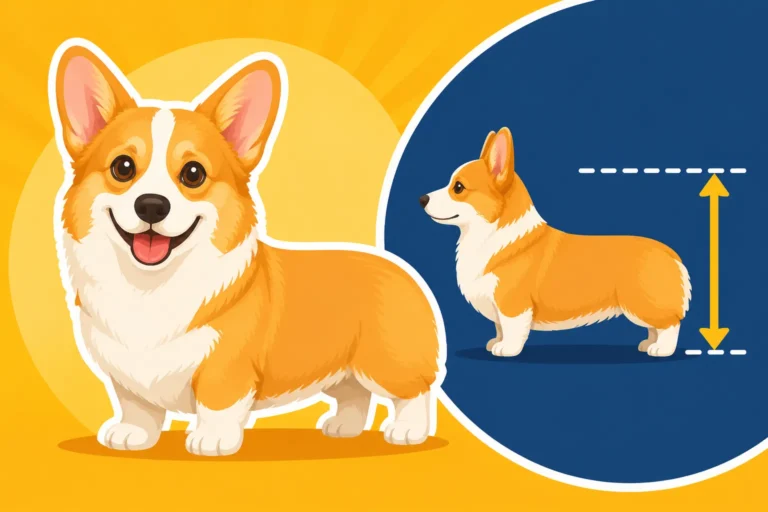
One of the most defining characteristics of the Corgi, both Pembroke and Cardigan, is their incredibly low stature. This wasn't an accident or a quirky aesthetic; it was a crucial functional trait. Imagine trying to move a herd of large, powerful cattle. A taller dog runs the risk of being easily kicked and seriously injured. The Corgi, however, could zip under the cows, ducking beneath their flailing legs with remarkable agility. Their primary method of herding was known as "heeling." This involved nipping at the heels of the cattle, encouraging them to move forward. The Corgi would deliver a quick, sharp nip and then instantly drop to the ground or roll out of the way to avoid retaliation. It was a dangerous job, requiring immense bravery and quick reflexes. This is why even today, you might notice your Corgi has The Cattle-Driving Nip a Corgi Still Has – it’s an instinctual behavior that’s been passed down for generations.
Driving Big Animals, Not Small Flocks
The scale of the animals a Corgi typically worked with is key to understanding their specialized role. Cattle are immense, often weighing many times more than their canine herder. Herding these beasts requires a dog with incredible tenacity, a strong will, and the ability to work independently to some extent, making their own decisions about how to best move the herd. They weren't just following commands; they were problem-solving in real-time. This distinct job explains Why the Corgi Was Bred So Low and why their bodies are so robust despite their height. They needed to be muscular and compact to withstand the bumps and scrapes of working with large livestock. When you think about What a Welsh Corgi Did on a Farm All Day, it wasn’t quietly guiding a flock; it was managing powerful animals with sheer determination and clever tactics.
Why Sheep Herding is Different
Sheep, on the other hand, are a different ballgame. They’re smaller, tend to flock together more readily, and are generally less aggressive than cattle. The techniques used to herd sheep often involve a dog working around the perimeter of the flock, using its presence, gaze, and body language to gather and move them calmly. This requires a dog that can hold a boundary, often working at a distance, and applying pressure strategically without necessarily making physical contact. A Corgi's short legs and nipping style, while perfect for cattle, isn't typically what's needed for the nuanced work of a traditional sheepdog.
Why Sheep Weren't Their Primary Gig
So, if Corgis are herding dogs, why the specific focus on cattle? It really comes down to specialization and the environment in which they evolved. Just like a screwdriver is great for screws but not so much for nails, Corgis were perfectly honed for their specific task.
Different Herding Styles and Temperaments
Cattle herding, as practiced by Corgis, often involves what's called a "loose-eyed" or "heeling" style. They interact directly with the animals, using nips and bumps to drive them. This requires a dog with a strong, confident demeanor, ready to face down a much larger animal. Sheep herding, particularly with breeds like Border Collies, often employs a "strong-eyed" or "gathering" style. These dogs use intense eye contact and their body position to influence the flock from a distance, gathering them calmly and moving them as a cohesive unit. This demands a different kind of temperament – one that is perhaps less prone to direct confrontation and more focused on control through presence. While Corgis are intelligent and trainable, their ingrained impulse is more about getting in there and making things happen, rather than subtle persuasion from afar.
The Terrain and Speed Factor
Sheep farming in Wales often involved expansive, open pastures and sometimes rugged, hilly terrain. Dogs bred for sheep herding, like some collies, typically possess longer legs and a more agile, high-stamina build to cover vast distances quickly and efficiently. Think about the speed and endurance needed to gather a scattered flock across a wide-open field or up a hillside. A Corgi, with its distinctive long body and short legs, is built for endurance and maneuverability in close quarters, but not necessarily for sustained high-speed pursuit over long distances. They excel at quick bursts and darting movements, which are ideal for dodging kicks, but less so for the wide-ranging sweeps of a sheepdog. For a deeper understanding of various herding breeds, you might compare Corgis Against the Other Herding Breeds and see just how specialized many of them are.
A Matter of Breeding Specialization
It’s crucial to remember that dog breeds were developed for specific jobs based on regional needs. In areas where sheep were the dominant livestock, breeds like the Welsh Sheepdog or various collie types were developed. In other areas, where cattle were king, dogs like the Corgi flourished. Breeders meticulously selected for traits that best suited their particular agricultural needs. While a Corgi could theoretically move sheep, it wouldn't be as efficient or natural for them as it would be for a breed specifically honed for sheep. The traits that make a Corgi an excellent cattle dog – low center of gravity, nipping instinct, independent problem-solving – aren't necessarily the top requirements for a top-notch sheep herder. This specialization meant their talents were primarily directed elsewhere.
Modern Corgis and Herding Instincts
So, Corgis were primarily cattle dogs. Does that mean their herding instincts are dormant or confused in a modern pet home without a herd of cows? Absolutely not! The instinct is incredibly strong, and you'll see it manifest in all sorts of endearing and sometimes frustrating ways.
Instincts Remain, Regardless of Target
Even though your Corgi might never see a cow in its life, that deep-seated instinct to gather and move persists. It's hardwired into their DNA. You might find your Corgi "herding" family members, especially children, by nudging them or nipping playfully at their heels. They might try to keep everyone in one room or direct traffic in the hallway. This isn't naughtiness; it's simply their ancient programming kicking in. It's fascinating to observe these behaviors and understand their origin. If your Corgi is particularly keen on gathering the family, you might find some great tips in A Corgi That Herds Running Children.
Pet Corgis Herding Household "Flocks"
Many Corgi owners can tell you stories of their dogs attempting to herd everything from the family cat to the vacuum cleaner. They might try to round up other dogs in the household, pushing them where they think they should go. Toys often become their "flock" as they meticulously gather them into a pile. This instinct can also manifest as territoriality or a desire to keep their "flock" (their human family) safe and together. It’s part of their charm, but also something to understand and manage, so their natural tendencies don't become problematic. Providing outlets for this instinct, even in a home setting, can be really beneficial. Something as simple as a durable herding ball from Chewy can give them a safe, appropriate outlet for their natural drive.
Herding Trials and Modern Applications
While not their traditional role, many Corgis do participate in herding trials with sheep today. These trials offer a fantastic way for Corgis to express their natural instincts in a controlled environment. Modern herding instructors understand how to work with a Corgi's natural style and adapt it to sheep. It might not look exactly like a Border Collie working sheep, but a Corgi's intelligence, drive, and low stature can still be effective, albeit with a different approach. They might use more direct pressure or a quicker, more darting style than a traditional sheepdog. Participating in Herding Trials and Instinct Tests for a Corgi can be incredibly rewarding for both dog and owner, tapping into that deep-seated heritage.
Getting Started with Instinct Work
If you're interested in exploring your Corgi's herding instincts, finding a local herding instructor is a great first step. They can assess your dog's natural drive and guide you on how to channel it constructively. It’s not about turning your Corgi into a full-time farm dog, but about providing mental and physical enrichment that speaks to their genetic makeup. Many instructors use a variety of stock, including ducks or goats, as an introduction to herding, which can be less intimidating than full-sized sheep. Remember, this activity is less about creating a working dog and more about honoring their heritage and strengthening your bond. Finding appropriate training treats and gear, perhaps from a trusted retailer like Chewy, can help make these sessions successful and enjoyable. Sometimes, just giving them a "job" even if it's not herding actual animals, can fulfill their drive. Consider The Job a Corgi Needs Instead of Herding You for more ideas.
Distinguishing Pembroke from Cardigan in Herding
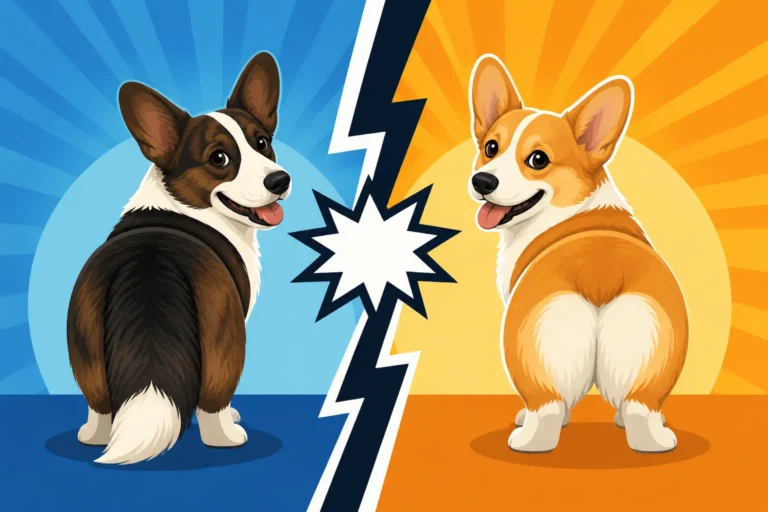
While both the Pembroke Welsh Corgi and the Cardigan Welsh Corgi share a common heritage as working dogs from Wales, they are, in fact, distinct breeds with separate histories and subtle differences. Both are formidable herders, but their specific applications on the farm, even if both were focused on cattle, might have had minor distinctions.
Subtle Differences in Herding Style
Historically, the Cardigan is considered the older of the two breeds, with a lineage that some trace back to Nordic settlers or even earlier. The Pembroke is thought to have developed later, with some theories suggesting influence from Spitz-type dogs brought by Flemish weavers. While both were incredible cattle dogs, some enthusiasts suggest that Cardigans might have been slightly more focused on the larger, rougher cattle, sometimes working in more expansive, wilder terrain. Pembrokes, while equally adept with cattle, were perhaps more commonly found on smaller, more settled farms. These are subtle distinctions, however, and both breeds share that characteristic low-to-the-ground, nipping style that made them so effective. Today, in herding trials, you'll see both Pembrokes and Cardigans excelling, often displaying very similar working styles. This is a testament to the powerful herding instinct common to both.
The Herding Dog Legacy: Both Carry the Instinct
Regardless of whether they were Pembrokes or Cardigans, both Corgi breeds carry an undeniable legacy as true herding dogs. Their intelligence, courage, and stamina are traits honed over centuries of working alongside farmers. It’s why they tend to be alert, watchful, and possess a strong sense of purpose. While the question of whether Corgis Still Work Cattle in large numbers is less common today, their spirit certainly lives on. If you have a Corgi, you're living with a direct descendant of those incredible working dogs who spent their days managing livestock on the Welsh hillsides. Understanding this heritage allows us to appreciate their innate behaviors, like trying to gather the kids or bark at every passerby, which are simply modern manifestations of an ancient calling. Providing them with puzzle toys or interactive feeders from Chewy can help satisfy their need for mental engagement, which stems from their intelligent, problem-solving herding brains.
| Herding Dog Role | Primary Stock | Typical Herding Style | Key Physical Traits (General) | Common Breeds for this Role |
|---|---|---|---|---|
| Cattle Driver | Cattle | Nipping at heels (heeling), driving, independent decision-making | Low to the ground, sturdy build, agile, tenacious | Corgis, Australian Cattle Dogs, Heelers |
| Sheep Gatherer | Sheep | Gathering, "strong-eyed" control, perimeter work, boundary holding | Longer legs, agile, high stamina, "eye" contact | Border Collies, Australian Shepherds, Old English Sheepdogs |
| Flank/Boundary | Mixed | Keeping animals within an area, moving stock as a cohesive unit | Varies, often versatile and intelligent | Some Shepherds, Kelpies |
This table highlights the distinctions in roles, showing clearly why Corgis fit so perfectly into the "Cattle Driver" category. While a Corgi can certainly be trained to work sheep, their innate design and historical role points firmly to a different kind of livestock. It's not that they can't herd sheep; it's that their breed was specifically developed for a different, equally demanding, task. So, while your adorable Corgi might not have a flock of sheep to manage, rest assured, those ancient instincts are alive and well!
Disclaimer
This article is for general informational purposes only and does not constitute professional advice. Laws, prices and regulations vary by location and change over time. Consult a qualified professional for guidance on your specific situation.