How Many Corgis the Queen Owned
It's a question nearly every Corgi enthusiast, and certainly anyone who followed the Royal Family, has wondered: exactly how many of those charming, stubby-legged dogs did Queen Elizabeth II own throughout her remarkably long life? The truth is, it wasn't just a few beloved pets, but a veritable dynasty of Corgis, dorgis, and lifelong companions that brought immense joy and became an iconic part of her public image. This guide will take you through the incredible journey of her royal Corgis, from the very first introductions to the enduring legacy they left behind.
The Royal Obsession Begins: Early Corgi Companions
It’s easy to imagine Queen Elizabeth II, even as a young princess, surrounded by dogs. Her affection for animals, particularly horses and dogs, was well-known from a very early age, and it was her father, King George VI, who truly ignited her lifelong passion for Corgis. These early introductions were pivotal, laying the foundation for what would become an inseparable bond between the monarch and the breed.
Dookie and Paving the Way for a Dynasty
The story of the royal Corgis often begins with Dookie, a Pembroke Welsh Corgi acquired by the Duke of York (later King George VI) in 1933. Dookie wasn't just any dog; he was the very first Corgi to become part of the royal household, a playful and endearing presence that immediately captivated the young Princess Elizabeth and her sister, Margaret. His arrival marked the beginning of a new chapter in royal pet ownership, one that would stretch for decades.
Dookie was soon joined by another Corgi named Jane, further solidifying the family's affection for the breed. These early dogs provided immense comfort and cheer during what would soon become a tumultuous period in history, with the abdication of King Edward VIII and the looming shadow of World War II. For the young princesses, these Corgis were constant, joyful companions, offering a sense of normalcy and unadulterated happiness in an otherwise highly structured and often demanding environment. They were more than just pets; they were family, a source of unwavering loyalty and affection that would remain central to the Queen's life. Who Gave the Royal Family Its First Corgi
The Introduction of a True Royal Legacy
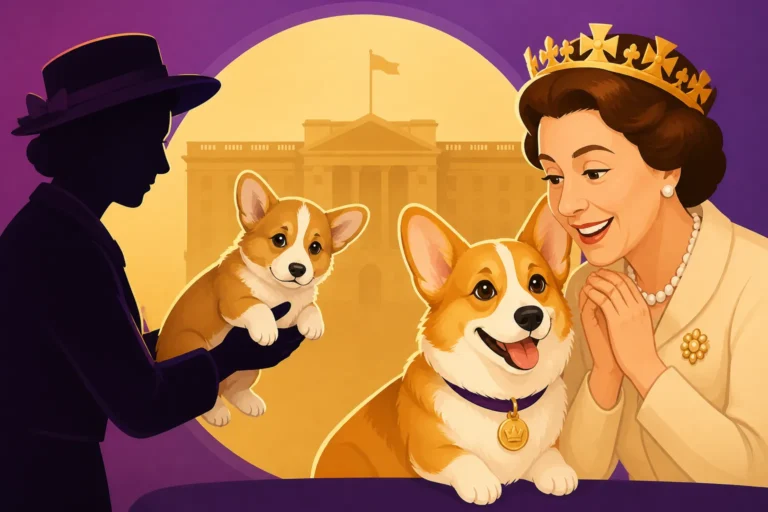
While Dookie and Jane were cherished, it was a specific gift for Princess Elizabeth's 18th birthday in 1944 that truly established the Corgi dynasty. This gift was a Pembroke Welsh Corgi puppy named Susan, and she was destined to become the matriarch of almost all the Corgis the Queen would own during her reign. This was a significant moment, not just for the Princess, but for the breed itself, as Susan would go on to be the foundation bitch for generations of royal dogs.
Susan wasn't just a Corgi; she was the Corgi, representing a deep personal connection and the beginning of a carefully cultivated lineage. She even accompanied the then-Princess Elizabeth on her honeymoon, a testament to her importance in the young royal's life. The decision to breed from Susan was a natural extension of the Queen's love for her, ensuring that the beloved dog's characteristics and spirit would continue through her descendants. It created a unique situation where many of the Queen's future Corgis were not simply purchased, but were direct, genetically linked members of her extended canine family, all tracing back to Susan. Which Corgi the Queen Got for Her Eighteenth Birthday
Susan's Enduring Line: Generations of Loyal Corgis
The impact of Susan on the Queen's Corgi collection cannot be overstated. She was the cornerstone of a breeding program that would span decades, creating a unique family of dogs that lived alongside the monarch. This continuous lineage meant a household often bustling with Corgi activity, each dog a direct descendant of the beloved Susan.
Breeding within the Royal Household
For many years, the Queen took a very active, hands-on role in breeding her Corgis, ensuring they were all direct descendants of Susan. This wasn't about commercial breeding; it was about maintaining a cherished family line. She reportedly had a keen interest in genetics and temperaments, carefully selecting mates for her Corgis to continue the line. This meant that the dogs she owned weren't just Corgis; they were her Corgis, part of an extended royal canine family tree that she intimately knew and nurtured.
Having multiple generations of the same family of Corgis living under one roof created a unique dynamic. It was a testament to her dedication that she managed to oversee such a vibrant kennel, often having grand-puppies, great-grand-puppies, and even more distant relatives all living together. This continuous cycle meant a constant stream of new life and the opportunity to nurture these dogs from birth, deepening her bond with each one. Whether the Queen Bred Her Own Corgis
Peak Numbers and Daily Royal Life
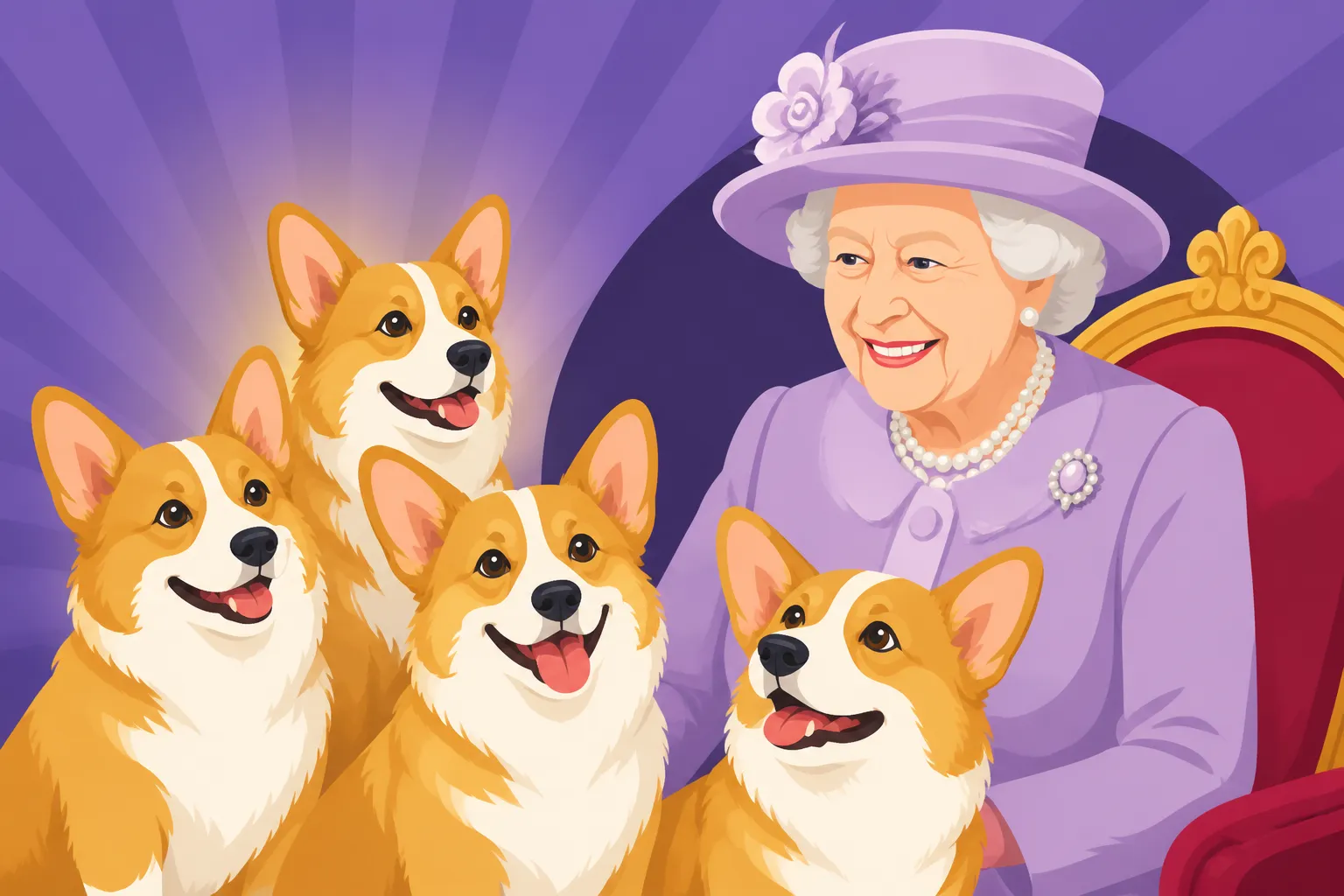
At various points throughout her reign, the Queen owned a significant number of Corgis simultaneously. It's reported that at her peak, she had as many as 12 to 14 Corgis living with her at Buckingham Palace or Windsor Castle. Imagine the scene: a dozen or more short, furry bodies scampering through the royal corridors, accompanying her on walks around the expansive estates, and patiently awaiting their meal times.
These Corgis were not relegated to a kennel; they were integral to her daily life. They slept in their own designated room at the palace, were fed a carefully prepared diet, and were always present, whether she was watching television or receiving guests. The logistics of managing so many dogs, including their food (which could easily be sourced from a reputable pet retailer like Chewy, known for its wide selection of high-quality dog foods), grooming, and vet visits, were considerable. Yet, she embraced it fully, demonstrating a deep, unwavering commitment to their welfare. Her Corgis were a constant, comforting presence, providing unconditional love and a delightful distraction from the pressures of her royal duties. How Many Corgi Generations Came From Susan
The Distinctive Royal Corgi Temperament
Through decades of careful breeding and constant interaction, the Queen's Corgis developed a reputation for a distinct temperament. While Corgis are generally known for their intelligence, vivacity, and sometimes stubborn nature, the royal Corgis were often described as well-behaved and fiercely loyal to their mistress. They were exposed to countless people, situations, and environments, which undoubtedly contributed to their adaptable, if sometimes opinionated, personalities.
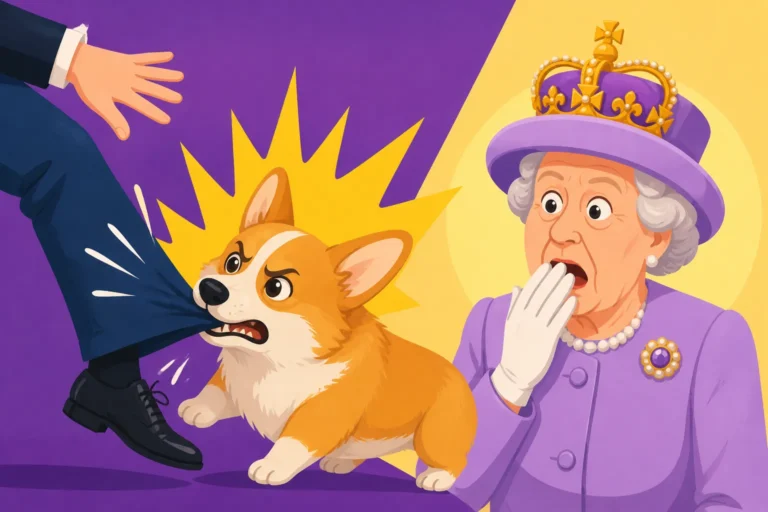
However, Corgis also carry their herding instincts close to the surface, and it's no secret that some of the Queen's Corgis had a tendency to be a little nippy, especially with strangers or those they perceived as needing a gentle "herd" in the right direction. This characteristic, rooted in their working past, often led to amusing anecdotes and sometimes, a few surprised ankles among palace staff or visitors. Despite these occasional displays of their ancestral herding nature, they were universally adored by the Queen, who understood and appreciated their unique blend of loyalty, sass, and boundless energy. The Cattle-Driving Nip a Corgi Still Has
The Rise of the Dorgi: A Different Royal Companion
While purebred Corgis held a special place in the Queen's heart, her canine family expanded to include another charming type of dog: the "dorgi." These unique crossbreeds added another layer of personality and history to her beloved pack, demonstrating her open-mindedness and deep affection for all her canine companions.
An Accidental Love Story
The creation of the "dorgi" was famously an unplanned event, a happy accident that captured the Queen's heart. The story goes that one of Princess Margaret's beloved Dachshunds, Pipkin, found love with one of the Queen's Corgis. The result was an adorable litter of Corgi-Dachshund mixes, which were affectionately coined "dorgis." These dogs combined the best traits of both breeds: the Corgi's intelligent, spirited nature with the Dachshund's elongated charm and often tenacious personality.
The Queen, ever the dog lover, quickly grew fond of these new additions. Their distinctive appearance and often comical antics provided endless amusement. The dorgis became a testament to her capacity for affection, showing that her love for dogs extended beyond the strict confines of a single breed. They were a delightful and unexpected chapter in her long history of pet ownership, adding variety and even more character to her bustling canine household.
Expanding the Royal Canine Family
Once the dorgis arrived, they quickly became permanent fixtures in the royal household, enjoying the same privileges and affections as their purebred Corgi relatives. The Queen continued to have dorgis throughout her life, often acquiring them through further planned, or sometimes accidental, pairings. This expansion of her canine family demonstrated her willingness to embrace new companions and her deep love for the individual dogs themselves, regardless of their precise breed standard.
Her affection for the dorgis was just as strong as for her Corgis. She personally oversaw their care, making sure they received individual attention, their favourite treats, and the specific food that suited their needs, readily available from pet suppliers like Chewy. These crossbreeds were never seen as lesser; they were simply another beloved branch of her unique royal canine family. Their presence highlighted her genuine and personal connection with her pets, moving beyond formality to simply enjoying the company of her loyal companions. Dorgis and Other Royal Corgi Crosses
Shifting Priorities: Fewer Dogs in Later Years
As the Queen advanced in years, her approach to dog ownership underwent a subtle but significant shift. While her love for Corgis remained unwavering, practical considerations and a desire for their well-being began to guide her decisions regarding breeding and adding new dogs to her pack.
A Conscious Decision for Fewer Additions
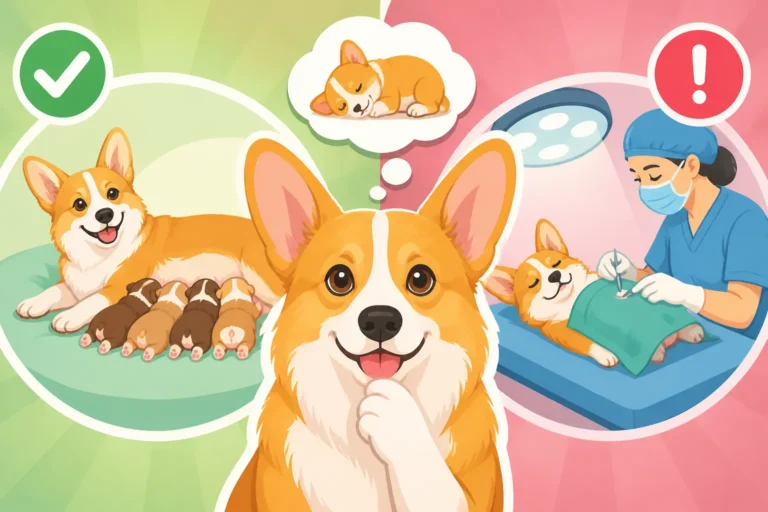
In her later life, the Queen made a conscious decision to stop breeding Corgis. This was a thoughtful choice, reportedly driven by her concern that she didn't want to leave any young dogs behind if she were no longer able to care for them. It was an empathetic decision, reflecting her deep sense of responsibility towards her animals and a desire to ensure their continuity of care after her passing. This meant that the number of Corgis in her immediate household gradually decreased over time, as her older dogs naturally passed away.
This shift didn't diminish her love or involvement; rather, it intensified her focus on the comfort and well-being of her existing companions. Instead of a bustling pack of a dozen, her home became a quieter haven for a select few cherished Corgis and dorgis. This allowed for even more individual attention, ensuring that their golden years were filled with peace, comfort, and the unwavering affection they had always known. The focus moved from maintaining a dynasty to cherishing each remaining individual.
The Final Corgis and Their Legacy
Towards the very end of her life, the Queen's immediate Corgi family dwindled to just a handful of beloved dogs. These included dogs like Willow, who was the last descendant of Susan, and Holly, both of whom sadly passed away in the years leading up to her own death. At the very end, she was famously left with two Corgis, Muick and Sandy, and two dorgis, Candy and Lissy. These final companions were a symbol of her enduring devotion and provided immense comfort in her last years.
The bond she shared with these last few dogs was incredibly poignant. They were her constant shadows, her confidantes, and a source of quiet joy amidst her demanding public life. Their presence was a testament to a lifetime of love for the breed. Upon her passing, arrangements were meticulously made for their care, ensuring they would continue to be loved and looked after by family members. This final act of care underscored the profound and lifelong commitment she had to her Corgis, ensuring their well-being even beyond her own reign. Where the Queen's Last Corgis Went
The Enduring Impact of the Royal Corgis
The Queen's lifelong association with Corgis did more than just fill her palaces with joy; it had a profound and lasting impact on the breed's global popularity and cultural image. Her affection transformed these small herding dogs into international icons, forever linking them with British royalty.
Global Fame and Breed Popularity
There is absolutely no denying that the Queen's prominent ownership single-handedly propelled the Corgi breed into global stardom. Before her, they were beloved but relatively niche working dogs from Wales. After decades of being photographed with her Corgis, accompanying her on walks, and even featuring in official portraits and events, the breed became instantly recognizable worldwide. Their charming, somewhat regal appearance, coupled with their association with the monarch, made them incredibly desirable pets for countless families around the globe.
This royal endorsement sparked massive interest and demand. The breed's unique characteristics – their short legs, foxy faces, and lively personalities – were amplified by their royal connection. People who might never have considered a Corgi suddenly wanted one, eager to own a piece of that royal charm. The visible rise in the breed's profile was a direct result of her unwavering affection, influencing everything from pet ownership trends to how Corgis were portrayed in popular culture. What the Queen's Corgis Did to the Breed's Popularity
A Cultural Icon
The Corgis became more than just pets; they evolved into cultural icons, an inseparable part of the Queen's public persona. They featured prominently in countless photographs, documentaries, and even memorable artistic endeavors, such as the 2012 London Olympics opening ceremony where they famously "escorted" James Bond and the Queen. Their playful presence often softened the formality of royal engagements, allowing for rare glimpses of the Queen's more personal, relaxed side.
Their image permeated popular culture, appearing in cartoons, films, and merchandise. They became an almost humorous counterpoint to the gravitas of her position, a reminder of her humanity and warmth. This cultural integration meant that even those with no particular interest in dogs or the monarchy would likely recognize a Corgi and associate it with Queen Elizabeth II. How Corgi Popularity Changed After The Crown
A Lasting Testament to a Lifelong Passion
Ultimately, the story of how many Corgis the Queen owned is less about a numerical tally and more about a lifelong, unwavering passion for animals. Over her remarkable 96 years, and 70-year reign, she owned well over 30 Corgis and dorgis. This number represents a continuous lineage, a family tree of furry companions, rather than just a static collection. Her dedication to their welfare, from personally overseeing their breeding to ensuring their comfort in her later years, provides a powerful lesson in responsible and loving pet ownership.
The legacy of the royal Corgis is a testament to the profound bond between humans and their canine companions. They were a source of comfort, joy, and stability in a life defined by duty and public service. Their story reminds us that sometimes, the simplest pleasures – like the wag of a Corgi's tail or a gentle nudge for affection – can bring the greatest solace. And for all Corgi owners, whether you get your daily supplies from a convenient source like Chewy or a local pet store, the Queen's enduring affection for her furry family serves as an inspiration.
| Era/Period | Key Corgis/Dorgis (Examples) | Estimated Number Owned Concurrently | Significance |
|---|---|---|---|
| Early Years (1930s-1940s) | Dookie, Jane, Susan | 2-3 | First royal Corgis; Susan begins the lineage |
| Peak Breeding (1950s-1980s) | Honey, Sugar, Foxy, Brush, Myth | 8-14 | Active breeding from Susan's line; highest numbers |
| Dorgi Era (1970s onwards) | Vulcan, Cider, Candy, Lissy | Variable, alongside Corgis | Accidental crossbreeds become beloved companions |
| Later Years (2000s-2020s) | Willow, Holly, Muick, Sandy | 2-5 | Conscious decision to stop breeding; focus on existing dogs |
Disclaimer
This article is for general informational purposes only and does not constitute professional advice. Laws, prices and regulations vary by location and change over time. Consult a qualified professional for guidance on your specific situation.