Chews a Teething Corgi Can Have
Oh, the joys and… well, let's be honest, the trials of a teething Corgi puppy! It’s a phase every puppy owner dreads a little, isn't it? One minute you have a sweet, fluffy ball of innocence, and the next, you're looking at tiny, razor-sharp teeth trying to explore the world – often via your ankles, furniture, or anything else within reach. The incessant need to chew can feel overwhelming, leaving you wondering if anything can truly satisfy that urge without destroying your home or, worse, hurting your precious pup. This guide is all about finding those safe, satisfying chews that will help your Corgi puppy navigate the discomfort of teething, save your belongings, and keep those little teeth healthy and happy.
The Nipping Phase: Why Your Corgi Puppy Needs to Chew
Let's face it, a Corgi puppy's mouth can feel like a tiny, furry piranha trap during those early months. They don't mean to be naughty; they're simply responding to a natural, undeniable biological urge. Understanding why they chew is the first step toward effectively managing this sometimes-frustrating phase. It’s not just about pain relief, though that's a huge part of it, especially when those big adult teeth start pushing through.
From Milk Teeth to Puppy Piranha
Your Corgi puppy is born without teeth, but those tiny "milk teeth" (deciduous teeth) start erupting around 3-4 weeks of age. By 6-8 weeks, they usually have a full set of 28 sharp little needles. This is often when you bring your bundle of fluff home, and suddenly, you're experiencing the full force of their oral exploration! The real teething, the one that makes you wince, begins around 3-4 months when those milk teeth start falling out to make way for 42 permanent adult teeth. This process can last until they're about 6-7 months old. During this time, their gums are swollen, sore, and itchy, and their instincts are screaming for relief. Imagine how uncomfortable that must be – constantly feeling like something needs to break through your gums.
The process of losing baby teeth and growing in adult ones creates a lot of pressure and discomfort in their mouth. Chewing provides counter-pressure that helps to loosen the baby teeth and alleviate some of the aching. It’s their way of giving themselves a massage, a natural painkiller. If you’ve ever had a wisdom tooth coming in, you can probably relate to that dull, persistent ache that just makes you want to bite down on something. For puppies, this is amplified, as it’s happening with many teeth at once. Providing appropriate outlets for this need is paramount, not just for their comfort but also for teaching them what is and isn't acceptable to chew on.
Beyond Pain Relief: The Instinct to Explore
While pain relief is a primary driver, chewing is also a fundamental way Corgis, and all dogs, explore their world. Puppies use their mouths much like human babies use their hands – to investigate textures, tastes, and shapes. Every new object is fair game for a mouth-based examination. They learn about their environment through their jaws, and this drive is particularly strong in a breed like the Corgi, which is intelligent and naturally curious.
This exploratory chewing helps them develop their jaw strength and teaches them about the properties of different objects. Is it hard or soft? Does it yield or resist? What sound does it make when I chew it? This isn't just idle curiosity; it’s a crucial part of their cognitive development. If we don’t provide safe, engaging items for them to chew, they will naturally seek out alternatives – and those alternatives are often your expensive sofa, your favorite shoes, or the leg of your dining table. This is why having a diverse "chew arsenal" is so important, allowing them to explore safely and constructively. It's about channeling their natural behaviors into appropriate outlets.
The Battle Against Chewed Furniture and Fingers
This intense chewing phase can be incredibly frustrating for us humans. We love our Corgi puppies, but nobody loves gnawed chair legs or socks with new "ventilation" holes. More importantly, those sharp puppy teeth can do some damage to human skin, leading to what many owners affectionately (or not-so-affectionately) call "puppy piranha attacks." It's not aggression; it's simply a puppy's clumsy attempt to interact and relieve their mouth discomfort. For more on dealing with this, you might find our guide Teaching a Corgi Puppy to Stop Grabbing really helpful.
The key to winning this battle is redirection and consistency. Every time your Corgi tries to chew on something inappropriate, gently remove it and immediately offer a suitable chew toy. Positive reinforcement is crucial here; praise them enthusiastically when they choose to chew on the right thing. This constant guidance helps them understand the rules of your home and which items are "theirs" for chewing. Without proper chews, you're fighting an uphill battle against a biological imperative. They will chew, so it's up to us to make sure they chew on the right things.
Choosing Safe Chews: A Corgi-Specific Approach
Selecting the right chew for your Corgi puppy isn't as simple as grabbing the first brightly colored toy you see. Corgis, with their powerful jaws, short stature, and sometimes mischievous personalities, require careful consideration. The wrong chew can lead to choking, dental damage, or even internal blockages, turning a helpful tool into a serious health risk.
What Makes a Chew Safe for a Corgi?
When we talk about safety, we're looking at several factors. First, the material must be non-toxic and durable enough to withstand vigorous chewing without breaking into small, swallowable pieces. Corgis can be surprisingly strong chewers for their size, so flimsy toys simply won't cut it. Think about their jaw strength and their low-to-the-ground lifestyle; they often pick up whatever they can reach, and they have the leverage to chew with real force.
Second, the chew should be appropriately sized for your Corgi's mouth. Too small, and it becomes a choking hazard; too large, and they might not be able to get a good grip or could injure their jaw. You want something they can comfortably hold and gnaw on, but not something they can swallow whole or get lodged in their throat. Third, consider the texture. Teething puppies often benefit from chews with nubs or ridges that massage their sore gums. Freezable chews can provide extra relief by numbing the area. The aim is always to provide comfort and engagement without introducing unnecessary risks.
The Hidden Dangers in Popular Chews
Not all chews marketed for puppies are truly safe, especially for a determined chewer. Rawhide, for instance, is a classic example of a chew that many owners reach for, but it can be quite dangerous. It softens with chewing but can still be torn into large, indigestible pieces that can cause choking or severe gastrointestinal blockages. Similarly, natural bones, whether cooked or raw, can splinter or break teeth. Cooked bones are particularly dangerous as they become brittle. Even very hard nylon chews, while durable, can be too abrasive and contribute to dental fractures, especially if a puppy is still getting their adult teeth in.
Always read labels carefully. Avoid chews with artificial colors, flavors, or preservatives, as these can upset a sensitive puppy stomach or contribute to allergies. Even some "edible" chews can be high in calories or ingredients that aren't ideal for a growing Corgi, whose weight needs to be carefully managed to protect their long back. Our article on Feeding a Corgi Puppy Without Letting It Round Out has more details on maintaining a healthy weight. Be a detective about what your Corgi is putting in their mouth – if you wouldn't feel comfortable chewing it, your puppy probably shouldn't either.
Red Flags: When a Chew is No Longer Safe
Even a perfectly safe chew can become a hazard over time. It's vital to regularly inspect your Corgi's chews for wear and tear. If a rubber toy starts to show significant damage, has pieces missing, or is becoming small enough to be swallowed, it's time to toss it. For edible chews, remove them once they become small enough to be swallowed whole. A common rule of thumb is that if a chew can fit entirely behind your Corgi’s back molars, it’s too small and should be discarded.
Also, pay attention to how your Corgi is interacting with the chew. Are they breaking off large chunks? Are they becoming overly obsessive or possessive? Is the chew making them excessively tired or causing them to isolate themselves? These could all be signs that the chew isn't the right fit, or that it's simply time to rotate it out for a different option. Constant vigilance is key to ensuring that their teething journey remains safe and enjoyable. You are your Corgi's first line of defense!
Top Picks for Teething Corgi Chews
Now that we understand the 'why' and the 'how' of chew safety, let's dive into some specific types of chews that can be wonderful allies during your Corgi puppy's teething phase. A diverse selection keeps things interesting and provides different sensations for their sore gums.
Durable Rubber and Silicone Toys
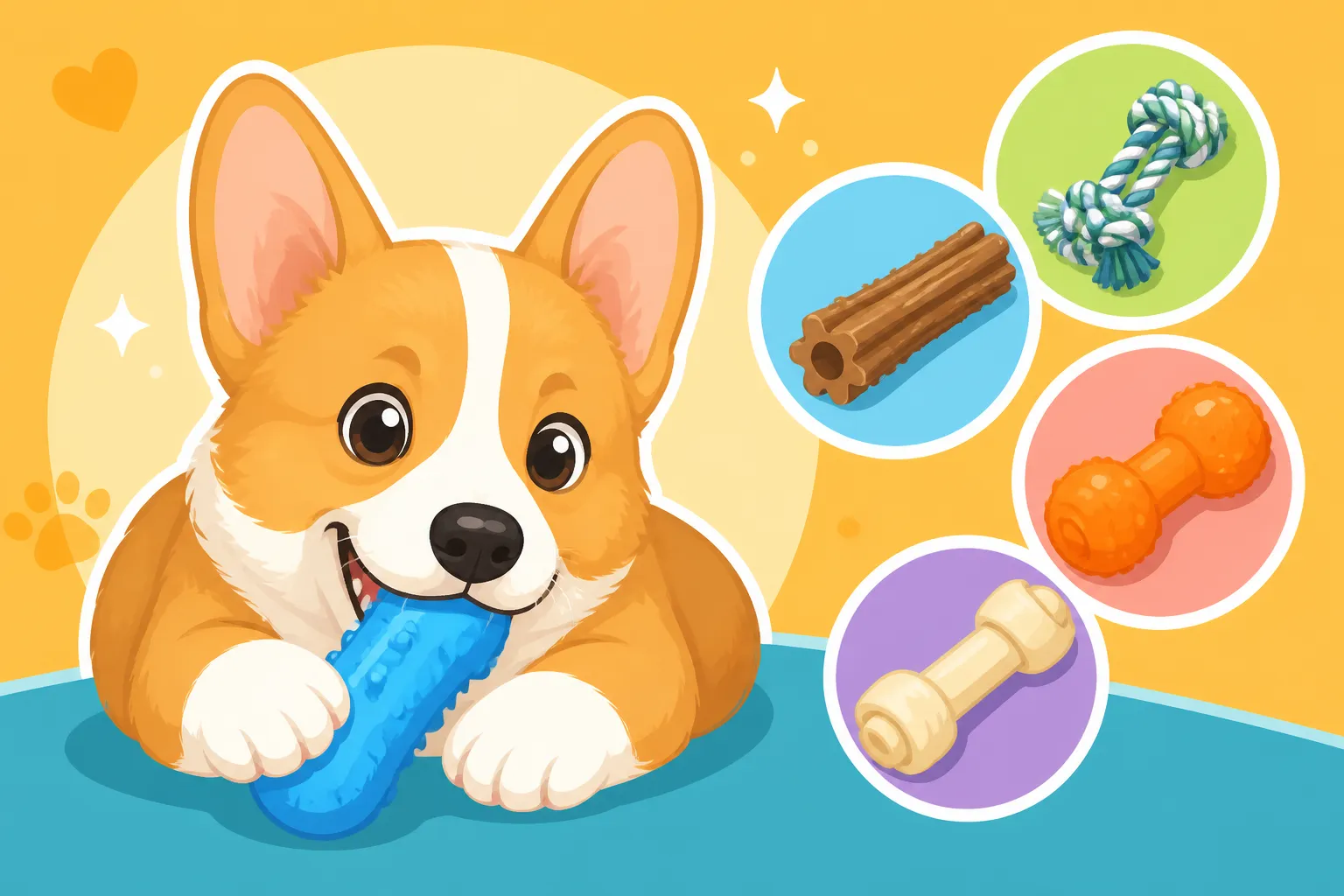
These are often the unsung heroes of puppy teething. High-quality rubber toys, like those from KONG or Nylabone (ensure it's puppy-specific and flexible, not the super-hard adult versions), are fantastic because they are extremely durable, non-toxic, and can withstand serious chewing. The flexibility and resilience of rubber provide satisfying resistance that massages gums without damaging developing teeth. Brands available on Chewy or Amazon often offer a range of sizes and shapes tailored for puppies.
Many of these toys have textured surfaces – nubs, ridges, and grooves – that are designed to clean teeth and stimulate gums. Even better, many rubber toys can be stuffed with treats or even frozen. A frozen, peanut butter-filled KONG can provide hours of soothing relief for aching gums and keep a busy Corgi puppy occupied. This not only distracts them from discomfort but also provides mental stimulation, which is crucial for a smart breed like a Corgi. Just remember to always supervise, especially with new toys, to ensure they interact with them safely.
Soothing Frozen Treats and Stuffed Kongs
There's nothing quite like a cold compress for a sore mouth, and the same goes for your Corgi puppy! Freezing can turn almost any suitable chew into an extra-soothing experience. A classic is a KONG stuffed with a mixture of wet puppy food, plain yogurt, or even mashed banana, then frozen solid. The cold numbs the gums, and the challenge of getting the food out provides valuable mental exercise.
You can get creative here! Think about freezing low-sodium chicken broth in ice cube trays or wetting a clean rag, twisting it, and freezing it (always supervise closely with fabric items!). For a healthy and enticing stuffing, you could even consider mixing in some of your Corgi's regular kibble with a little water or a spoonful of a fresh, human-grade dog food like Ollie (checking their website for suitable puppy ingredients, of course). The key is to ensure the ingredients are healthy and appropriate for a puppy's digestion and that the frozen item won't splinter or be too hard for their developing teeth.
Smart Choices in Edible Chews
Edible chews can be a great way to satisfy your Corgi's chewing instinct while also giving them a tasty reward. However, this category requires the most vigilance. Look for "digestible" rawhide alternatives made from easily digestible starches or proteins. Dental chews designed for puppies can also be beneficial, as they often have textures that help clean teeth while providing chewing satisfaction.
Always choose products that are specifically formulated for puppies and match their size and chewing style. Bully sticks, for example, are highly palatable and digestible for most dogs, but they can be consumed fairly quickly by an enthusiastic Corgi and are quite calorie-dense. Always supervise when offering edible chews to prevent choking, especially as the chew gets smaller. You can find a good selection of these safer edible options on platforms like Chewy or Amazon, but again, always scrutinize the ingredient list and product reviews. Remember that too many treats, even healthy ones, can contribute to weight gain, which is something we want to avoid for Corgis. Our post on What Extra Weight Does to a Corgi Spine highlights the importance of maintaining a healthy body condition score.
Natural and Novelty Chews
This category can be a bit of a mixed bag and often requires the most careful supervision. Things like deer antlers or extremely hard nylon bones are often too hard for a puppy's developing teeth and can lead to fractures. However, softer "natural" chews can sometimes be appropriate. For example, some puppies enjoy dental chews made from softer woods (specifically designed for dogs, not just any stick!) or certain root chews, but always check their hardness and watch for splintering.
Novelty chews, like those made from specific food-grade materials that mimic sticks or branches, can also be a hit, provided they are made from safe, durable materials. The key here is always the manufacturer's reputation and ensuring the product is designed with puppy safety in mind. Don't fall for marketing hype; if a chew feels too hard, brittle, or poses any splintering risk, err on the side of caution and avoid it. Sometimes, the simplest, most classic rubber toy is the best option for peace of mind.
Maximizing Chew Benefits and Maintaining Safety
Providing chews is one thing, but managing them effectively is another. To get the most out of your Corgi puppy's chews and keep them safe, a bit of strategy and routine goes a long way. This isn't just about handing over a toy; it's about incorporating chews into their daily life in a way that promotes good habits and prevents problems.
The Art of Chew Rotation and Supervision
One of the biggest mistakes owners make is leaving all chews out all the time. Just like toys, chews can lose their novelty. By rotating them – offering only 2-3 at a time and putting the rest away to bring out later – you keep them interesting and exciting for your Corgi. When a "new" chew appears, it can reignite their interest and provide fresh stimulation. This also allows you to regularly inspect each chew for damage before reintroducing it.
Supervision is non-negotiable, especially with edible chews or when your Corgi puppy is particularly focused on gnawing. You need to be present to ensure they aren't breaking off and swallowing large chunks, or getting a chew lodged in their mouth. This is particularly true during the peak teething phase. Never leave your Corgi unsupervised with a new chew until you are absolutely certain of how they interact with it. Even with established favorites, a quick check-in every now and then is always a good idea. This active participation in their chewing behavior is a cornerstone of responsible puppy ownership.
Keeping Chews Clean and Appealing
Chews, especially rubber and silicone ones, can get pretty grimy. They pick up dirt, saliva, and food residue, making them less appealing and potentially unhygienic. Regularly cleaning non-edible chews is essential. Most rubber and silicone toys can be washed with warm, soapy water and thoroughly rinsed. Some are even dishwasher-safe – check the manufacturer's instructions. A clean chew is a more enticing chew, and it also helps prevent the buildup of bacteria that could lead to dental issues down the line.
For edible chews, ensure they are stored properly to maintain freshness and prevent them from becoming stale or attracting pests. If your Corgi loses interest in an edible chew, it might be because it's no longer fresh or has accumulated too much saliva and debris. Knowing when to discard a chew, even if it's not fully consumed, is part of managing their chew supply effectively. Remember, presentation matters even to a puppy!
When to Seek Help for Extreme Chewing
Sometimes, even with a great selection of safe chews and consistent redirection, a Corgi puppy's chewing can feel excessive or destructive. If you find your puppy is compulsively chewing, unable to settle without something in their mouth, or directing their chewing solely at inappropriate objects despite your best efforts, it might be time to seek professional advice. This could indicate underlying anxiety, boredom, or a need for more structured mental and physical exercise.
A qualified professional dog trainer or a veterinary behaviorist can help you assess the situation and develop a tailored plan. They might suggest specific training exercises, puzzle toys, or even environmental enrichment strategies to help your Corgi puppy channel their energy and chewing instinct constructively. Remember, your vet is also a great resource for dental health concerns and can check for any issues like retained baby teeth that might be contributing to discomfort. For general puppy care, ensure your Corgi gets The Vet Visits a Corgi Puppy Needs First.
Chew Type Comparison for Teething Corgis
Here's a quick overview of common chew types and their considerations for your teething Corgi:
| Chew Type | Pros | Cons | Best For |
|---|---|---|---|
| Durable Rubber/Silicone Toys | Excellent durability, non-toxic, many textures, stuffable | Not edible (some puppies lose interest), requires cleaning | Heavy chewers, mental stimulation, long-lasting relief |
| Frozen Stuffed Kongs/Toys | Very soothing for gums, highly engaging, customizable | Can be messy, requires preparation, not always portable | Alleviating pain, boredom busting, hot weather relief |
| Digestible Rawhide Alternatives | Edible, satisfying, often long-lasting | Still requires supervision, calorie content, can be costly | Moderate chewers, rewarding chewing, less risk than real rawhide |
| Bully Sticks | Highly palatable, digestible, good for strong chewers | Can be consumed quickly, high calorie count, strong odor | Strong chewers needing high value, short bursts of intense chewing |
| Dental Chews (Puppy-Specific) | Designed to help clean teeth, often palatable | Can be high in calories, some break down quickly, supervision needed | Daily dental hygiene, light to moderate chewers |
Ultimately, finding the perfect combination of chews for your Corgi puppy is a journey of trial and error. Every puppy is unique, and what one loves, another might ignore. By prioritizing safety, understanding their needs, and providing variety, you can help your little Corgi navigate this challenging but temporary phase with comfort and joy.
Disclaimer
This article is for general informational purposes only and does not constitute professional advice. Laws, prices and regulations vary by location and change over time. Consult a qualified professional for guidance on your specific situation.