An Old Corgi That Gets Lost in the House
Senior Corgi disorientation stems from canine cognitive dysfunction, vision loss, cataracts, or hearing impairment in aging dogs.
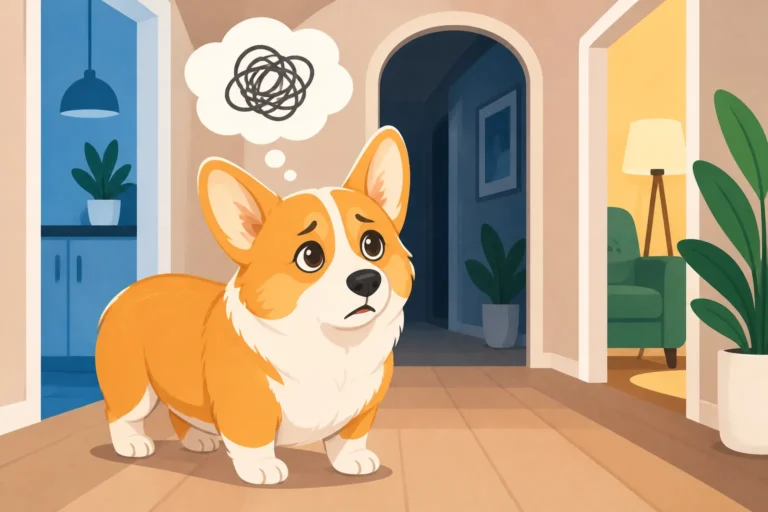
Senior Corgi disorientation stems from canine cognitive dysfunction, vision loss, cataracts, or hearing impairment in aging dogs.

Regular blood panels for senior Corgis over ten reveal silent organ changes in the kidneys, liver, and thyroid.
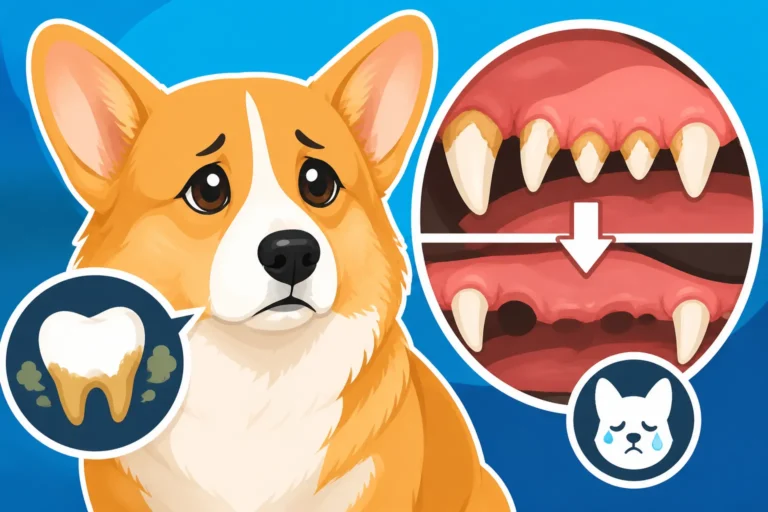
Tartar buildup and periodontal disease in older Corgis cause tooth loss while threatening heart, kidney, and liver health.
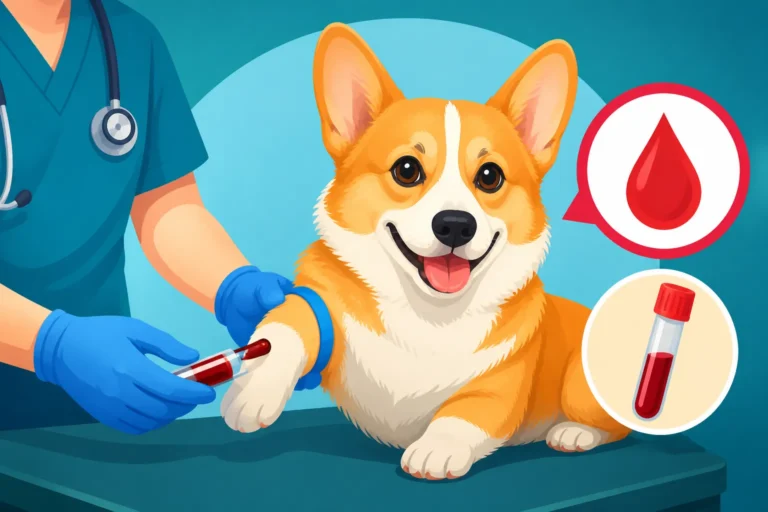
Pre-anesthetic testing for Corgis with bleeding disorders identifies clotting risks like Von Willebrand Disease before surgical procedures.

Early neutering affects bone growth and joint stability research, explaining how sex hormones influence skeletal development in Corgis.
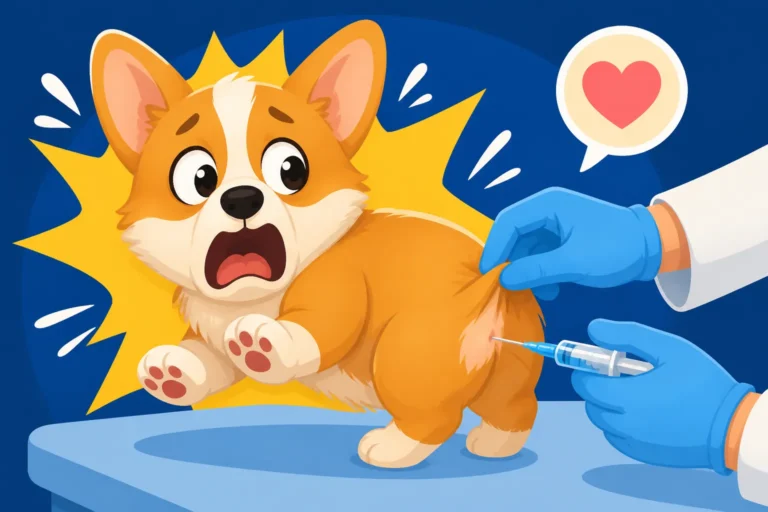
Corgi puppy vaccine reactions include mild lethargy, soreness, and fever that typically resolve within forty-eight hours.
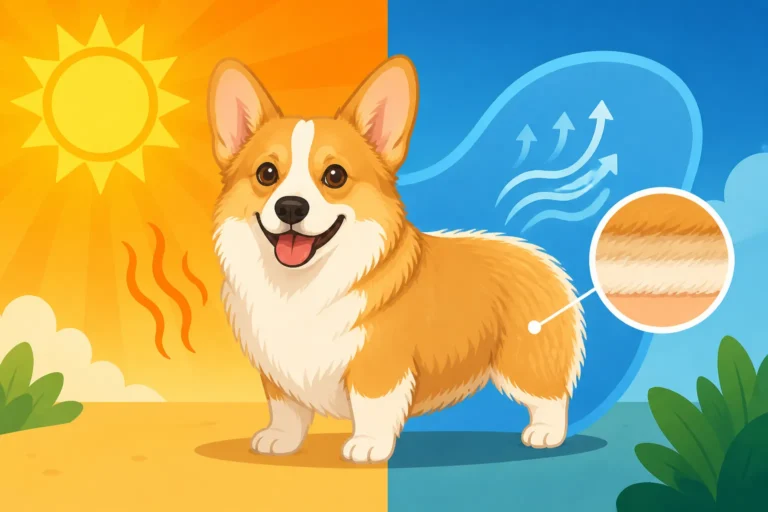
Corgi double coats regulate body temperature in summer, and shaving removes natural insulation and protection against sunburn.
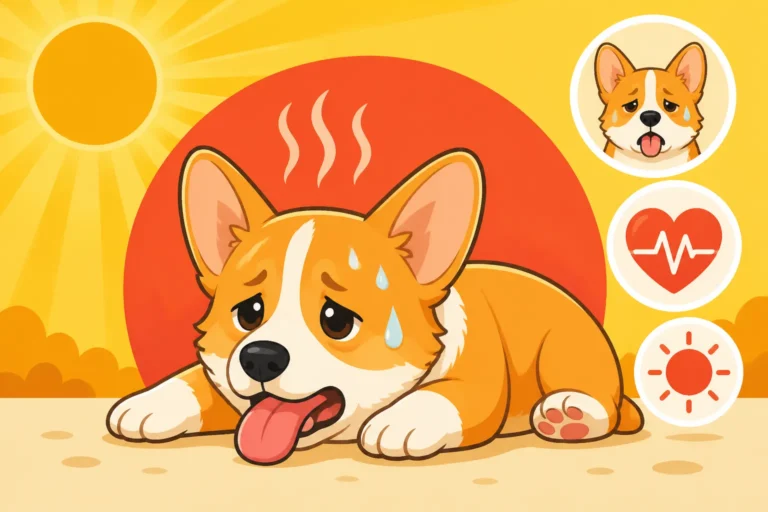
Corgi heat stroke signs, double coat risks, and low body shape factors explain why these active herding dogs overheat quickly.

Corgi body temperature regulation in summer involves double coat insulation, shorter snouts, and low stature near hot ground.
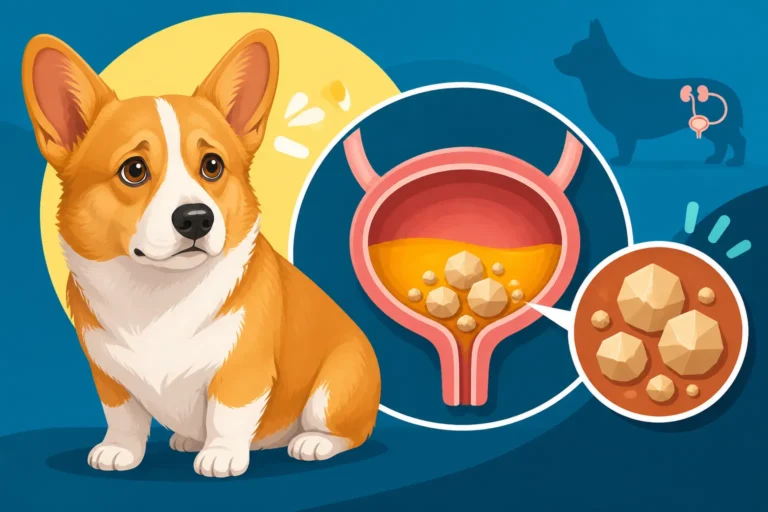
Corgi bladder stones form due to genetic mutations, diet, and metabolism, causing painful urinary blockages and health issues.