Wet Patches That Turn Into Corgi Hot Spots
Corgi hot spots are rapid acute moist dermatitis skin infections caused by trapped moisture under thick coats, forming painful red lesions.
Know what to watch for.
Breed-specific conditions, screening and DNA tests, what surgery actually costs, and the daily habits that stretch a healthy lifespan.
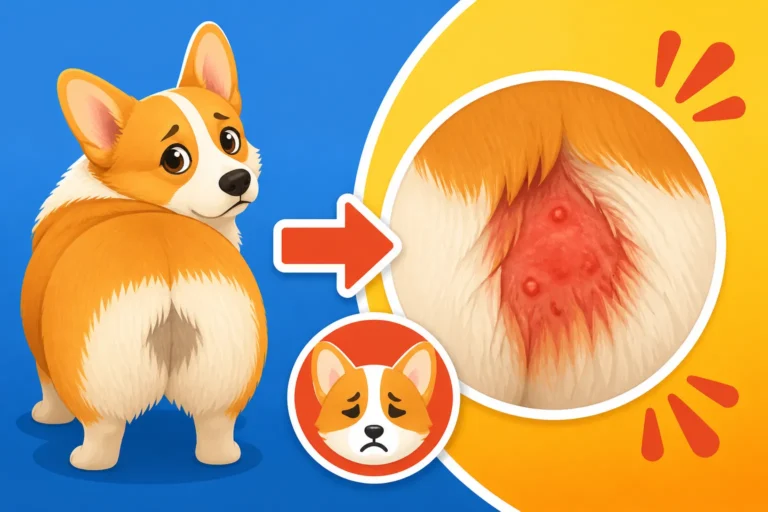
Corgi hot spots are rapid acute moist dermatitis skin infections caused by trapped moisture under thick coats, forming painful red lesions.
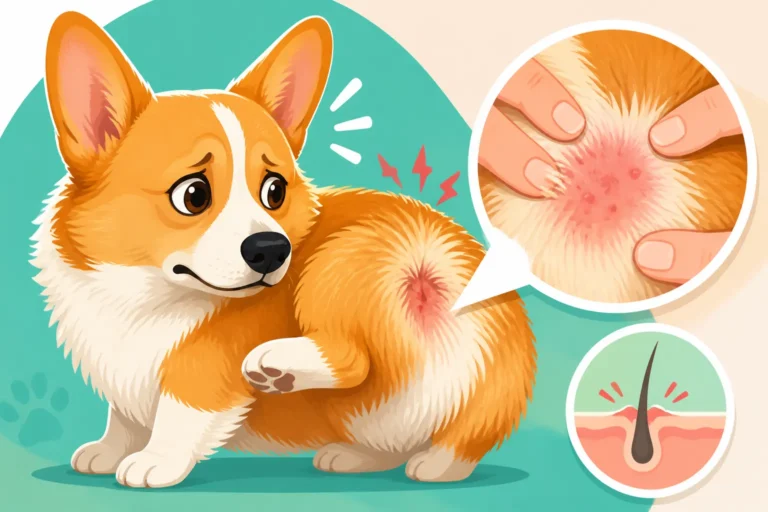
Corgi double coats trap allergens, moisture, and shed hair, causing skin irritation, bacterial growth, and yeast infections.

Corgi upright ears feature L-shaped canals that still trap wax, dirt, and moisture despite having good external air circulation.

Corgi spinal health and chondrodystrophic genetics explain why a harness protects vulnerable long backs better than a collar.

Hydrotherapy for a recovering Corgi provides buoyancy to reduce joint stress and safely rebuild lost muscle mass after spinal surgery.

Acupuncture for Corgi back pain explains how the therapeutic treatment works for spinal issues and intervertebral disc disease.

Degenerative Myelopathy screening for Corgi puppies explains the genetic test, SOD1 gene mutation, and how results inform future care decisions.

Degenerative Myelopathy and Intervertebral Disc Disease cause hind leg paralysis in Corgis, requiring immediate veterinary diagnosis and care.

Corgi mobility aids and paralysis support options help dogs with spinal cord conditions, Intervertebral Disc Disease, and Degenerative Myelopathy.
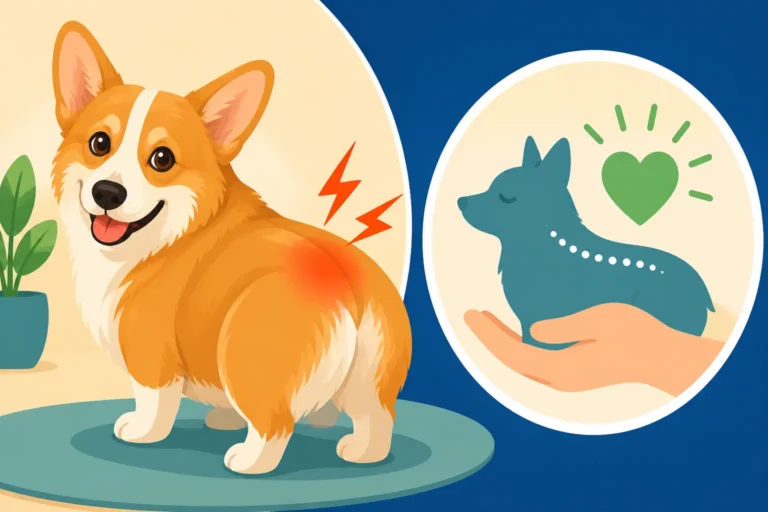
Long bodies and short legs predispose the breed to back conditions, so telling normal age-related stiffness from genuine pain is the first step to comfort.