How Most Owners End Up With a Corgi
Royal association and social media virality explain why unexpected circumstances often lead people to own Corgis.
Is this the right one for you?
Origins and temperament, size and coat, what living with one is actually like, and how it compares to the breeds people weigh against it.

Royal association and social media virality explain why unexpected circumstances often lead people to own Corgis.

The Corgi and the Australian Shepherd compared by heritage, working origins, herding styles, and suitability as family pets.

Corgis raised with children require careful management because herding instincts and independent traits can trigger ankle nipping and bossy behaviors.

Corgi spinal health, jumping risks, and exercise needs explain whether these herding dogs thrive without stairs or yards.

First-time Corgi owners learn about strong herding instincts, heel nipping, and barking behaviors before bringing a dog home.
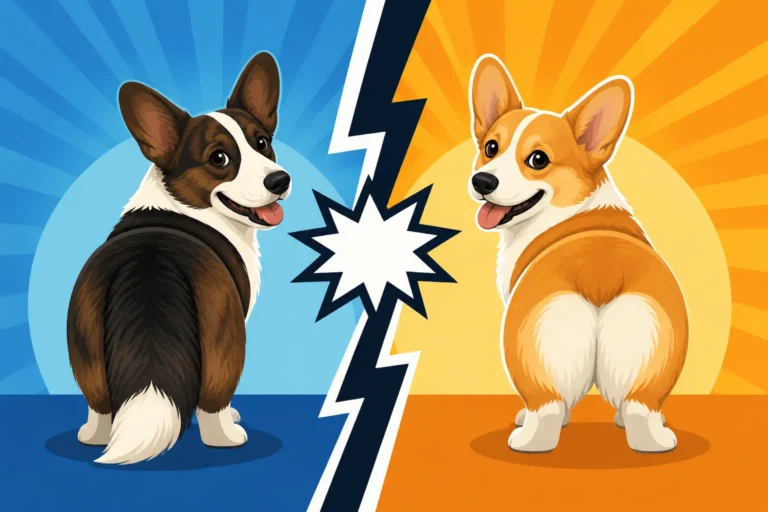
Cardigan and Pembroke Corgi tails differ because of ancient breed histories, specific standards, and historical docking practices.
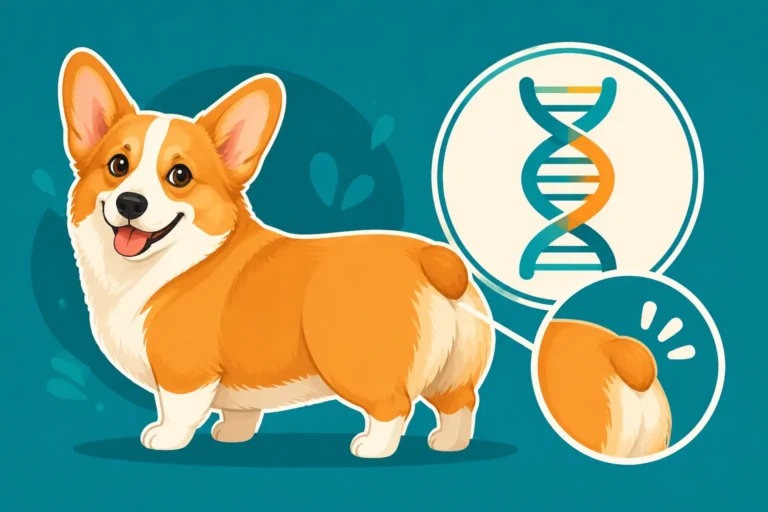
The natural bobtail gene in Corgis causes some dogs to be born with short tails instead of undergoing surgical docking.
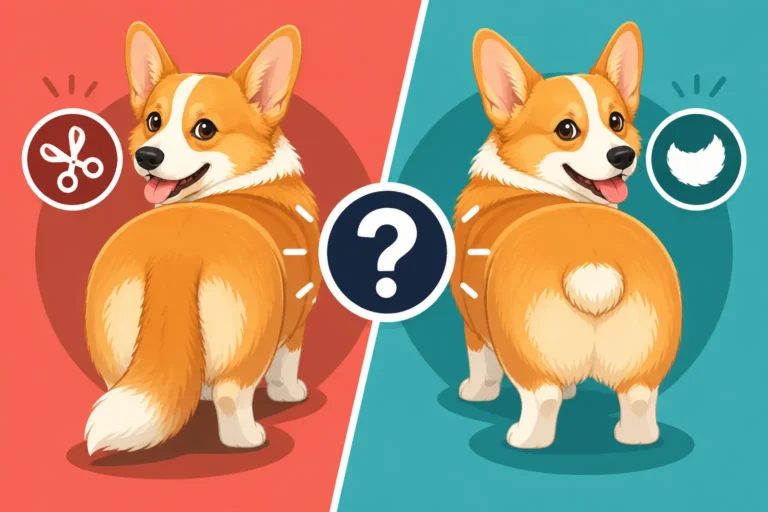
Corgi tail lengths, history, and genetics explain why some dogs are born with natural bobtails while others have docked nubs.

The fluffy Corgi possesses a recessive gene causing long fur, differing from the official breed standard requiring a medium length coat.
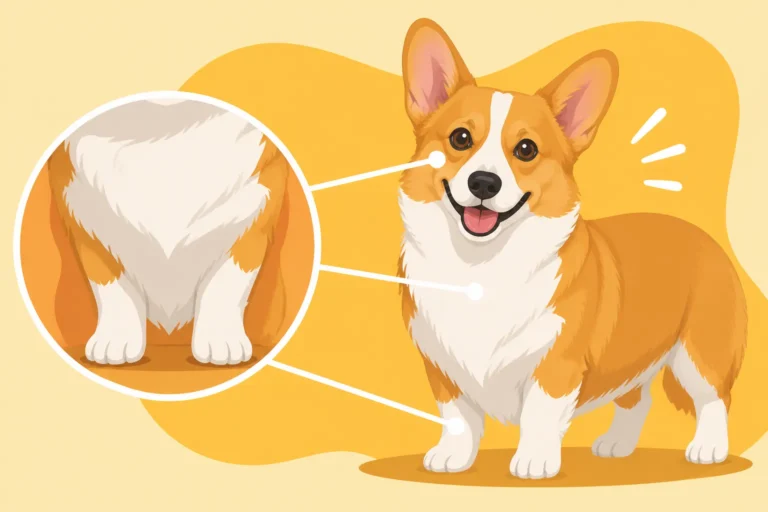
Pembroke and Cardigan Welsh Corgi breed standards define acceptable locations and limits for white markings on the legs and chest.