Burrs Caught in Corgi Leg Feathering
Sticky burrs caught in Corgi leg feathering cause pain and mats, which require proper removal tools and prevention strategies.
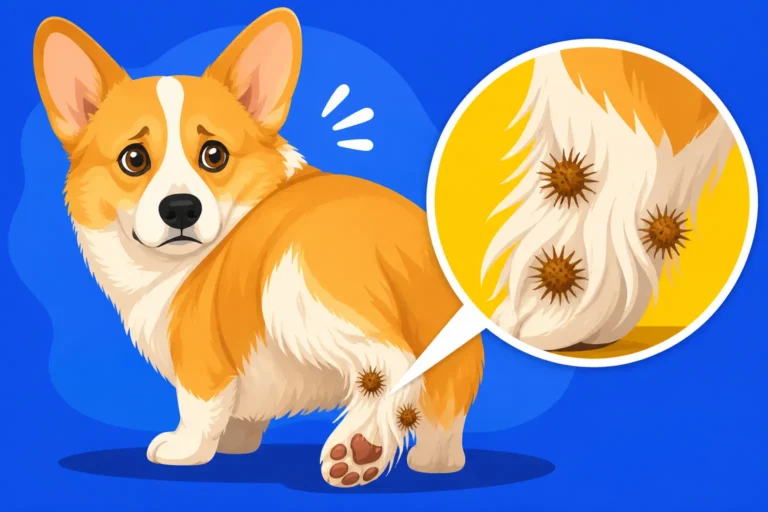
Sticky burrs caught in Corgi leg feathering cause pain and mats, which require proper removal tools and prevention strategies.
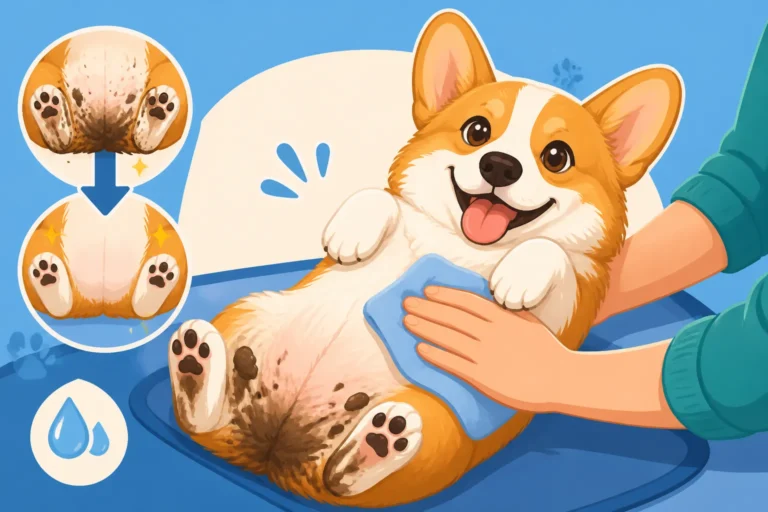
Cleaning a muddy Corgi belly after a wet walk requires microfiber towels and a station to remove dirt from the double coat.

Corgi trousers and skirt fur types, historical herding purposes, and specific grooming methods for keeping hind ends clean.
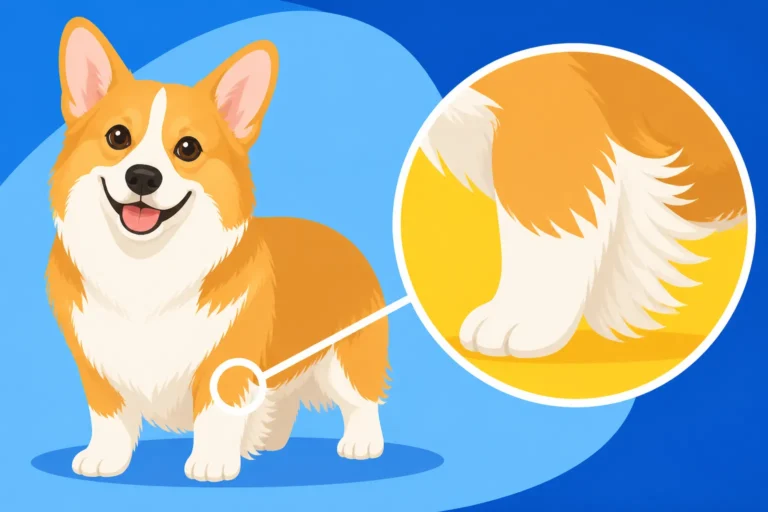
Corgi front leg feathering collects mud, burrs, and debris daily, requiring specific coat care and tangle prevention methods.

Corgi winter care details the double coat limitations, belly exposure near cold ground, grooming requirements, and paw safety hazards.

Corgi coat color changes stem from genetics, melanin production, and sun exposure, altering shades as puppies mature into adults.

Corgi double coat guard hairs and undercoat layers regulate summer temperature, but shaving removes insulation and causes sunburn.
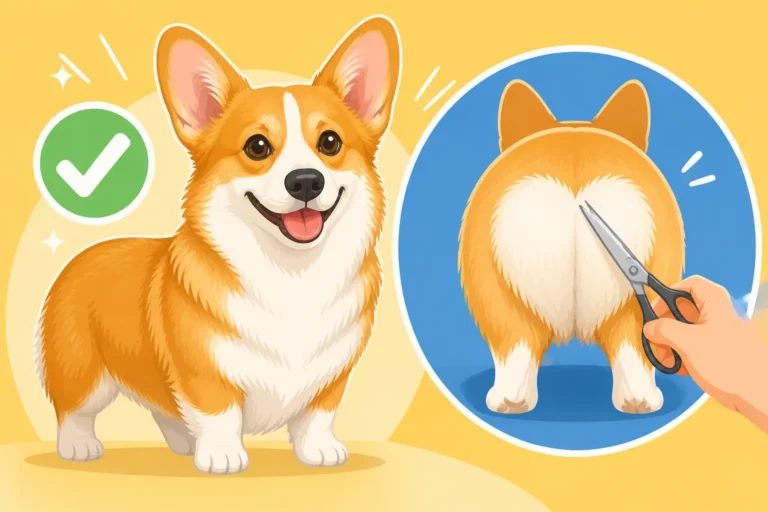
Corgi coat trimming methods explained, detailing safe hygiene cuts and why shaving ruins the protective outer and inner layers.
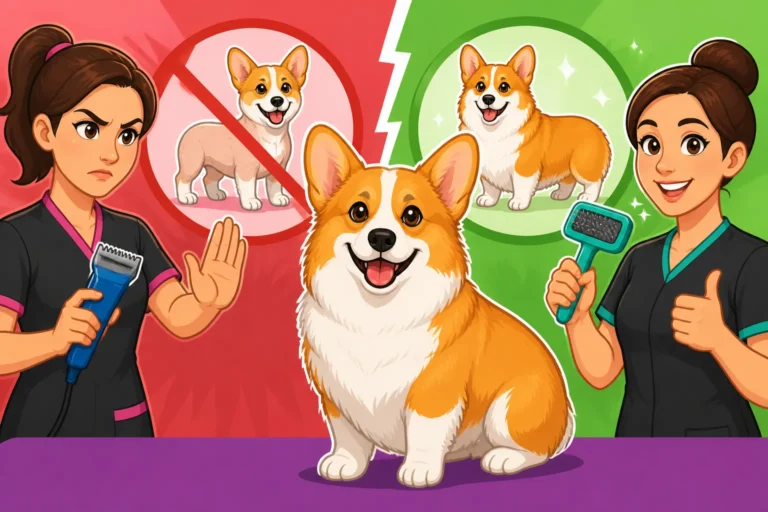
Shaving a Corgi removes the guard hairs and soft undercoat, creating risks of sunburn and heatstroke while damaging fur.
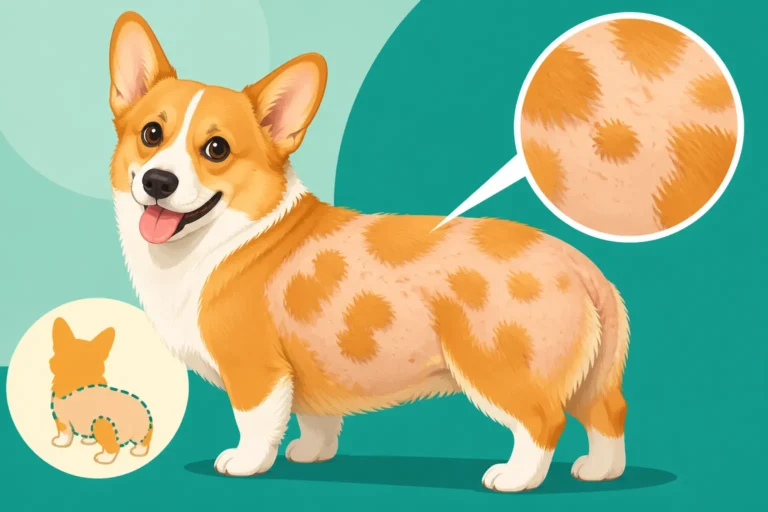
Corgi clipping ruins double coats because fast undercoats and slow guard hairs grow back unevenly across twenty-eight pound working dogs.