Whether a Corgi Suits Shared Walls
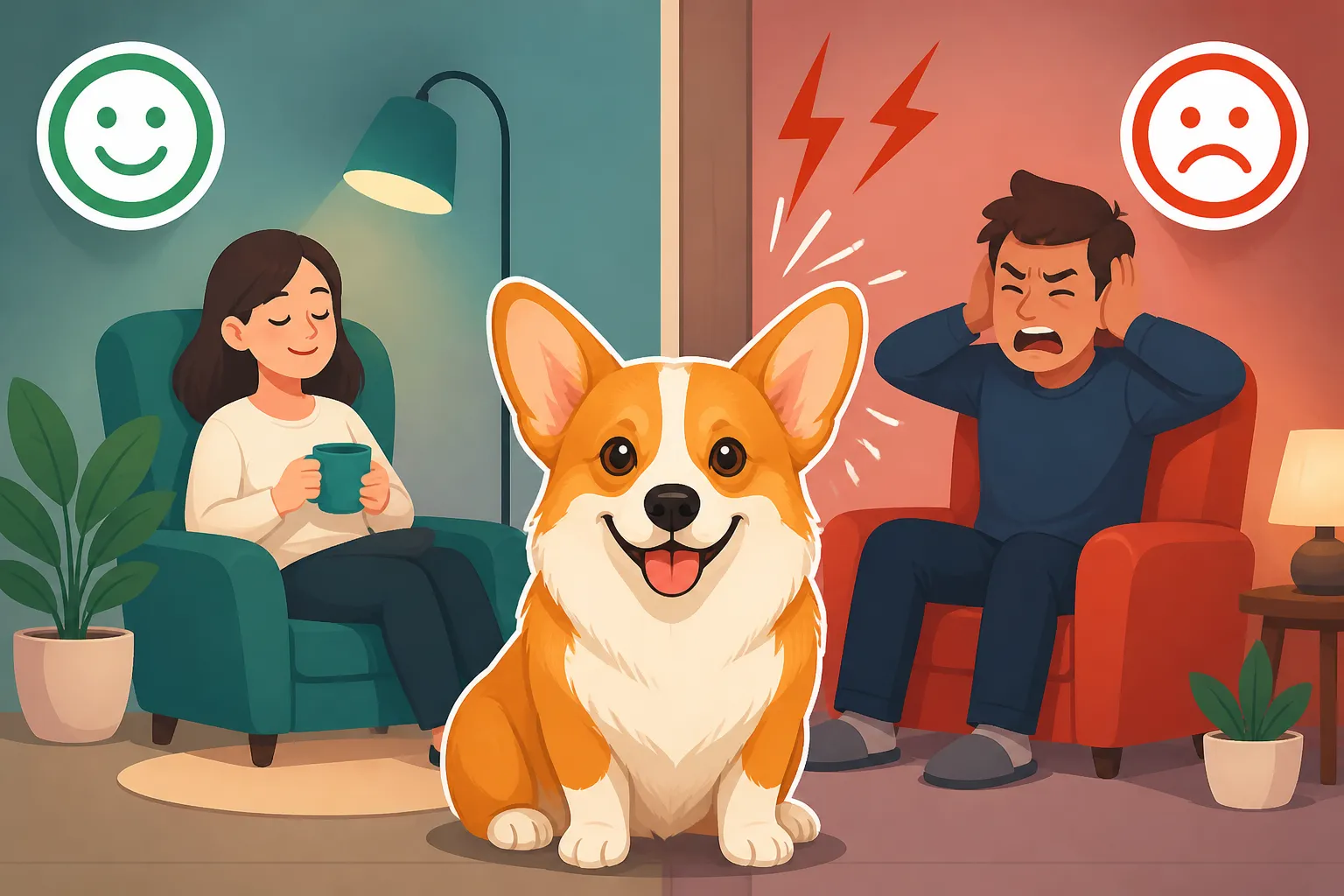
One of the biggest worries I hear from prospective Corgi owners who live in apartments, condos, or townhouses is about their little pups' legendary vocal cords. It's a completely valid concern – nobody wants to be that neighbor whose dog barks relentlessly, causing friction and stress. This comprehensive guide will tackle the age-old question of whether a Corgi truly suits shared walls, offering realistic insights and actionable strategies to help your Corgi thrive in a multi-family dwelling without driving everyone (including you) to distraction.
Understanding the Corgi's Vocal Nature
Let's get one thing straight: Corgis are barkers. It's not a flaw; it's deeply ingrained in their heritage. These stout, intelligent dogs were bred for centuries to herd cattle by nipping at their heels and, crucially, using their voices to communicate and command. They needed to be alert and vocal to do their job, and that instinct hasn't faded just because they now live on your sofa instead of a Welsh farm.
Why Corgis Bark So Much
Their history as working dogs means they are naturally predisposed to using their voice for a variety of reasons. They bark to alert you to perceived threats (a leaf blowing past the window, a squirrel, a person walking down the hall), to demand attention or play, out of boredom, frustration, or even just because they're excited. This isn't to say all Corgis are excessive barkers, but the potential is certainly there. You might find yourself wondering Why Corgis Bark More Than Most compared to other breeds you've encountered. It’s a part of their charm for some, and a challenge for others.
Imagine your Corgi, Tater Tot, chilling on the couch, then suddenly a delivery person walks by your apartment door. Tater Tot doesn't know it's just a delivery – he thinks it's a potential intruder, and his herding instincts kick in to warn you and scare them off. This protective, territorial barking is one of the most common complaints in shared living spaces. Similarly, a bored Corgi, left alone for hours without adequate mental or physical stimulation, might resort to barking as a self-soothing mechanism or a desperate plea for engagement.
Differentiating Normal From Excessive Barking
It's important to set realistic expectations for Corgi Barking and How Much Is Normal. A Corgi that barks a few times when someone knocks at the door, or lets out a string of "woofs" during an exciting playtime, is perfectly normal. This is their way of communicating and expressing themselves. However, if your Corgi barks non-stop at every little sound, paces anxiously while barking when you leave, or starts barking at inanimate objects, then you're likely dealing with excessive barking.
One way to think about it is context. If your Corgi only barks when there's a clear, definable trigger, and stops relatively quickly once you acknowledge it or the trigger passes, that's often manageable. It becomes problematic when the barking is persistent, seems random, or is impossible to interrupt. Your neighbors will be much more tolerant of a few barks here and there than an hour-long concert every afternoon. The goal isn't necessarily to silence your Corgi entirely, but to teach them appropriate boundaries and responses to stimuli, especially when you share walls.
Managing Corgi Barking in Close Quarters
Living with shared walls means being extra proactive about managing your Corgi's vocal tendencies. It’s not about stifling their personality, but channeling it constructively and teaching them when their voice is welcome, and when it needs to be quiet.
Training for a Quiet Corgi
Effective training is your absolute best friend when it comes to a Corgi in an apartment or condo. Start early, be consistent, and use positive reinforcement. Teaching a "quiet" cue is paramount. When your Corgi barks at something, let them bark once or twice, acknowledge the trigger (e.g., "Thank you, I see the squirrel!"), then immediately distract them with a treat or toy. Once they're quiet for a few seconds, reward them heavily. You are essentially teaching them that a couple of barks are okay, but then they need to look to you for guidance and quiet down. Online resources, like those offered by BAXTER & Bella, can provide structured training programs that are incredibly helpful for new puppy owners navigating these exact challenges.
Another vital training aspect is teaching your Corgi to be calm and settled when home alone. Many Corgis develop separation-related barking if they aren't properly conditioned to alone time from a young age. Practice leaving for very short periods, gradually increasing the duration. Ensure they have engaging toys or chews to occupy them. You might also want to teach your Corgi to stop on cue, which can be a lifesaver when the doorbell rings or an unexpected noise startles them. This command gives you direct control over their vocal outbursts, helping you manage situations before they escalate into a neighborhood-wide announcement.
Minimizing Environmental Triggers
In a shared living space, reducing the number of barking triggers is crucial. This often means limiting visual access to hallways or windows where people, other dogs, or "threats" might pass by. Heavy curtains, window film, or even strategically placed furniture can block sightlines. You might also consider using white noise machines or turning on a radio to classical music when you leave, to help mask ambient building noises that could set off your Corgi's alarm bells. These small adjustments can make a huge difference in creating a calmer environment for your Corgi and your neighbors.
| Barking Trigger | Apartment Management Strategy |
|---|---|
| Doorbell/Knocks | Train "place" command; desensitize with planned knocks; reward quiet. |
| Hallway Foot Traffic | Block visual access with opaque film/curtains; use white noise machine. |
| Outdoor Sounds (sirens, car doors) | Play calming music; ensure secure windows; create a "safe space". |
| Neighbor's Dog Barking | Redirect attention with high-value treats/toys; counter-condition. |
| Boredom/Lack of Attention | Provide puzzle toys (like those found on Amazon); increase mental stimulation; consistent exercise. |
| Separation Anxiety | Gradual desensitization to alone time; calming supplements (vet-approved); secure crate. |
Soundproofing and Neighborly Relations
While you can't typically soundproof an apartment completely, there are steps you can take. Thick rugs, heavy drapes, and even strategically placed bookshelves full of books can help absorb sound. For extreme cases, some specialized acoustic panels can be temporarily installed, but for most Corgi owners, focusing on training and trigger reduction is more effective.
Open communication with your neighbors is key. If your Corgi is struggling with barking, a polite conversation can go a long way. Let them know you're aware of the issue and actively working on it. Sharing your training efforts and asking for their patience can build goodwill and prevent complaints from escalating. Sometimes, even leaving a small "apology" gift with a note can smooth things over. Remember, your relationship with your neighbors is part of the Corgi ownership experience in a multi-family dwelling. Being proactive rather than reactive shows respect and responsibility.
Exercise and Mental Stimulation for Apartment Corgis
Just because a Corgi has short legs doesn't mean they're couch potatoes. Far from it! These are active, intelligent herding dogs who need a significant amount of physical and mental engagement to prevent boredom, which is a major contributor to unwanted behaviors like excessive barking. Providing sufficient outlets for their energy and brains is non-negotiable, especially in an apartment setting.
Daily Physical Outlets
Even without a sprawling yard, a Corgi needs regular, structured exercise. This means at least two good walks a day, lasting around 30-45 minutes each, incorporating brisk walking, sniffing, and perhaps some controlled playtime. Remember, they have short legs, so a 30-minute walk for a Corgi is more strenuous than for a long-legged breed. The key is consistency. A good walk isn't just about burning off physical energy; it's also about mental stimulation through exploring new smells and sights. You want to make sure your Corgi gets The Forty-Five Minutes a Corgi Needs Daily or more, tailored to their age and fitness level.
Beyond walks, consider indoor games. Fetch in a long hallway, hide-and-seek with treats, or even just chasing a toy can help burn off steam. Short, intense bursts of play can be surprisingly effective. If you have access to a secure, fenced area nearby, off-leash play where they can truly gallop and zoom can be invaluable for their overall well-being. However, always ensure their back is protected; avoid excessive jumping or twisting motions during play.
Engaging the Corgi Brain
Corgis are smart cookies, and a tired brain is just as important as a tired body for preventing problem behaviors. Mental stimulation is critical in an apartment environment where physical space might be limited. Puzzle toys are fantastic for this; fill them with kibble or treats and let your Corgi figure out how to get them out. Brands like Kong and other options available on Amazon offer a wide range of difficulty levels. Snuffle mats and sniffer walks (allowing your Corgi to thoroughly investigate scents on their walks) are also excellent for engaging their powerful noses and minds.
Training sessions, even short 5-10 minute bursts a few times a day, are great mental workouts. Work on basic obedience, new tricks, or even advanced concepts if your Corgi is up for it. This interaction strengthens your bond and gives their brain a satisfying challenge. For a breed that was historically given The Job a Corgi Needs Instead of Herding You, finding constructive ways for them to use their intelligence is vital. Some owners even get into scent work or trick training indoors, which can be done without much space.
Preventing Back Problems in an Apartment
A crucial consideration for Corgis in any home, but especially one with shared walls and potentially more stairs, is protecting their long backs. Due to their chondrodystrophic (dwarfism) genetics, Corgis are prone to Intervertebral Disc Disease (IVDD). This means that every jump off a couch, every scramble down stairs, puts stress on their spine. In an apartment, where furniture might be higher or stairs more prevalent, this risk can increase.
This is where thoughtful home setup comes into play. Provide dog-friendly ramps or steps for access to furniture and beds. You'll thank yourself later for teaching your Corgi to use a ramp from a young age, saving their back years down the line. Avoid activities that involve excessive jumping or twisting. Ramps and Steps That Save a Corgi's Back are not just a luxury; they're a necessity for a Corgi's long-term health, regardless of whether you're in a house or an apartment.
Setting Up Your Shared-Wall Home for a Corgi
Making your apartment or condo Corgi-friendly goes beyond just managing barking. It involves creating a safe, comfortable, and stimulating environment that caters to their specific needs and helps mitigate the challenges of shared living.
Creating a Safe and Secure Space
Every Corgi, especially one in an apartment, benefits immensely from having their own designated safe space – typically a crate or a cozy corner. This should be a comfortable haven where they can retreat, rest, and feel secure. This is particularly important for managing alone time or if they need to be confined for short periods, such as during recovery from a medical issue. A well-placed crate, outfitted with a soft bed and a favorite chew toy, can prevent boredom-induced barking and provide a sense of security.
For puppies, proper Crate Rest for a Corgi With a Bad Back might be needed if an injury occurs, making early crate training essential. Even if they never have back issues, a crate is a valuable tool for house-training and safe confinement. Ensure their crate is in a quiet area, away from direct sunlight or drafts, and consider draping a light blanket over it to make it feel even more den-like.
Corgi-Proofing Your Living Space
While Corgis are small, they are incredibly curious and can get into mischief. Puppy-proofing your apartment means securing cabinets, removing toxic plants, and making sure electrical cords are out of reach. Given their low stature, they're also prone to getting dirty easily, especially their bellies, so be prepared for regular paw and belly wipes after walks. Consider placing easy-to-clean mats at entrances to contain mud and moisture.
For adult Corgis, focus on minimizing opportunities for spinal stress. As mentioned, ramps for furniture are crucial. If you have stairs, consider baby gates to restrict access, or always carry your Corgi up and down, making sure to support their back properly. Even short, carpeted stairs can be a risk over time. Think about flooring as well; slippery surfaces like tile or hardwood can be tough on their joints and back, increasing the risk of slips and falls. Runners or area rugs can provide better traction.
The Commitment Required
Ultimately, whether a Corgi suits shared walls comes down to the owner's commitment. A Corgi is not a low-maintenance breed, regardless of its size or living situation. They require consistent training, daily exercise, ample mental stimulation, and a proactive approach to their health, especially their backs. If you're prepared to put in the time and effort, to be diligent about training the "quiet" command, to provide stimulating activities, and to modify your home to protect their spine, then a Corgi can absolutely thrive in an apartment or condo.
It's a misconception that a dog needs a huge yard to be happy. A Corgi with a dedicated, engaged owner who takes them on adventures (even if those adventures are just long walks in the park) and plays brain games with them will be far happier than a Corgi left alone in a massive yard all day with no interaction. The challenge of shared walls can be met with proper planning, consistency, and a deep understanding of your Corgi's unique needs.
Disclaimer
This article is for general informational purposes only and does not constitute professional advice. Laws, prices and regulations vary by location and change over time. Consult a qualified professional for guidance on your specific situation.