Microchip and License Fees for a Corgi
Bringing a new Corgi into your life is absolutely bursting with joy, but let's be honest, it also comes with a whole new list of responsibilities and sometimes unexpected expenses. One area that often leaves new owners scratching their heads involves the mandatory administrative tasks and associated costs, like getting your adorable little herder microchipped and properly licensed. It's easy to overlook these details amidst the puppy cuddles and training excitement, but they are crucial for your Corgi's safety and your peace of mind. This guide will walk you through everything you need to know about microchip and license fees for your Corgi, making sure you're prepared from day one.
Understanding Corgi Microchipping: What It Is and Why It's Crucial
When you welcome a Corgi into your home, you're not just getting a pet; you're gaining a family member who depends on you for their safety and well-being. Microchipping might seem like just another vet procedure, but it's genuinely one of the most important steps you can take to protect your Corgi. It’s a tiny, permanent form of identification that vastly increases the chances of being reunited should the unthinkable happen and your furry friend goes missing.
The Lifesaving Purpose of a Microchip
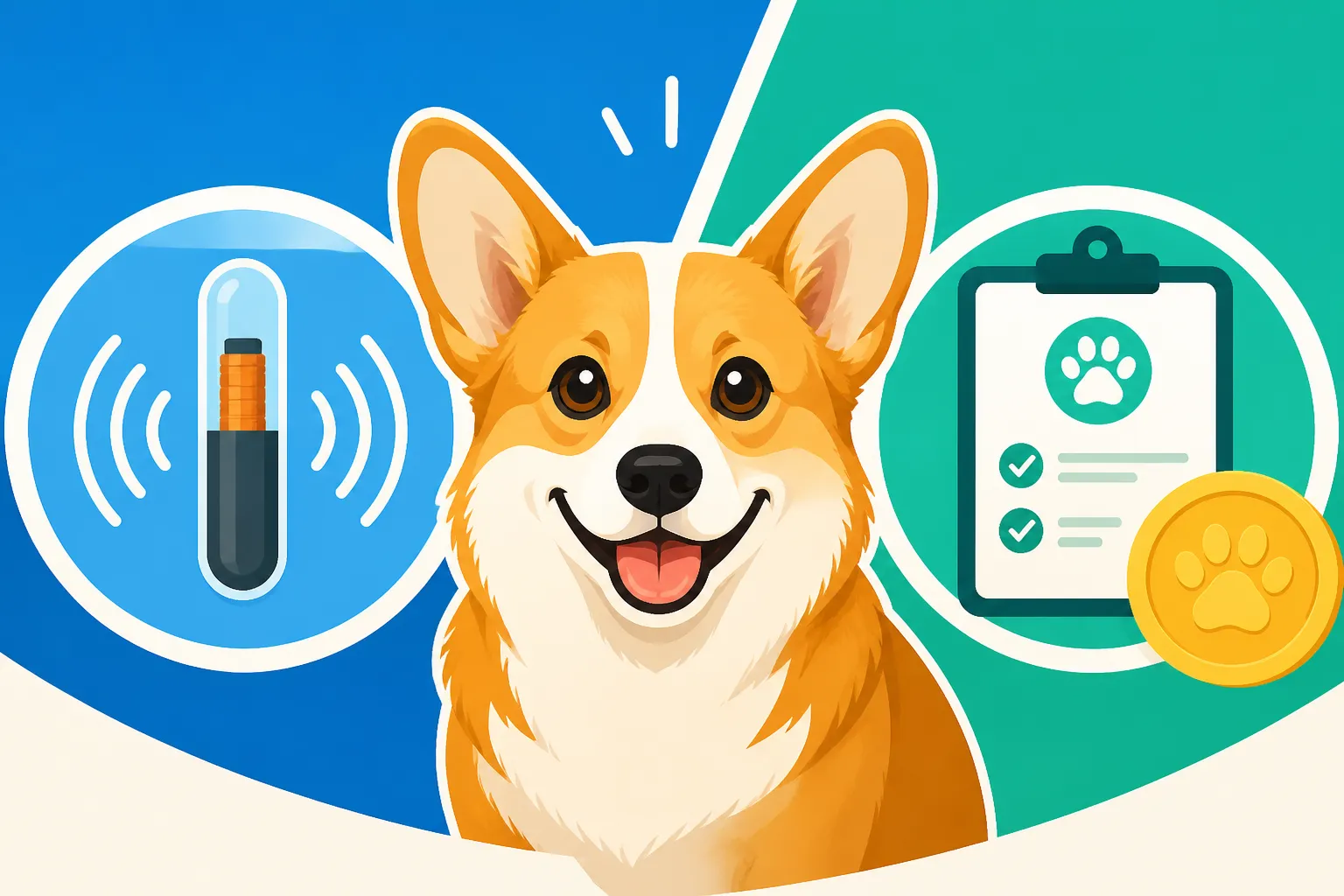
Imagine the sheer panic if your Corgi, perhaps during a moment of curiosity on a walk, slips their leash or, even worse, if a gate is accidentally left open and they wander off. Collars and tags are fantastic, and absolutely necessary, but they can break, fall off, or become unreadable. A microchip, however, is a tiny electronic device, about the size of a grain of rice, that's implanted just under your Corgi's skin, usually between the shoulder blades. It carries a unique identification number that can be scanned by any vet clinic, animal shelter, or humane society. This means that if your Corgi is found, they can be scanned, and your contact information can be retrieved from the microchip registry, allowing for a swift reunion. It's a silent guardian, working tirelessly in the background.
It's truly heartbreaking to hear stories of lost pets who are never reunited with their families, often simply because they lacked permanent identification. A microchip eliminates this heartbreaking uncertainty, providing a secure, tamper-proof link back to you. Even if your Corgi is microchipped by the breeder, which is often the case these days, it's essential to ensure that the registration is transferred into your name and your current contact details are updated immediately. This seemingly small step is a giant leap for your Corgi's safety. For new owners, understanding all the initial steps is key, and you can learn more in Setting a House Up for a Corgi Puppy.
The Simple Process of Microchip Implantation
The actual process of microchipping is remarkably quick and generally causes no more discomfort than a routine vaccination shot. Your veterinarian will use a special sterile needle to inject the microchip under the skin. There's no surgery involved, no anesthetic needed, and most Corgis barely react, often more interested in the treat that follows! Because the chip is biocompatible, it won't cause any adverse reactions and will stay safely in place for your Corgi's entire life.
Following the implantation, you'll receive a form with the microchip's unique ID number and instructions on how to register it. This registration is the critical second step. Without it, the microchip is just a number in your Corgi; it doesn't connect to you. You'll need to submit your contact information to a national pet recovery database. Many microchip manufacturers have their own databases, and often your vet can help you navigate this. It's a one-time procedure that offers lifelong protection, making it an invaluable investment in your Corgi's future.
Ongoing Microchip Registration and Maintenance
Getting your Corgi microchipped is just the beginning; maintaining accurate registration information is equally vital. Think of it this way: the microchip is your Corgi's personal ID number, but the database is the phonebook that links that number to your contact details. If your phone number changes, you move to a new address, or even if you update your email, you must remember to update this information with the microchip registry. Failing to do so can render the microchip useless if your Corgi ever goes missing.
Many microchip registries offer different levels of service, from free basic registration to premium plans that include additional pet alerts or lost pet assistance. While the initial registration might be a one-time fee, some registries charge a small annual or lifetime fee to keep your contact information active and easily accessible. When you're considering the overall The Price a Corgi Puppy Actually Fetches, remember to factor in these smaller, essential costs. Companies like Healthy Paws, while known for pet insurance, often encourage microchipping as a fundamental part of responsible pet ownership, understanding its role in recovery. It’s a small ongoing effort for immense peace of mind.
Navigating Corgi Licensing Requirements and Fees
Beyond microchipping, obtaining a license for your Corgi is another non-negotiable step in responsible pet ownership. It's not just a bureaucratic hoop; it's a vital part of local community safety and animal welfare. Licensing demonstrates that your Corgi is a recognized and cared-for member of your community, and it provides another layer of protection if they ever become lost.
Local Laws and Annual License Renewals
Pet licensing laws vary significantly depending on where you live – state, county, and even city regulations can differ. Generally, most jurisdictions require all dogs over a certain age (often 4-6 months) to be licensed annually. The fees collected from these licenses are usually put back into local animal control services, funding everything from stray animal pick-up to shelter operations and public health initiatives. Neglecting to license your Corgi can result in fines, which are almost always more expensive than the license fee itself.
When you obtain your Corgi's license, you'll typically be issued a tag to attach to their collar. This tag serves as immediate visual proof that your Corgi is registered and up-to-date with local requirements. It's another layer of identification that complements their microchip and personal ID tags. Remember that these licenses need to be renewed, typically on an annual basis, so make sure to mark your calendar! Considering all the initial needs, from The Vet Visits a Corgi Puppy Needs First to routine care, licensing is right up there.
The Benefits of a Licensed Corgi
Beyond simply complying with the law, there are tangible benefits to licensing your Corgi. First and foremost, if your Corgi is found wandering and wearing their license tag, animal control or a kind samaritan can easily look up your contact information directly from the tag number. This often leads to a much faster reunion than waiting for a microchip scan, especially if your Corgi is found outside of regular vet or shelter hours.
Furthermore, a licensed Corgi often means they are up-to-date on their rabies vaccination, as proof of current vaccination is almost always a requirement for licensing. This protects not only your Corgi but also the wider community from preventable diseases. Some areas even offer discounts on license fees if your Corgi is spayed or neutered, encouraging responsible pet population control. It’s all part of the big picture of caring for your Corgi, from selecting nutritious food from retailers like Chewy to ensuring their safety and health.
Discounts and Exemptions for Licensing
It's always worth checking with your local animal control or city clerk's office about potential discounts or exemptions for Corgi licensing. As mentioned, many municipalities offer reduced fees for spayed or neutered pets, recognizing the positive impact of these procedures on pet overpopulation. Additionally, some areas provide special rates or even free licenses for senior pet owners, service animals, or pets adopted from local shelters.
Documentation, such as proof of spay/neuter surgery or rabies vaccination certificates, will almost certainly be required to qualify for any discounts. Keep all your Corgi's veterinary records organized and accessible for these purposes. While licensing is an ongoing cost, these potential savings can make it a little easier on the wallet. It’s part of the comprehensive care you provide, similar to investing in high-quality food, like Ollie, which contributes to their overall well-being. Knowing the typical expenses helps you plan your The First Twelve Months of Corgi Spending effectively.
Budgeting for Initial and Ongoing Corgi Identification Costs
Bringing home a Corgi is a commitment, and being prepared for all the associated costs, big and small, is key to being a responsible owner. Microchip and license fees are two of those smaller, but absolutely essential, expenditures that need to be factored into your budget right from the start.
The Combined Cost of Microchipping and First-Year Licensing
The initial outlay for identifying your Corgi typically involves a one-time microchip implantation fee (if your Corgi isn't already chipped) and the first year's license fee. Microchip implantation at a veterinary clinic can vary, but it’s generally a very affordable procedure, often bundled with other puppy vaccinations or wellness exams. Some animal shelters or community events even offer low-cost microchipping clinics. The microchip registration itself might have a separate, usually nominal, one-time or lifetime fee to keep your details active in the database.
First-year licensing fees also vary by location but are usually quite reasonable, often in a similar range to the microchip cost. Remember, you'll need proof of current rabies vaccination to obtain the license. When you’re budgeting for the overall What a Corgi Costs a Year Before Any Back Trouble, these identification costs are a small but crucial piece of the puzzle. It’s a good idea to call your local animal shelter or city hall to get the exact current rates for your area.
Long-Term Financial Planning for Your Corgi's ID
While microchipping is a one-time procedure, the associated registration might require a small ongoing fee depending on the database, and licensing is definitely an annual commitment. It's easy to forget about these smaller yearly fees, but setting up a reminder or incorporating them into your annual pet budget can prevent any lapses. An unlicensed pet can lead to penalties, and an unregistered microchip means a lost pet might not find its way home.
Consider adding these recurring fees to a dedicated "Corgi fund" alongside money for routine vet visits, food (perhaps from a brand like Ollie, known for quality ingredients), and unexpected emergencies. Thinking about Whether a Savings Account Beats Corgi Insurance is a good exercise for any pet owner, but some costs are simply unavoidable, and identification is one of them. Regular check-ups, like The Annual Exam Where a Corgi's Back Gets Checked, are excellent opportunities to ensure your microchip details are current and visible on your pet's records.
Where to Find Microchip and Licensing Services
Finding where to get your Corgi microchipped and licensed is usually quite straightforward. For microchipping, your primary veterinary clinic is the most common and convenient option. They can implant the chip during a routine appointment, like one of your Corgi's The Vaccine Series a Corgi Puppy Needs Paid For. Additionally, many local animal shelters, humane societies, and even pet supply stores (sometimes in partnership with vets) host low-cost microchipping events throughout the year. Keep an eye on local community calendars or call these organizations directly.
For licensing, your local city or county animal control department, city clerk's office, or sometimes even specific vet clinics are authorized to issue dog licenses. Many jurisdictions now offer online licensing applications, making the process incredibly simple. You’ll typically need to provide proof of current rabies vaccination and, often, proof of spay/neuter if you're seeking a discounted rate. Always double-check your local government's website for the most accurate and up-to-date information on requirements, fees, and where to apply.
Here's a quick overview of typical requirements and what to expect:
| Requirement | Microchip | Dog License |
|---|---|---|
| Purpose | Permanent ID, lost pet recovery | Legal compliance, local pet registry |
| Method | Small chip inserted under skin | Tag for collar, entry in local database |
| Proof Needed | None for implantation; personal info for registration | Rabies vaccination, spay/neuter certificate (for discounts) |
| Typical Cost Shape | One-time fee for implantation/registration | Annual renewal fee |
| Where to Get | Vet clinics, shelters, low-cost clinics | City/county animal control, clerk's office |
| Updates Needed | Whenever contact info changes | Annually for renewal |
Making sure your Corgi is properly identified with both a microchip and a license is a fundamental part of responsible pet ownership. It's a small administrative effort that yields enormous benefits for your Corgi's safety and your peace of mind.
Disclaimer
This article is for general informational purposes only and does not constitute professional advice. Laws, prices and regulations vary by location and change over time. Consult a qualified professional for guidance on your specific situation.