Crates and Pens for a Corgi Puppy
Bringing a new Corgi puppy home is an exhilarating time, full of wagging nubs and tiny, adventurous paws. However, it also comes with the big responsibility of keeping your little herder safe, especially with their unique long backs. This comprehensive guide will walk you through everything you need to know about using crates and pens effectively, ensuring your Corgi puppy grows up happy, healthy, and well-adjusted while protecting their delicate spine from early mishaps.
Why Crates and Pens Are Non-Negotiable for Corgi Puppies
For any puppy, crates and pens are invaluable tools. For a Corgi puppy, they are truly indispensable. These aren't just about convenience; they are about safety, health, and setting your Corgi up for success from day one, especially considering the breed's predisposition to certain spinal issues.
Safety First: Protecting That Precious Corgi Spine
One of the most defining characteristics of a Corgi is its long back and short legs, a body type that, while adorable, makes them particularly vulnerable to spinal injuries. A clumsy puppy, still learning how to navigate the world, can easily take a tumble off a sofa, misjudge a jump, or get into rough-and-tumble play that could have serious consequences for their developing spine. This is why containment is so crucial.
A crate acts as a physical barrier, preventing your Corgi puppy from engaging in risky behaviors when you can't supervise them directly. Imagine a busy morning: you turn your back for a moment to grab coffee, and your little explorer decides to scale a chair or leap off the armrest. These seemingly small incidents can contribute to spinal problems later in life, issues like Disc Disease in a Long-Backed Corgi. By providing a controlled environment, you drastically reduce the chances of accidental injury.
Beyond falls and jumps, puppies are notorious for investigating everything with their mouths. Electrical cords, small choking hazards dropped by children, toxic houseplants, or even just chewing on inappropriate furniture can all lead to emergency vet visits. A pen or crate ensures that when you're not able to give 100% of your attention, your Corgi puppy is in a safe, puppy-proofed zone where they can't get into trouble, keeping them away from potential dangers that could harm them or necessitate expensive medical interventions.
Essential for Potty Training and Routine Building
Corgis are incredibly intelligent, but like all dogs, they thrive on routine and clear expectations. Crates and pens are powerful allies in establishing good potty habits from the very beginning. Dogs, by nature, are clean animals and are generally reluctant to soil their sleeping area. This innate denning instinct is what makes crate training so effective for housebreaking.
When your Corgi puppy is in their appropriately sized crate, they learn to "hold it" because they don't want to mess their bed. This teaches them bladder and bowel control and encourages them to eliminate when they are let out. Consistency is absolutely key here. Taking your puppy straight from their crate to their designated potty spot outside, praising them lavishly when they go, and then bringing them back in for supervised play or a return to their pen helps them understand the process quickly. This consistent approach is far more effective than allowing them free run of the house, which often leads to accidents and confusion, prolonging the potty training process. You can find more helpful advice on this topic in our article, Toilet Training a Corgi Puppy Indoors and Out.
Furthermore, crates and pens help establish a predictable daily rhythm. Puppies need a lot of sleep, often more than owners realize. A crate provides a quiet, undisturbed space for naps, preventing them from becoming overtired and cranky. It also helps manage their meal times, playtime, and rest periods, which are fundamental for a well-behaved and emotionally balanced puppy. By structuring their day with crate time, pen time, and supervised free time, you teach your Corgi puppy to self-regulate and understand when it's time to play and when it's time to settle down.
Creating a Safe Haven for Your Corgi
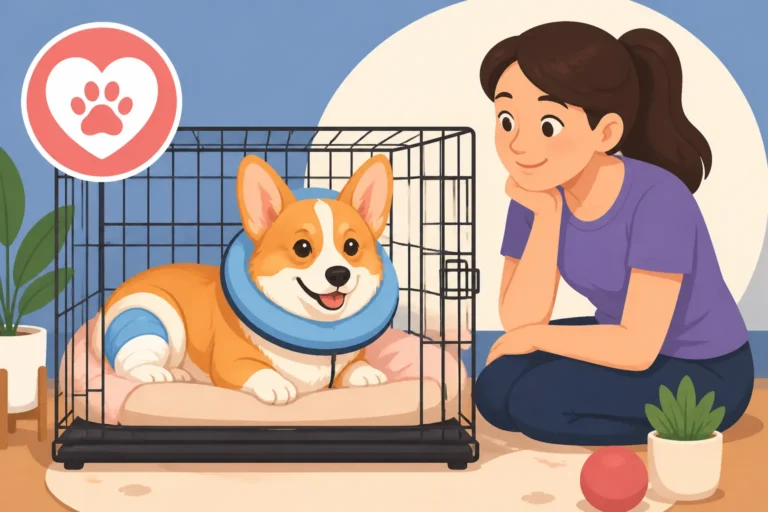
It's easy to view a crate as a cage, but that's really not how your Corgi should perceive it. With proper introduction and positive reinforcement, the crate becomes your puppy's personal sanctuary – a comforting, secure den where they can retreat, relax, and feel safe. This is especially important in busy households with children or other pets, where a puppy might sometimes feel overwhelmed.
A well-appointed crate, complete with a comfy bed, a favorite chew toy, and perhaps a blanket that smells like you, becomes their private bedroom. This space allows them to decompress, chew on appropriate items, or simply enjoy some quiet time without being bothered. This mental and emotional benefit is just as important as the physical safety aspect.
Moreover, having a dog that is comfortable and content in a crate makes life much easier for you. Whether it's a vet visit, traveling by car, or staying at a pet-friendly hotel, a Corgi accustomed to their crate will be less stressed in new environments. This adaptability is a gift you give your dog that will benefit them throughout their entire The Twelve to Fifteen Year Corgi Lifespan. Think of it as teaching them to feel secure, no matter where they are, by providing a consistent, familiar space.
Choosing the Right Crate for Your Corgi Puppy
Selecting the perfect crate isn't just about picking the first one you see. It requires careful consideration of your Corgi's size, temperament, and your household needs.
Sizing Up Your Corgi: Not Too Big, Not Too Small
The cardinal rule of crate sizing, especially for puppies, is "just enough room." This means your Corgi puppy should be able to stand up, turn around, and lie down comfortably. If the crate is too large, your clever Corgi might decide to use one end as a bathroom and the other as a sleeping area, which completely undermines your potty training efforts. Too small, and it's uncomfortable and inhumane, preventing them from stretching out properly.
Most Corgi puppies start out quite small but grow quickly. A standard adult Pembroke Welsh Corgi typically weighs between 25-30 pounds, while a Cardigan Welsh Corgi can be a bit larger, ranging from 25-38 pounds. When choosing a crate, look for one that comes with a divider panel. This allows you to adjust the internal space as your puppy grows, ensuring it's always the right size for potty training. You can gradually move the divider back until they are using the full adult-sized crate. This saves you from buying multiple crates as they grow. For an adult Corgi, a crate around 30-36 inches in length is often a good fit, but always measure your individual dog for the best comfort.
Material Matters: Wire, Plastic, or Fabric?
Each type of crate offers different advantages and disadvantages, and the best choice for your Corgi puppy might depend on their personality and your lifestyle.
-
Wire Crates: These are often the go-to choice for Corgi owners, and for good reason. They offer excellent ventilation and visibility, allowing your puppy to see what's going on around them, which can be reassuring. They are typically very durable, chew-resistant, and easy to clean – just wipe down the metal or remove the plastic pan for a quick wash. Many wire crates fold down flat for easy storage or transport, which is super convenient. They are also usually equipped with dividers, making them ideal for growing puppies. Brands like Frisco or MidWest Homes for Pets offer reliable wire crates that are widely available on platforms like Chewy, making it easy to find one that suits your needs.
-
Plastic Crates (Airline-Style): These crates, often seen as travel carriers, provide a more den-like, enclosed feel. This can be very comforting for some puppies who prefer a darker, cozier space, simulating a natural den. They are also sturdy and secure, making them excellent for car travel or flights (though always check airline regulations). However, ventilation isn't as open as with wire crates, and visibility is limited. Cleaning can be a bit more involved due to the solid construction, but they are still generally easy to sanitize. They typically don't come with dividers, so you'd need to buy a size appropriate for your adult Corgi from the start, which might be too large for initial potty training.
-
Fabric Crates: Lightweight and highly portable, fabric crates are fantastic for short trips, visits to friends, or events where you need a temporary, soft space for your Corgi. They often fold up very small and are easy to carry. The downside? They offer little protection against chewing and are not suitable for unsupervised crating, especially with a young, curious Corgi puppy who might try to chew their way out. An enthusiastic chewer could destroy a fabric crate quickly, and there's a risk of ingesting fabric. While great for a dog already crate-trained and non-destructive, they're generally not recommended as the primary crate for a Corgi puppy.
Location, Location, Location: Where to Put the Crate
The placement of your Corgi puppy's crate is more important than you might think, especially in the early days. Initially, your puppy will benefit from being close to you, feeling like part of the family. Placing the crate in your bedroom at night, or in a main living area during the day, can help reduce anxiety and build a sense of security. They can hear and smell you, which is very comforting.
As they become more comfortable and independent, you can gradually move the crate to a more permanent, quieter spot if you wish, perhaps in a less-trafficked corner of a room or a dedicated puppy area. The key is to never put the crate in an isolated area that feels like punishment. It should always be associated with safety and comfort, not banishment.
Consider the environmental factors of the chosen spot. Is it drafty? Is it in direct sunlight? Corgis have thick double coats and can overheat easily, so good ventilation and a moderate temperature are crucial. Avoid placing it near loud appliances or high-traffic doorways where they might constantly be disturbed. The goal is to create a peaceful, secure retreat where your Corgi puppy can truly relax and feel at ease.
The Versatility of Puppy Pens for Corgis
While crates are fantastic for specific times like sleeping and potty training, puppy pens offer a wonderful expansion of safe space, allowing your Corgi puppy more room to play and explore without getting into mischief.
Expanding Safe Space: When a Crate Isn't Enough
Imagine a crate as your Corgi puppy's bedroom, and a playpen as their living room or play area. A pen provides a larger, contained environment where they can stretch their legs, play with Toys That Occupy a Corgi, have a drink of water, and move around more freely than in a crate, all while still being supervised and safe. This is particularly useful when you need to focus on a task, work from home, or simply take a shower, knowing your puppy is secure and can't chew on furniture or slip out of sight.
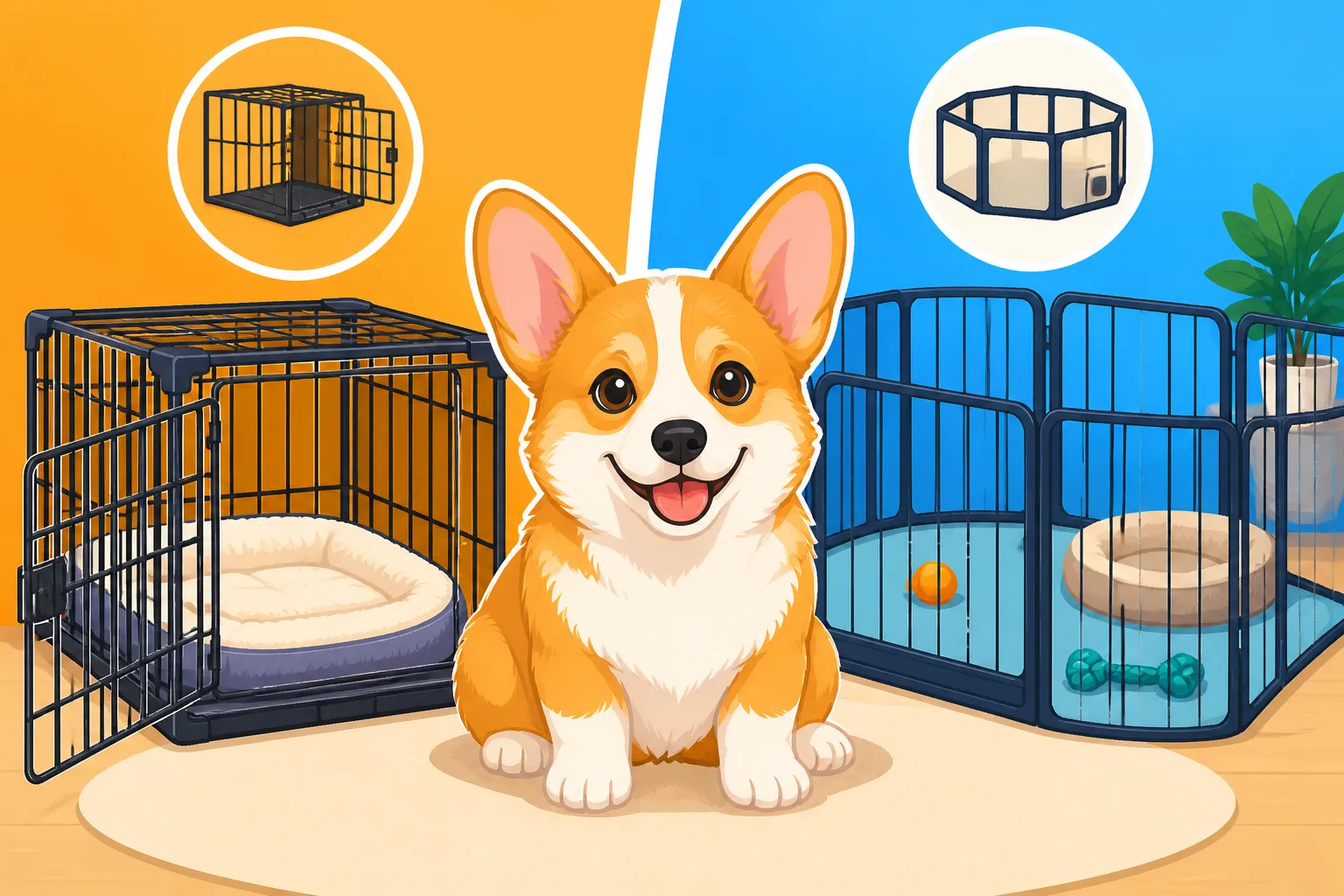
Pens are also excellent for combining with a crate. You can set up a "Corgi condo" where the open crate is placed inside the pen, giving your puppy the option to retreat into their den or come out to play within the larger, confined space. This setup works beautifully for easing a puppy into longer periods of alone time, offering them more amenities than just a crate alone, and reinforcing the idea that their crate is a positive place. This provides a gradual transition from strict crate confinement to more freedom, building their confidence and independence.
Indoor and Outdoor Pen Options
Just like crates, pens come in various styles suitable for different uses.
-
Indoor Pens: These are typically made of metal wire or sturdy plastic panels that connect to form an enclosure. The beauty of these is their flexibility; you can configure them into different shapes and sizes to fit your space, whether it's a corner of the kitchen, a section of the living room, or even blocking off a doorway. Many come with non-slip feet to protect your floors and prevent the pen from sliding around. They are generally easy to set up, take down, and store, making them a practical choice for daily indoor use. Always ensure the panels are tall enough that your Corgi puppy can't easily jump over them, and that the connections are secure to prevent escapes.
-
Outdoor Pens: For supervised outdoor time, a pen can be a lifesaver. It allows your Corgi puppy to enjoy fresh air and sunshine without worrying about them darting off or getting into plants that might be toxic. Look for outdoor pens that are sturdy, rust-resistant, and have a secure latch. It’s important to remember that Corgis are clever and have a low center of gravity, meaning they might be able to squeeze under gaps or dig beneath lightweight pens. Always provide shade, fresh water, and never leave your puppy unattended in an outdoor pen, especially in hot weather or if other animals could pose a threat. The low height of a Corgi means they are particularly vulnerable to overheating on hot pavement or grass, and their inquisitive nature makes them prone to exploring hazards on the ground.
Managing the Pen Environment
What you put inside your Corgi puppy's pen is just as important as the pen itself. This space should be engaging, comfortable, and safe.
First and foremost, always ensure there is a fresh bowl of water available. For active puppies, especially those exploring and playing, staying hydrated is crucial. Next, provide a variety of appropriate chew toys and puzzle toys. These keep your Corgi puppy mentally stimulated and prevent boredom, which can often lead to destructive behaviors. Toys from brands like Kong or even a treat dispenser from Chewy can provide hours of entertainment. Make sure the toys are puppy-safe and can't be easily chewed into small, ingestible pieces.
If you're using the pen for longer periods or during potty training, you might include a designated potty area with puppy pads at one end, particularly if you're not able to take them out frequently. However, the ultimate goal should always be outdoor potty training. A comfortable, easy-to-clean bed or mat (something they can't easily shred) should also be present, providing a soft spot for naps and relaxation.
Regular cleaning of the pen, bedding, and toys is essential to maintain a healthy environment. A dirty pen is not only unhygienic but can also discourage your Corgi puppy from wanting to spend time there. By carefully curating their pen environment, you create a space where your Corgi puppy feels happy, safe, and stimulated, contributing positively to their development and overall well-being.
Introducing and Training Your Corgi Puppy to Their Crate and Pen
Successful crate and pen training hinges on positive experiences. Your goal is to make these spaces feel like the best places in the world to your Corgi puppy, not a punishment.
Positive Association is Key: Making it Fun
The absolute golden rule of crate and pen training is never use them for punishment. If your Corgi puppy associates their crate with being in trouble, they will develop an aversion to it, making training much harder. Instead, you want them to see their crate and pen as wonderful, rewarding places.
Start by making the crate and pen highly appealing. Toss delicious treats inside the crate, letting your puppy go in to retrieve them. Praise them lavishly when they enter. Feed their meals inside the crate with the door open, or in their pen. This creates a positive association with food, something all Corgis tend to appreciate! You can also place their favorite toys or a new, exciting chew inside, allowing them to enjoy these special items only when they are in their designated space.
For the pen, simply spend time with your puppy inside the pen, playing gentle games or giving them attention. Let them explore it on their own terms. The more positive experiences they have in these areas, the more readily they will accept them as safe and enjoyable spaces. Remember, it's about building trust and comfort, not forcing them into a situation they fear.
Gradual Acclimation: From Minutes to Hours
Introducing the crate and pen should be a slow and steady process, especially for a sensitive Corgi. Don't expect your puppy to be happy spending hours alone in a crate on the first day.
Begin with very short periods. Once your Corgi puppy is comfortable going in and out of the crate for treats or meals, try closing the door for just a few seconds while you're still right there, then immediately open it and praise them. Gradually increase the duration, always staying close by. Once they're comfortable with short closures, step out of sight for a minute or two, then return before they have a chance to get distressed. The goal is to return before they start whining or crying, so they learn that you always come back.
As they progress, you can start leaving them in their crate or pen for slightly longer periods, such as when you run an errand for 30 minutes. Always ensure they've had a potty break and some playtime before being crated. It's crucial to distinguish between a puppy expressing a genuine need (like needing to go potty) versus protesting confinement. If you let them out every time they whine, they quickly learn that whining is their ticket to freedom. Ignore short protests, but if they escalate or last for a long time, you might be pushing them too fast. A good Corgi puppy course can offer personalized guidance on this.
Consistency is paramount. Just like with potty training, a consistent schedule for crate and pen time will help your Corgi puppy understand what's expected of them. Gradually, they will learn to relax and even enjoy their time in these spaces, viewing them as a normal part of their day.
Incorporating Brands into the Routine
When integrating crates and pens into your Corgi puppy's routine, you'll naturally find yourself interacting with various pet brands that can enhance the experience.
For instance, when it comes to equipping your crate or pen, online retailers like Chewy are incredibly useful. You can easily browse and purchase a wide range of crate types, from sturdy wire models with dividers perfect for a growing Corgi puppy, to comfortable orthopedic beds specifically designed to support a Corgi's long back. They also offer a vast selection of puzzle toys and durable chews that can keep your puppy entertained and mentally stimulated during their pen or crate time, turning it into a positive, enriching experience. The convenience of having everything delivered to your door saves valuable time, which is always in short supply with a new puppy.
Nutrition plays a role too. Brands like Ollie, which offer fresh, human-grade dog food, can be used to make crate time even more enticing. Feeding your Corgi puppy their meals inside the crate or pen transforms it into a highly rewarding space. Portion control, which is easily managed with pre-portioned fresh food, is also vital for Corgis to prevent them from becoming overweight, which can put immense strain on their delicate spines. A well-fed, healthy puppy is generally a happier and calmer puppy, more likely to settle down in their designated space.
Finally, while crates and pens are excellent tools for preventing accidents and injuries, they aren't foolproof. Puppies are still puppies, and unforeseen incidents can happen. This is where preparing for the unexpected comes in, perhaps with pet insurance providers like Healthy Paws. Knowing you have coverage for potential vet visits, whether it's for a puppy mishap that somehow bypassed the crate's safety, or for concerns about their developing Corgi Hips and Front-End Structure, can provide immense peace of mind. While the goal is to prevent issues with proper confinement, being prepared for unexpected health concerns is always a wise decision for any Corgi owner. It’s important to research pet insurance early, ideally before any incidents occur, as pre-existing conditions are typically not covered. Many owners enroll their Corgi puppies right away, understanding that a breed with specific predispositions to back issues makes early coverage particularly valuable, as discussed in Insuring a Corgi Before Its First Back Episode.
Common Crate and Pen Challenges and Solutions
Even with the best intentions and methods, you might encounter a few bumps in the road when crate and pen training your Corgi puppy. Knowing how to troubleshoot these common issues can make a big difference.
Whining and Barking: Dealing with Corgi Protests
One of the most frequent challenges is dealing with a Corgi puppy who whines or barks when confined. It's a natural way for them to express their displeasure or loneliness. The key is to differentiate between genuine needs and mere protest.
First, rule out any immediate needs. Has your puppy just eaten or woken up? They likely need a potty break. Take them straight outside to their potty spot. If they go, great – praise them, and then bring them back in. If they don't go, it’s a strong indicator they were likely just protesting confinement, not needing to eliminate.
Once you've ruled out physical needs, ignore short bursts of whining or barking. If you rush to their side every time they make a sound, you inadvertently teach them that noise equals attention or release. This can be tough, especially if you have sensitive neighbors, but consistency is critical. When they have a moment of quiet, then you can calmly approach, praise them, and let them out (if it's time). If the whining persists for extended periods, it might be a sign that they're not fully comfortable with the crate yet, or that they're feeling anxious. You might need to go back to shorter training sessions, increase positive associations, or try covering the crate with a blanket to create a more den-like, secure environment. White noise machines or a radio can also help drown out household sounds that might trigger their barking.
The Escape Artist Corgi
Corgis are highly intelligent and often surprisingly agile despite their short legs. They can be escape artists, finding weak points in pens or figuring out how to open latches. If your Corgi puppy is repeatedly escaping, it’s a safety concern and needs to be addressed immediately.
Examine your pen for any gaps or weaknesses. Are the panel connections secure? Is the height sufficient, or are they finding ways to climb or vault over? For wire pens, ensure the spacing between bars isn't too wide, as a determined Corgi might try to squeeze through. For crates, check the latch mechanism. Some clever puppies can figure out how to manipulate standard sliding bolts. You might need to add a small carabiner clip or a heavy-duty bolt snap to reinforce the latch, ensuring it stays closed.
If your Corgi puppy is constantly trying to escape, it could also be a sign of boredom or separation anxiety. Ensure they have plenty of exercise and mental stimulation before being confined. A good play session or a short walk before crate time can help them be tired enough to settle down. Interactive toys, as mentioned earlier, can also help keep their minds occupied. If the escape attempts are accompanied by extreme distress, pacing, or destructive chewing within the crate, you might be dealing with separation anxiety, which often requires guidance from a professional dog trainer or veterinary behaviorist.
Preventing Aversion: When a Crate Becomes a Negative Space
Sometimes, despite your best efforts, a Corgi puppy can develop a negative association with their crate or pen, leading to resistance, fear, or even aggression when approached or placed inside. This usually happens if the crate was used as punishment, if the puppy was left in for too long too soon, or if they had a traumatic experience while confined.
The first step is to recognize the signs of aversion. These might include reluctance to enter the crate, trying to hide when the crate appears, excessive drooling, panting, destructive behavior only when confined, or prolonged, intense vocalization. If you see these signs, it's crucial to stop forcing them into the crate.
You'll need to re-introduce the crate using entirely positive reinforcement, essentially starting from scratch. Make it a super appealing place again with high-value treats and toys. Leave the door open all the time, allowing them to enter and exit freely. Feed all meals inside. Don't close the door until they are happily and voluntarily spending time in there. You might even consider getting a different style of crate (e.g., from wire to plastic if they dislike the open feel, or vice-versa) to break the negative association with the old one.
In some cases, especially if the aversion is severe or accompanied by intense anxiety, professional help may be needed. A certified professional dog trainer can assess the situation and provide tailored strategies to help your Corgi puppy overcome their fear and learn to love their safe space. Remember, the goal is for the crate and pen to be tools for safety and comfort, not sources of stress.
| Feature | Wire Crate | Plastic Crate (Airline Style) | Fabric Crate | Playpen (Metal/Plastic) |
|---|---|---|---|---|
| Visibility | High, open feel | Low, more den-like | Moderate, often mesh sides | High, open panels |
| Durability | High, chew-resistant, sturdy | High, very sturdy, travel-safe | Low, easily chewed/torn by puppies | High, sturdy, chew-resistant |
| Portability | Foldable, but can be heavy | Good for travel, secure | Excellent, lightweight, highly portable | Varies, can be bulky, but some fold |
| Ventilation | Excellent, airy | Good, but less open | Good | Excellent |
| Potty Training Aid | Excellent (with divider for growth) | Excellent (den-like nature) | Not ideal for accidents due to absorbency | Less direct, but contains accidents within pen |
| Spine Safety for Corgi | Very good, prevents jumps/falls | Very good, secure confinement | Moderate, not for unsupervised chewers | Good, if secure and appropriately sized |
| Ease of Cleaning | High, wipeable metal, removable pan | High, smooth plastic, easy to wipe | Low, can absorb odors, may require washing | High, wipeable panels |
| Cost | Moderate to High | Moderate to High | Low to Moderate | Moderate to High |
| Ideal Use | Primary crate, growing puppies, home | Travel, den-lovers, home, airline transport | Short-term travel, non-chewers, quiet time | Supervised play, combining with crate, general containment |
Disclaimer
This article is for general informational purposes only and does not constitute professional advice. Laws, prices and regulations vary by location and change over time. Consult a qualified professional for guidance on your specific situation.