Whether a Corgi Coat Can Be Managed at Home
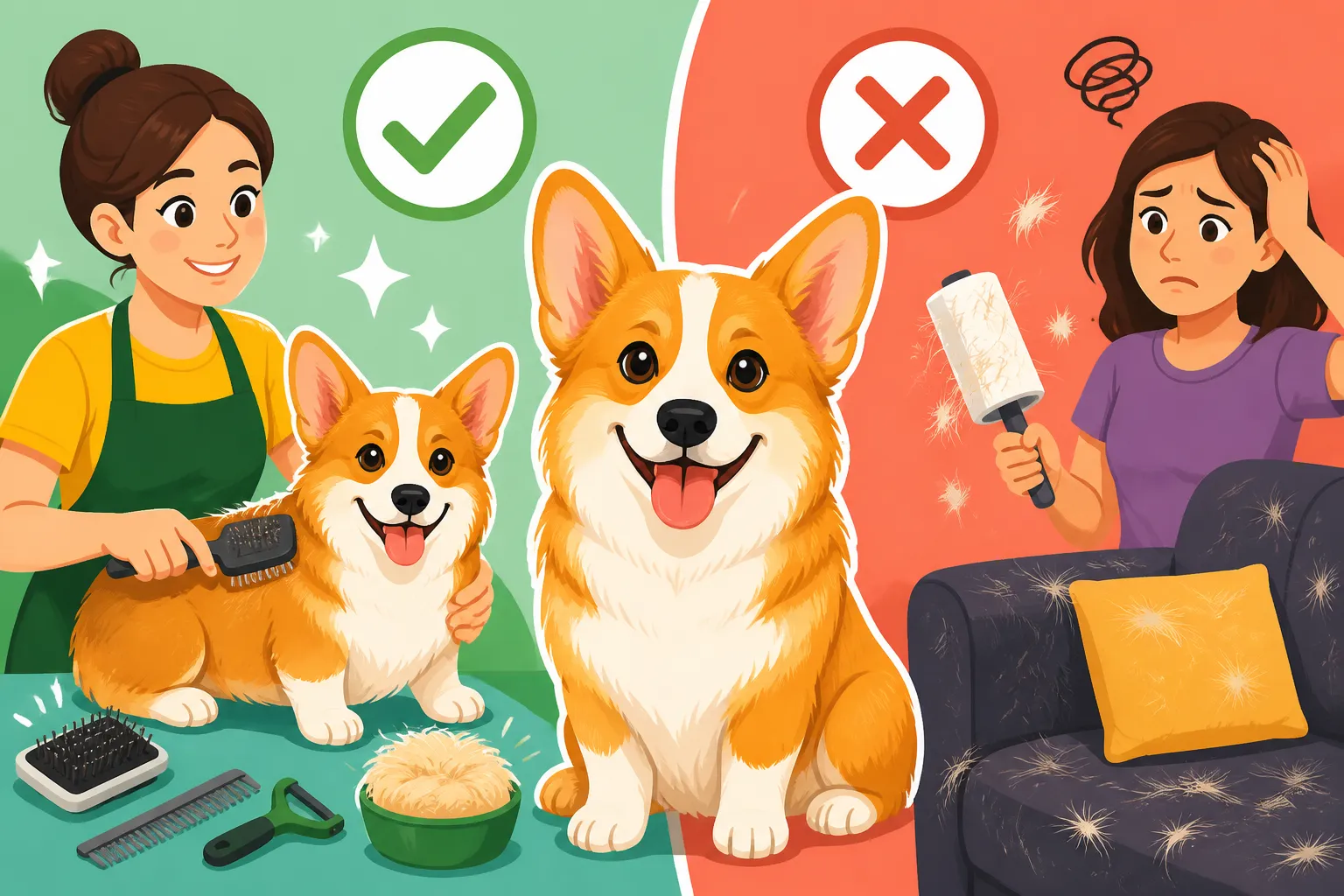
Anyone who shares their life with a Corgi knows the truth: their majestic, fluffy, ever-present coat is both a blessing and a constant challenge. You sweep, you vacuum, you find Corgi glitter in your coffee, and still, the tumbleweeds of fur keep coming! It's enough to make you wonder if you're doing something wrong or if professional grooming is the only answer. But fear not, fellow Corgi parent! Managing your Corgi's glorious double coat at home is absolutely achievable with the right knowledge, tools, and a healthy dose of patience. This comprehensive guide will walk you through everything you need to know to keep your Corgi looking dapper and your home a little less hairy.
Understanding the Corgi Double Coat
Before we dive into the nitty-gritty of brushing and bathing, it’s crucial to understand why your Corgi's coat behaves the way it does. It's not just a fashion statement; it's a marvel of natural engineering, designed for a specific purpose. This understanding will help you appreciate the grooming efforts required and approach them with the right mindset.
The Purpose of the Double Coat
Your Corgi sports what's known as a "double coat," a common feature in many herding and cold-weather breeds. This isn't just one layer of fur; it's two distinct layers working in harmony to protect your dog. The outer layer, known as the guard coat, consists of longer, coarser hairs. These hairs are water-resistant and provide a protective barrier against rain, snow, dirt, and even minor abrasions from undergrowth as they go about their herding duties. Think of it as their weatherproof outer shell.
Beneath this guard coat lies the undercoat. This is where the real magic (and most of the shedding) happens. The undercoat is made up of dense, soft, downy fur that acts as an incredible insulator. In winter, it traps warm air close to their body, keeping them cozy even in chilly Welsh weather. In summer, it actually helps to keep them cool by preventing heat from penetrating down to their skin, much like insulation in a house. It's a fantastic natural climate control system, but it demands regular maintenance to function correctly.
The Shedding Cycle
Because of this sophisticated double coat, Corgis are prodigious shedders. It's not just a seasonal affair; it's a year-round commitment. They shed lightly throughout the year to replace old or damaged hairs and maintain the health of their coat. This "maintenance shedding" is often manageable with regular, quick brushing sessions.
However, twice a year, Corgis experience what's affectionately (or perhaps exasperatedly) known as a "coat blow." This is when they shed their entire undercoat to prepare for the upcoming season. In spring, they ditch their thick winter undercoat for a lighter summer version, and in fall, they shed their summer coat to grow a denser winter one. During these periods, the amount of hair coming off your Corgi can be astounding. It's truly a sight to behold and often feels like a never-ending snowstorm of fur. You might find yourself asking How Much Hair a Twenty-Eight Pound Corgi Drops and the answer is usually: a lot. Knowing that this is normal and expected helps you prepare for these intense grooming periods, rather than being caught off guard.
Essential Tools for At-Home Corgi Grooming
Trying to manage a Corgi's coat without the right tools is like trying to bake a cake without an oven – frustrating and ultimately ineffective. Investing in a few key pieces of equipment will make your grooming sessions far more efficient and comfortable for both you and your furry friend. Don't skimp on quality here; good tools last longer and perform better. You can find many of these essential items on sites like Chewy, making it easy to stock up.
Brushes and Rakes
This is your first line of defense against the fur monster. You'll need a variety of brushes to tackle the different layers and types of hair on your Corgi.
- Undercoat Rake: This is arguably the most crucial tool for a Corgi owner. It features long, blunt teeth designed to reach deep into the undercoat and pull out loose, dead hair without damaging the guard coat. Using an undercoat rake regularly, especially during a coat blow, can drastically reduce shedding in your home. It's what gets rid of those huge clumps of downy fur that seem to appear out of nowhere. Many Corgi owners swear by brands like Furminator, though there are other excellent options.
- Slicker Brush: A slicker brush has fine, short wires packed closely together on a flat surface. It's excellent for removing mats and tangles from the topcoat and for smoothing out the fur, giving it a neat finish. While it doesn't get as deep into the undercoat as a rake, it's great for overall tidying and distributing natural oils.
- Pin Brush: Similar to a human hairbrush, a pin brush has widely spaced metal pins with rounded tips. It's good for general brushing, detangling the longer feathering on legs and britches, and massaging the skin, which can stimulate circulation and promote a healthy coat.
- Deshedding Tool: Some tools are specifically marketed as "deshedding tools." These often combine features of an undercoat rake and a brush, designed to grab and pull out loose undercoat. They can be very effective, but be careful not to overdo it, as excessive use can sometimes irritate the skin or even damage the guard coat. Understanding The Rake and Comb a Corgi Coat Actually Needs is vital to choosing the right tools.
Shampoos and Conditioners
Bathing your Corgi is more than just getting them wet; it's about cleaning their skin and coat effectively without stripping natural oils or causing irritation.
- Deep-Cleaning/Deshedding Shampoo: During shedding season, a deshedding shampoo can help loosen the dead undercoat, making it easier to brush out. Look for formulas designed for double coats. For regular baths, a good quality, gentle shampoo for dogs is perfect. Avoid human shampoos, as their pH levels are different and can dry out your Corgi's skin.
- Conditioner: Don't skip the conditioner! It helps to moisturize the skin and coat, making it softer, shinier, and less prone to tangles. A good conditioner also helps to close the hair cuticles, which can reduce future shedding and make brushing easier. Many brands, including some available at Chewy, offer excellent conditioning options.
- Hypoallergenic/Sensitive Skin Options: If your Corgi has sensitive skin or allergies, opt for hypoallergenic, oatmeal-based, or soap-free shampoos. Always do a patch test if you're trying a new product, or consult your vet. Good nutrition, like that found in Ollie's tailored meals, can also contribute to a healthier skin and coat, potentially reducing the need for specialized shampoos.
Drying Equipment
After a bath, drying a Corgi properly is just as important as the wash itself. Their dense undercoat can hold moisture, leading to skin irritation, hot spots, or a lingering "wet dog" smell if not thoroughly dried.
- High-Velocity Dryer (Force Dryer): If you're serious about at-home grooming, a high-velocity dryer is a game-changer. These aren't like human hair dryers (which can be too hot and damage their skin/coat). Force dryers blast cool or warm air at a high speed, effectively pushing water out of the undercoat. This dramatically speeds up drying time and, perhaps more importantly, helps "blow out" loose undercoat, further reducing shedding. It's an investment, but many Corgi owners find it invaluable, especially during a coat blow.
- Absorbent Towels: Always have several highly absorbent towels on hand. Microfiber towels work exceptionally well for soaking up initial moisture. Get as much water out as you can with towels before moving on to air drying or a force dryer.
Step-by-Step At-Home Grooming Routine
Now that you've got your arsenal of tools, let's talk routine. Consistency is key when it comes to managing a Corgi's coat. A little bit often is far more effective than an infrequent, marathon grooming session.
The Brushing Regimen
Brushing is the cornerstone of at-home Corgi coat care. It removes loose hair, prevents mats, distributes natural oils, and provides a wonderful bonding opportunity.
- Daily Brushing (During Coat Blows): During those intense "coat blow" periods, a quick daily brushing session with your undercoat rake or deshedding tool is highly recommended. Focus on getting deep into the undercoat, working in small sections. You'll be amazed at how much fur comes off, preventing it from ending up on your furniture and floors. This is particularly crucial during The Two Weeks a Corgi Coat Comes Out in Handfuls.
- Weekly Brushing (Regular Maintenance): For the rest of the year, a thorough weekly brushing session should suffice for most Corgis. Use your undercoat rake first, then follow up with a slicker or pin brush to smooth the guard coat and catch any remaining loose hairs. Pay special attention to the "feathering" on their legs, chest, and britches, as these areas are more prone to tangles and mats.
- Technique is Everything: Always brush in the direction of hair growth. Start at the head and work your way back, down the sides, and then tackle the legs and tail. When using an undercoat rake, use a gentle raking motion, lifting the hair as you go to get to the base. For slicker brushes, use short, quick strokes. If you hit a tangle, don't yank! Gently work it out with your fingers or the edge of the slicker brush. Make it a positive experience with treats and praise, perhaps even some delicious training treats from a brand like Ollie.
Bathing Your Corgi
Bathing isn't an everyday event for Corgis, but it's important to do it correctly when it's time. Over-bathing can strip essential oils, but too little can lead to skin issues and a dull coat.
- Frequency: Generally, a Corgi needs a bath every 4-8 weeks, or whenever they get particularly dirty. Some Corgis, especially those who enjoy rolling in mud or have sensitive skin, might need slightly more or less frequent baths. You'll know it's time when they start to feel greasy, smell a bit "doggy," or if you notice their coat isn't as bright. This guideline covers How Long Between Corgi Baths.
- The Bathing Process:
- Pre-Brush: Always give your Corgi a thorough brushing before a bath. Water can tighten existing mats, making them much harder to remove later.
- Wet Thoroughly: Use lukewarm water and ensure their entire coat, down to the skin, is completely saturated. This can take a while with their dense undercoat.
- Shampoo: Apply a generous amount of dog-specific shampoo, working it into a lather. Really get your fingers down to the skin to ensure you're cleaning both layers of coat and their skin. For those low-to-the-ground bellies, pay extra attention to Cleaning a Corgi Belly After a Wet Walk as it often gets quite dirty.
- Rinse, Rinse, Rinse! This is perhaps the most critical step. Corgis need incredibly thorough rinsing. Any shampoo residue left behind can cause skin irritation, itching, and flakiness. Rinse until the water runs clear and you can no longer feel any slipperiness in their fur. Then rinse again!
- Conditioner: Apply conditioner, working it through the coat. Let it sit for the recommended time (usually a few minutes) before rinsing thoroughly again.
- Squeeze and Towel Dry: Gently squeeze excess water from their fur, then use absorbent towels to blot and rub them as dry as possible.
Drying and Finishing
Proper drying is non-negotiable for a Corgi's health and comfort.
- Thorough Drying is Key: After towel drying, if you have a high-velocity dryer, now is the time to use it. Work in sections, holding the nozzle a few inches from their coat and constantly moving it. The force of the air will separate the hairs, allowing them to dry quickly and also blowing out a surprising amount of loose undercoat. It's very satisfying! If you don't have a force dryer, be prepared for a longer air-drying process. Ensure your Corgi is in a warm, draft-free area, and continue to towel dry periodically to help speed things along. It's crucial to ensure Getting a Corgi Dry Through the Undercoat is achieved to prevent skin issues.
- Final Brush: Once your Corgi is completely dry, give them one last brush-through with a slicker or pin brush to smooth everything out and make them look their best. Check the feathering on their legs and britches for any missed tangles.
- Nail Trims and Ear Checks: While you're at it, this is a great time to trim their nails if needed and check their ears for any dirt, wax buildup, or signs of infection. Regular ear checks help keep their upright ears clean and healthy.
Common Corgi Coat Challenges and Solutions
Even with a consistent routine, Corgi coats can present unique challenges. Knowing how to address them can save you a lot of headache and keep your pup comfortable.
Matting and Tangles
Despite regular brushing, mats can sometimes appear, especially in areas with longer feathering or behind the ears.
- Prevention is Best: The best way to deal with mats is to prevent them. Consistent brushing, especially targeting prone areas, is your strongest defense. Regular use of a detangling spray during brushing can also help.
- Gentle Detangling: If you find a mat, don't panic or pull aggressively. Start by gently separating the mat with your fingers. You can use a bit of cornstarch or a detangling spray to help loosen the hairs. Use a slicker brush or a wide-toothed comb to work through the edges of the mat, slowly moving inwards. Work from the outside of the mat towards the skin, never pulling from the skin outwards.
- When to Use Scissors (Carefully!): For very stubborn, tight mats close to the skin, sometimes cutting is the only option. Extreme caution is advised here. Use blunt-nosed scissors and always slide a comb between the mat and your Corgi's skin before cutting to prevent accidentally nicking them. Snip into the mat, rather than across it, to break it up, then try to brush it out. If you're unsure, it's always safer to visit a professional groomer or your vet.
Dealing with Excessive Shedding
"Excessive" is relative with a Corgi, but sometimes it feels like it's truly beyond normal.
- Increase Grooming Frequency: During heavy shedding, stepping up your brushing from weekly to every other day, or even daily, can make a huge difference. The more loose hair you remove with brushes and rakes, the less ends up on your floor.
- Diet and Supplements: A high-quality diet, like that offered by Ollie, rich in omega-3 and omega-6 fatty acids, can significantly contribute to a healthier coat and reduce shedding. You might also consider supplements like fish oil, which can improve skin health and coat quality, making hairs stronger and less prone to falling out. Discussing whether Corgi supplements do anything with your vet is a good idea.
- Professional Help: If despite your best efforts, you feel overwhelmed by the shedding, a professional groomer can offer "deshedding treatments" which often involve specialized shampoos, conditioners, and high-velocity dryers to remove a massive amount of undercoat.
Why You Should Never Shave a Corgi
It's a common misconception that shaving a double-coated breed like a Corgi will help them stay cooler in summer or reduce shedding. In reality, it can cause more harm than good, and it's important to understand Why Clipping a Corgi Ruins the Coat.
- Insulation Damage: Shaving a Corgi destroys the natural insulation system of their double coat. The undercoat helps regulate their body temperature year-round. Removing it can make them more susceptible to overheating in summer and much colder in winter.
- Sunburn Risk: Their skin, unaccustomed to direct sunlight, becomes vulnerable to sunburn and skin cancer. The guard coat is designed to protect them from UV rays. You might assume Whether a Corgi Coat Keeps Sun Off but it absolutely does.
- Coat Regrowth Issues: Often, when a Corgi's coat is shaved, it doesn't grow back correctly. The guard hairs might grow back sparse, coarse, or patchy, while the undercoat can grow back thicker and faster, creating a "wool-like" texture that is prone to matting and even harder to manage than before. It can take years, if ever, for the coat to fully recover its natural texture and function.
- Increased Shedding (Sometimes!): Ironically, shaving can sometimes lead to more shedding down the line, as the damaged coat struggles to return to its normal cycle.
- Better Alternatives: If you're worried about heat, focus on keeping your Corgi hydrated, providing shade, walking during cooler parts of the day, and diligent brushing to remove dead undercoat, which allows air to circulate more effectively.
Managing your Corgi's coat at home is a labor of love, but it's incredibly rewarding. You'll not only keep your Corgi comfortable and looking sharp, but you'll also deepen your bond through these regular, positive interactions. With the right tools and a consistent routine, you'll master the art of at-home Corgi grooming and keep those fur tumbleweeds (mostly) at bay.
Disclaimer
This article is for general informational purposes only and does not constitute professional advice. Laws, prices and regulations vary by location and change over time. Consult a qualified professional for guidance on your specific situation.