What the Corgi DM Test Costs
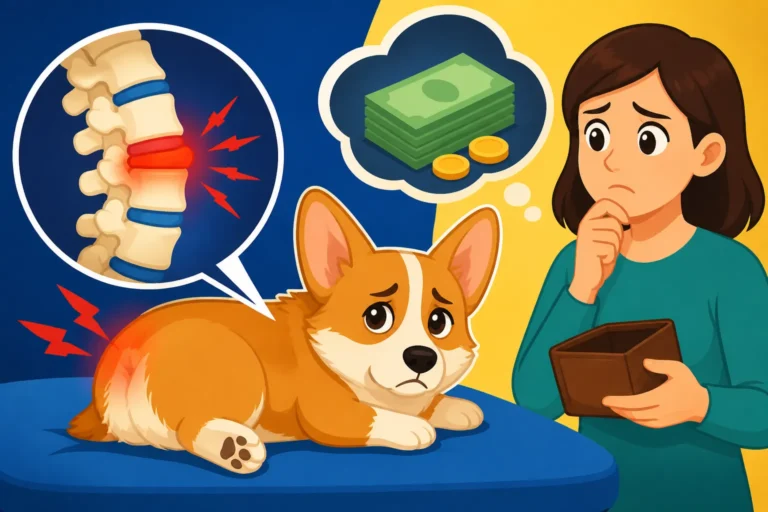
One of the most profound anxieties for any Corgi owner or prospective owner revolves around their long-backed, short-legged structure and the health challenges that can come with it. Among those, Degenerative Myelopathy, or DM, looms large. It’s natural to feel overwhelmed, not just by the disease itself, but by the myriad of tests and their associated costs. This guide is here to shed some light on what you can expect when considering the cost of the Corgi DM test, helping you navigate the options available and understand the true value of this genetic screening.
Decoding the Corgi DM Test
Before we dive into the financials, let's take a moment to understand what the DM test actually is and why it's such a critical piece of the puzzle for Corgi health. Degenerative Myelopathy is a progressive neurological disease that affects the spinal cord, leading to weakness and eventual paralysis in the hind limbs. For Corgis, given their predisposed spinal anatomy, it’s a particularly relevant concern. While we've discussed Degenerative Myelopathy and the Corgi in depth elsewhere, it's important to remember that this test specifically looks for the SOD1 gene mutation, which is strongly associated with the disease.
Why Genetic Screening Matters for Corgis
Think of genetic testing as a powerful tool in preventative care and responsible breeding. It's not just about diagnosing an existing problem; it's about looking into the future. For breeders, understanding the genetic status of their breeding stock is paramount. They want to ensure they're producing the healthiest puppies possible and actively working to reduce the prevalence of genetic diseases in the breed. This aligns with the broader goal of responsible breeding practices, aiming to improve the health of Corgis for generations to come.
For prospective puppy owners, this test provides invaluable information about your future furry family member. Knowing a puppy's genetic status can give you peace of mind or, at the very least, allow you to prepare for potential challenges down the line. It's a fundamental part of researching a reputable breeder and ensuring you're bringing home a Corgi with the best possible start. It’s also important to remember that Why a Corgi Carrying the DM Gene Usually Stays Well explains that carrying the gene doesn't always mean developing the disease, but it's crucial information nonetheless.
What the Test Entails
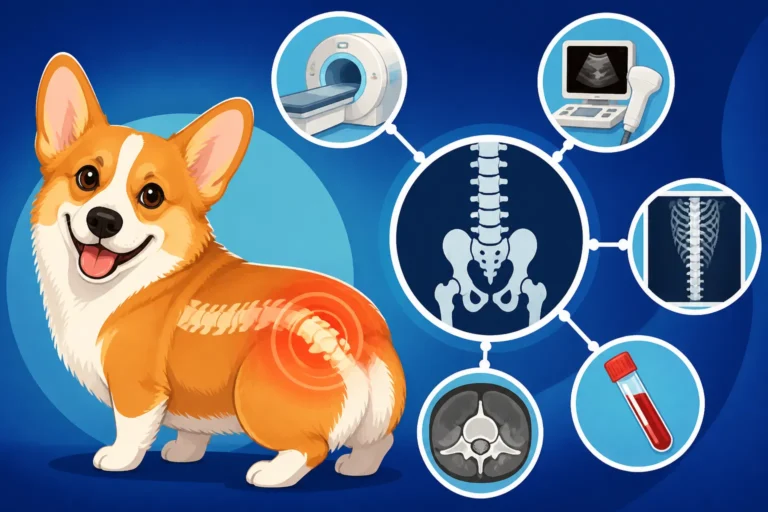
The actual process of getting a DM test done is relatively straightforward. Most commonly, it involves a buccal swab, which is a fancy way of saying a cheek swab. A sterile cotton swab is gently rubbed inside your Corgi's cheek to collect cells. This can often be done at home with a kit. Alternatively, some vets prefer to take a blood sample. Both methods collect DNA, which is then sent to a specialized laboratory for analysis. The labs analyze the DNA for the specific SOD1 gene mutation. Once the sample is received, the results usually take a few weeks to come back, providing clear information about your Corgi's genetic status: Clear, Carrier, or At-Risk. Understanding Reading a Corgi SOD1 Test Result is key to interpreting what those findings mean for your dog.
Factors Influencing the Cost of a Corgi DM Test
The cost of a Corgi DM test isn't a single, fixed number you can easily pinpoint. Instead, it's influenced by several factors, from where you get the test done to what other tests you might bundle with it. It’s a bit like buying groceries – the price varies based on the store, whether you buy individual items or a bundle deal, and if you opt for delivery.
The Testing Laboratory Itself
Just as with any specialized service, different laboratories will have different pricing structures for genetic testing. Some labs are large, well-established institutions that process thousands of samples annually, while others might be smaller, more specialized operations. These differences can lead to variations in cost. Generally, you’ll find that reputable labs offer similar pricing, but it's always worth doing a quick comparison.
Many Corgi breeders and owners have their preferred labs that they trust for accuracy and reliability. These labs often specialize in canine genetic health and have a strong reputation within the dog community. When you consider Which Labs Run the Corgi DM Test, you'll find there are several options, and each will have its own fee schedule. Some may offer discounts if you're testing multiple dogs or if you're a registered breeder. It pays to check their websites or give them a call to understand their current rates.
Comprehensive Panels Versus Single Tests
This is where you can see some significant variation in pricing. Many genetic testing companies offer the option to test for DM as a standalone test, but they also frequently offer comprehensive genetic health panels. These panels screen for multiple genetic conditions common in Corgis, not just DM. For example, a Corgi panel might include tests for conditions like Von Willebrand Disease, progressive retinal atrophy (PRA), and even some coat color genes.
Choosing a comprehensive panel can sometimes be more cost-effective than ordering several individual tests separately. It’s like buying a combo meal at a restaurant – it’s usually cheaper than ordering each item à la carte. For breeders, especially, investing in a full panel makes a lot of sense, as The DNA Tests a Corgi Breeder Should Run often include multiple screenings beyond just DM. For a pet owner, it might provide additional peace of mind about other potential health concerns, offering a more holistic view of their Corgi's genetic predispositions. However, if DM is your sole concern, a single test might be sufficient. This is why it's important to consider Whether a Full Corgi Panel Beats Single Tests based on your individual needs and goals.
Veterinary Involvement Versus At-Home Kits
Another significant factor influencing the overall cost is whether you opt for an at-home genetic testing kit or have your veterinarian handle the sample collection.
- At-Home Kits: Many reputable genetic testing companies, some you might even find through online pet supply retailers like Chewy, offer direct-to-consumer kits. These kits typically include sterile swabs, instructions, and a return envelope for mailing the sample back to the lab. The advantage here is convenience and often a lower upfront cost for the test itself, as you're not paying for a veterinary consultation for sample collection. You perform the swab yourself in the comfort of your home. However, it requires careful adherence to instructions to ensure a good sample is collected.
- Veterinary Sample Collection: If you prefer, or if your Corgi is particularly squirmy, you can have your veterinarian collect the sample. This will add the cost of a vet visit to your total bill. The vet's office will charge for the appointment, the time taken for the sample collection (whether it's a buccal swab or a blood draw), and possibly for handling and shipping the sample. While this adds to the expense, it ensures the sample is collected correctly by a professional, and you can discuss any other health concerns you might have during the visit. Sometimes, the vet might even recommend a particular lab they trust and have a relationship with.
Here's a quick overview of how these factors generally influence the final cost:
| Factor | Cost Impact | Considerations |
|---|---|---|
| Testing Lab | Varies; generally competitive among reputable labs | Check reviews, turnaround times, and breeder discounts. |
| Test Type | Standalone test is lower; comprehensive panel is higher | Panel offers more data, potentially better value for multiple screenings. |
| Sample Collection Method | At-home kit is lower; vet collection is higher | Vet ensures proper collection and offers professional advice. |
| Shipping Costs | Usually included in kit, extra for vet-sent samples | Confirm if shipping to the lab is covered or an additional charge. |
| Additional Tests | Adds cost, but may be bundled at a discount | Consider if you need other genetic screenings or want broader health insights. |
What to Expect from a Typical DM Test Cost
When we talk about specific figures, it's important to remember that prices can fluctuate based on the market, lab promotions, and the specific services included. I can't give you an exact dollar amount that will hold true everywhere, but I can certainly describe the shape of the cost you might encounter.
The Range of Fees
Generally speaking, for a standalone DM test, you might expect the lab fee itself to be on the lower end compared to a full panel. If you opt for an at-home kit, this fee often includes the kit, the lab analysis, and sometimes even the return shipping. For a comprehensive panel that covers several genetic conditions relevant to Corgis, the price will naturally be higher, reflecting the broader scope of testing.
It’s not uncommon to see prices vary significantly between labs, as discussed earlier. Some breeders, for instance, might utilize labs that offer bulk discounts if they submit samples for an entire litter or multiple breeding dogs, which can bring down the per-dog cost for them. For individual pet owners, look out for seasonal promotions or discounts that some labs occasionally offer.
Hidden Costs to Consider
Beyond the direct lab fee, there are a few other potential costs that sometimes surprise people. It's always a good idea to factor these in so you're not caught off guard.
- Veterinary Consultation Fees: If you decide to have your vet collect the sample, you'll be paying for their time and services. This is a standard consultation fee, which can add a notable amount to the total. Even if you bring an at-home kit for them to help with, they'll likely charge for the assistance.
- Shipping Costs: While many at-home kits include pre-paid return shipping, always double-check. If not, you'll need to account for postage to send your sample back to the lab. For vet-collected samples, the vet clinic might charge a small handling fee for packaging and shipping the sample.
- Expedited Results: Some labs offer an expedited service for an additional fee if you need the results faster than their standard turnaround time. This is usually only relevant for breeders who might be making time-sensitive breeding decisions or selling puppies.
- Follow-Up Advice: While not a direct cost of the test, if the results come back as Carrier or At-Risk, you might want to schedule a follow-up consultation with your vet or a veterinary geneticist to fully understand the implications for your Corgi. This professional advice can be invaluable, especially when trying to understand how to apply the information given in The Papers a Corgi Puppy Should Come With.
Making Sense of the Investment
The cost of a DM test, whether a single test or part of a panel, is an investment. But what exactly are you investing in? And how can you make the most of it?
The Value for Breeders
For responsible breeders, the DM test is not merely an expense; it’s a non-negotiable part of their ethical breeding program. Knowing the genetic status of their breeding Corgis allows them to make informed decisions to avoid producing At-Risk puppies. By carefully pairing a Carrier dog with a Clear dog, for example, they can ensure no puppies will inherit two copies of the SOD1 gene, thereby eliminating the possibility of producing an At-Risk Corgi. This practice helps How Breeders Cut the Corgi DM Rate within the breed as a whole.
Furthermore, transparency with genetic testing results builds trust with prospective puppy buyers. A breeder who openly shares the DM test results of their parent dogs, as part of Whether a Corgi Breeder Should Show DM Results, demonstrates a commitment to health and longevity in their lines. This level of dedication helps future Corgi owners feel confident in their choice and can save them significant heartache and expense down the road.
The Value for Prospective Puppy Owners
If you're looking to bring a Corgi puppy into your home, the DM test results for the puppy's parents (and ideally, the puppy itself, if tested) offer immense value. It gives you critical insights into your potential Corgi's genetic health.
- Peace of Mind: Knowing your Corgi is Clear for DM offers incredible peace of mind, allowing you to enjoy your dog without the looming worry of this particular genetic disease.
- Informed Decisions: If a puppy is a Carrier, or if one of its parents is, you'll be able to make an informed decision. While carriers typically don't develop DM, this information can still be useful for future breeding decisions (if you plan to breed) or simply for understanding your dog's genetic makeup. We often discuss Whether a Corgi Puppy Should Be Screened for DM because this knowledge allows you to prepare for potential challenges, such as implementing preventative measures that support spinal health from a young age.
- Long-Term Planning: For At-Risk Corgis, while not all will develop the disease, knowing this information allows you to be proactive. You can discuss early intervention strategies with your vet, monitor for symptoms more closely, and ensure you're providing the best possible environment to support their spinal health. While insurance providers like Healthy Paws may not cover conditions that were present or known before enrollment, being aware of genetic predispositions allows you to plan for potential future care.
Cost-Saving Tips for DM Testing
While the DM test is a vital investment, there are ways to approach it smartly to manage costs.
- Bundle Tests: As mentioned, if you're interested in screening for multiple genetic conditions, inquire about comprehensive health panels. These often offer a better overall value than ordering individual tests for each condition. For example, some labs might offer a specific "Corgi Panel" that includes DM, vWD, and PRA at a reduced combined rate.
- Compare Labs: Don't just go with the first lab you find. Take a few minutes to compare pricing and services from several reputable canine genetic testing laboratories. You might find slight differences that add up. Look for labs that are well-regarded in the Corgi community for their accuracy and customer service.
- Look for Promotions: Keep an eye out for seasonal sales or discounts offered by genetic testing companies. Sometimes, breeders' clubs or associations might partner with labs to offer member discounts.
- Consider At-Home Kits (Carefully): If you're comfortable collecting the sample yourself, an at-home kit can save you the vet consultation fee. Just ensure you follow the instructions meticulously to avoid needing to resubmit a sample. Some pet supply sites, like Chewy, might even carry popular at-home genetic testing brands, making them easily accessible.
- Discuss with Your Breeder: If you're purchasing a puppy, a reputable breeder will likely have already performed genetic testing on the parent dogs and can provide those results. In some cases, they might even include the cost of a puppy's DM test in the purchase price, or offer it as an add-on. This saves you the hassle and expense of doing it yourself.
Ultimately, the cost of a Corgi DM test is a small price to pay for the invaluable information it provides. It empowers breeders to make responsible decisions and gives Corgi owners peace of mind and the tools to provide the best possible care for their cherished companions.
Disclaimer
This article is for general informational purposes only and does not constitute professional advice. Laws, prices and regulations vary by location and change over time. Consult a qualified professional for guidance on your specific situation.