What Changing Insurers Does to a Corgi’s Back Cover
One of the biggest worries for any Corgi parent is the health of their beloved companion's back. When you're managing vet visits, treatments, or even just the nagging fear of a future spinal issue, pet insurance can feel like a lifeline. But what happens when you consider switching providers? It's not as simple as finding a cheaper rate; changing insurers can profoundly impact whether those critical back problems, so common in Corgis, will actually be covered. This guide will walk you through the complexities of pet insurance changes and what it means for your Corgi's spinal health.
The Heartbreaking Reality of "Pre-Existing Conditions" for Corgis
Let's be real: Corgis are prone to back issues. Their long bodies and short legs, while utterly charming, make them susceptible to intervertebral disc disease (IVDD) and other spinal woes. This isn't just a potential problem; for many Corgi owners, it's an eventual one. Understanding this inherent vulnerability is crucial when it comes to pet insurance, especially the dreaded "pre-existing condition" clause.
A pre-existing condition, in the eyes of pet insurance, is any illness or injury that your Corgi showed signs of, or was diagnosed with, before your policy started, or during the policy's waiting period. For a Corgi, this often means that if they ever showed a symptom like a slight limp, a reluctance to jump, or even just seemed a little stiff in their back before you got a specific policy, that particular issue could be flagged as pre-existing. This isn't just about a formal diagnosis from a vet; it can be based on observed symptoms that you might not have even thought were serious at the time. This is why getting your Corgi insured before its first back episode is so vital. If a condition is deemed pre-existing, it will typically be excluded from coverage, leaving you to shoulder the full cost of diagnosis, treatment, and ongoing care. Given the significant Corgi bills that come with a long back, this can be a truly devastating financial blow.
Why Switching Insurance Can Be a Minefield for Corgi Backs
Changing pet insurance providers might seem like a smart financial move if you find a policy with lower premiums or seemingly better benefits. However, for a Corgi with a known propensity for back problems, this decision needs to be approached with extreme caution. The biggest hurdle you'll face is how your new insurer will classify any health issues that were developing or diagnosed under your previous policy.
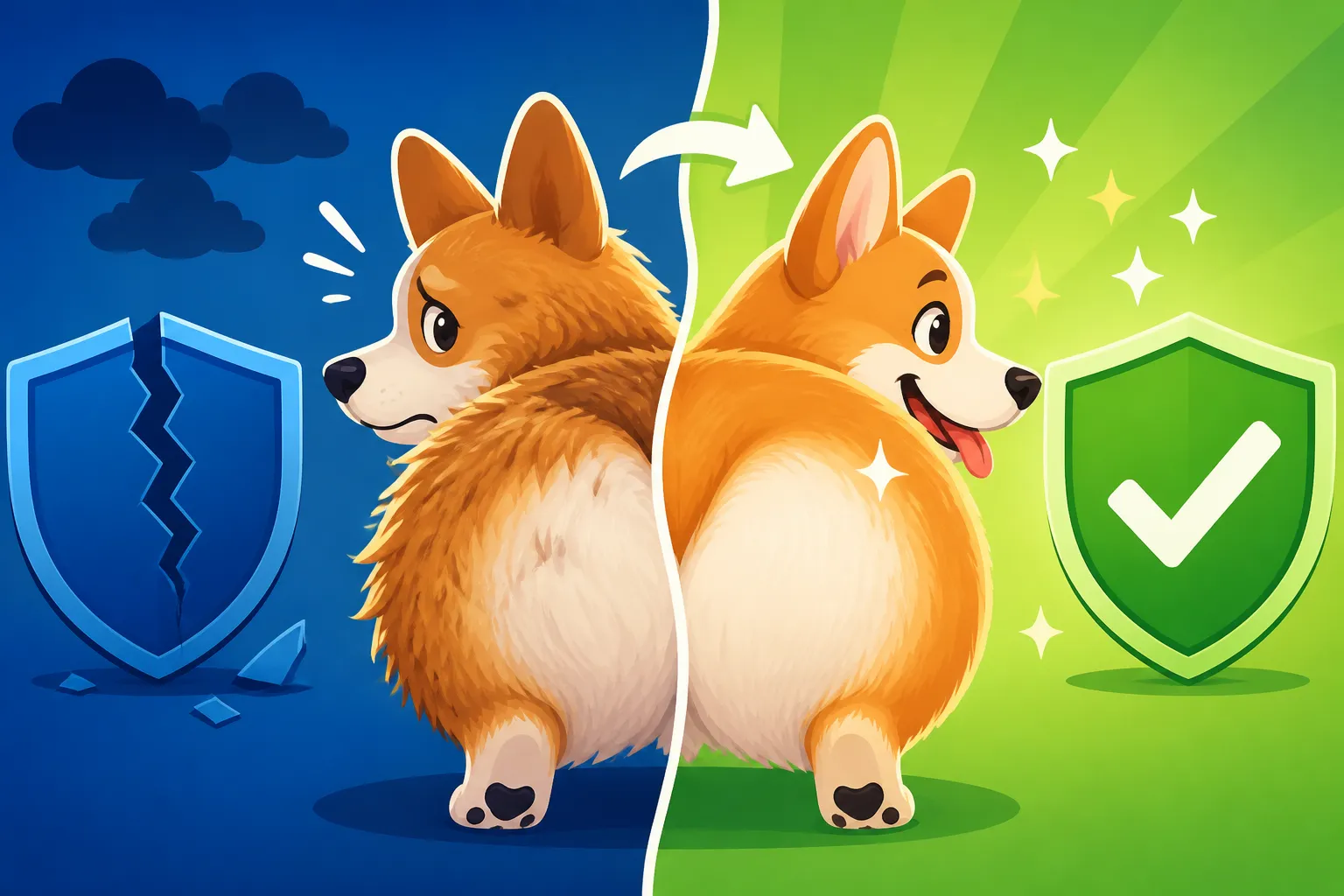
When you switch, your Corgi essentially starts fresh with a new policy and a new set of terms. Even if your previous insurer covered a back issue, your new insurer will likely consider any previous symptoms, diagnoses, or treatments related to the spine as pre-existing. This means that if your Corgi had even a mild disc bulge or a stiffness that led to a vet visit in the past, a new policy might refuse to cover any future related spinal problems. This effectively turns what might have been a covered condition into an out-of-pocket expense. It's a cruel twist, making it extremely difficult to get full coverage for spinal health once any potential signs have emerged. Even if you've been loyal to a provider like Healthy Paws for years, and they've covered minor issues, switching to a new company means restarting the clock on what they consider "new" conditions. This is the core reason why a Corgi back episode becomes pre-existing under a new policy, often even if it was covered under an old one.
Navigating the Switch: What to Consider Before You Cancel
Making an informed decision about changing pet insurers for your Corgi is paramount. You can't just jump ship without doing your homework. Here's a table outlining critical steps and considerations:
| Consideration Point | Details | Why it Matters for a Corgi's Back |
|---|---|---|
| Review New Policy Terms | Thoroughly read the entire policy document of the prospective new insurer. Pay close attention to definitions of "pre-existing conditions," waiting periods, and exclusions. Look for specific clauses related to musculoskeletal or spinal issues. | Different insurers have varying definitions and look-back periods. What one considers a covered chronic condition, another might exclude entirely if it existed previously. |
| Consult With Both Insurers | Before canceling your old policy, speak directly with representatives from both your current and prospective new insurer. Ask your new insurer, in writing if possible, how they would classify your Corgi's entire medical history, particularly any back-related incidents. | This is your best chance to understand if a known back issue will be covered or excluded. Get clear answers, not vague promises. |
| Compare Waiting Periods | Understand the waiting periods for accidents and illnesses with the new policy. Some policies have longer waiting periods for orthopedic conditions, which is directly relevant to Corgi back health. | A new policy won't cover anything during this period. If your Corgi has an incident, even minor, it could be deemed pre-existing for this new policy. |
| Medical Records Review | Gather all your Corgi's medical records, especially those pertaining to any back stiffness, lameness, or even subtle changes in gait. Be prepared to share these with the new insurer during the application process. | The new insurer will request these. Transparency is key. Hiding information could lead to claims being denied later. |
| Financial Impact Assessment | Calculate the potential financial risk if a recurring or new back issue isn't covered by the new policy. Could you afford potential diagnostics (like an MRI) or surgery out-of-pocket? | The costs associated with Corgi spinal issues are substantial. Weigh the premium savings against the catastrophic potential of no coverage. |
It's truly a situation where the devil is in the details. Many Corgi owners regret switching insurers only after a major spinal event occurs and they discover their new policy won't cover it. It's not uncommon to hear stories of people who, after years with one company, decided to go with a more affordable plan from a provider like Chewy's pet insurance offerings, only to find themselves completely exposed when their Corgi inevitably experiences another back flare-up. Always consider what insurers quote for a Pembroke versus a Cardigan, as there can sometimes be subtle differences in perceived risk, though spinal issues are a common thread for both.
Alternatives and Proactive Measures When Insurance Falls Short
Sometimes, despite your best efforts, you might find yourself in a situation where switching insurance just isn't worth the risk, or perhaps a back condition has already been flagged as pre-existing by all potential new providers. Don't despair! There are still proactive steps you can take to protect your Corgi's back and your wallet.
First and foremost, a dedicated savings fund is an absolute must for Corgi owners. Think of it as your personal pet insurance policy for those pre-existing conditions. Start setting aside money regularly, specifically earmarked for potential vet bills related to your Corgi's back. This could cover anything from conservative treatment costs for a Corgi back flare-up to diagnostic imaging or even surgery down the line. It's empowering to know you have a cushion.
Beyond financial planning, managing your Corgi's lifestyle is incredibly important. Keeping your Corgi at a healthy weight significantly reduces the strain on their spine. Every extra pound an overweight Corgi carries puts added pressure on those vulnerable discs. Regularly assess your Corgi's body condition score and adjust their diet and exercise as needed. Even if you use a premium food service like Ollie, ensure you're feeding appropriate portions.
Environmental modifications are also key. Invest in ramps and steps that save a Corgi's back by preventing jumping on and off furniture. Limit activities that involve intense twisting, jumping, or prolonged stair climbing. While exercise is important, focus on low-impact activities that strengthen core muscles without stressing the spine.
Finally, explore alternative and complementary therapies. Many Corgi owners find great success with options like physiotherapy for a Corgi losing its legs, acupuncture, or even chiropractic care (under vet guidance, of course) to manage chronic back pain or aid recovery from an injury. While these may not always be covered by insurance, they can vastly improve your Corgi's quality of life and potentially reduce the frequency or severity of acute episodes. Remember, whether a Corgi owner can skip insurance entirely is a gamble; for a breed with such specific health risks, a multi-faceted approach to care and financial planning is almost always the safest bet. The two ages a Corgi gets expensive often revolve around these very back issues.
In summary, changing your Corgi's pet insurance provider, especially if they have any history of back stiffness or injury, can be a perilous journey through the world of pre-existing conditions. Always proceed with extreme caution, gather all the information you can, and prioritize your Corgi's uninterrupted coverage over potential cost savings. Your peace of mind, and more importantly, your Corgi's health, are worth every bit of due diligence.
Disclaimer
This article is for general informational purposes only and does not constitute professional advice. Laws, prices and regulations vary by location and change over time. Consult a qualified professional for guidance on your specific situation.