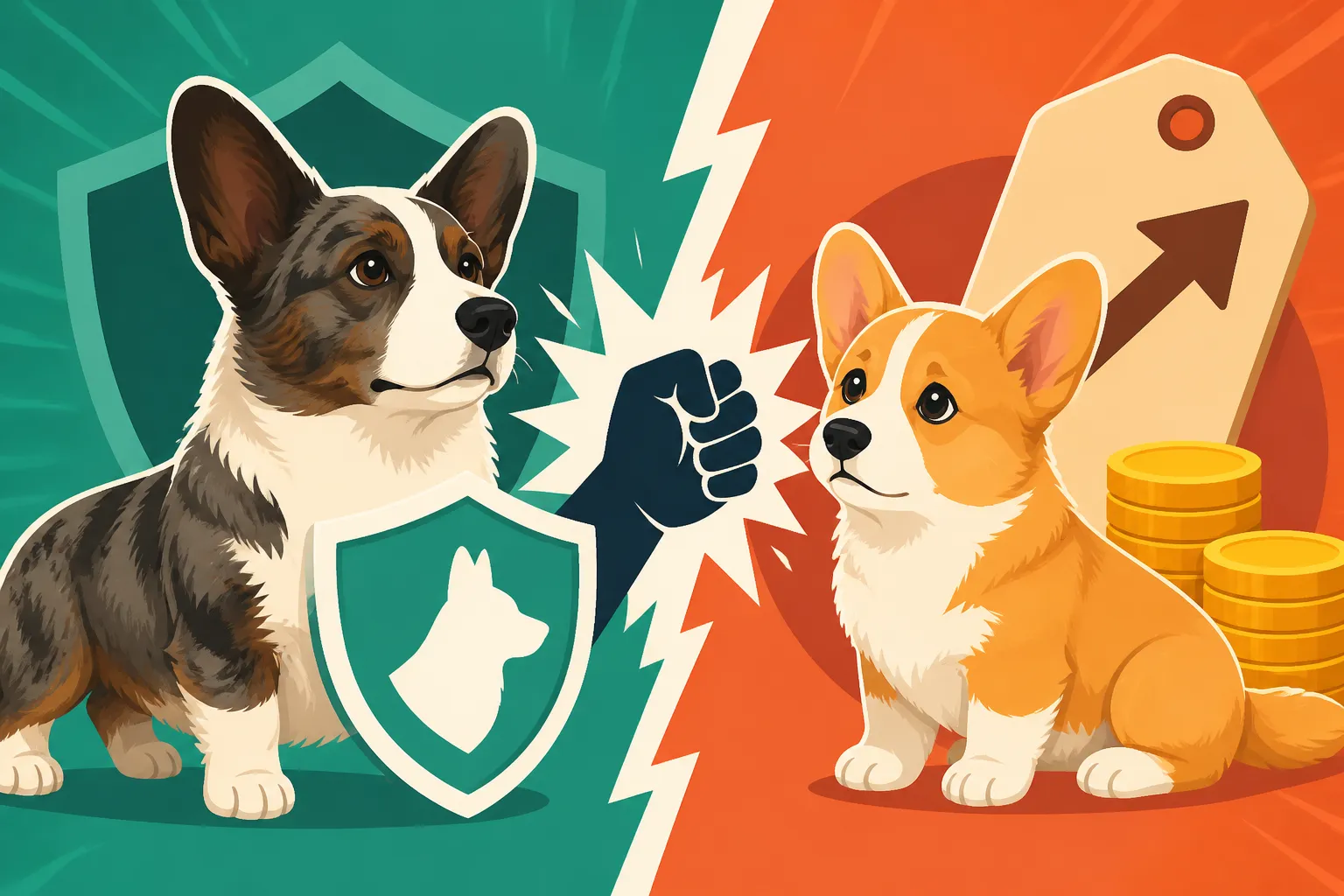
Cardigan Against Pembroke Puppy Prices
Deciding to bring a Corgi into your home is a big step, and one of the first questions many prospective owners grapple with is, "How much does a Corgi puppy actually cost?" This can be particularly confusing when you realize there are two distinct breeds—the Pembroke Welsh Corgi and the Cardigan Welsh Corgi—each with their own pricing nuances. This guide will meticulously break down the factors influencing puppy prices for both breeds, helping you understand what to expect and where your money is truly going.
Understanding the Baseline for Corgi Puppy Prices
Before we dive into the specifics of Pembroke versus Cardigan pricing, it's crucial to understand the fundamental factors that influence the cost of any responsibly bred Corgi puppy. This isn't just about a cute face; it’s about the health, temperament, and ethical foundations laid by a dedicated breeder. When you see a wide range in prices, these underlying elements are almost always the reason.
The Role of Reputable Breeders
A reputable breeder isn't just someone who has puppies available. They are individuals deeply invested in the health and future of their breed. This commitment translates directly into the puppy's initial price. Such breeders follow strict ethical guidelines, often being members of breed clubs like the Pembroke Welsh Corgi Club of America or the Cardigan Welsh Corgi Club of America. They invest heavily in their breeding stock, ensuring that parent dogs are healthy, have excellent temperaments, and meet breed standards. This often means importing quality bloodlines, participating in conformation shows to prove their dogs, and spending countless hours on socialization and early training for the puppies.
A responsible breeder won't just hand you a puppy and send you on your way. They provide extensive support, often offering a health guarantee, taking back a dog if circumstances change, and being a lifelong resource for new owners. This level of dedication comes at a cost, reflecting the significant time, effort, and financial investment made into each litter. Skipping these crucial steps often results in lower upfront costs but can lead to devastatingly high veterinary bills and behavioral issues down the line, a situation no owner wants to face.
Health Testing and Genetic Screening
One of the most significant investments a reputable Corgi breeder makes is in comprehensive health testing and genetic screening for their breeding dogs. Corgis, like many purebreds, are prone to certain genetic conditions, notably spinal issues and specific diseases. Responsible breeders screen for conditions such as hip and elbow dysplasia, various eye conditions like Progressive Retinal Atrophy (PRA), and a bleeding disorder known as Von Willebrand Disease. For Pembrokes especially, testing for Degenerative Myelopathy (DM) is paramount. You can learn more about The DNA Tests a Corgi Breeder Should Run to understand the scope of these screenings.
These tests are not cheap. Each parent dog might undergo multiple tests, some requiring specialized veterinary visits or laboratory analysis. For example, a single DM test can cost a breeder a significant amount, and they often perform a full panel on their dogs. This meticulous screening helps ensure that puppies are less likely to inherit these debilitating conditions, offering future owners peace of mind and potentially saving thousands in vet bills over the dog's lifetime. When comparing prices, always ask what health clearances the parents have received, as this is a non-negotiable indicator of responsible breeding.
Location and Market Demand
Just like real estate, the cost of a Corgi puppy can vary depending on geographical location and local market demand. In densely populated urban areas or regions with a strong Corgi fan base, prices tend to be higher due to increased demand and potentially higher operational costs for breeders. For instance, a breeder in Southern California might charge more than one in a less populated Midwestern state. Shipping costs, if applicable, also factor into the final price for buyers who source their puppies from out of state.
The overall popularity of Corgis has also seen significant surges, influenced by everything from social media trends to royal endorsements. These spikes in popularity can drive up demand and, consequently, prices. However, a responsible breeder prioritizes the health and welfare of their dogs over capitalizing on trends, often maintaining waiting lists to ensure their puppies go to suitable, well-vetted homes rather than rushing to produce more.
Pembroke Welsh Corgi Puppy Price Overview
The Pembroke Welsh Corgi is arguably the more recognizable of the two Corgi breeds, largely due to its association with the British Royal Family. This popularity often plays a role in its pricing structure. Potential owners typically see a certain price range for these adorable, outgoing dogs.
Average Price Range for Pembrokes
Generally, a well-bred Pembroke Welsh Corgi puppy from a reputable breeder can range anywhere from $1,500 to $4,000, with some exceptional show-quality puppies or those from highly decorated lines occasionally exceeding this. This range includes puppies that have received their initial vet checks, deworming, vaccinations, and often come with a health guarantee and limited registration papers. The lower end of this range might be for a pet-quality puppy, while the higher end is typically for puppies with excellent conformation, strong pedigrees, and show potential.
It’s important to be wary of Pembroke puppies advertised at significantly lower prices, especially under $1,000. While a lower price can be tempting, it's often a red flag indicating a backyard breeder or puppy mill that cuts corners on essential health testing, proper nutrition, and socialization. These shortcuts often lead to costly health issues later on, such as severe Corgi Hips and Front-End Structure problems or undisclosed genetic diseases. Always prioritize the health and ethical background of the breeder over a bargain price.
Impact of Pedigree and Show Lines
For those interested in showing their Corgi or potentially breeding in the future, the pedigree and lineage of a Pembroke puppy can significantly influence its price. Puppies descended from champion show dogs or those with a proven track record in performance events like obedience or agility will command higher prices. These puppies are often sold with full registration rights, which allows the new owner to breed them, a privilege that usually carries an additional cost.
Breeders who consistently produce dogs that excel in the show ring invest considerable resources in traveling to shows, professional handling, and maintaining their champions. This expertise and success are reflected in the value of their puppies. A puppy from a renowned kennel with generations of health-tested champions offers a higher likelihood of possessing desirable breed characteristics and a sound temperament, making it a valuable investment for serious enthusiasts. This is where researching Corgi Puppy Prices From a Tested Breeder truly pays off.
Differences for "Fluffy" Pembrokes
Every now and then, a Pembroke litter will produce what's affectionately known as a "fluffy" Corgi. This refers to a Corgi with a longer, softer, and thicker coat than the standard short, dense double coat. The "fluffy" trait is recessive, meaning both parents must carry the gene for it to appear in their offspring. While undeniably adorable, a fluffy coat is considered a disqualifying fault in the show ring for Pembrokes according to breed standards.
Because they cannot be shown, fluffy Pembrokes are typically sold as pet-only puppies, often at a slightly lower price than their standard-coated littermates. However, this is not a universal rule; some breeders may price them similarly due to their rarity and unique appeal, particularly to pet owners who aren't concerned with conformation showing. It's wise to clarify with any breeder if they test for the fluffy gene and how they price such puppies. You might find a great deal on a wonderful companion if you're not planning on entering the show ring, as discussed in detail in "Whether a Fluffy Corgi Costs Less".
Cardigan Welsh Corgi Puppy Price Overview
While often mistaken for their Pembroke cousins, Cardigan Welsh Corgis are a distinct and ancient breed, characterized by their long, fox-like tails and slightly larger build. Their pricing tends to reflect their relative rarity and different genetic considerations.
Average Price Range for Cardigans
Cardigan Welsh Corgi puppies from a reputable breeder typically fall within a similar range to Pembrokes, often between $1,800 and $4,500. However, it's not uncommon to see them on the higher end of this spectrum, or even exceeding it, particularly for puppies with unique colorations or strong show potential. Cardigans are generally considered less common than Pembrokes, which can sometimes contribute to slightly higher prices due to supply and demand dynamics.
Just like with Pembrokes, the price reflects the breeder's dedication to health testing, responsible breeding practices, and the comprehensive care provided to the puppies. Cardigans also require screening for hip and elbow dysplasia, eye conditions, and often genetic conditions like PRA and Renal Dysplasia. A responsible breeder will readily share these health clearances and discuss the genetic background of their lines, ensuring you're getting a healthy start.
Influence of Rare Colors like Blue Merle
Cardigans come in a wider array of colors than Pembrokes, including striking blue merle, red merle, black-and-tan, sable, and brindle, often with white markings. The blue merle coloration, in particular, can sometimes command a higher price due to its distinctive and sought-after appearance. However, reputable breeders will emphasize that color is secondary to health and temperament. The cost should not be inflated simply because of a rare coat color if the underlying health and conformation are not exceptional.
It’s critical to remember that while blue merle is a recognized and beautiful color in Cardigans, it’s genetically complex. Breeding two merle dogs together can lead to serious health issues, including deafness and blindness. Responsible breeders understand this genetic risk and will never breed merle-to-merle. If you encounter a breeder advertising "double merle" puppies or excessively high prices solely based on color, proceed with extreme caution. For a deeper dive into this, check out "What a Blue Merle Cardigan Puppy Costs".
Cardigan Popularity and Availability
Cardigan Welsh Corgis have seen a rise in popularity over the years, but they generally remain less common than Pembrokes. This lower overall availability can sometimes influence their price, making them slightly more expensive or harder to find from a reputable breeder. You might find yourself on a longer waiting list for a Cardigan puppy, especially if you have specific preferences for color or gender.
Breeders who specialize in Cardigans are often passionate advocates for the breed, working to preserve its unique characteristics and historical integrity. They often operate on a smaller scale, producing fewer litters per year to maintain high standards of care and selection. This careful approach to breeding contributes to the value of each puppy and ensures that the breed continues to thrive responsibly. If you are struggling to locate a reputable breeder, you may be interested in Whether a Cardigan Is Harder to Find.
Why the Price Difference Can Exist
While both breeds share the "Corgi" name and a low-slung profile, there are subtle differences in their breeding, popularity, and genetic predispositions that can subtly influence their respective price points. It's not always a huge disparity, but understanding the nuances helps.
Breeding Practices and Litter Sizes
One factor that can influence pricing is the typical litter size and the ease of breeding. Corgis generally have moderate litter sizes, often between 4-8 puppies, but this can vary. Some breeders might find that Pembrokes, being slightly smaller, occasionally have smaller litters or more complex whelpings, which can increase the costs associated with successful breeding. Cardigans, being a bit larger, might statistically have slightly larger litters on average, but this isn't a hard and fast rule.
The general health of the breeding pair and any interventions needed during pregnancy or delivery (such as C-sections, which are sometimes necessary for brachycephalic or long-backed breeds, though less common in Corgis than some other breeds) all add to the breeder's expenses. These costs are naturally factored into the final puppy price to help cover the extensive work and resources involved in bringing healthy puppies into the world.
Relative Demand and Supply
As mentioned, Pembrokes tend to be more widely known and generally have a higher demand. This consistent demand, combined with the efforts of reputable breeders to not over-breed, maintains their price point. Cardigans, while gaining traction, still have a slightly smaller pool of dedicated breeders and a comparatively smaller overall population.
Sometimes, lower supply for a breed can drive prices up, particularly if demand remains steady. Conversely, if a breed becomes too popular too quickly, it can attract less scrupulous breeders who prioritize profit over health, potentially flooding the market with lower-priced, poorly bred puppies. Responsible breeders for both Pembrokes and Cardigans strive to manage their breeding programs to meet demand ethically, ensuring the welfare of their dogs remains paramount.
Historical Popularity Trends
The historical popularity of each breed has played a significant role in their current pricing and availability. The Pembroke Welsh Corgi’s decades-long association with Queen Elizabeth II solidified its image as a charming, regal companion, boosting its global recognition and desirability. This sustained popularity has created a stable, high-value market for well-bred Pembrokes.
The Cardigan, while equally charming and historically older, has only more recently started to emerge from its cousin's shadow into the mainstream consciousness. This slower climb in popularity means fewer breeders, and thus, often a slightly more specialized market where prices reflect the dedicated effort to preserve this distinct branch of the Corgi family. The Queen's Corgis, and the subsequent surge in interest, certainly had an impact on the general public's awareness, which inevitably affects market dynamics.
Factors That Drive Up or Down Puppy Prices for Both Breeds
Beyond the basic breed distinction, several other elements can significantly influence the final price tag of both Pembroke and Cardigan Corgi puppies. These factors are crucial to understand as they directly relate to the quality and future well-being of your potential companion.
Comprehensive Health Testing Protocols
As discussed earlier, the extent and thoroughness of parental health testing are perhaps the most significant factors driving a puppy's price. Breeders who invest in full genetic panels, OFA (Orthopedic Foundation for Animals) certifications for hips and elbows, CERF (Canine Eye Registry Foundation) or OFA Eye certifications, and DM testing for Pembrokes, are ensuring their puppies have the best possible start. These tests aren't a one-time thing; they're often done annually or biennially and for multiple generations of breeding stock.
A breeder transparently providing results and certifications for their breeding dogs’ hips, elbows, eyes, and genetic conditions like DM (for Pembrokes) and PRA (for both) is investing heavily in the health of their lines. This investment reduces the risk of you inheriting a puppy with costly and heartbreaking genetic conditions, saving you untold expenses and emotional distress in the long run. If you're concerned about the cost of these tests, consider that the cost of a The Cost of a Corgi DM Test is a tiny fraction of what treating a symptomatic dog might entail.
Show Potential and Breeding Rights
Puppies deemed to have "show potential" – meaning they closely conform to the breed standard in terms of appearance, structure, and temperament – will invariably be priced higher. These puppies are often purchased by other breeders or individuals aspiring to enter the conformation ring. They come with full American Kennel Club (AKC) registration, allowing the owner to breed them and register their litters.
On the other hand, most puppies are sold with "limited registration," meaning they are wonderful, healthy companions, but cannot be shown in conformation or bred for registered litters. These "pet-quality" puppies are usually a bit less expensive. Reputable breeders typically require buyers of pet-quality puppies to sign a spay/neuter contract, ensuring that these dogs are not bred, which helps prevent accidental litters and supports responsible pet ownership. This distinction is crucial and a clear sign of an ethical breeder protecting their lines and the breed as a whole.
"Pet Only" Contracts and Spay/Neuter Agreements
The majority of Corgi puppies, whether Pembroke or Cardigan, are sold under "pet only" contracts with a mandatory spay/neuter agreement. This means the puppy is purchased solely as a companion animal, and the new owner agrees to spay or neuter the dog by a certain age (usually between 6 months to 1 year, though some vets recommend waiting longer for growth plate closure). This arrangement ensures that only the healthiest, most conformationally correct, and temperamentally sound dogs are used for breeding, safeguarding the future of the breed.
These contracts usually result in a slightly lower initial purchase price compared to a puppy sold with full breeding rights. Breeders often take a deposit and might withhold registration papers until proof of spay/neuter is provided. This practice, while sometimes seen as restrictive by new owners, is a hallmark of responsible breeding aimed at preventing indiscriminate breeding and reducing the number of dogs in shelters. It underlines a breeder's commitment to the individual dog's health and the breed's integrity, rather than just making a quick sale.
Beyond the Puppy Price: Long-Term Costs to Consider
While the initial puppy price can feel like a significant investment, it's truly just the beginning of the financial journey with a Corgi. These charismatic little dogs come with ongoing expenses that every prospective owner must be prepared for. Neglecting these costs can lead to health issues or a diminished quality of life for your Corgi.
First-Year Expenses
The first year with a Corgi puppy is often the most expensive, even beyond the initial purchase. This period is packed with essential veterinary care, including a series of vaccinations, deworming, microchipping, and their spay or neuter surgery. Beyond vet visits, you'll need to invest in quality puppy food—and remember, Corgis can easily gain weight, so Feeding a Twenty-Eight Pound Corgi requires careful measurement. Brands like Ollie offer high-quality, portion-controlled meals that can contribute to a healthy weight.
Then there are all the supplies: a crate, bedding, collar, leash, bowls, toys (lots of toys!), grooming tools, and puppy training classes. Corgis are intelligent but can be opinionated, so early training is key. These initial setup costs can easily add another $1,000 to $2,000 in the first year alone. It’s wise to budget for this comprehensive start to ensure your Corgi gets everything they need to thrive. For a complete breakdown, you might want to review The First Twelve Months of Corgi Spending.
Ongoing Care and Preventative Health
After the first year, expenses typically stabilize but remain a consistent part of Corgi ownership. This includes annual veterinary check-ups, booster vaccinations, flea and tick prevention, heartworm medication, and continued high-quality dog food. Corgis, with their dense double coats, also require regular grooming, either at home with proper tools or professional services, which adds to the budget.
Due to their long backs and chondrodystrophic nature, preventing spinal issues is a lifelong commitment. This means investing in ramps to prevent jumping on and off furniture, providing orthopedic beds, and maintaining a healthy weight. You can read more about Why Corgi Weight Is a Spinal Problem to understand the importance of this. Regular dental care is also crucial, as Corgis can be prone to dental disease. Setting aside funds for these routine preventative measures is much more cost-effective than dealing with emergencies later on.
Unexpected Veterinary Emergencies
No matter how well you care for your Corgi, unexpected health issues can arise, and these can be incredibly expensive. From sudden injuries to unforeseen illnesses, veterinary emergencies can easily run into thousands of dollars. Disc injuries, while often preventable, can occur and may require expensive diagnostics like MRIs and potentially surgery, with costs that can quickly escalate to $5,000 to $10,000 or more. This is where pet insurance can be a lifesaver.
Companies like Healthy Paws offer comprehensive pet insurance plans that can help cover a significant portion of these unexpected costs, allowing you to focus on your Corgi's recovery rather than crippling vet bills. Enrolling your Corgi when they are young, before any pre-existing conditions develop, is crucial. You might also want to look into Insuring a Corgi Before Its First Back Episode. While pet insurance is an added monthly expense, the peace of mind it provides is invaluable when facing a crisis. Remember to factor in a safety net for any The Corgi Vet Bills Unrelated to the Back that might pop up. Additionally, shopping for dog food and supplies from retailers like Chewy can help you manage monthly costs with convenient delivery and competitive pricing.
Comparing Pembroke and Cardigan Corgi Puppy Costs: A Snapshot
To help visualize the pricing differences and key characteristics, here's a comparative table for Pembroke and Cardigan Welsh Corgi puppies. This table provides general insights and estimated ranges, which can vary based on the factors discussed above.
| Feature | Pembroke Welsh Corgi | Cardigan Welsh Corgi |
|---|---|---|
| Typical Price Range | $1,500 – $4,000 | $1,800 – $4,500 |
| Relative Popularity | Higher (More common) | Lower (Less common, but growing) |
| Distinguishing Feature(s) | Naturally bobbed or docked tail, slightly smaller | Long, fox-like tail, slightly larger build |
| Common Colors | Red, sable, fawn, black-and-tan (with white) | Blue merle, brindle, red, sable, black-and-tan (with white) |
| Primary Health Concerns | DM, hip dysplasia, eye issues, Von Willebrand's | Hip/elbow dysplasia, eye issues, Renal Dysplasia |
| "Fluffy" Coat Status | Disqualification in show ring (Pet price often lower) | Not applicable (Standard coat allows variation) |
| Demand for Show Quality | High | High |
Remember, these are general guidelines. The most important factor, regardless of breed, is always to choose a puppy from a responsible, health-testing breeder who prioritizes the well-being and longevity of their dogs.
Disclaimer
This guide provides general information about Corgi puppy prices and related ownership costs. Prices are estimates and can vary significantly. Always conduct thorough research and consult with reputable breeders and veterinary professionals. The author is not a financial advisor or veterinarian.