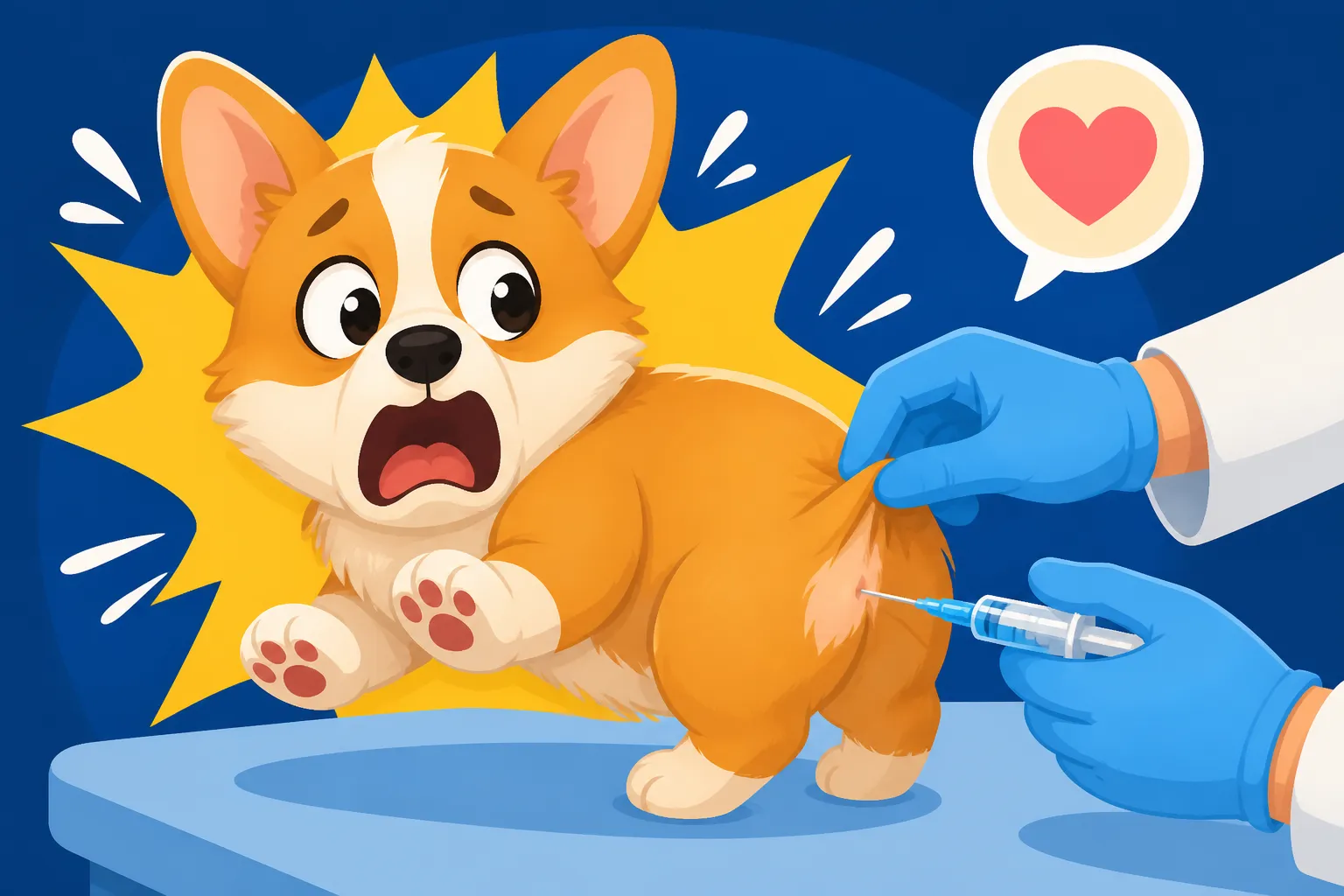
A Corgi Puppy That Reacts to Its Shots
There's nothing quite like the boundless energy and goofy charm of a Corgi puppy, but that joy can quickly turn to heart-stopping worry when your little fluffball acts "off" after their vaccinations. Seeing your playful pup suddenly lethargic, feverish, or worse, can send any Corgi parent into a panic. This guide is here to walk you through what's normal, what's concerning, and exactly what to do if your Corgi puppy has a reaction to their shots, helping you distinguish between a minor discomfort and a genuine emergency.
Understanding Normal Reactions to Corgi Puppy Vaccinations
It's completely normal for a Corgi puppy to experience some mild, temporary side effects after receiving their vaccinations. Think of it like when we get our flu shots – sometimes we feel a bit under the weather. A puppy's immune system is busy learning to fight off potential diseases, and that hard work can manifest in a few noticeable ways. The key is knowing what falls within the realm of "normal" and when those symptoms might be signaling something more serious.
Mild and Common Side Effects
After a trip to the vet for their latest round of shots, you might notice your Corgi puppy is just a little less bouncy than usual. This is perhaps the most common reaction and typically nothing to fret over. Your pup might want to sleep more, appearing unusually quiet or subdued. This lethargy usually passes within 24 to 48 hours. They might also have a slightly reduced appetite; it's common for them to turn their nose up at their usual kibble or treats for a meal or two. If your puppy is typically a food-motivated little Hoover, this can be especially alarming, but a temporary dip in appetite is generally fine as long as they are still drinking water.
Another very common sign is soreness or mild swelling at the injection site. This is often seen around the shoulder or hip area where the vaccine was administered. You might notice your Corgi puppy flinching when you touch the spot, or they might even limp slightly if the injection was in a leg muscle. Some pups develop a small, firm lump under the skin at the injection site; this is usually a granuloma, a localized inflammatory response, and it should disappear on its own within a few weeks. A low-grade fever, often indicated by a warm nose or ears and general malaise, is also possible. These mild symptoms are your puppy's immune system doing its job, building up defenses against future infections. For a deeper dive into their early health journey, consider learning more about The Vet Visits a Corgi Puppy Needs First.
When to Call the Vet for Mild Symptoms
While mild reactions are usually nothing to worry about, it's always better to be safe than sorry, especially with a tiny Corgi puppy. If the lethargy lasts longer than 48 hours, or if your puppy refuses to eat or drink for more than one full day, it's time to make a call to your veterinarian. Similarly, if the swelling at the injection site seems to be getting larger, is hot to the touch, or your puppy seems to be in significant pain rather than just mild discomfort, a vet visit is warranted.
Sometimes, mild gastrointestinal upset like soft stools or a single episode of vomiting can occur. If these symptoms are persistent or severe, such as multiple episodes of vomiting or diarrhea, or if you notice any blood in their stool or vomit, contact your vet immediately. Even though these might still be vaccine-related, they can quickly lead to dehydration in a small puppy. Your vet can provide guidance over the phone or recommend bringing your Corgi in for a quick check-up to rule out anything serious. Remember, you know your puppy best, and if something just doesn't feel right, trust your instincts.
Recognizing More Serious Allergic Reactions in Your Corgi Puppy
While most vaccine reactions are mild and resolve quickly, more serious, though rare, allergic reactions can occur. These types of reactions require immediate veterinary attention, as they can escalate rapidly and become life-threatening. Knowing the signs of these severe reactions can make all the difference in getting your Corgi puppy the help they need right away.
Anaphylaxis: Immediate and Severe Signs
Anaphylaxis is the most severe type of allergic reaction and is a true veterinary emergency. It typically occurs very quickly after vaccination, sometimes within minutes, but can also manifest within a few hours. The signs are dramatic and frightening. You might notice your Corgi puppy suddenly developing severe facial swelling, especially around the muzzle, eyes, and ears. Their gums might become very pale or even bluish, indicating a lack of oxygen.
Difficulty breathing is another critical sign, which could present as labored breathing, wheezing, or gasping. Your puppy might collapse, become extremely weak, or unresponsive. Other symptoms can include profuse vomiting, uncontrollable diarrhea, drooling excessively, or hives appearing on the skin, which look like small, red, itchy bumps. If you observe any of these symptoms, do not wait. Get your Corgi puppy to the nearest emergency veterinary clinic immediately. These reactions demand swift action, and having a plan in place, including knowing where your closest emergency vet is, can be life-saving. For some situations that might involve critical care, understanding Emergency Neurology Fees for a Corgi could be relevant.
Delayed Reactions and Other Concerns
Beyond immediate anaphylaxis, there are other types of serious reactions that can occur, sometimes with a slight delay. These might not be as overtly dramatic as anaphylaxis but still warrant veterinary attention. For instance, some Corgi puppies can develop a condition called vaccine-associated vasculitis, where inflammation affects the blood vessels, often leading to skin lesions, hair loss, or scabbing, usually around the injection site or on the ears, days or even weeks after vaccination. While less common, these reactions can be persistent and require specific treatment.
Another concern, though extremely rare, is an autoimmune reaction where the vaccine triggers the body's immune system to attack its own tissues. Symptoms can vary widely depending on which system is affected, from joint pain and lameness to more generalized illness. It's crucial to provide your veterinarian with a complete history of any reactions, no matter how minor, to all vaccines. This information helps them tailor future vaccination protocols to minimize risks. It's also why comprehensive pet insurance, like plans offered by Healthy Paws, can be incredibly valuable, as these unexpected and sometimes costly conditions can arise when you least expect them.
First Aid Steps for a Corgi Puppy Having a Reaction
Witnessing your Corgi puppy experiencing an adverse reaction to vaccinations is incredibly stressful. Your immediate response can significantly impact their well-being. Knowing what actions to take, both for mild discomfort and for severe emergencies, will empower you to provide the best care possible when minutes matter.
At-Home Management for Mild Reactions
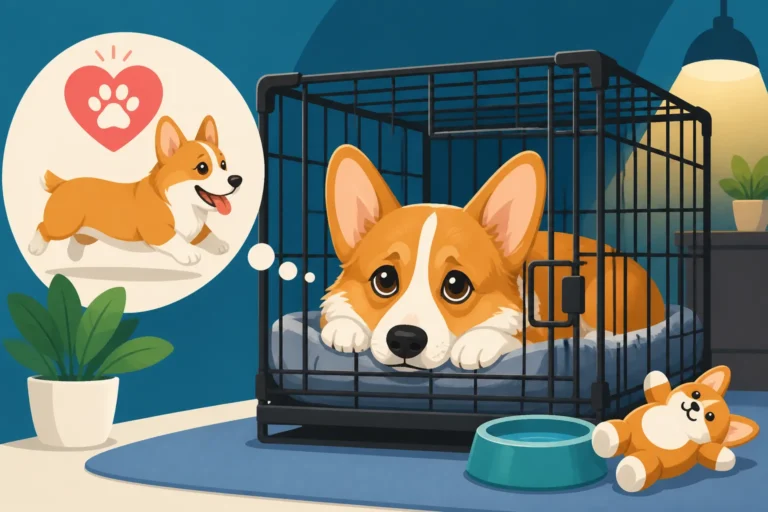
For the typical mild side effects – slight lethargy, reduced appetite, or localized soreness – your role is primarily one of comfort and observation. First, ensure your Corgi puppy has a quiet, comfortable, and warm place to rest. Minimize excitement and strenuous activity for 24-48 hours after their shots. Offer fresh water frequently to prevent dehydration, and don't be alarmed if they're not as enthusiastic about their food. You can try offering a small amount of bland food, like boiled chicken and rice, if their regular kibble isn't appealing, but avoid overfeeding or introducing new foods that could upset their stomach further. If they're experiencing stomach upset, which might present as your puppy being "A Corgi That Cannot Hold Its Dinner Down," monitoring is key.
You can gently apply a cool compress to the injection site if there's swelling, but only if your puppy tolerates it and it doesn't cause them pain. Crucially, resist the urge to give any over-the-counter human medications, such as pain relievers or antihistamines, unless specifically instructed and dosed by your veterinarian. Many human medications are toxic to dogs, and incorrect dosages can be dangerous. Keep a close eye on your puppy for any worsening symptoms or the development of new, more severe signs, and be prepared to contact your vet if you have any concerns whatsoever.
Emergency Vet Visit Protocol
If your Corgi puppy is showing signs of a severe allergic reaction, such as facial swelling, difficulty breathing, collapse, or profuse vomiting/diarrhea, immediate action is critical. Time is of the essence in cases of anaphylaxis. Call your regular veterinarian or the nearest emergency veterinary clinic while you are on your way. This allows them to prepare for your arrival and ensure staff and necessary medications are ready. Don't wait for a call back if the symptoms are severe.
Transport your puppy safely and calmly. If they are having trouble breathing, try to keep their airway clear and minimize stress. Avoid trying to administer any medication yourself unless directed by a vet via phone. Once you arrive at the clinic, clearly and calmly explain what happened, including when the vaccination was given and precisely what symptoms you observed. Provide the vet with any vaccine records you have. The veterinary team will then initiate emergency treatment, which may include antihistamines, corticosteroids, intravenous fluids, and oxygen therapy, depending on the severity of the reaction. Having comprehensive pet insurance from a provider like Healthy Paws can truly alleviate the financial stress during such emergency situations, allowing you to focus solely on your Corgi's care. Being prepared with a pet insurance plan well before any emergencies occur is a critical step for responsible pet ownership, helping you with unexpected costs from the moment you start Covering a Corgi From the Day It Comes Home.
Preventing Future Reactions and Discussing Future Vaccinations
Experiencing a vaccine reaction with your Corgi puppy can be incredibly unsettling and might make you hesitant about future vaccinations. However, vaccinations are a cornerstone of preventative medicine, protecting your Corgi from many serious and potentially fatal diseases. The goal is to minimize risks while ensuring your beloved pup remains protected.
Discussing Vaccination Schedules with Your Vet
After a reaction, a thorough discussion with your veterinarian is paramount. Share every detail of the reaction, no matter how minor it seemed. Your vet will assess the severity of the previous reaction and help you make informed decisions about future vaccinations. This might involve changing the brand of vaccine used, especially if there's a known component your Corgi reacted to. It could also mean pre-medicating your puppy with an antihistamine, like diphenhydramine (Benadryl), prior to future vaccinations to help mitigate an allergic response. This pre-medication should only be done under strict veterinary guidance, including the exact dosage and timing.
Your vet may also recommend spreading out the vaccinations. Instead of giving multiple vaccines in one visit, they might suggest administering them individually over several weeks. This approach allows you to monitor for reactions to each vaccine separately, making it easier to identify the specific trigger if another reaction occurs. This tailored approach is often a good balance between protecting your Corgi and minimizing their risk of adverse events. Understanding the full scope of your Corgi's needs for The Vaccine Series a Corgi Puppy Needs Paid For is part of this discussion.
Importance of Vet-Patient Communication
Open and honest communication with your veterinary team is the most powerful tool you have in managing your Corgi's health. Don't hesitate to ask questions, voice your concerns, and seek clarification on any recommended course of action. If you're considering special precautions, such as pre-medication or splitting up vaccines, discuss these options thoroughly. Your vet will weigh the benefits of vaccination against the potential risks, taking into account your Corgi's individual medical history, lifestyle, and the prevalence of diseases in your area. For complex medical decisions, like those involving specific genetic conditions, topics such as Whether a Corgi Puppy Should Be Screened for DM would also be part of a comprehensive discussion with your vet.
It's also beneficial to maintain detailed records of all vaccinations, including the date, type of vaccine, and any reactions observed. This information will be invaluable for your vet and any future vets who care for your Corgi. Being proactive in managing your Corgi's health, including understanding and planning for potential medical costs through a robust pet insurance policy from a company like Healthy Paws, ensures you're prepared for whatever comes your way. This level of comprehensive care ensures that your Corgi gets the preventative measures they need while minimizing any undue stress or risk.
Corgi Puppy Vaccination Reaction Summary
Below is a table summarizing the common and serious reactions to Corgi puppy vaccinations and the appropriate actions to take.
| Symptom Category | Specific Symptoms | Onset Time | Action Required |
|---|---|---|---|
| Mild Reactions | Lethargy, mild fever, decreased appetite, mild soreness/swelling at injection site, occasional single vomit/soft stool. | 6-24 hours | Keep quiet, offer water, monitor closely for 24-48 hours. Contact vet if symptoms persist beyond 48 hours, worsen, or if appetite/thirst doesn't return. |
| Serious Allergic Reactions | Swelling of face/muzzle/eyes, hives, persistent vomiting/diarrhea, difficulty breathing (wheezing, gasping), pale or bluish gums, weakness, collapse. | Minutes to few hours | IMMEDIATE EMERGENCY VETERINARY ATTENTION. Call vet en route. Do not delay. This can be life-threatening. |
| Delayed Reactions | Skin lesions, hair loss, scabbing (vasculitis), persistent lameness, unexplained pain, generalized illness (rare autoimmune). | Days to weeks | Contact your veterinarian for assessment. Provide full history of vaccination and symptoms. |
Knowing these distinctions can empower you to provide appropriate care and seek timely professional help, ensuring your Corgi puppy stays as happy and healthy as possible.
Disclaimer
The information provided in this article is for general informational purposes only and is not intended as a substitute for professional veterinary advice, diagnosis, or treatment. Always seek the advice of your veterinarian or other qualified health provider with any questions you may have regarding a medical condition for your Corgi. Never disregard professional veterinary advice or delay in seeking it because of something you have read in this article.