Deciding When a Corgi With DM Has Had Enough
Watching your beloved Corgi slowly lose their mobility and independence due to Degenerative Myelopathy (DM) is one of the most heartbreaking experiences any pet parent can face. The physical decline, often starting with a slight stumble and progressing to paralysis, brings with it an agonizing question: How do you know when it's time to say goodbye? This guide aims to offer a compassionate, realistic look at assessing your Corgi's quality of life, understanding the difficult signs, and navigating those final, loving decisions.
Understanding Degenerative Myelopathy in Corgis
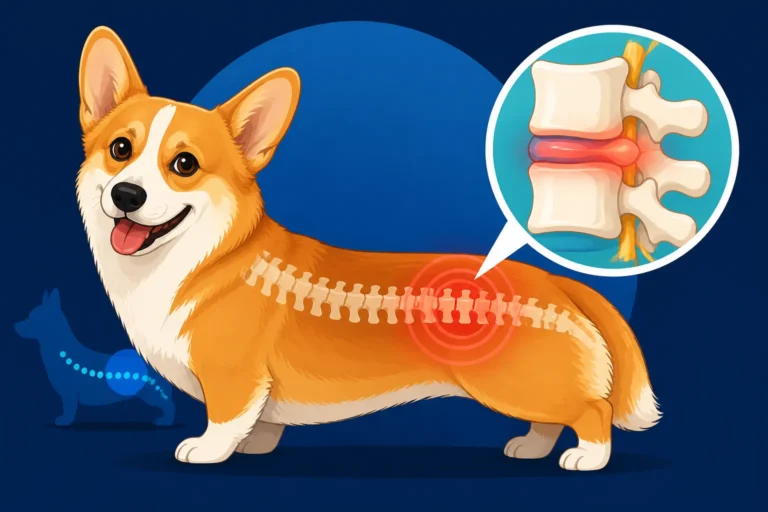
Degenerative Myelopathy is a cruel, progressive neurological disease that affects the spinal cord, particularly in the thoracic (mid-back) region. It's often compared to ALS in humans, and for good reason: it attacks the nerves that carry messages from the brain to the limbs, causing weakness, incoordination, and eventually paralysis. For Corgi owners, it's a fear that lurks in the background, given our breed's predisposition.
What DM Is and How It Progresses
DM is thought to be an autoimmune disease that targets the protective myelin sheath around nerve fibers in the spinal cord, leading to their degeneration. It's not painful itself, which can be both a blessing and a curse. It means your dog isn't suffering from direct nerve pain, but it also makes it harder to gauge their discomfort. The disease typically begins subtly, often when a Corgi is around 8 to 14 years old, though the exact age can vary. You might notice your Corgi starting to scuff their back nails, perhaps one side more than the other, or a slight swaying in their hindquarters when they stand. These early signs are often dismissed as arthritis or old age, which makes getting a definitive diagnosis crucial.
As the disease progresses, the symptoms become more pronounced. What might start as mild hind leg weakness can evolve into a noticeable wobble, often described as a "drunken" gait. They might struggle to stand up from a lying position, especially on slippery floors, and their hind legs might cross over when they walk. Over several months, or sometimes even a year or more, this weakness intensifies until they can no longer support their own weight in their back legs. You might find yourself researching resources like "The Months Between a Corgi's First Stumble and a Cart" as you try to prepare for what's ahead. Eventually, the disease can affect the front legs and even breathing, though this is usually in very advanced stages. It’s a relentless march that slowly strips away their mobility and independence.
The Emotional Rollercoaster of a DM Diagnosis
Receiving a DM diagnosis is devastating. It brings with it a wave of grief, fear, and sometimes, a desperate search for a cure that doesn't exist. There's no specific treatment to stop or reverse DM; management focuses on slowing progression and maintaining comfort. This lack of a clear path to recovery can feel incredibly isolating. You might feel overwhelmed by the need to adapt your home, your routine, and even your Corgi's diet to accommodate their changing needs. It's natural to feel angry, sad, and even guilty, wondering if you could have done something differently.
Many Corgi owners grapple with the ethical dilemma of continuing care versus preventing suffering. They might pour their energy into physiotherapy, acupuncture, and even invest in "Carts and Wheels for a Corgi With DM" to give their beloved companion more time and mobility. This dedication is admirable, but it also carries a heavy emotional and financial toll. Pet insurance plans, such as those offered by Healthy Paws, can certainly help alleviate some of the financial burden of extensive palliative care, making it easier to focus on your Corgi's comfort without added stress. Remember, it's okay to lean on your support network – your vet, family, friends, and online communities – during this challenging time. You are not alone in this journey.
Recognizing the Signs of Declining Quality of Life
Deciding when your Corgi has had enough is perhaps the hardest decision you'll ever make. It's not about a single moment or a specific symptom; it's about a cumulative assessment of their overall well-being, their "spark," and their ability to engage with life in a meaningful way. This requires vigilant observation and honest reflection.
Physical Indicators of Advanced DM
As DM progresses, the physical challenges become undeniable. While the disease itself isn't directly painful, the secondary effects can lead to discomfort and significant decline. One of the most obvious indicators is the complete loss of mobility in the hind legs. Your Corgi might struggle to shift positions, lie down, or get up without significant assistance. They might develop sores from lying in one position too long, especially if you're not diligent with turning and padding.
Another major concern is incontinence. As nerve function diminishes, Corgis with DM often lose control of their bladder and bowels. This isn't just a hygiene issue; it can lead to skin irritation, infections, and can be deeply distressing for a dog that was once meticulously clean. If you find yourself consistently dealing with "Incontinence in a Corgi With DM," it's a clear sign of advanced disease. Muscle wasting, particularly in the hindquarters, will become very apparent, making their legs appear much thinner. While some physical discomfort can be managed with medication like "Pain Relief for an Old Corgi's Back," it's essential to recognize when these physical ailments become overwhelming for your Corgi, despite your best efforts.
Behavioral Changes and Mental Well-being
Beyond the physical, pay close attention to your Corgi's behavior and mental state. A Corgi's joy for life is usually infectious, and a noticeable change in this can be a strong indicator of declining quality of life. Are they still interested in their favorite activities? Do they still greet you with enthusiasm? Do they enjoy food, or do they pick at it? If your Corgi, who once lived for meal times, starts refusing food or treats, it’s a red flag. Look for a loss of interest in their surroundings, in toys, or in interactions with family members.
Some Corgis may also show signs of anxiety or depression. They might become withdrawn, restless, or vocalize more than usual. They might seem "lost" or disoriented, even in familiar surroundings. This cognitive decline, sometimes compounded by the stress of their physical limitations, can be just as heartbreaking as the physical paralysis. While a Corgi carrying the DM gene usually stays well for many years, once the active symptoms begin, it's these subtle shifts in their personality and engagement that often speak volumes about their internal state. They might look at you with eyes that seem to say, "I'm tired."
Managing Secondary Complications
The primary issue with DM is neurological, but it opens the door to a host of secondary complications that significantly impact quality of life. Pressure sores, as mentioned, are a major concern, especially on bony prominences like hips and hocks. Urinary tract infections (UTIs) are rampant in incontinent dogs, leading to discomfort and potentially kidney issues if left untreated. Regular cleaning and vigilance are key to preventing these.
Another silent struggle is weight loss, often due to muscle atrophy and sometimes decreased appetite. Maintaining a healthy weight is crucial, but it becomes challenging when exercise is limited, and feeding needs to be adjusted. While you might be focusing on "Physiotherapy for a Corgi Losing Its Legs," don't overlook these common, yet debilitating, secondary issues. Your vet might prescribe prophylactic antibiotics or special creams, but the constant management can be draining for both you and your Corgi. When these secondary complications become chronic, difficult to manage, and detract significantly from your Corgi's remaining joys, it's a strong signal that their overall quality of life is diminishing.
Assessing Your Corgi's "Good Days" vs. "Bad Days"
It’s never a clear-cut decision, and for many owners, it feels like an agonizing balancing act. One day your Corgi might surprise you with a burst of enthusiasm, making you question everything, only for the next day to be filled with struggle. This is why a systematic approach to assessing their daily experience can be incredibly helpful.
The Quality of Life Scale (and how to use it for DM)
One of the most widely recognized tools for evaluating a pet's quality of life is the HHHHHMM scale (Dr. Alice Villalobos’s Quality of Life Scale). It stands for Hurt, Hunger, Hydration, Hygiene, Happiness, Mobility, and "More good days than bad." You score each category on a scale of 0 to 10, with 10 being excellent. While primarily designed for pets with painful conditions or cancer, it can be adapted for DM.
Here's how you can apply it specifically for a Corgi with DM:
- Hurt (Pain): While DM itself isn't painful, consider secondary pain from pressure sores, arthritis (common in older Corgis), or straining to move. Is medication effectively managing any discomfort? If they are vocalizing, struggling to find a comfortable position, or reacting to touch, their pain score might be low.
- Hunger: Does your Corgi still show interest in food and eat well? Are they enjoying their meals, or do you have to coax them constantly? Are they maintaining a healthy weight?
- Hydration: Is your Corgi drinking enough water? Are their gums moist? Are you needing to assist with hydration?
- Hygiene: Are they clean? Are you able to keep them clean from incontinence? Are there pressure sores, urine scald, or matting that is difficult to manage? This category is particularly challenging for Corgis with "Incontinence in a Corgi With DM."
- Happiness: Does your Corgi still have joy? Do they engage with you, their toys, or their environment? Do they respond to affection? Do their eyes still have that familiar spark?
- Mobility: This is often the most obvious indicator for DM. Can they move at all, even with assistance or a cart? Are their "Mobility Aids for a Corgi That Cannot Walk" still effective? If they are fully paralyzed and struggling to shift, this score would be very low.
- More Good Days than Bad: This is the ultimate tie-breaker. Are the majority of their days filled with moments of peace, comfort, and engagement, or are they predominantly filled with struggle, frustration, and withdrawal?
A score below 5 in most categories, or a consistently low score for "More good days than bad," often indicates that quality of life is severely compromised. It's a tough assessment, but it helps objectify an intensely emotional decision.
Tracking Progress and Documenting Decline
It’s incredibly easy to downplay the struggles and highlight the good moments when you love your Corgi so much. That's why keeping a journal or a log can be incredibly valuable. Each day, jot down a few notes:
- Physical state: Did they eat their whole meal? Did they have any accidents? How many times did they need help getting up? Did you notice "A Corgi That Scuffs Its Back Nails" more severely?
- Behavioral state: Did they wag their tail? Did they show interest in a walk (even if just a short cart ride)? Did they seem stressed or restless?
- Overall sentiment: "Today was a good day." or "Today was a struggle."
Over a week or two, you'll start to see patterns emerge. If the "struggle" days consistently outnumber the "good" days, or if the severity of the bad days is increasing, it provides a clearer picture that's less influenced by the immediate emotion of a single interaction. This objective data can be incredibly empowering when you need to make the toughest choice, offering a tangible record of their decline. Discussing this log with your vet can also give them invaluable insight into your Corgi's daily reality beyond what they see during a short clinic visit.
| Quality of Life Indicator | Score (0-10) | Notes for DM Corgi |
|---|---|---|
| Hurt (Pain) | Signs of discomfort, difficulty getting comfortable, response to pain medication for secondary issues (arthritis, sores). | |
| Hunger | Eating habits, appetite for favorite foods, willingness to eat. | |
| Hydration | Drinking habits, moistness of gums, need for assisted water intake. | |
| Hygiene | Cleanliness despite incontinence, presence of urine scald or pressure sores, ability to be kept clean. | |
| Happiness | Engagement with family, interest in environment/toys, tail wags, bright eyes, response to affection. | |
| Mobility | Ability to move, stand, or shift with or without assistance/cart; frustration with limitations. | |
| More Good Than Bad | Overall assessment of the day – positive interactions and comfort outweighing struggles and distress. |
A score of 5 or above in each category is generally considered acceptable. Consistent scores below 5 in multiple categories suggest a compromised quality of life.
The Role of Your Veterinary Team in End-of-Life Decisions
Your veterinarian and their team are your most valuable allies in this journey. They are not just there for medical treatment but also for guidance and support during the difficult conversations about your Corgi's future.
Open and Honest Conversations with Your Vet
It’s crucial to have open and honest discussions with your vet about your Corgi's prognosis and quality of life. Don't hesitate to ask candid questions, even if they're difficult to hear. Ask about the typical progression of DM, what to expect in the coming weeks or months, and what their professional opinion is on your Corgi's current state. They can help you interpret the physical signs and separate your emotional attachment from a realistic assessment. You might ask, "How long a Corgi lives after a DM diagnosis?" to understand the general timeline, but emphasize that you're seeking insight on your Corgi's specific situation.
Your vet can also provide perspective on how much effort you're putting into care versus the benefit your Corgi is receiving. Sometimes, as owners, we push ourselves to the brink, believing we are doing everything possible, when in reality, our efforts might be causing more stress for our pet than comfort. A good vet will help you understand the line between managing and prolonging suffering, validating your feelings while guiding you toward what's best for your Corgi.
Palliative Care and Comfort Measures
Even when a cure isn't possible, there's still so much that can be done to keep your Corgi comfortable. This is where palliative care shines. It focuses entirely on maximizing comfort and minimizing distress. This can include a range of interventions:
- Medication: While DM doesn't cause direct pain, secondary issues like arthritis, muscle spasms, or general discomfort from immobility can be managed with anti-inflammatory drugs or pain relievers. Your vet can prescribe appropriate medications and discuss dosages.
- Physiotherapy and Massage: Gentle stretches, passive range of motion exercises, and massage can help prevent muscle contracture and improve circulation, even for Corgis who have lost significant mobility. These techniques are often part of a plan for "Nursing a Corgi That Has Lost Its Back Legs."
- Supportive Devices: Beyond carts, there are slings, harnesses, and lifting aids that can make moving your Corgi easier and safer for both of you. Orthopedic beds and strategically placed ramps can also make a huge difference to their daily comfort.
- Hygiene Management: Regular cleaning, diligent turning to prevent bedsores, and applying barrier creams can prevent skin infections and maintain dignity.
- Nutritional Support: Ensuring they continue to eat a balanced, appealing diet and stay hydrated.
The goal of palliative care is to enhance the quality of your Corgi's remaining time, not just extend it. It's about ensuring those "good days" are truly good, even if they are few. Organizations like Healthy Paws, with their comprehensive accident and illness coverage, can be invaluable here, helping cover the costs of these ongoing therapies and medications so you can prioritize your Corgi's comfort without financial strain.
Understanding Euthanasia Options
When the difficult decision is made, understanding your options for euthanasia can bring a measure of peace. Most veterinary clinics offer both in-clinic and at-home euthanasia services.
- In-Clinic Euthanasia: This is the traditional option, performed at your vet's office. Many clinics have a quiet, comfortable room dedicated to these appointments. You'll typically have time to say goodbye beforehand.
- At-Home Euthanasia: For many, this is the preferred option. Having your Corgi in their familiar environment, surrounded by loved ones, can significantly reduce stress for both you and your pet. It allows for a more peaceful, private passing, often in their favorite spot. Mobile veterinary services specializing in end-of-life care are becoming more common, like Lap of Love or Peaceful Passing.
In either scenario, the process is generally humane and painless. Your vet will usually administer a sedative first to help your Corgi relax and fall asleep. Once they are calm and unconscious, a final injection (an overdose of an anesthetic) is given, which gently and quickly stops their heart and breathing. The vet will ensure you have as much time as you need before and after the procedure. It's a final act of love to prevent further suffering, and understanding the process can help you prepare.
Preparing for the Inevitable: Practical and Emotional Support
Making the decision and then carrying it out is profoundly challenging. It's vital to have support systems in place and to prepare yourself for the grief that will follow.
Creating a Peaceful Environment
If you've decided that the time is near, or you're simply working through your Corgi's advanced DM, focus on making their remaining time as peaceful and comfortable as possible. This means minimizing stress, maximizing their simple joys, and ensuring their environment is perfectly tailored to their needs.
- Soft bedding: Provide extra-cushioned beds, blankets, and even doggy sleeping bags to prevent pressure sores and ensure maximum comfort, especially for Corgis who can no longer move much. Ensure easy access to water and food bowls, perhaps elevated to avoid strain.
- Ramps and non-slip surfaces: If they still have some mobility, ensure ramps are available for any steps or furniture they might try to navigate. Lay down non-slip rugs on hard floors to prevent falls and anxiety. This is key advice often given in articles like "Ramps and Steps That Save a Corgi's Back."
- Quiet time: Ensure they have a quiet, undisturbed space where they can rest without constant commotion.
- Favorite things: Surround them with their favorite toys, blankets, and the scents of their beloved family members. Spend quality time with them, offering gentle petting, quiet conversation, and their favorite (vet-approved) treats. If your Corgi loved car rides, a gentle drive around the block might be a wonderful last memory.
Focus on creating moments of peace and contentment. It’s about ensuring their final days are filled with love and comfort, easing their transition and your own heavy heart.
Grieving and Seeking Support
The grief experienced after losing a pet, especially one you’ve dedicated so much to, is profound and very real. Do not let anyone minimize your feelings. You've lost a family member, a constant companion, and someone who depended on you completely.
- Allow yourself to grieve: There's no right or wrong way to grieve, and there's no set timeline. Allow yourself to feel the sadness, anger, guilt, and emptiness.
- Seek support: Talk to friends and family who understand your bond with your Corgi. There are also many pet bereavement support groups, both online and in person, where you can connect with others who are going through similar experiences. Your vet clinic might even have resources or recommendations for counselors who specialize in pet loss.
- Memorialize your Corgi: Consider ways to honor your Corgi's memory. This could be a paw print, a special photo album, a donation to a Corgi rescue in their name, or a beautiful urn for their ashes. These acts can help process your grief and keep their memory alive. Many people find comfort in sharing stories and photos of their beloved companions, remembering the joyous times even amidst the sorrow. Don't forget that many pet insurance providers, like Healthy Paws, also understand the emotional impact of pet loss and often provide resources or guidance for grieving pet parents. It’s a holistic approach to pet care that acknowledges the entire journey.
Ultimately, deciding when a Corgi with DM has had enough is a deeply personal and agonizing decision. By staying informed, observing carefully, communicating openly with your vet, and leaning on your support network, you can make the most compassionate choice possible for your beloved companion, ensuring their final moments are filled with peace and love.
Disclaimer
The information provided in this article is for general informational purposes only and is not a substitute for professional veterinary advice. Always consult with a qualified veterinarian for any health concerns or before making any decisions about your Corgi's care.