Where the Queen’s Last Corgis Went
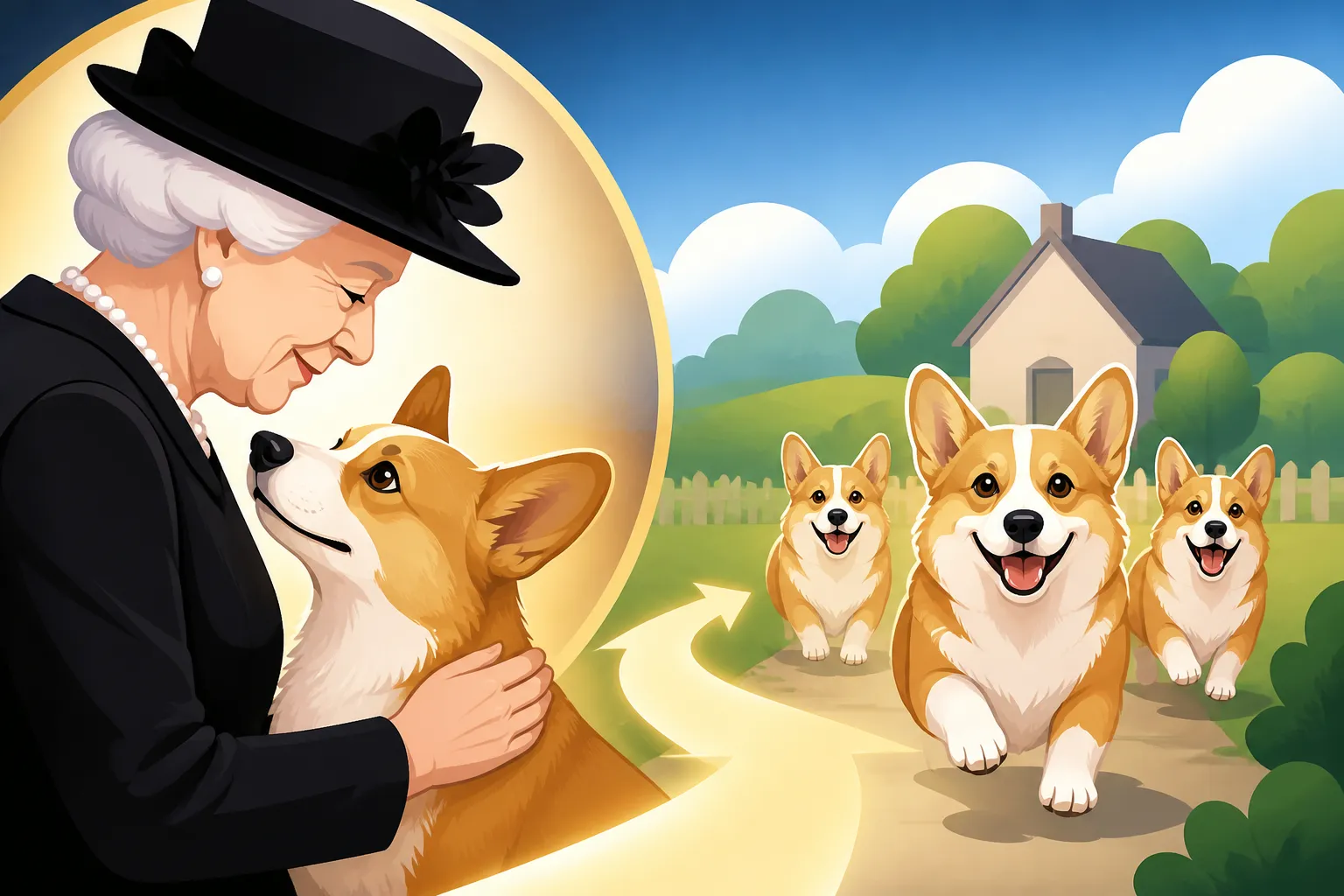
When Queen Elizabeth II passed away, many around the world grieved not just for a monarch, but for a familiar figure whose life was so intertwined with her beloved Corgis. A common, heartfelt concern immediately swept through communities of dog lovers, wondering what would become of these furry, low-slung companions who had been a constant presence by her side for decades. This guide aims to shed light on the ultimate fate of Her Majesty's last Corgis, ensuring you understand that they found loving, stable homes after their incredible life at the palace.
The Royal Corgi Legacy and Public Concern
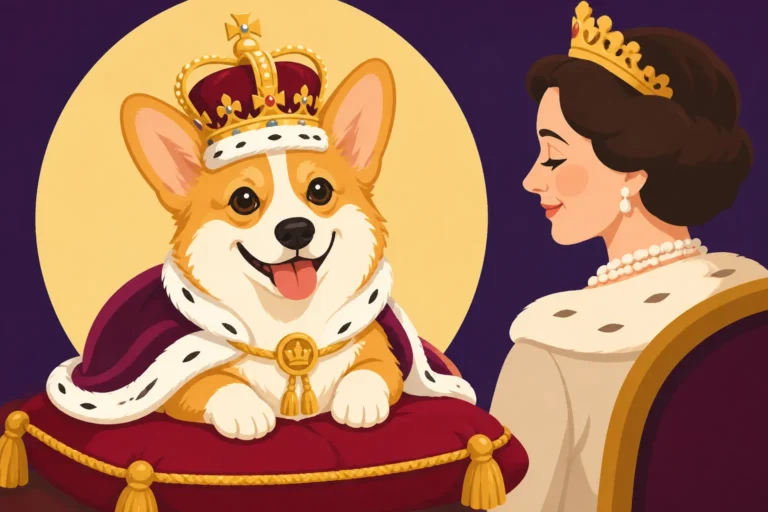
For many of us, the image of Queen Elizabeth II was inseparable from her Corgis. They were more than just pets; they were living symbols of her reign, trotting alongside her in official portraits, greeting dignitaries, and even famously appearing in the James Bond Olympic opening ceremony sketch. This long-standing connection to the breed made them almost honorary members of the royal family in the public eye, and naturally, when the Queen passed, there was a collective sigh of worry about their future. It's not unlike how we worry about an elderly relative's cherished pet if they can no longer care for them – that deep-seated empathy for an animal’s well-being is universal.
A Lifetime of Corgi Companionship
The Queen's love affair with Corgis began early, with her first Corgi, Dookie, arriving in the Royal household in the 1930s. Then came Susan, a gift for her 18th birthday, who became the matriarch of a long line of royal Corgis, all descended from her. Susan and the Corgi Line That Followed This wasn't just a casual fondness; it was a profound, lifelong devotion that saw her own more than 30 Corgis and Dorgis (Corgi-Dachshund crosses) during her reign. She was deeply involved in their care, even reportedly mixing their food herself at times. This personal touch cemented their status as cherished family members, rather than mere household animals. The public, seeing these dogs as an extension of her warm, private persona, developed a strong attachment to them, fueling the widespread concern for their post-Queen well-being.
Why Their Future Mattered to So Many
The immediate question on everyone's mind was, "Who will care for them now?" It wasn't just idle curiosity; it was a testament to the emotional bond people felt with the Queen through her dogs. These Corgis had lived a very particular life within the royal residences, accustomed to a specific routine, diet, and level of attention. Moving them, especially at an older age, could be a huge upheaval for any dog, let alone those who had known nothing but palace life. Knowing that they would transition to a new, loving home offered immense comfort to those who respected the Queen and admired her dedication to her dogs. It’s a natural human instinct to want continuity and kindness for beloved pets, especially when they’ve brought joy to so many. How Many Corgis the Queen Owned
The Specific Corgis and Their New Homes
At the time of her passing, Queen Elizabeth II had four dogs: two Corgis, Muick and Sandy, and two Dorgis, Candy and Lissy. Each of these dogs held a special place in her heart and their individual stories highlight the careful consideration given to their future homes.
Muick and Sandy: Finding Comfort with Family
Muick and Sandy were arguably the most famous of her remaining Corgis, often pictured with the Queen in her later years. Muick was named after Loch Muick on the Balmoral estate and was a gift from Prince Andrew and his daughters, Princess Beatrice and Princess Eugenie, in early 2021. Sandy was gifted by them later that year, intended to cheer the Queen up after the passing of Prince Philip and another of her Corgis. These two playful Corgis brought immense joy to the Queen, especially during the challenging times of the pandemic and her bereavement.
Upon her passing, it was quickly confirmed that Muick and Sandy would be rehomed with Prince Andrew and his former wife, Sarah Ferguson, the Duchess of York, at Royal Lodge in Windsor. This decision was met with widespread approval, as it meant the dogs would remain within the royal family, in a familiar environment near their previous home at Windsor Castle, and with people they already knew and trusted. Sarah Ferguson, known for her love of animals, shared updates on their adjustment, often posting charming photos and videos. She has spoken openly about the "huge honour" and responsibility of caring for these special dogs, acknowledging the unique history they represent. They joined her existing collection of pets, settling into a new routine that still undoubtedly includes plenty of walks and cuddles. It offered a great deal of reassurance to those who had been wondering about their immediate future. Dookie and the First Royal Corgi
Candy and Lissy: The Dorgi and the Cocker Spaniel
Beyond the two well-known Corgis, the Queen also had two other canine companions at the time of her death: Candy, a Dorgi, and Lissy, a Cocker Spaniel. Candy, a mix of Corgi and Dachshund, had been with the Queen for many years and was often seen trotting by her side, even in official photographs at Windsor. She was quite the character, known for her independent spirit.
Lissy, on the other hand, was a much newer addition. She was a champion Cocker Spaniel who joined the Royal household in 2022, just months before the Queen's passing. Lissy already had a distinguished career, having won the Kennel Club Cocker Spaniel Championship in 2022, and her full name was Wolferton Drama. The plans for Candy were less publicized, but it was understood that she also transitioned into a loving home within the Royal extended family. Lissy, being a working dog with a clear lineage and existing care arrangements, naturally returned to her breeder and trainer, a common practice for champion dogs when their primary handler is no longer able to care for them. This ensured she could continue her potential in the show and working dog world, which was always her intended path. Dorgis and Other Royal Corgi Crosses
Here's a quick overview of where these beloved royal pets found their new homes:
| Dog's Name | Breed/Type | New Home | Relationship to Queen | Notes |
|---|---|---|---|---|
| Muick | Pembroke Welsh Corgi | Prince Andrew & Sarah Ferguson, Royal Lodge | Gift from Prince Andrew's family | Named after Loch Muick, loved for companionship. |
| Sandy | Pembroke Welsh Corgi | Prince Andrew & Sarah Ferguson, Royal Lodge | Gift from Prince Andrew's family | Intended to cheer Queen after loss, joined Muick. |
| Candy | Dorgi (Corgi-Dachshund mix) | Extended Royal Family (details not widely publicised) | Long-time companion | Known for independent spirit, transitioned within familiar circles. |
| Lissy | Cocker Spaniel | Returned to her breeder/trainer | Recent addition | Champion working dog, maintained professional care. |
Understanding the Transfer of Royal Pets
The transfer of the Queen's pets wasn't just a simple handover; it involved careful planning and consideration for the animals' well-being. These weren't ordinary pets, and their transition needed to be handled with grace and sensitivity, reflecting their unique status and the Queen's deep personal bond with them. It speaks volumes about the Royal family's understanding of her affection for these animals.
The Importance of Familiarity and Trust
When relocating pets, especially older ones, familiarity plays a crucial role in their adjustment. For Muick and Sandy, moving to Royal Lodge with Prince Andrew and Sarah Ferguson was ideal. Not only are these individuals family, but they were also frequent visitors to Windsor Castle, meaning the dogs already knew and trusted them. Furthermore, Royal Lodge is on the Windsor Estate, keeping the dogs in a geographically familiar area, which can help reduce stress. Think about how much comfort our own Corgis get from their routine and surroundings; a sudden, complete change can be quite unsettling. Having their new caregivers be known faces, and the new environment geographically close, helped immensely in making the transition as smooth as possible for these much-loved dogs. Ensuring they had their favorite blankets, bowls from Chewy, and familiar toys would have been part of the thoughtful process.
Royal Protocol and Personal Wishes
While there might be perceived "royal protocols" for many aspects of palace life, the care of the Queen's personal pets largely reflected her personal wishes and the family's affection for them. It wasn't about rigid rules, but about ensuring the animals were loved and cared for in a way that honored her memory. This personal approach is often echoed in how many of us plan for our own pets' futures, making sure a trusted friend or family member will step in if we're no longer able. In her case, knowing her children and grandchildren adored her Corgis made the decision a natural extension of family care. It highlights that, for all the pomp and circumstance, the Queen was a dog owner first and foremost, just like us. What a First Corgi Asks of Its Owner
The Role of Caretakers and Staff
Throughout her life, the Queen had dedicated staff who assisted with the care of her numerous pets, from kennel hands to veterinary support. While the ultimate responsibility fell to the family, these experienced caretakers would have played a vital role in the transition process. They would have known the dogs' habits, personalities, and needs intimately, providing invaluable continuity and support during what could have been a confusing time for the animals. Their expertise would have ensured that the dogs' dietary needs, exercise routines, and even favorite sleeping spots were understood and replicated as much as possible in their new homes. Even for royal Corgis, a familiar face bringing their dinner can make all the difference during a time of change. Equipment a Corgi Household Buys
The Lasting Impact on the Breed
The Queen's enduring love for Corgis had an undeniable impact on the breed's popularity and public perception worldwide. For decades, they were synonymous with royalty, a charming and accessible link between the public and the monarchy. Their visibility ensured the breed remained in the spotlight, sparking interest and curiosity in many who might not otherwise have encountered a Corgi.
Corgi Popularity Through the Years
The association with the Royal family undoubtedly boosted the Corgi's profile globally. Whenever photos of the Queen with her dogs emerged, there was a renewed surge of interest in the breed. This "royal endorsement" brought Corgis into countless homes, making them one of the most recognizable and beloved breeds. What the Queen's Corgis Did to the Breed's Popularity While their popularity has fluctuated over the years, the constant presence of a Corgi by the Queen's side cemented their place in cultural history. Even now, long after her passing, images of her with her Corgis continue to circulate, keeping that connection alive.
This widespread popularity, however, also brought its own set of challenges. As with any breed that experiences a surge in demand, there can be a rise in irresponsible breeding practices to meet that demand, sometimes at the expense of health and temperament. It's a perennial struggle for popular breeds, where the allure of quick profits can overshadow the commitment to responsible breeding and genetic health testing.
Responsible Breeding and the Royal Legacy
The Queen herself was known to be very particular about her Corgis, often breeding them carefully and with a focus on good health and temperament. She was a discerning owner who understood the importance of responsible pet care. Her approach encouraged others to seek out reputable breeders who prioritize the well-being of their dogs. After all, a healthy, well-adjusted Corgi is a joy to live with, and that starts with good breeding. Potential Corgi owners, drawn in by the royal connection, often find themselves researching the breed's specific needs, including dietary requirements for their long backs, and finding quality supplies, perhaps even from a trusted source like Chewy. The Twelve to Fifteen Year Corgi Lifespan
The legacy of the royal Corgis serves as a powerful reminder of the deep, enriching bond between humans and their canine companions. It underscores the responsibility that comes with pet ownership, even for the most regal of dogs. The attention garnered by the Queen's Corgis highlighted not just the charm of the breed, but also the universal need for pets to be loved, cared for, and provided with stable, nurturing environments throughout their lives, no matter their pedigree or past residence. It's a comfort to know that Her Majesty's last companions continued to receive that devoted care.
Ensuring Continuity and Comfort for Senior Corgis
The concept of "rehoming" can be daunting, especially when thinking about older dogs. The Queen’s Corgis, being senior dogs themselves, highlighted the particular considerations involved in ensuring a smooth transition for elderly pets. It’s a challenge many families face, and the thoughtful approach taken for these royal dogs offers valuable lessons.
The Nuances of Caring for an Older Corgi
Older Corgis, like all senior dogs, often have established routines, specific dietary needs, and sometimes require more careful handling due to age-related issues such as arthritis or reduced mobility. When a Corgi Starts Being Treated as Old Moving to a new home, even a loving one, can be disorienting. Therefore, the transition of Muick and Sandy to Prince Andrew and Sarah Ferguson was beneficial not just because they knew the family, but because their new home could maintain a similar standard of care and familiarity. Things like consistent feeding times, familiar sleeping arrangements – perhaps an orthopedic bed from Chewy – and gentle exercise routines would have been paramount to their comfort.
A smooth transition for a senior Corgi involves more than just a new address. It requires patience, understanding, and a commitment to preserving as much of their former life as possible while gradually introducing new elements. This might include using their existing food for a while, maintaining familiar walking routes initially, and ensuring they have a quiet, secure space where they can retreat if feeling overwhelmed. It's about minimizing stress and maximizing comfort during a significant life change.
The Emotional Impact on Pets and People
It’s easy to project our human emotions onto animals, but there’s no doubt that dogs form deep attachments to their caregivers. The Queen’s Corgis had spent their entire lives surrounded by her love and presence. Her absence would have been felt by them, perhaps as a change in routine or a missing familiar scent. This is why placing them with family members who they already knew and who understood their unique history was so important. It provided an emotional bridge during a time of great loss, both for the dogs and for the family caring for them.
For Prince Andrew and Sarah Ferguson, taking on Muick and Sandy wasn't just about caring for pets; it was about honoring the Queen's memory and continuing her legacy of animal welfare. It's a poignant act of love and respect, reflecting the profound role these dogs played in the Queen's life and the lives of those around her. It’s a powerful example of how pets can connect us, even across generations and in times of grief.
Lessons for All Pet Owners
The story of the Queen's last Corgis serves as a reminder for all pet owners about the importance of planning for our pets' futures. Whether it's discussing arrangements with family members or including provisions in a will, ensuring our beloved companions will continue to receive excellent care if we are no longer able to provide it ourselves is a vital part of responsible pet ownership. It’s a kindness we owe them, just as the Royal family extended kindness to the Queen’s cherished Corgis. We want to know that our furry family members will be looked after with the same love and dedication that they’ve always known. Feeding a Corgi So Its Spine Carries Less
Disclaimer
This article is for general informational purposes only and does not constitute professional advice. Laws, prices and regulations vary by location and change over time. Consult a qualified professional for guidance on your specific situation.