Whether the Queen Bred Her Own Corgis
Many Corgi enthusiasts, and indeed many people across the globe, often wonder about the deep connection Queen Elizabeth II had with her beloved Corgis, especially how such a consistent and enduring line of dogs was maintained over decades. It's a fascinating question, going beyond mere pet ownership to touch upon the dedication and personal involvement of a monarch. This guide will take a detailed look into whether Queen Elizabeth II was directly involved in breeding her own Corgis, exploring the history, philosophy, and lasting legacy of her cherished royal pack.
The Genesis of the Royal Corgi Line
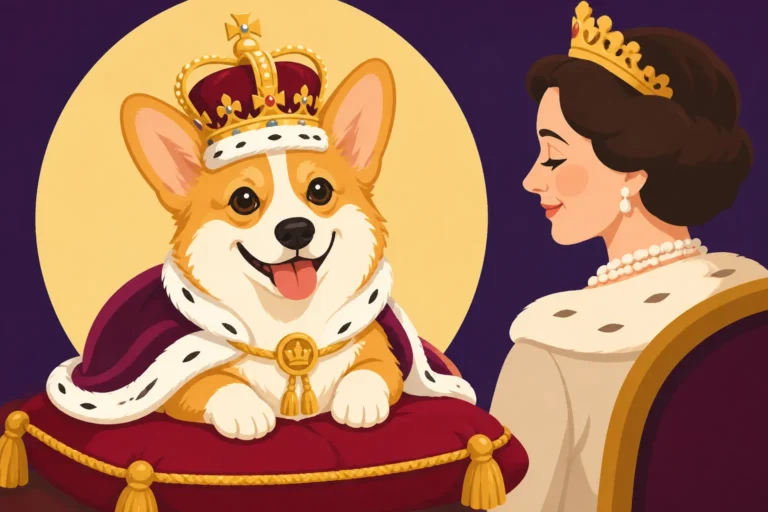
The story of the Queen's Corgis truly begins with one dog: Susan. Gifted to then Princess Elizabeth for her 18th birthday in 1944, Susan wasn't just a pet; she was the foundational matriarch of a royal dynasty. Susan was a Pembroke Welsh Corgi, and her arrival marked the start of a lifelong passion for the breed that would become synonymous with the British monarchy.
Before Susan, Corgis were gaining popularity, but her presence in the royal household elevated their status immensely. Susan traveled with the Queen, slept on her bed, and was a constant companion. This wasn't a casual attachment; it was a profound bond that shaped the future of the royal Corgi line for generations to come. Which Corgi the Queen Got for Her Eighteenth Birthday explains more about this pivotal gift.
The Foundation Bitch: Susan
Susan was much more than just the Queen's first Corgi; she was the direct ancestor of over ten generations of royal Corgis. When it came time for Susan to have puppies, the decision was made to breed her. This was not a random pairing; it was a thoughtful choice to ensure the continuation of a line that the young Princess Elizabeth had already grown to adore. Susan's puppies carried on her gentle temperament and distinctive looks, establishing the very specific characteristics that would come to define the royal Corgi family.
The choice to breed Susan internally, within the royal kennels, was a practical one that allowed for a greater degree of control over the lineage. It meant the Queen could intimately oversee the selection of mates and the rearing of subsequent litters, ensuring that the traits she valued most were passed down. Susan and the Corgi Line That Followed delves deeper into the impressive lineage that sprang from this beloved dog.
Expanding the Family with Thoughtful Pairings
Over the years, the royal household saw many Corgis, all descended from Susan. While the Queen initially had a clear vision for her Corgis, sometimes new bloodlines were introduced. However, these were always carefully considered pairings, often with dogs from reputable breeders known for their health and temperament. The idea wasn't to create a vast, commercial breeding operation but to maintain a healthy, vibrant, and cherished family of dogs.
This approach speaks volumes about the Queen's commitment. It wasn't about mass production, but about selective breeding, ensuring that each new generation upheld the high standards she expected. Every addition to the royal pack, whether a puppy from Susan's line or an carefully selected outside dog, was integrated with care and purpose, all under the Queen's watchful eye.
Queen Elizabeth II's Personal Involvement in Breeding Decisions
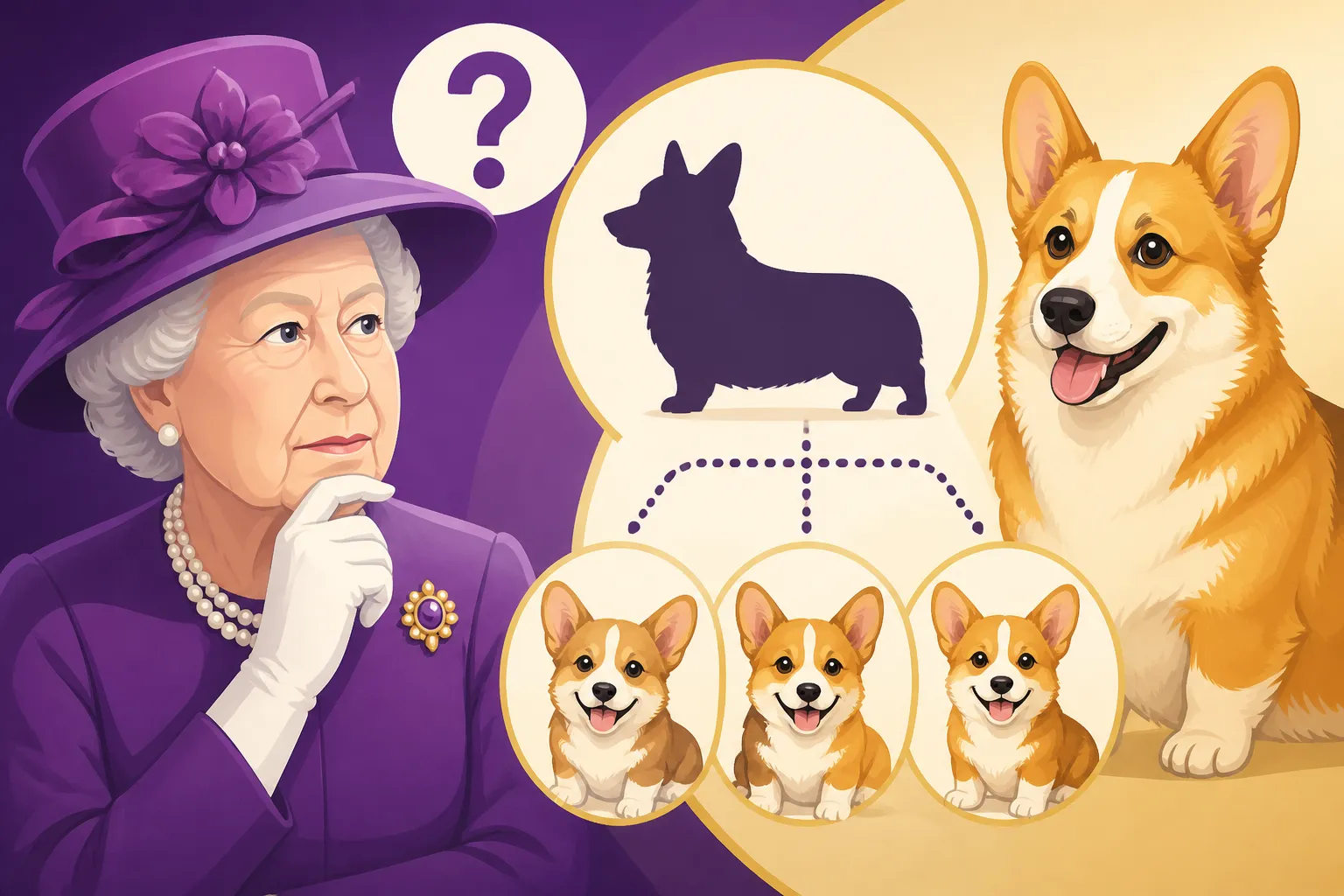
Yes, Queen Elizabeth II was absolutely personally involved in breeding her own Corgis. This wasn't an delegated task that she merely signed off on; it was a hands-on passion. Her engagement in the breeding program was a testament to her profound love for the breed and her desire to ensure the health and continuity of her canine companions.
Her involvement ranged from selecting mates for her Corgis to personally overseeing the whelping of puppies. She possessed an extensive knowledge of Corgi pedigrees and genetics, a characteristic often found in dedicated, responsible breeders. This wasn't a hobby pursued sporadically; it was a consistent, informed dedication throughout her reign.
The Monarch as Breeder
The Queen was known to take a keen interest in every aspect of her dogs' lives, and breeding was no exception. She knew her dogs' individual personalities, their strengths, and any potential areas for consideration, which is crucial for making informed breeding decisions. Her approach wasn't driven by trends or external pressures but by a deep understanding of the breed standard and a personal preference for certain traits that aligned with the original working nature of the Corgi.
She oversaw the selection of stud dogs and bitches, always with an eye toward maintaining good health, stable temperament, and adherence to the breed's characteristics. This meticulous approach ensured that the royal Corgi line remained distinct and healthy for many decades. The AKC Pembroke Welsh Corgi Standard outlines the general ideal for the breed, which the Queen undoubtedly held in high regard for her own dogs.
Managing the Royal Kennels
The day-to-day care and management of the royal kennels were handled by dedicated staff, but the ultimate breeding decisions rested with the Queen. She would discuss potential pairings, review health records, and even spend time with potential mates to assess their compatibility. This level of oversight ensured that the breeding program was always aligned with her personal vision and the welfare of her dogs.
Her commitment to her Corgis was legendary, extending to their living quarters at Buckingham Palace and Windsor Castle, where they enjoyed a dedicated room and often accompanied her on walks. The environment in which these dogs were bred and raised was one of utmost care and attention, far removed from any commercial enterprise.
The Royal Breeding Philosophy and Practices
The philosophy behind the Queen's breeding practices was rooted in a desire for continuity, health, and temperament, rather than mass production or commercial gain. Her focus was on preserving the qualities she adored in her Corgis, ensuring they were healthy, happy, and well-adjusted members of her personal household.
This meant a careful, often limited, breeding program. She wasn't breeding for show ring accolades exclusively, though many of her dogs embodied the breed's best characteristics. Instead, the primary goal was companionship and maintaining a beloved family line.
Prioritizing Health and Temperament
One of the most important aspects of the Queen's breeding philosophy was the emphasis on health and temperament. She understood that a long-backed breed like the Corgi could be prone to certain health challenges, particularly those related to their spine. Therefore, she would have been conscious of selecting parents with sound health histories. The aim was always to produce resilient, well-balanced dogs that could thrive in the bustling, yet structured, environment of the royal residences.
This meant avoiding practices that could compromise the dogs' well-being. Over-breeding, for instance, would have been antithetical to her values. Instead, responsible intervals between litters and careful monitoring of the parents' health were undoubtedly paramount. Responsible breeders often consult with veterinarians for health screenings, and it's safe to assume such measures were in place for the royal Corgis.
A Limited and Intentional Program
Over the decades, the Queen's breeding program was intentional and relatively small-scale. She typically had a handful of Corgis at any given time, and new litters were born to replace older dogs or to expand the family slightly. It was never about having dozens of puppies available for sale. This careful control allowed for intensive focus on each dog and litter. How Many Corgis the Queen Owned gives a sense of the scale of her pack.
The Queen also introduced Dorgis, a cross between her Corgis and a Dachshund belonging to her sister, Princess Margaret. These crosses were also a result of intentional, though informal, breeding decisions, showcasing her personal involvement in shaping her canine family. What a Dorgi Is and How It Differs From a Corgi explores this unique royal hybrid.
The Shift Away from Breeding
Towards the later years of her life, Queen Elizabeth II made the decision to stop breeding Corgis. This was a conscious choice, reportedly because she did not want to leave any young dogs behind after her passing. This deeply empathetic decision highlights her profound sense of responsibility towards her animals, prioritizing their future welfare above her personal desire for more Corgi puppies.
This decision meant that the direct lineage, which had spanned generations, would eventually come to a natural conclusion. It marked a poignant end to a royal breeding tradition but was entirely consistent with her lifelong commitment to the welfare of her beloved dogs.
The Legacy of the Royal Corgis
The legacy of Queen Elizabeth II's Corgis is far-reaching, extending beyond the royal household to impact the breed's popularity and public perception worldwide. Her deep personal involvement in their lives, including their breeding, cemented the Corgi's status as a beloved and iconic breed.
The image of the Queen surrounded by her Corgis became an enduring symbol of her reign, humanizing the monarchy and endearing her to countless people globally. Their presence at royal events, in official photographs, and even on screen, brought a touch of warmth and relatability to her public persona.
Public Fascination and Breed Popularity
The royal connection undoubtedly fueled the Corgi's popularity. People around the world saw these charming, sturdy little dogs with the Queen and were captivated. This public fascination led to increased interest in the breed, prompting more people to seek out Corgis as pets. The Corgi in the Royal Household became a phenomenon in itself.
However, the Queen's careful, responsible breeding stood in stark contrast to potential trends of irresponsible breeding that can sometimes accompany a surge in popularity. Her legacy serves as a reminder of what dedicated, ethical breeding looks like – prioritizing health and temperament over trends.
The Final Royal Pack
After Queen Elizabeth II decided to stop breeding, the remaining Corgis were her cherished companions in her final years. When she passed away, these dogs were not left adrift. Arrangements had been made for them to be cared for by other members of the Royal Family. Where the Queen's Last Corgis Went explains the thoughtful care that was planned for them.
This final act of ensuring their well-being underscores the depth of her commitment to her Corgis, right to the very end. The royal Corgi line, though no longer actively breeding, left an indelible mark on both canine history and the public imagination.
Beyond the Breeding: A Symbol of Devotion
Ultimately, the story of the Queen's Corgis and her involvement in their breeding is a powerful narrative of devotion. It illustrates how one person's profound love for a specific breed can shape its history and legacy. Her Corgis were more than just pets; they were family, companions, and a source of joy throughout her extraordinarily long life.
Her attention to detail, from their daily care and training to their specific breeding, showcased a model of responsible pet ownership at the highest level. It's a testament to how deeply animals can touch our lives and how far we'll go to ensure their well-being.
| Aspect of Royal Corgi Breeding | Description | Impact/Reasoning |
|---|---|---|
| Foundational Dog | Susan, an 18th birthday gift to Princess Elizabeth. | Established the direct lineage; all subsequent royal Corgis descended from her. |
| Personal Involvement | Queen Elizabeth II made direct decisions on pairings, oversaw whelping. | Ensured specific traits (temperament, health) were maintained; highly hands-on approach. |
| Breeding Philosophy | Focused on health, temperament, and companionship, not commercial gain. | Limited, intentional breeding; avoided over-breeding common in commercial operations. |
| Dorgi Creation | Intentional cross-breeding between Corgis and Dachshunds. | Demonstrated personal experimentation and a desire for varied companions within her family. |
| Cessation of Breeding | Queen decided to stop breeding later in life. | Humane decision to avoid leaving young dogs behind after her passing, prioritizing welfare. |
| Legacy | Iconic image of Queen with Corgis; global popularity boost for the breed. | Enduring symbol of the monarchy; highlighted responsible pet ownership. |
Disclaimer
This article is for general informational purposes only and does not constitute professional advice. Laws, prices and regulations vary by location and change over time. Consult a qualified professional for guidance on your specific situation.