Corgi Eye Disease and PRA
It’s a heart-sinking moment when you notice something isn't quite right with your beloved Corgi's eyes. Whether it’s a subtle change in how they navigate a familiar room or a cloudiness you just can’t shake, concerns about their vision can be incredibly worrying. This comprehensive guide is here to shed light on Corgi eye diseases, particularly Progressive Retinal Atrophy (PRA), helping you understand the signs, the diagnostic process, and how best to support your furry friend through any visual challenges they might face.
Understanding Corgi Eye Health: More Than Just Bright Eyes
Our Corgis, with their signature low-rider stance and unwavering zest for life, rely on their keen senses to explore their world. While their backs often get the most attention due to their unique structure, their eyes are equally vital for their quality of life and are unfortunately susceptible to their own set of challenges. As responsible Corgi parents, understanding these potential vulnerabilities is the first step toward proactive care.
The Unique Vulnerabilities of Corgi Eyes
Corgis, particularly the Pembroke Welsh Corgi, possess a combination of genetic predispositions and physical characteristics that can make their eyes uniquely vulnerable. Genetically, they carry specific markers for conditions like Progressive Retinal Atrophy (PRA), which we’ll delve into shortly. This inherited susceptibility means that without responsible breeding practices, the risk for these conditions can sadly perpetuate through generations. It's not just a random occurrence; it's often rooted deep in their lineage.
Beyond genetics, their low stature, which was so useful for herding cattle by nipping at their heels, also puts their eyes closer to the ground. This means they are more exposed to environmental irritants like dust, pollen, and low-lying vegetation. Imagine constantly having your eyes at the level of sharp grass blades, twigs, or even playground sand. Every enthusiastic sniff or dash through the yard carries a slightly higher risk of a foreign object or scratch entering their eye, which could be less of an issue for a taller breed.
Moreover, the Corgi’s often bright, expressive eyes, while endearing, can sometimes be slightly more prominent within their sockets, making them a little more exposed to minor bumps or scrapes during energetic play. This isn't to say Corgi eyes are inherently fragile, but rather that their combination of genetics and anatomy necessitates a heightened awareness from us, their caregivers, to ensure their precious vision is protected and maintained.
Common Eye Conditions Beyond Genetic Diseases
While genetic conditions capture our concern due to their inherited nature, Corgis, like any dog, can suffer from a myriad of non-genetic eye issues. These can range from irritating but treatable conditions to those that require urgent veterinary intervention. For example, conjunctivitis, often called "pink eye," is a common inflammatory condition of the tissue lining the eyelids and covering the front of the eyeball. It can manifest as redness, swelling, discharge (clear, yellow, or greenish), and frequent blinking or squinting. Causes are varied, including allergies, bacterial or viral infections, or even simple irritants like smoke or dust. While often easily treated with medicated eye drops, ignoring it can lead to more severe discomfort or secondary infections.
Another structural concern sometimes observed, although not as prevalent as in breeds with exaggerated facial features, includes mild forms of entropion (eyelids rolling inward) or ectropion (eyelids rolling outward). Even a subtle inward roll can cause eyelashes or hair to rub against the cornea, leading to chronic irritation, excessive tearing, or even painful corneal ulcers over time. If you notice your Corgi persistently pawing at their eyes or having consistently wet fur under their eyes, it's worth a trip to your vet for a closer look.
Furthermore, given their love for sniffing out every exciting scent on their walks, corneal abrasions and foreign bodies are always a risk. A tiny piece of grit, a thorn, or even a dog hair can become lodged in the eye or scratch the delicate surface of the cornea. These injuries are incredibly painful, causing sudden squinting, tearing, and reluctance to open the eye. Any sudden onset of pain or obvious injury to your Corgi's eye should be treated as an emergency, warranting immediate veterinary attention to prevent infection and potential vision loss.
Progressive Retinal Atrophy (PRA) in Corgis: The Silent Thief of Sight
Among the most concerning genetic eye conditions for Corgi owners is Progressive Retinal Atrophy, often simply referred to as PRA. This group of degenerative diseases silently steals a dog's vision, often leaving owners heartbroken and searching for answers. Understanding its nature is key to both prevention and compassionate management.
What Exactly is PRA and How Does It Affect the Retina?
Progressive Retinal Atrophy is not a single disease, but a collective term for several genetic disorders that cause the photoreceptor cells in the retina to gradually deteriorate. Think of the retina as the film in an old camera – it's the light-sensitive tissue at the back of the eye that captures images and sends them to the brain. In healthy eyes, there are two types of photoreceptor cells: rods, responsible for vision in dim light and detecting motion, and cones, which handle bright light vision and color perception.
In most forms of PRA affecting Corgis, the rod cells are typically affected first. This means the dog will initially experience a loss of night vision, a symptom often referred to as hemeralopia or nyctalopia. Owners might notice their Corgi becoming hesitant to go outside after dark, bumping into familiar furniture in dimly lit rooms, or appearing disoriented in the shadows. This subtle shift can be the earliest, most easily missed indicator. Over time, as the disease progresses, the cone cells also begin to degenerate. This leads to a gradual loss of daytime vision, eventually resulting in complete blindness.
The insidious nature of PRA lies in its gradual progression and lack of pain. Your Corgi won't show signs of discomfort, but rather a slow, increasing difficulty in navigating their world. How Fast a Corgi Loses Sight to PRA can vary significantly depending on the specific genetic mutation and individual dog, sometimes taking months, other times years, to reach full blindness. This slow onset allows Corgis to be incredibly adaptable, learning to compensate by relying more on their acute sense of smell and hearing, which can sometimes delay an owner's realization that there's a serious problem at hand.
Genetic Inheritance: Why Knowing Your Corgi's Lineage Matters
The crucial element of PRA in Corgis is its genetic basis. For most forms, it's an inherited condition passed down through generations, primarily following an autosomal recessive pattern. What does this mean in practical terms? It means a Corgi must inherit two copies of the specific mutated gene—one from each parent—to develop the disease. Dogs that inherit only one copy of the mutated gene are known as "carriers." They typically do not develop PRA themselves but can pass the gene on to approximately half of their offspring.
Understanding this mode of inheritance is absolutely paramount for responsible breeding and for future puppy owners. If breeders are unaware of the genetic status of their breeding stock, they can inadvertently pair two carriers together, leading to a litter where 25% of the puppies could be affected, 50% could be carriers, and 25% could be clear. This is precisely why comprehensive The DNA Tests a Corgi Breeder Should Run are so vital. These tests allow breeders to make informed decisions, preventing the breeding of two carriers and thus reducing the prevalence of PRA within the breed.
For Pembroke Welsh Corgis, the most commonly identified form of PRA is caused by a mutation in the RPGRIP1 gene, while Cardigan Welsh Corgis are typically screened for the rdAc mutation. These are distinct genetic causes, underscoring the importance of specific breed testing. Knowing the genetic status of your Corgi, especially if you plan to breed, is not just a recommendation; it's an ethical imperative. Just as we understand Reading a Corgi SOD1 Test Result to understand DM risk, understanding PRA gene test results empowers us to protect our Corgis' vision.
Recognizing the Early, Subtle Signs of PRA
Detecting PRA in its early stages can be challenging due to its gradual progression and your Corgi's incredible ability to adapt. However, a vigilant owner can often pick up on subtle behavioral changes that signal a problem. The very first signs often involve that progressive loss of night vision. You might notice your Corgi hesitating before stepping into a poorly lit room, bumping into furniture they usually navigate perfectly in the dark, or becoming more anxious and clingy as dusk falls. They might be reluctant to go on evening walks or struggle to find a dropped toy in low light. These are not just quirks; they can be critical indicators of early Night Blindness in a Corgi.
As the disease progresses and daytime vision starts to diminish, more overt signs may appear. Your Corgi might misjudge distances, leading to missed steps when going down stairs or fumbled attempts to catch a ball. They may become more cautious in new environments or even familiar ones if furniture has been rearranged. A Corgi that suddenly refuses to jump on or off the sofa, or frequently A Corgi That Scuffs Its Back Nails, could be doing so not only due to back pain but also because they can't accurately see where their paws are landing.
One physical sign to look for, although it's often more apparent in later stages, is pupil dilation. In an attempt to gather more light to compensate for the failing retina, your Corgi's pupils might appear unusually large, even in normal lighting conditions. Sometimes, you might also notice an increased "eyeshine" or tapetal reflection when light catches their eyes, because the thinning retinal tissue allows more light to reflect off the tapetum (a reflective layer behind the retina). If you observe any combination of these signs, don't delay in scheduling a thorough eye exam for your Corgi.
Diagnosing PRA and Other Corgi Eye Conditions
When you suspect an eye problem with your Corgi, getting an accurate diagnosis is paramount. It helps differentiate between various conditions, informs treatment strategies, and allows you to prepare for any necessary adaptations. The diagnostic process can involve a combination of examinations and specialized tests.
The Importance of Regular Ophthalmic Exams
Regular veterinary check-ups should always include a basic examination of your Corgi's eyes. However, if you have specific concerns about vision or general eye health, or if your Corgi belongs to a breed predisposed to eye conditions, a consultation with a board-certified veterinary ophthalmologist is highly recommended. These specialists possess advanced training and equipment to perform a comprehensive eye examination that goes far beyond what a general practitioner can typically offer.
During an ophthalmic exam, the specialist will thoroughly assess the entire eye structure. They typically use an ophthalmoscope to look at the retina, optic nerve, and lens, checking for any abnormalities like cataracts, retinal changes, or optic nerve damage. They will also likely perform a Schirmer tear test, which involves placing a small strip of paper in the lower eyelid for a minute to measure tear production, helping to diagnose conditions like dry eye (keratoconjunctivitis sicca or KCS). Another common test is tonometry, where a special instrument gently touches the surface of the eye to measure intraocular pressure, which is crucial for detecting glaucoma, a painful condition caused by high eye pressure.
Furthermore, a fluorescein stain test might be conducted. This involves applying an orange dye to the eye, which adheres to any areas where the corneal surface has been damaged, revealing ulcers or abrasions that might not be visible to the naked eye. For young puppies, baseline ophthalmic exams are valuable, especially when purchased from a reputable breeder who ensures Whether Corgi Eyes Are Checked Before Breeding for parent dogs, allowing for early detection of congenital issues or providing a point of reference for future changes in eye health.
Genetic Testing: Unlocking Answers for PRA
For a definitive diagnosis of Progressive Retinal Atrophy in Corgis, genetic testing is the most reliable tool available. As we discussed, PRA is an inherited condition, and specific DNA tests can identify the presence of the gene mutations responsible for the disease. For Pembroke Welsh Corgis, the primary test targets the RPGRIP1 mutation, while Cardigan Welsh Corgis are typically screened for the rdAc mutation.
The process is straightforward: a simple cheek swab or a blood sample is collected by your veterinarian and then sent to a specialized veterinary diagnostic laboratory. Leading laboratories offering these tests include those affiliated with the Orthopedic Foundation for Animals (OFA) or private genetic testing companies such as Embark and Wisdom Panel. These labs process the sample and provide results indicating whether your Corgi is "Clear" (does not carry the gene and won't develop PRA), "Carrier" (carries one copy of the gene, won't develop PRA but can pass it on), or "Affected" (carries two copies of the gene and is expected to develop PRA).
This information is invaluable. For dogs with an "Affected" result, while there's no cure for PRA, the early genetic confirmation allows owners to proactively plan for the gradual onset of blindness, rather than being caught off guard. It enables them to begin making environmental modifications and training adaptations well in advance, easing the transition for their Corgi. For breeders, these tests are indispensable for making responsible breeding decisions, preventing affected puppies, and working to eliminate these devastating diseases from the breed's gene pool. Beyond PRA, other conditions like Retinal Dysplasia in a Corgi might also have genetic components that can be screened for, highlighting the broad utility of DNA testing.
Advanced Diagnostics for Complex Eye Issues
Sometimes, a comprehensive ophthalmic exam and genetic testing, while crucial, may not provide all the answers, especially for more complex or ambiguous eye conditions. In these situations, your veterinary ophthalmologist might recommend advanced diagnostic procedures to get a clearer picture of your Corgi's eye health.
One such advanced test is an electroretinography (ERG). This highly specialized procedure measures the electrical activity of the retina's photoreceptor cells in response to light stimulation. It’s akin to an EKG for the heart, but for the eye. An ERG can detect retinal dysfunction or degeneration long before any outward signs of vision loss are apparent, making it the gold standard for diagnosing PRA and other retinal diseases. The test typically requires light sedation and involves placing small electrodes near the eye to record the retinal responses. While it might sound daunting, it provides invaluable, objective data about retinal function.
Ocular ultrasound is another powerful tool. If your Corgi has a condition like a dense cataract or severe corneal opacity that prevents the ophthalmologist from seeing the back of the eye, an ultrasound can be used to visualize the internal structures, including the retina, optic nerve, and vitreous humor. This helps in diagnosing conditions such as retinal detachment, intraocular tumors, or vitreous hemorrhage. In rare cases of sudden vision loss where a neurological cause is suspected, an MRI of the brain might even be considered to evaluate the optic nerves and visual pathways, though this is less directly related to PRA. These advanced diagnostics require specialized equipment and expertise, often necessitating referral to a dedicated veterinary ophthalmology center. The costs can be significant, but they often lead to the most accurate diagnosis and the best possible management plan. This is precisely where having robust pet insurance, such as a policy from Healthy Paws, can be a true lifesaver, helping to cover the expenses for these critical and often costly procedures.
Living with a Corgi Diagnosed with PRA: Adapting and Thriving
A diagnosis of PRA can be heartbreaking, yet it's important to remember that it doesn't mean the end of a happy, fulfilling life for your Corgi. Their incredible resilience and adaptability mean that with your help and a few adjustments, they can continue to thrive. This journey requires patience, empathy, and a commitment to creating a world they can still navigate with confidence.
Creating a Safe and Predictable Environment
The cornerstone of supporting a Corgi with progressive vision loss is creating an environment that is both safe and predictable. Since their mental map of your home will become increasingly important, consistency is key. Avoid frequently rearranging furniture or leaving clutter in pathways. Their favorite sleeping spots, food and water bowls, and the route to the backyard should remain in the same location consistently.
Consider strategically placing tactile markers throughout your home. Different textured mats, rugs, or even a line of felt pads can serve as sensory cues, alerting your Corgi to upcoming changes in elevation (like the top or bottom of stairs) or marking important areas like their food station. For stairs, investing in baby gates is non-negotiable to prevent accidental falls. Ramps are also an excellent addition for accessing sofas or beds, not only for vision-impaired dogs but also as a general preventative measure for Corgi back health.
Outdoors, always keep your Corgi on a leash in unfamiliar or unfenced areas. Even in a familiar backyard, regularly check for any new obstacles, holes, or changes in landscaping. A "blind dog" harness or vest can also be a helpful visual cue to alert other dog owners and passersby that your Corgi has limited vision, encouraging them to approach with caution. Remember that a Corgi's world becomes increasingly reliant on your thoughtful preparation. This dedicated effort in environmental management is crucial in Guiding a Corgi That Has Lost Its Sight.
Training and Enrichment for a Visually Impaired Corgi
A PRA diagnosis doesn't mean an end to learning and fun; it simply means adapting your approach. Your Corgi’s other senses will become incredibly sharpened, especially their hearing and smell, offering new avenues for training and enrichment. Focus on reinforcing strong verbal cues and introducing new ones specifically for navigation. Commands like "step up," "step down," "wait," "stop," "left," and "right" become invaluable tools, helping them to avoid obstacles and move confidently around the house and on walks. Use consistent verbal markers and abundant positive reinforcement to build their confidence and trust in you as their guide.
Scent work is an absolute game-changer for visually impaired dogs. Their powerful noses, which were already integral to their herding work, become their primary way of exploring and understanding the world. Games like "find the treat" or hiding favorite toys for them to sniff out provide immense mental stimulation and satisfaction. Many cities even offer formal scent detection classes that are wonderfully adaptable for dogs with vision loss, giving them a "job" that builds confidence and tires them out mentally. Interactive toys that make noise (like those with bells or crinkles) or dispense treats when manipulated can also keep them engaged and prevent boredom, which can sometimes lead to anxiety in visually impaired dogs.
Physical exercise is still essential, but it needs to be modified for safety. Short, frequent walks on a leash in familiar, quiet areas are often best. A long lead in a securely fenced and familiar field can allow them to explore using their nose without the risk of getting lost or injured. Always be your Corgi's eyes, offering verbal encouragement and a gentle leash guide. The period of adaptation, often spanning The Months Between a Corgi's First Stumble and a Cart, requires patience, but continued engagement ensures their mental and physical well-being.
Emotional Support for Owners and Their Dogs
Receiving a diagnosis of PRA for your Corgi can evoke a wave of emotions – sadness, grief, anxiety, and even frustration. It’s perfectly normal to feel this way; you're not just dealing with a medical condition, but anticipating a profound change in your beloved companion's life and your relationship. Allow yourself to feel these emotions, and remember you are not alone. Seeking support from online forums, local Corgi groups, or a professional pet loss or grief counselor can provide a safe space to process your feelings and gain practical insights from others who have walked a similar path.
Your Corgi is incredibly attuned to your emotions, and your calm, reassuring presence becomes even more vital as their vision declines. Your voice, your touch, and your scent will become their primary means of connecting with and understanding their world. Maintain a calm demeanor, speak to them often in a soothing tone, and offer plenty of gentle strokes and cuddles. Stick to routines as much as possible, as predictability provides immense comfort and a sense of security when their visual world is becoming uncertain. Consistent mealtimes, walk schedules, and bedtime rituals can help reduce anxiety.
If your Corgi exhibits significant anxiety, confusion, or behavioral changes as their vision diminishes, consider consulting a veterinary behaviorist. They can offer tailored strategies, environmental enrichment ideas, and, if appropriate, discuss medications to help manage anxiety or fear responses. Ultimately, providing unwavering love, patience, and a steadfast presence is the most powerful emotional support you can give. Your bond with your Corgi will deepen as you become their trusted guide and protector, navigating this new chapter together.
Preventative Measures and Responsible Breeding Practices
While Progressive Retinal Atrophy is a genetic condition for which there is currently no cure, there are significant preventative measures, primarily focused on responsible breeding, that can reduce its prevalence. Beyond that, maintaining excellent general eye health through routine care is always a good strategy to keep your Corgi's eyes as healthy as possible for as long as possible.
Routine Care for Optimal Eye Health
Even with a genetic predisposition to certain eye conditions, diligent routine care can help prevent other, non-genetic problems and ensure your Corgi's eyes remain in the best possible condition. Daily visual checks are paramount. Take a moment each day to look closely at your Corgi’s eyes: are they clear and bright? Is there any redness, swelling, or discharge? Do the pupils look symmetrical? Gently wipe away any sleep crusts or discharge with a soft, damp cloth, always wiping away from the eye. If you notice persistent redness, cloudiness, excessive tearing, or your Corgi is squinting or pawing at their eyes, it's a signal to contact your vet.
Environmental protection is also crucial for our low-slung Corgis. Their proximity to the ground means their eyes are often directly in the path of dust, grass seeds, and low-hanging branches. If your Corgi is an enthusiastic adventurer through fields or dense bushes, consider protective eyewear, like doggles or visors, to prevent scratches or foreign bodies. Pay attention to seasonal allergens that might cause irritation and consult your vet about appropriate eye rinses if needed.
Furthermore, a Corgi's overall health significantly impacts their eye health. A balanced, high-quality diet rich in antioxidants and Omega-3 fatty acids can support eye health, although it won't prevent genetic PRA. Maintaining an ideal weight is also critical; excessive weight puts strain on all body systems, and while we often discuss Why Corgi Weight Is a Spinal Problem, obesity can also exacerbate other health issues that indirectly affect the eyes. Regular veterinary check-ups allow for early detection of systemic diseases like diabetes, which can lead to secondary eye problems like cataracts.
The Role of Genetic Screening in Preventing PRA
Genetic screening is the single most effective tool we have in the fight against inherited diseases like PRA in Corgis. Thanks to advances in veterinary genetics, we can now test breeding dogs to determine their genetic status for known PRA mutations. For Pembroke Welsh Corgis, this involves testing for the RPGRIP1 mutation, and for Cardigan Welsh Corgis, the rdAc mutation. These tests definitively identify whether a dog is "Clear," a "Carrier," or "Affected."
Responsible breeders are the cornerstone of disease prevention. They commit to testing all their breeding stock before any breeding takes place. The goal is to avoid breeding two "Carrier" dogs together, which, as we've learned, can produce "Affected" puppies. Ideally, breeders will strive to breed "Clear" dogs with "Clear" dogs to ensure no puppies will ever develop the disease. In some cases, to maintain genetic diversity within the breed, a "Clear" dog might be bred with a "Carrier" dog. However, if this occurs, all offspring should be genetically tested, and any "Carrier" puppies would then ideally be placed in pet homes or carefully bred only to "Clear" partners in the future. This meticulous process helps to gradually reduce the frequency of the problematic gene within the Corgi gene pool.
This proactive approach not only spares individual dogs and their future owners from the heartbreak of PRA but also improves the overall health of the breed over time. It’s a testament to the power of science and dedicated breeders working together for the well-being of our Corgis. Questions like Whether an At-Risk Corgi Should Be Bred become simpler to answer when armed with clear genetic test results.
Choosing a Reputable Breeder Who Tests for Eye Diseases
When you’re embarking on the exciting journey of bringing a Corgi puppy into your life, the choice of breeder is perhaps the most critical decision you'll make for your future companion's health. A truly reputable breeder prioritizes the health and welfare of their dogs above all else, and this is clearly demonstrated through their commitment to genetic testing and health clearances for conditions like PRA.
Such breeders will not only perform the specific genetic tests for PRA (e.g., RPGRIP1 for Pembrokes, rdAc for Cardigans) on all their breeding adults but will also have their dogs regularly examined by a board-certified veterinary ophthalmologist. These ophthalmic exams are often registered with organizations like the Orthopedic Foundation for Animals (OFA) Eye Certification Registry (formerly CERF). They should be able to provide you with documentation and registration numbers for these clearances, not just verbal assurances. Don't be shy about asking for proof; a good breeder will welcome your questions and be transparent. They typically publish information about What a Corgi Breeder Should Be Testing For on their websites or readily provide it.
Beyond PRA, a responsible breeder will also screen for other inherited conditions relevant to Corgis, such as hip dysplasia (via OFA or PennHIP evaluations) and often, Degenerative Myelopathy (DM). Their dedication to comprehensive health screening is a strong indicator of their ethical practices and commitment to the breed's future. While the initial cost of a puppy from a reputable, health-tested breeder might seem higher, it is an investment that drastically reduces the risk of expensive veterinary bills and emotional heartache down the line, ultimately contributing to a longer, healthier life for your Corgi.
The Emotional and Financial Realities of Corgi Eye Disease
Facing a diagnosis of eye disease in your Corgi brings a unique set of challenges. Beyond the medical aspects, there are significant emotional impacts on both the dog and the owner, as well as the very real financial considerations that come with specialized diagnostics and ongoing care.
Navigating the Costs of Diagnosis and Ongoing Care
The financial reality of diagnosing and managing Corgi eye diseases, especially progressive conditions like PRA or sudden emergencies like glaucoma, can be substantial. Initial consultations with a veterinary ophthalmologist typically range from $150 to $300. If advanced diagnostics like an electroretinography (ERG) or ocular ultrasound are needed, these can quickly add another $500 to $1,500 or more, often requiring sedation. For conditions like glaucoma, immediate emergency treatment might involve medications costing hundreds per month, and potential surgical interventions that can easily run into several thousands of dollars. While PRA itself doesn't have a cure or costly treatment, the initial diagnostic process to confirm it and rule out other treatable conditions can still be significant.
Beyond initial diagnosis, ongoing care for a visually impaired Corgi can also incur costs. This might include regular follow-up eye exams, prescription eye drops for secondary issues (like dry eye if it develops), modifications to your home such as ramps and gates, specialized enrichment toys, and potentially even behavioral consultations if anxiety develops. These cumulative expenses can quickly add up, creating a significant financial burden on families.
This is precisely why obtaining comprehensive pet insurance is a wise decision for Corgi owners, ideally when your Corgi is a puppy, before any conditions manifest. Companies like Healthy Paws offer robust plans that can cover a large percentage of specialist fees, diagnostic tests, emergency treatments, and even some ongoing medications for eligible conditions. It's crucial to understand that most pet insurance policies will consider conditions present before enrollment or during a waiting period as "pre-existing," and will not cover them. Therefore, proactive enrollment is key to ensuring you have financial support when you need it most, allowing you to prioritize your Corgi's health without undue financial stress.
Support Systems and Resources for Corgi Owners
Coping with a Corgi's progressive vision loss or managing an acute eye condition is a challenging journey, and no owner should feel isolated in their experience. Fortunately, a wealth of support systems and resources are available to provide both practical advice and emotional solace.
Online communities have become incredibly powerful networks for pet owners. Search for Corgi-specific groups on social media platforms or forums dedicated to visually impaired dogs. These communities are often filled with experienced owners who can share invaluable tips on environmental modifications, training adaptations, product recommendations (like harnesses for blind dogs, or noise-making toys), and offer a safe space for you to voice your concerns and emotions. Connecting with others who truly understand the unique challenges and triumphs of living with a blind dog can be incredibly validating and empowering.
Your veterinary team remains an essential source of information and support. Don't hesitate to ask your general veterinarian or veterinary ophthalmologist for recommendations for local support groups, animal behaviorists specializing in visually impaired pets, or even local organizations that offer services for special needs animals. Some larger veterinary hospitals may even have client support specialists or social workers who can provide emotional counseling or connect you with resources. Additionally, national organizations focused on animal welfare or specific breed clubs often publish educational materials and sometimes even have programs to assist owners with specialized care. Embracing these support systems can help you navigate this new chapter with confidence and ensure your Corgi continues to experience a high quality of life, surrounded by a community that cares.
Comparing PRA with Other Corgi Vision Challenges
While PRA is a significant concern for Corgis, it's just one piece of the puzzle when it comes to potential eye issues. Understanding how PRA differs from other common and serious eye conditions like cataracts and glaucoma is crucial for recognizing symptoms and seeking appropriate, timely care.
Distinguishing PRA from Cataracts and Glaucoma
It's common for owners to confuse various eye conditions, but differentiating PRA from cataracts and glaucoma is vital because their causes, symptoms, and treatments are distinct.
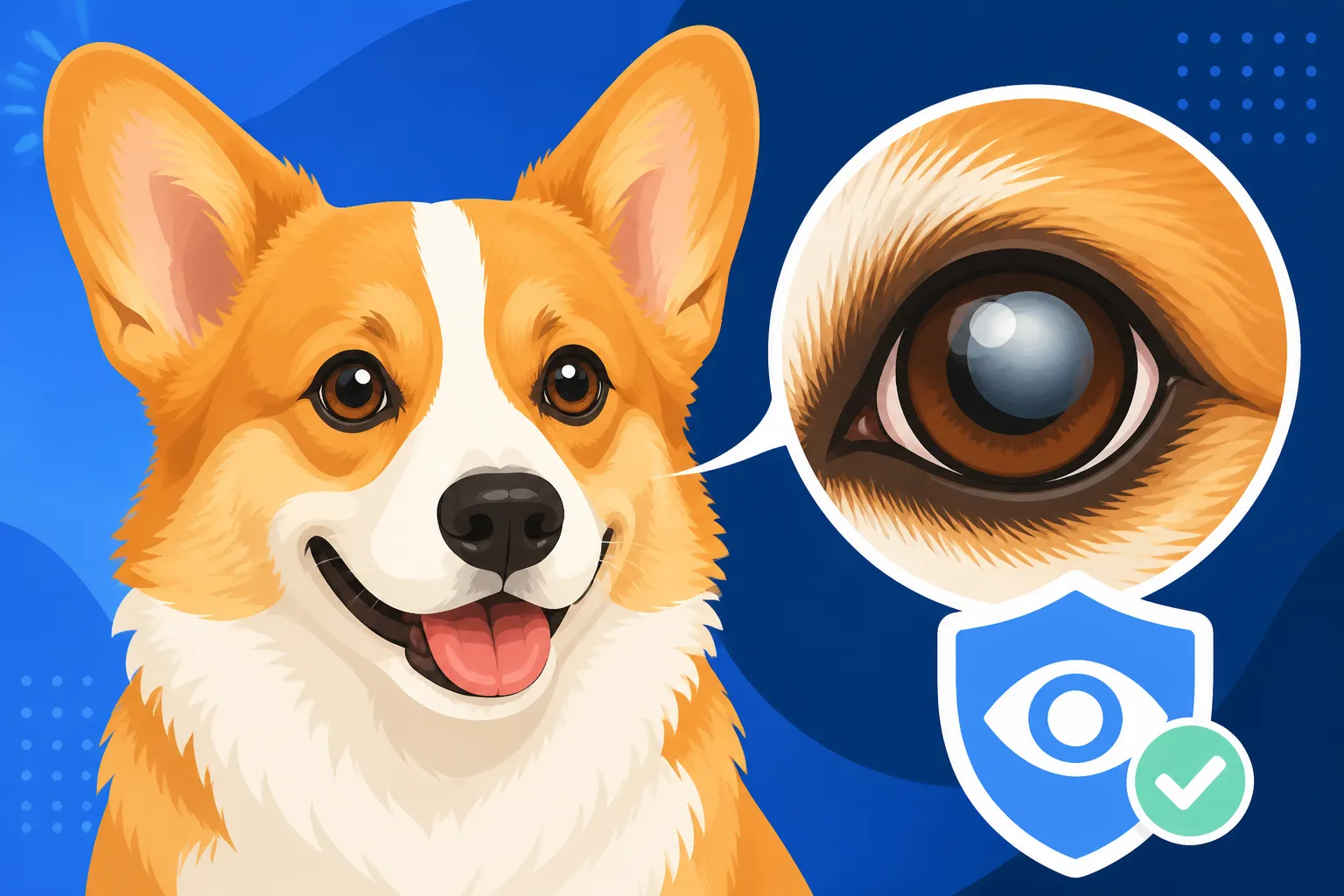
Cataracts and Lens Problems in a Corgi: A cataract is a clouding of the natural lens inside the eye, which can vary from a small, insignificant opacity to a complete clouding that significantly impairs vision. Unlike PRA, which affects the retina at the back of the eye, cataracts are a problem with the lens, located behind the pupil. Owners will often notice a visible white, blue, or grayish opacity within the pupil itself. Cataracts can be hereditary, age-related, or develop secondary to other diseases like diabetes. While PRA starts with night blindness and affects the retina's ability to process light, cataracts cause a progressive blurring across all light levels. Importantly, cataracts can sometimes be surgically removed through a procedure called phacoemulsification, restoring vision, whereas there is no surgical cure for PRA. Our article on Cataracts and Lens Problems in a Corgi provides more detailed insights.
Glaucoma: This is an incredibly painful and potentially blinding condition characterized by an increase in the fluid pressure inside the eye (intraocular pressure). Unlike the slow, painless progression of PRA, glaucoma is often acute and requires immediate emergency veterinary care. Signs of glaucoma are typically dramatic: a very red, painful eye; a dilated pupil that doesn't constrict to light; a cloudy or bluish appearance to the cornea (the clear front surface of the eye); and often, the eye appearing enlarged or bulging. Your Corgi will likely be squinting, rubbing the eye, or acting withdrawn due to intense pain. While PRA is a slow degeneration of the retina, glaucoma is a rapid, painful pressure buildup that can cause irreversible optic nerve damage and blindness within hours if left untreated. It's a critical emergency where every minute counts.
| Condition | Primary Cause | Key Symptoms | Onset Age (Typical) | Progression | Painful? | Treatment Options |
|---|---|---|---|---|---|---|
| Progressive Retinal Atrophy (PRA) | Genetic mutation | Night blindness first, then gradual daytime vision loss, dilated pupils, bumping into objects | Mid-age (3-8 years) | Slow, gradual | No | No cure; supportive care, environmental adaptation |
| Cataracts | Genetic, diabetes, age, injury | Clouding of the lens, blurry vision, visible white/bluish opacity in pupil | Variable (puppy to senior) | Gradual | No | Surgical removal (phacoemulsification) |
| Glaucoma | Genetic, secondary to other eye conditions | Redness, acute pain, squinting, cloudy cornea, dilated pupil, bulging eye, sudden blindness | Any age (often middle-aged to senior) | Rapid, acute | Yes | Emergency medication to reduce pressure, surgery |
Other Less Common But Significant Eye Problems
Beyond PRA, cataracts, and glaucoma, Corgis can unfortunately experience a range of other, perhaps less common but equally significant, eye problems. Being aware of these helps in recognizing symptoms and ensuring a prompt diagnosis.
One such condition is Distichiasis, where extra eyelashes grow from abnormal locations on the eyelid margin, often emerging through the meibomian glands. These misplaced hairs can rub against the cornea, causing chronic irritation, excessive tearing, squinting, and sometimes painful corneal ulcers. If they are causing discomfort, surgical removal or cryotherapy (freezing the abnormal follicles) can provide relief. Another consideration is Corneal Dystrophy, which refers to a group of inherited conditions causing abnormal, non-inflammatory deposits (often lipid or calcium) in the cornea. These appear as white or gray opacities and can vary in severity; some may not affect vision significantly, while others can cause cloudiness and visual impairment. There's generally no specific treatment for corneal dystrophies, but symptom management may be needed if irritation occurs.
Persistent Pupillary Membranes (PPMs) are remnants of fetal blood vessels that normally disappear shortly after birth. If they persist, they can appear as fine threads stretching across the pupil, sometimes attaching to the cornea or lens. While many PPMs are benign and don't affect vision, some can cause corneal opacities or cataracts, potentially impacting eyesight. Your vet or ophthalmologist can determine the significance of any observed PPMs. While generally not a primary concern for Corgis specifically, general conditions like Uveitis (inflammation inside the eye) can occur in any breed and might be associated with systemic diseases, trauma, or immune-mediated conditions. Symptoms include redness, pain, squinting, and a cloudy appearance to the inside of the eye. Uveitis requires prompt treatment to prevent secondary glaucoma, cataracts, or retinal detachment. Understanding this broad spectrum of potential issues underscores why consistent monitoring and professional veterinary care for your Corgi's eyes are so critically important.
Beyond PRA: Addressing Sudden Vision Loss or Injury
While PRA is a condition of slow, insidious onset, Corgis can also face acute eye problems that demand immediate attention. Distinguishing between a gradual decline and a sudden, painful emergency is crucial for preserving your Corgi's vision and comfort.
Emergency Signs Requiring Immediate Vet Attention
When it comes to your Corgi's eyes, some symptoms are simply too serious to wait. They demand immediate veterinary attention, potentially within minutes or hours, to prevent irreversible damage or intense pain. If you observe any of the following, do not hesitate—contact your emergency veterinarian or a veterinary ophthalmologist at once:
- Sudden Blindness: Your Corgi is suddenly disoriented, bumping into walls, furniture, or struggling to find familiar objects in any light condition. This could indicate a retinal detachment, sudden acute glaucoma, optic neuritis, or a severe neurological event affecting vision. Time is critical to potentially save some or all of their sight.
- Severe Eye Pain: Look for intense squinting, persistently holding the eye completely shut, relentless pawing or rubbing at the eye, extreme sensitivity to light, or a general reluctance to be touched around the head. This level of pain can signify a deep corneal ulcer, a foreign body lodged in the eye, or acute glaucoma. Corgis are stoic, so significant pain means a severe issue.
- Obvious Injury or Trauma: Any visible wound, laceration to the eyelid or eyeball, or an eye that appears to be bulging or displaced from its socket (proptosis). Physical trauma from an accident, fight with another animal, or impact should be considered an emergency.
- Rapid Swelling or Bulging of the Eye: Beyond trauma, sudden and pronounced swelling around or of the eye, or an eye that appears significantly larger than the other, can indicate a severe infection behind the eye (retrobulbar abscess), an aggressive tumor, or very advanced glaucoma.
- Sudden, Intense Redness or Cloudiness: While mild redness can be allergies, a rapid onset of intense, deep redness of the white of the eye (sclera) or a sudden, dense bluish or white cloudiness over the cornea can be signs of severe infection, uveitis (inflammation inside the eye), or acute glaucoma.
In any of these situations, prompt diagnosis and treatment are essential. Do not attempt to self-diagnose or treat with home remedies, as this could worsen the condition.
Rehabilitation and Prognosis for Various Eye Injuries
The path to rehabilitation and the ultimate prognosis for a Corgi experiencing sudden vision loss or an eye injury depend heavily on the specific cause, the severity of the damage, and the immediacy of veterinary intervention. For a relatively minor issue, such as a superficial corneal abrasion, treatment might be straightforward. This could involve topical antibiotic eye drops or ointments to prevent infection, pain relief medication, and sometimes an Elizabethan collar (e-collar) to prevent self-trauma. With proper care, these often heal completely within a week or two, with no lasting vision impairment.
More severe injuries, like deep corneal ulcers or perforations, may require more intensive medical management or even surgical repair by a veterinary ophthalmologist. These cases typically involve longer recovery periods, multiple types of eye medications, and consistent monitoring. The prognosis for vision retention can be guarded, with some residual scarring or mild visual impairment possible even after successful treatment.
In the case of acute glaucoma, the primary goal is to rapidly reduce the intraocular pressure to save the optic nerve. This usually involves aggressive medical therapy (eye drops, oral medications) and often surgical intervention. The prognosis for retaining vision in the affected eye is often poor if treatment is not initiated within hours of onset, but treatment can significantly alleviate pain and prevent the need for enucleation (surgical removal of the eye). Even if vision is lost, Corgis can adapt remarkably well to monocular or complete blindness with the right support from their owners. For more comprehensive emergencies that may not be directly eye-related but impact eye health, like those that sometimes arise from conditions such as Epilepsy in a Corgi which can indirectly affect neurological pathways for vision, rehabilitation might involve managing the primary condition alongside eye care. The overarching goal, regardless of the cause, is always to ensure your Corgi's comfort and quality of life.
Disclaimer
This information is for educational purposes only and is not intended to be a substitute for professional veterinary medical advice, diagnosis, or treatment. Always seek the advice of your veterinarian or other qualified animal health provider with any questions you may have regarding a medical condition.