Whether a Corgi Puppy Eats Adult Portions
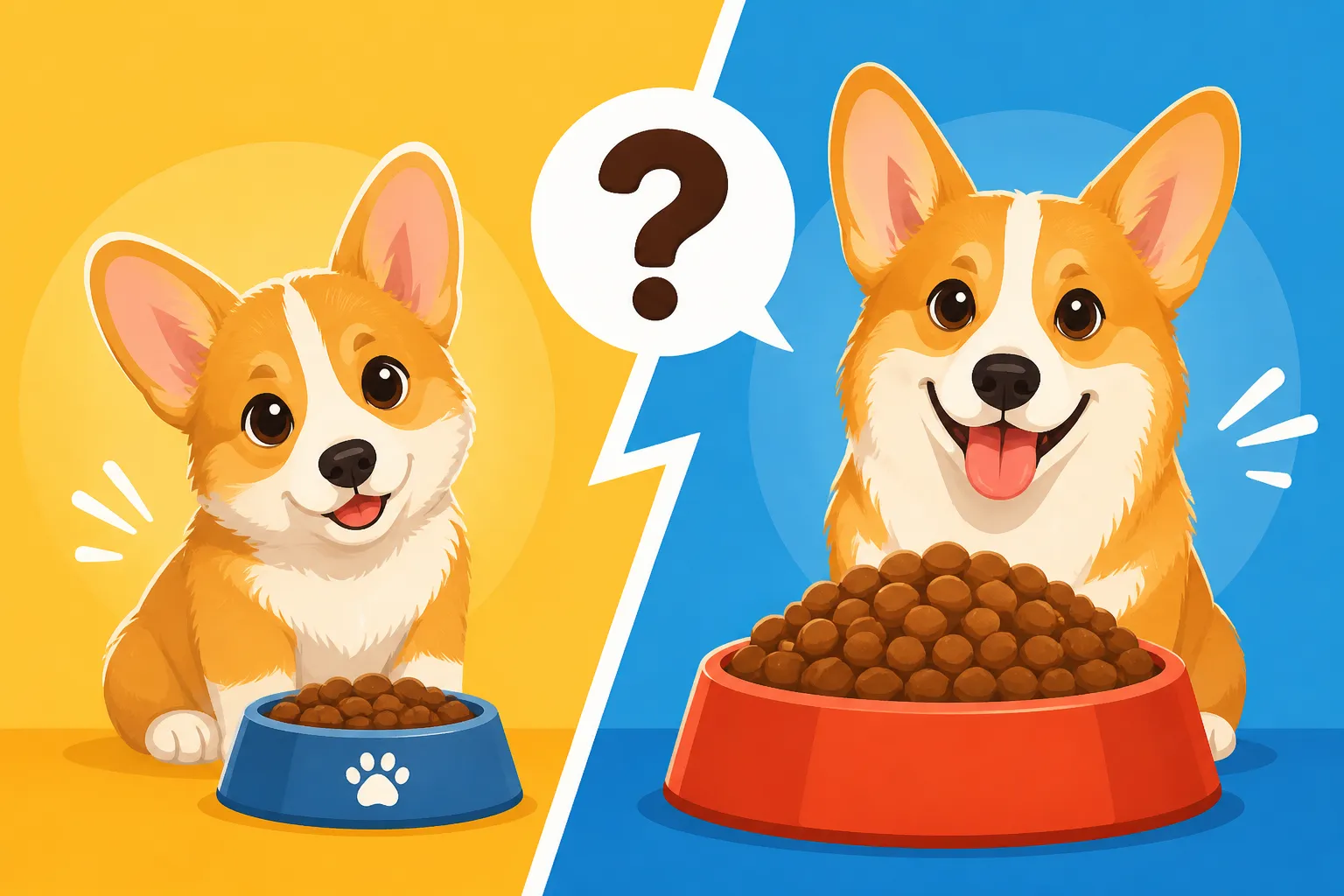
Bringing home a Corgi puppy is an absolute joy, but it also comes with a lot of questions, especially around feeding. One common dilemma new Corgi parents face is figuring out if their rapidly growing furball should be eating adult dog food or stick with puppy-specific formulations. The truth is, jumping the gun on adult food can actually shortchange your puppy's vital development, and understanding why their dietary needs are different is key to raising a healthy, sturdy Corgi. This guide will walk you through the essential differences, when to make the switch, and how to do it properly.
Why Puppy Food is Not the Same as Adult Food
It’s easy to look at a Corgi puppy, especially a hefty one, and think they're ready for the big leagues. But beneath that fluffy exterior, a lot of intense development is happening. Puppy food isn't just a marketing gimmick; it's specifically formulated to meet the incredible energy and nutrient demands of a rapidly growing young dog. Skipping this specialized nutrition can have long-term consequences for their health and bone structure.
The Growth Spurt and Energy Demands
Think about how much a Corgi puppy grows in just a few months. They go from a tiny, wobbly little nugget to a surprisingly sturdy, albeit still small, dog. This period of rapid growth requires a massive amount of energy. Puppy foods are typically much higher in calories than adult formulas to fuel this incredible development. Imagine trying to run a marathon on a diet meant for someone who just sits on the couch all day – it simply wouldn't work. Your Corgi puppy is essentially running a developmental marathon every single day, and they need the right fuel for it.
Beyond just general energy, their bodies are building bone, muscle, and organs at an astonishing rate. This isn't just about getting bigger; it's about forming the strong foundation that will support them for their entire lives. Without adequate caloric intake, growth can be stunted, and they might not develop the robust skeletal system characteristic of the breed. This is especially important for a breed like the Corgi with their unique long-backed, short-legged structure, where strong bone development is paramount for long-term health. Feeding a puppy an adult formula that's too low in calories can leave them feeling hungry, impact their energy levels, and ultimately compromise their growth.
Specific Nutrient Ratios for Development
It's not just about calories; it's also about the precise balance of nutrients. Puppy foods contain higher levels of protein, fats, and essential vitamins and minerals tailored for growth. For instance, growing puppies need a carefully calibrated amount of calcium and phosphorus to develop strong bones and teeth. Too much or too little can lead to skeletal problems, which is particularly concerning for Corgis. You don't want to accidentally contribute to issues later in life by getting their early nutrition wrong.
Many adult dog foods have lower protein and fat content because adult dogs, especially those with a moderate activity level, don't need the same intensive building blocks. They're in a maintenance phase, not a construction phase. Puppy formulas also often include DHA, an omega-3 fatty acid crucial for brain and vision development, which might not be as prevalent in adult diets. It’s all about supporting every aspect of their developing bodies, from their cognitive function to their immune system. When you look at the ingredients list on a bag of puppy food, you're looking at a carefully engineered diet designed to maximize healthy growth. For specific advice on their early diet, you might find Feeding a Corgi Puppy at Each Stage helpful.
When Does a Corgi Puppy Become an Adult?
This is where many Corgi owners can get a little confused. Just because your Corgi puppy looks like a mini-adult doesn't mean their internal development is complete. Different breeds mature at different rates, and even within Corgis, there can be slight variations. Understanding the typical timeline for Corgi maturity is crucial for knowing when to transition their diet.
Physical Maturity Milestones
For Corgis, physical maturity typically occurs between 10 to 12 months of age. This is generally when they reach their full adult height and weight. However, while their visible growth might slow down or stop around this time, their bones and joints are still solidifying and maturing. It's often recommended to keep Corgis on a high-quality puppy food until they are closer to 12 months, sometimes even 14 months, especially for larger or slower-maturing individuals. This ensures their skeletal system has had ample time to fully develop and strengthen.
A good indicator of physical maturity isn't just their size but also how their overall body shape has filled out. A Corgi puppy at six months might be nearly its adult height but can still look quite gangly and lean. By 10-12 months, they should have a more substantial, adult appearance. A responsible breeder or your veterinarian can give you the best guidance, as they often have a good sense of the typical growth trajectory for Corgis. Monitoring their The Body Condition Score a Corgi Owner Aims For is also a critical part of this assessment. You don't want them to be overweight, but you also want them to be well-muscled and have strong bone density.
Behavioral Indicators of Adulthood
While physical maturity is the primary driver for dietary changes, behavioral changes can also signal your Corgi is growing up. As they approach their first birthday, you might notice they are less frantic, have a longer attention span (sometimes!), and their boundless, sometimes chaotic, puppy energy starts to temper into a more predictable routine. They might also settle into their adult personality more firmly.
However, relying solely on behavior to dictate diet can be misleading. A Corgi can still act like a silly puppy long after their body has matured. The key is to combine observations of their physical development with veterinary advice. Their energy levels might decrease slightly as they mature, meaning the high caloric content of puppy food could lead to unwanted weight gain if continued too long. This is why timing the switch correctly is so important; it's about matching their diet to their physiological needs, not just their playfulness.
Transitioning Your Corgi From Puppy to Adult Food
Once your Corgi is approaching that 10-14 month mark and your vet gives the green light, it's time to start thinking about the transition. You can't just swap out their food overnight – that's a recipe for an upset stomach and potentially a messy situation for you! A gradual approach is always the best way to introduce new food to any dog, but especially with a Corgi's sensitive digestive system.
The Gradual Changeover Process
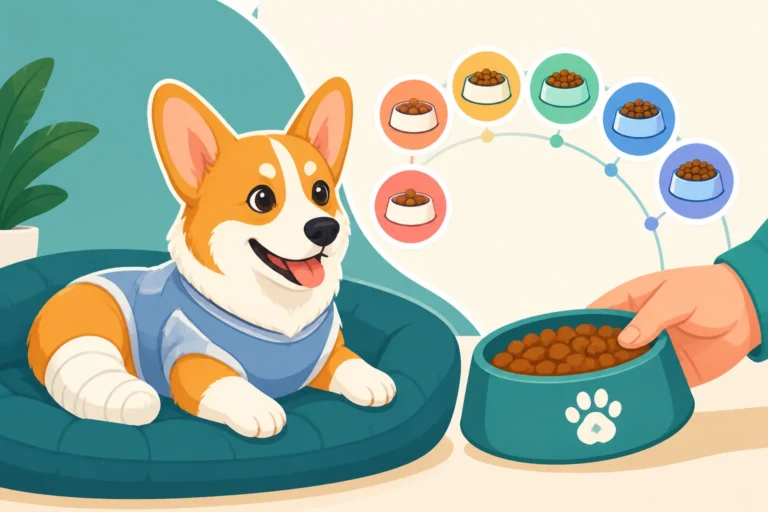
The key to a successful food transition is slowness. You want to introduce the new adult food gradually over about 7-10 days, mixing it with their current puppy food. This allows their digestive system to adjust to the new ingredients and nutrient balance without shock. Here’s a typical schedule:
- Days 1-2: Mix 75% puppy food with 25% adult food.
- Days 3-4: Go 50/50 – half puppy food, half adult food.
- Days 5-6: Shift to 25% puppy food and 75% adult food.
- Days 7-10: Your Corgi should now be eating 100% adult food.
During this period, keep a close eye on their stool. Any sudden changes, like diarrhea or constipation, mean you might be moving too fast. If that happens, simply revert to the previous step for a few more days before trying to advance again. You can pick up a variety of quality adult dog foods from places like Chewy or your local pet store, but always make sure to read the ingredient labels carefully.
Monitoring Weight and Body Condition During Transition
As you transition to adult food, it's incredibly important to monitor your Corgi's weight and body condition closely. Adult foods generally have fewer calories per serving, so you might find you're feeding a slightly larger volume of food, or you might need to adjust based on their activity level. Corgis are prone to weight gain, and excess weight puts undue strain on their long backs. This is a crucial time to establish healthy eating habits. If you notice them getting a bit pudgy, don't just cut the food drastically; adjust it slowly and increase appropriate exercise.
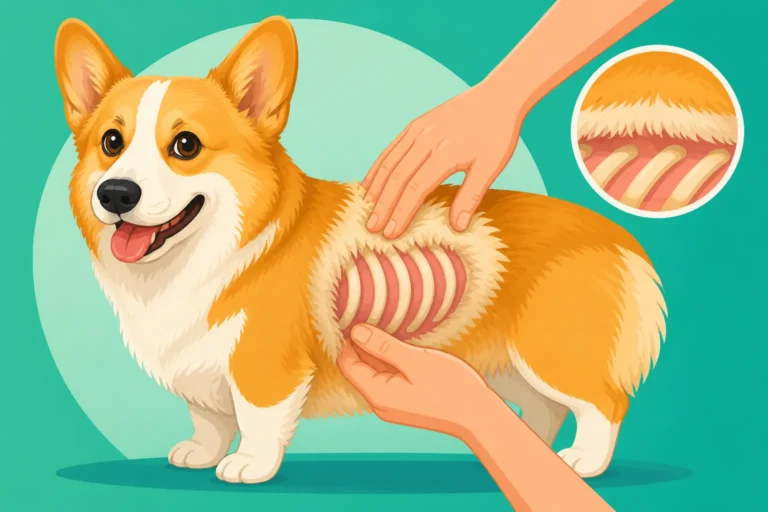
Regularly check their body condition score. You should be able to easily feel their ribs without pressing hard, see a slight waist tuck when viewed from above, and feel their spine without it being overly prominent. If you're struggling to feel ribs, it's a sign they might be carrying too much weight. This transition phase is a great time to ensure they are Keeping a Growing Corgi Puppy on the Thin Side to protect their developing joints and spine. Tools like a kitchen scale for precise portioning can be your best friend during this period. For guidance on appropriate weight, consider reading What a Pembroke Should Weigh.
Common Mistakes and How to Avoid Them
Even with the best intentions, Corgi owners can sometimes make mistakes when it comes to feeding, especially during the transition from puppy to adult food. Understanding these pitfalls can help you steer clear of them and keep your Corgi healthy and happy.
Overfeeding and Obesity Risks
One of the biggest mistakes, particularly with Corgis, is overfeeding. Those big, pleading eyes are hard to resist, but Corgis are notorious for their love of food and their ability to convince you they haven't eaten in days. Adult dog food is less calorie-dense than puppy food, but if you don't adjust portions properly for their activity level, weight gain can still happen. Obesity in Corgis is a serious issue that exacerbates spinal problems, joint issues, and overall health.
Many owners fall into the trap of "free-feeding," where food is left out all day. For a Corgi, this is a surefire way to gain weight. Instead, measure out their daily allowance and feed it in two distinct meals. If you use treats for training, make sure those calories are accounted for in their daily ration. You can even use a portion of their regular kibble as treats. Always check the feeding guidelines on your chosen adult dog food, but remember these are just starting points. Every dog is an individual, and you'll need to adjust based on your Corgi's metabolism and activity. If you're concerned about weight, Taking Pounds Off a Corgi Without Cutting Exercise provides excellent advice.
Ignoring Quality and Ingredients
Another mistake is assuming all adult dog foods are created equal. Just because a food is labeled "adult" doesn't mean it's high quality or appropriate for your Corgi. Look for foods with real meat as the first ingredient, and try to avoid excessive fillers, artificial colors, and preservatives. Some owners find brands like Orijen or Merrick offer good quality, while others prefer the convenience of ordering from Amazon or Chewy, where you can easily compare ingredient lists and reviews.
Your Corgi's diet impacts everything from their coat health to their energy levels, so investing in good quality food is really an investment in their long-term well-being. If your Corgi has any sensitivities or allergies, you might need to look for specific formulations, such as limited-ingredient diets or those free from common allergens like chicken or grain. Always consult your veterinarian if you're unsure which adult food is best for your specific Corgi, especially if they have any underlying health concerns. Remember, a healthy diet is a cornerstone of a long, happy life for your Corgi, safeguarding them from many potential health issues.
Here's a quick comparison of puppy and adult food characteristics:
| Feature | Puppy Food | Adult Dog Food |
|---|---|---|
| Calorie Content | Higher to support rapid growth and high energy demands | Lower, designed for maintenance and moderate activity |
| Protein Level | Higher for muscle and tissue development | Moderate for muscle maintenance |
| Fat Level | Higher for energy and healthy skin/coat | Moderate for energy and organ function |
| Calcium/Phos. | Precisely balanced for bone development | Maintenance levels, not growth-focused |
| DHA | Often added for brain and vision development | Less common or in lower amounts |
| Feeding Freq. | Usually 3-4 meals/day initially, then 2-3 | Typically 2 meals/day |
| Primary Goal | Optimal growth and development | Maintenance of health and body condition |
| Age Range | From weaning up to 10-14 months (for Corgis) | From 10-14 months through senior years |
Always remember that every Corgi is an individual, and while these guidelines are helpful, your veterinarian is your best resource for personalized advice. They can help you determine the exact right time to switch and what specific food options might be best for your beloved Corgi.
Disclaimer
This article is for general informational purposes only and does not constitute professional advice. Laws, prices and regulations vary by location and change over time. Consult a qualified professional for guidance on your specific situation.