Feeding a Corgi Puppy at Each Stage
Bringing a new Corgi puppy home is one of life's true joys, but let's be honest, figuring out the right way to feed them can feel like navigating a minefield of conflicting advice. From the moment those tiny paws step through your door, you’re faced with questions about what, when, and how much to feed to ensure they grow into a healthy, happy adult without accidentally setting them up for weight issues down the line. This comprehensive guide is here to walk you through every stage of your Corgi puppy's feeding journey, from their first slurps of milk to their transition to adult food, helping you feel confident and prepared.
Early Weeks: From Mom's Milk to First Solids
The first few weeks of a Corgi puppy's life are absolutely critical, and for good reason! Their entire system is developing at an astonishing rate, relying heavily on the nutrition they receive. When you pick up your Corgi puppy, they'll likely be past this initial stage, but understanding what they experienced can offer valuable insight into their early development and current needs.
The Importance of Mother's Milk
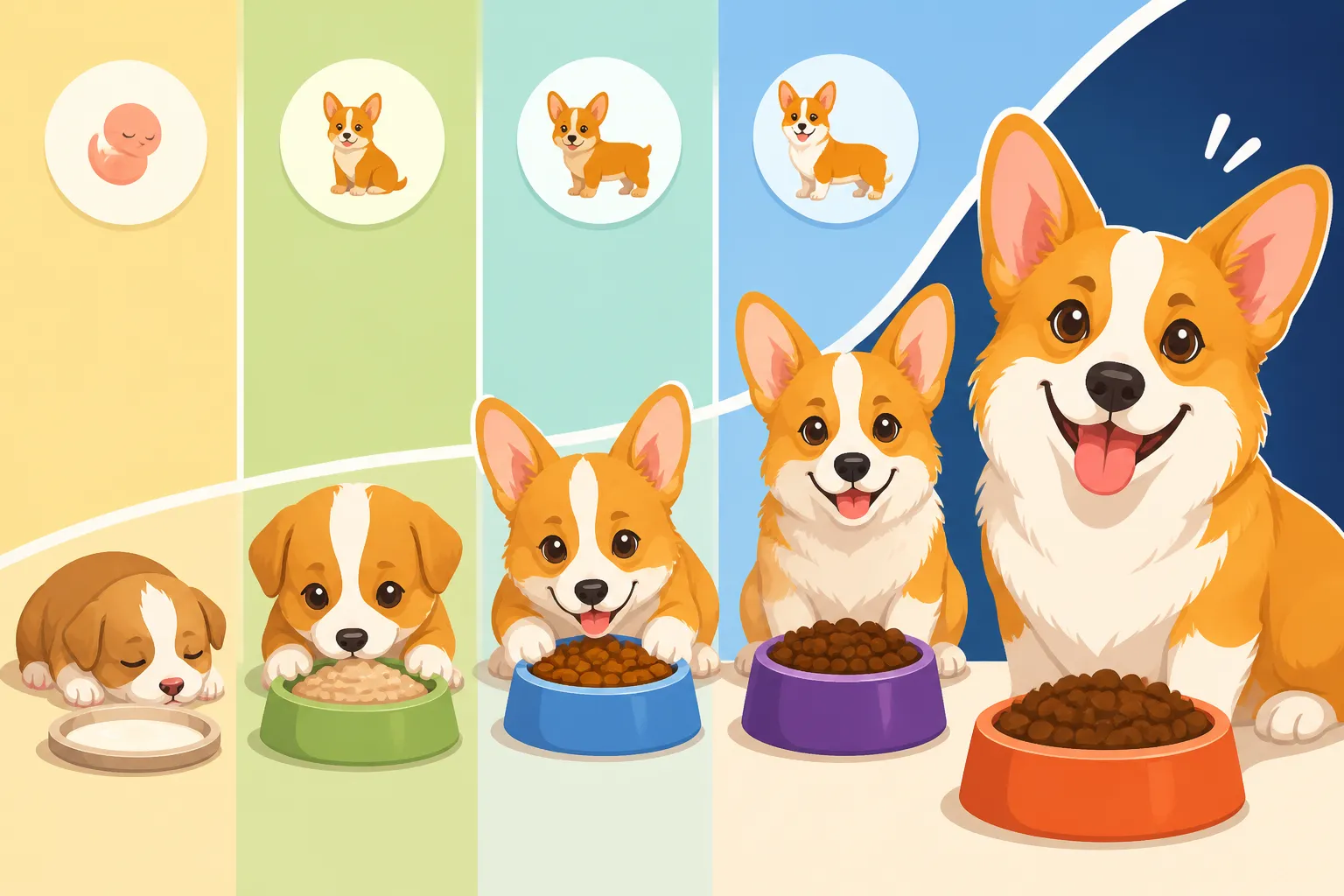
For the first four to six weeks, a Corgi puppy thrives exclusively on its mother's milk. This isn't just about calories; it's a perfectly formulated meal designed by nature, packed with antibodies that provide crucial passive immunity, protecting the fragile pups from early infections. Colostrum, the first milk produced, is particularly rich in these immune-boosting compounds. Without adequate colostrum, puppies can be vulnerable.
The mother's milk is also perfectly balanced for rapid growth, providing the right fats, proteins, and sugars to fuel their development. It's truly a marvel of natural nutrition, and nothing artificial can quite replicate its benefits. This early nourishment lays the foundation for a strong immune system and healthy gut flora, which can impact their health for years to come. A responsible breeder will ensure their puppies have ample access to their mother for this vital period.
Introducing Soft Foods and Gruel
Around three to four weeks of age, as those baby teeth start to emerge, a responsible breeder will begin the gentle process of introducing solid food. This usually starts with a gruel-like mixture, often made from high-quality puppy kibble soaked in warm water or puppy milk replacer until it forms a soft, easily digestible paste. It's a messy business, to be sure, with little Corgi faces covered in food, but it's an essential step in preparing their digestive systems for a solid diet.
The initial offerings are more about exploration and taste than nutrition. Puppies might play in it, lick at it, and slowly start to eat small amounts. The goal is to gradually transition them away from total reliance on their mother's milk, allowing her some much-needed respite while preparing the pups for their eventual move to their new homes. The consistency of the gruel will slowly thicken as they get used to it, moving towards a more solid, mushy texture.
Monitoring Growth and Weight
During these early weeks, consistent monitoring of a Corgi puppy's weight is paramount. Puppies should be gaining weight steadily every day. Any loss or stagnation in weight gain is a red flag, indicating potential health issues or insufficient feeding. Breeders meticulously track these numbers to ensure each puppy is thriving.
When you bring your puppy home, your vet will continue this monitoring. They'll check their weight, assess their body condition, and ensure they're on a healthy growth trajectory. It's a great opportunity to ask about their current diet and feeding schedule, so you can maintain consistency and prevent any digestive upset. Remember, a growing puppy needs a lot of fuel, but it’s a delicate balance to ensure they don't get too chubby too fast, which can put strain on their developing bones.
The Weaning Transition: First Steps into Kibble
The period between eight and twelve weeks is often when your Corgi puppy joins your family, and it's a time of significant dietary change as they move completely off mother's milk and onto a solid diet. This transition needs to be handled with care to avoid digestive upset and to set healthy eating habits.
Choosing the Right Puppy Kibble
Selecting the right puppy kibble is one of the most important decisions you'll make in these early months. Look for a high-quality, reputable brand specifically formulated for puppies, ideally for "all life stages" or "large breed puppies" (even though Corgis are small, their rapid growth benefits from carefully balanced calcium and phosphorus levels often found in large breed formulas, though a standard puppy formula is generally fine too). The first ingredient should be a named meat source, not a generic "meat meal" or excessive fillers. Many popular brands like Royal Canin, Purina Pro Plan, or Hills Science Diet offer excellent puppy formulas. You can find these easily on platforms like Chewy or Amazon.
Avoid boutique, grain-free diets unless specifically recommended by your vet, as some research suggests potential links between certain grain-free diets and heart issues in some breeds. The breeder will likely send you home with a small supply of the food they've been feeding, and it's always best to stick with that for at least a week or two to ease the transition. If you decide to change foods, do so very, very gradually over 7-10 days to prevent stomach upset.
Gradual Introduction Methods
When transitioning to a new food or introducing new textures, gradual is the keyword. For a Corgi puppy, this means slowly mixing increasing amounts of the new food with decreasing amounts of the old food over about a week. Start with 75% old food and 25% new food for a couple of days, then move to a 50/50 mix, then 25% old and 75% new, until you're feeding 100% new food. This allows their digestive system time to adapt to the new ingredients without causing diarrhea or vomiting.
You might find your Corgi puppy is a little hesitant with new food; their sense of smell is far more developed than ours, and new scents can be off-putting. Warm water can be added to the kibble to soften it slightly and release its aroma, making it more appealing. This also helps with hydration, which is vital. Remember, patience is key here. Your puppy is adjusting to a whole new world, and their food is a big part of that.
Hydration and Water Access
Access to fresh, clean water is non-negotiable for a growing Corgi puppy. They are active little bundles of energy, and proper hydration is crucial for their digestion, circulation, and overall health. Always ensure their water bowl is clean and full, especially after playtime or meals. Consider having multiple water bowls around the house if you have a larger living space.
Puppies can sometimes be clumsy, knocking over water bowls. A heavy ceramic bowl or one with a non-skid bottom can be helpful. Monitor their water intake, too; excessive drinking could be a sign of a health issue, while insufficient drinking can lead to dehydration. If your Corgi puppy is enjoying their kibble moistened with water, that's a bonus for their hydration levels.
The Growth Spurt Years: Fueling a Young Corgi
From three to six months, your Corgi puppy will be in a rapid growth phase, transforming from a wobbly little floof into a more robust, albeit still very puppy-like, dog. This period demands a consistent and appropriate feeding regimen to support their developing bones, muscles, and organs.
Establishing a Feeding Schedule
Consistency is absolutely vital during these months. Feeding your Corgi puppy on a set schedule helps regulate their digestive system and aids in potty training, as you can more accurately predict when they’ll need to relieve themselves. Most Corgi puppies in this age range do well on three meals a day. Imagine setting meal times around your own: breakfast, lunch, and dinner. For example, 7 AM, 12 PM, and 5 PM. Sticking to these times teaches your puppy predictability, which is a comfort for them.
Avoid free-feeding, where food is left out all day. Corgis are notorious for loving food, and free-feeding can quickly lead to overconsumption and weight gain, which is detrimental to their long-backed structure. Instead, put the food down for 15-20 minutes, and then pick it up, even if they haven't finished. They'll quickly learn to eat when food is available. How Often a Corgi Puppy Is Fed Before Six Months details these schedules more deeply.
Portions and Calorie Needs
Determining the right portion size for your Corgi puppy can feel like a guessing game, but it's crucial. Most puppy foods provide feeding guidelines based on age and anticipated adult weight. However, these are just starting points. Your puppy's individual metabolism, activity level, and growth rate will influence their actual needs. It’s a common frustration to feel like you're constantly adjusting!
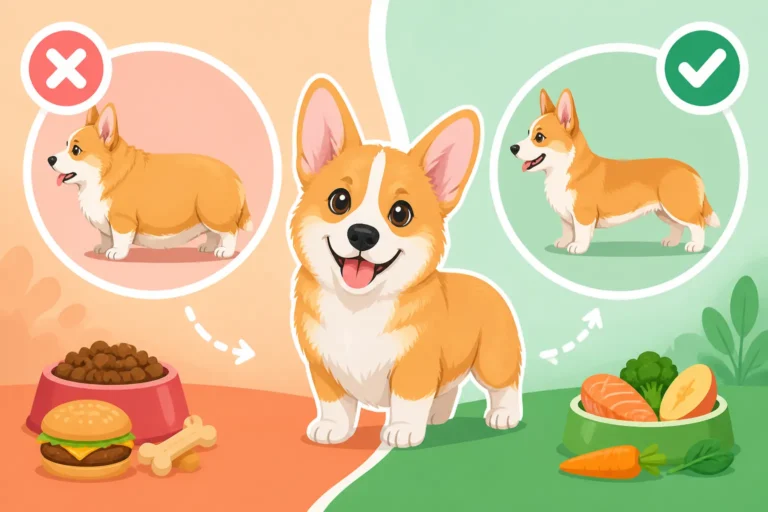
The goal is to keep your Corgi puppy lean. You should be able to easily feel their ribs without pressing hard, and they should have a discernible waist when viewed from above. A veterinarian can help you determine the ideal The Body Condition Score a Corgi Should Hold. Overfeeding now can lead to a Whether a Chubby Corgi Puppy Is a Problem with their developing joints and spine. These pups don't need to look round!
Introducing Healthy Treats
Treats are an invaluable tool for training and bonding with your Corgi puppy, but they need to be factored into their daily calorie intake. Choose small, high-value treats. Many Corgis are highly food-motivated, so even small pieces of their regular kibble can work as training rewards. If using commercial treats, opt for low-calorie options or break larger treats into tiny, pea-sized pieces.
Think about how you’ll manage treats to prevent weight gain. Platforms like Chewy and Amazon offer a variety of healthy, low-calorie treat options. You might even consider preparing small pieces of cooked chicken or boiled carrot as special rewards. Remember, the goal is to reward good behavior, not to add excessive calories. Always ensure treats are safe and digestible for puppies.
Navigating Adolescence: The Lean and Leggy Stage
As your Corgi puppy moves past six months and towards their first birthday, they enter adolescence. This phase often involves a leaner, more leggy appearance before they "fill out," and their energy levels can be sky-high. Their nutritional needs will subtly shift, requiring careful monitoring to maintain their ideal body condition.
Maintaining Optimal Body Condition
During adolescence, a Corgi’s growth rate might slow slightly compared to their earlier puppy months, but they are still developing rapidly. It's especially important to ensure they remain lean. A Corgi with excess weight during this critical development period puts undue strain on their growing joints and their signature long back. You should continue to easily feel their ribs, and their waist should still be clearly visible.
If you notice your Corgi puppy starting to look a bit "square" or that their ribs are harder to feel, it's time to re-evaluate their food portions and activity levels. This is a common challenge because Corgis are so adorable and food-motivated that it's easy to overindulge them. Adjust their daily food intake downwards by about 10-15% and increase their controlled exercise, focusing on activities that don't put excessive stress on their spine, like walking or controlled play.
Adjusting Feeding Frequency
While three meals a day works well for younger puppies, as your Corgi moves into adolescence (around 6-9 months), you can typically transition them to two meals a day. This mirrors an adult feeding schedule and fits well with most family routines. Spreading meals out also helps prevent your Corgi from feeling overly hungry and provides consistent energy throughout the day.
When making this change, simply divide their total daily food allowance into two equal portions. If they were previously receiving 1.5 cups per day over three meals, they would now get 0.75 cups per meal, twice a day. Monitor their digestion closely during this transition to ensure they're adjusting well. Some Corgis might initially act extra hungry, but they usually adapt quickly.
Supporting Bone and Joint Health
Corgis are known for their chondrodystrophic (short-legged) build, which means they are predisposed to certain spinal issues like Intervertebral Disc Disease (IVDD). While genetics play a huge role, proper nutrition during their growth stages can contribute to optimal bone and joint development. Look for puppy foods that have appropriate calcium and phosphorus ratios, as imbalances can lead to developmental orthopedic problems.
Some owners wonder about joint supplements, but generally, a high-quality puppy food provides all the necessary nutrients for healthy bone and joint growth. Over-supplementing, especially with calcium, can actually be detrimental. Focus on maintaining a lean body condition above all else, as this is the single best thing you can do to protect your Corgi's developing spine. What Chondrodystrophy Means for a Corgi is an important topic to understand.
Transitioning to Adult Food: Preparing for Long-Term Health
Around their first birthday, most Corgis are ready to transition from puppy food to adult dog food. This isn't just a simple swap; it's another careful transition that marks their entry into maturity and a lifelong need for a diet tailored to their adult energy and maintenance requirements.
When to Make the Switch
Generally, Corgis can transition to adult food around 10-12 months of age. While they might still be maturing mentally, their skeletal growth is largely complete by this point. Puppy foods are much denser in calories and nutrients to support rapid growth, and continuing to feed them past this stage can lead to unnecessary weight gain in an adult Corgi.
Your veterinarian is your best resource for pinpointing the exact right time for your individual Corgi. During their annual check-up around their first birthday, discuss their current weight, body condition, and activity level with your vet to get a tailored recommendation. They can confirm that your Corgi is ready for the change and advise on appropriate adult food choices.
Selecting an Adult Formula
When choosing an adult food, look for a formula designed for "adult maintenance" or "all life stages." Just like with puppy food, prioritize high-quality ingredients, with a named meat source as the first ingredient. Consider your Corgi's activity level. If they are very active, a slightly more calorie-dense food might be appropriate, but for most Corgis, a standard adult formula will suffice.
There's a vast array of options available, from traditional kibble to fresh-cooked diets. Brands like Ollie, for example, offer fresh, human-grade food that can be portioned specifically for your dog's needs, which might be appealing if you prefer less processed options. Whatever you choose, ensure it's a complete and balanced diet. Some owners like to rotate protein sources to provide variety, but always introduce new foods slowly.
Gradual Transition for Digestive Health
The switch from puppy to adult food should be just as gradual as any other dietary change. Over 7-10 days, slowly mix increasing amounts of the new adult food with decreasing amounts of the old puppy food. Starting too quickly can lead to an upset stomach, diarrhea, or reluctance to eat.
Take your time and observe your Corgi closely during this period. Watch for any changes in stool consistency, appetite, or energy levels. If you notice any issues, slow down the transition further. This smooth transition ensures your Corgi's digestive system can adapt comfortably to the new nutrient profile and sets them up for a healthy adult life.
Common Puppy Feeding Pitfalls & Solutions
Even with the best intentions, feeding a Corgi puppy can present its own unique challenges. Their endearing nature and love for food can sometimes lead owners down paths that aren't ideal for their long-term health. Understanding these common pitfalls can help you navigate them successfully.
Overfeeding and Weight Gain
This is probably the biggest pitfall for Corgi owners, and it starts in puppyhood. Corgis are naturally robust, but they can quickly become overweight if not carefully managed. Their adorable round appearance often tricks people into thinking a little extra heft is "normal" or "cute," but it's incredibly dangerous for their backs and overall health. Why Corgi Weight Is a Spinal Problem is a critical read for any owner.
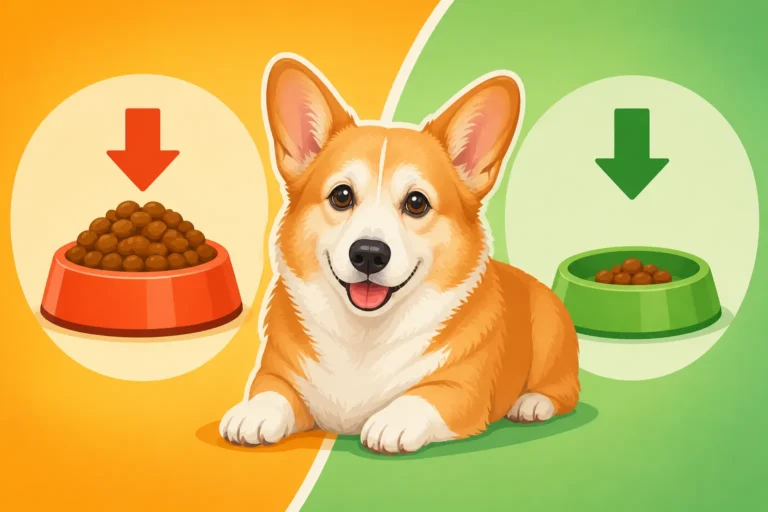
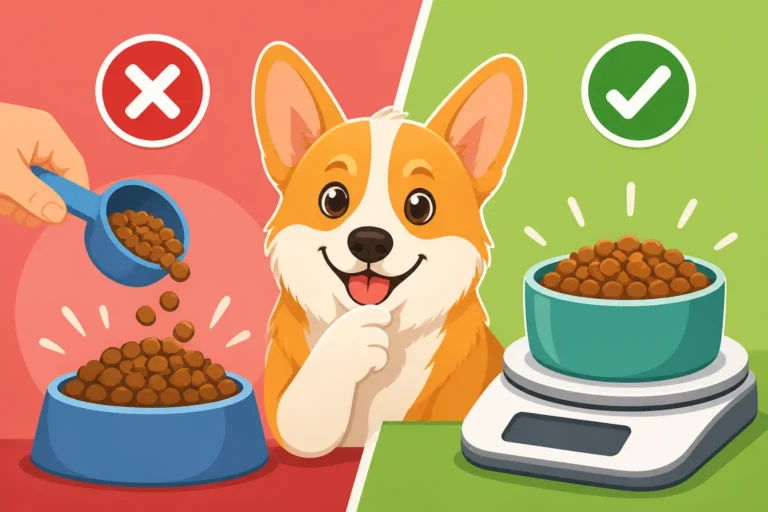
The solution starts with precise portion control. Weigh your Corgi's food rather than using a scoop, as scoops can be inconsistent. A digital kitchen scale is an inexpensive but invaluable tool. Stick to recommended feeding guidelines, but always adjust based on your puppy's individual body condition. If you can't easily feel those ribs, they're likely carrying too much weight. Don't be afraid to reduce their portions slightly.
Dealing with Picky Eaters
While many Corgis are food-motivated, some can be surprisingly picky. A puppy refusing food can be concerning, but it's important to rule out medical issues first. A quick vet check can ensure there are no underlying health problems. If your Corgi puppy is healthy but still turning up their nose, resist the urge to immediately offer alternatives or "better" food. This can inadvertently train them to be even pickier.
Stick to the feeding schedule: offer food for 15-20 minutes, then pick it up. They will learn that this is their only opportunity to eat. You can try adding a tiny bit of warm water, a dollop of plain canned pumpkin, or a small amount of low-sodium chicken broth to entice them. Using a puzzle feeder from Amazon or Chewy can also make mealtime more engaging for them, turning eating into a game.
Managing Begging Behaviors
Corgis are masters of the "sad puppy eyes" and can be incredibly persuasive beggars. From the moment they arrive, they'll likely try to convince you they haven't eaten in weeks, even if they just had a meal. This behavior, if indulged, can quickly lead to overfeeding and an unhealthy relationship with food. This is a real frustration for many Corgi families!
The key is consistency and not giving in. Establish clear boundaries around meal times. Don't feed them scraps from the table, no matter how much they plead. Ensure everyone in the household is on the same page. If they beg while you're eating, have them lie on their bed in another room or provide a high-value chew toy to redirect their attention. Reinforce good behavior with praise or a non-food reward when they're calm and not begging.
A Corgi Puppy Feeding Schedule Example
To help you visualize what a typical day of feeding might look like for your growing Corgi puppy, here’s a simple table. Remember, these are general guidelines, and your veterinarian's advice should always take precedence for your specific puppy's needs.
| Age Range | Feeding Frequency | Typical Daily Volume (Kibble) | Key Considerations |
|---|---|---|---|
| 8-12 Weeks | 3-4 meals per day | 1/2 to 1 cup | Small, frequent meals; moistened kibble beneficial. |
| 3-6 Months | 3 meals per day | 1 to 1.5 cups | Rapid growth; monitor body condition closely. |
| 6-10 Months | 2-3 meals per day | 1.5 to 2 cups | Adolescence; maintain lean frame; adjust as activity changes. |
| 10-12+ Months | 2 meals per day | 1.5 to 2 cups (transitioning) | Prepare for adult food; consult vet for exact timing. |
Note: Daily volume is a general estimate for a developing Corgi puppy and should always be cross-referenced with your specific food's recommendations and adjusted based on your puppy's actual weight, activity level, and body condition score. Always weigh food for accuracy.
Final Thoughts on Raising a Healthy Eater
Raising a Corgi puppy means investing in their future health, and proper nutrition is a cornerstone of that. It’s not just about giving them enough food; it’s about giving them the right food, in the right amounts, at the right times, and fostering healthy eating habits from day one. You're building a foundation that will impact their energy levels, their coat condition, their cognitive function, and most importantly for Corgis, their skeletal health.
It's tempting to spoil those adorable little faces with extra treats or bigger portions, but the greatest gift you can give your Corgi is a lean, healthy body weight. Regular vet check-ups will be invaluable for monitoring their growth and making dietary adjustments as needed. With consistency, a good quality diet, and a watchful eye, you'll ensure your Corgi puppy grows into a vibrant, robust companion, ready for a lifetime of happy wiggles and joyful barks. Remember that Keeping a Growing Corgi Puppy on the Thin Side is paramount, and it prevents many potential problems down the road.
Disclaimer
This article is for general informational purposes only and does not constitute professional advice. Laws, prices and regulations vary by location and change over time. Consult a qualified professional for guidance on your specific situation.