Corgis With Chickens and Small Stock
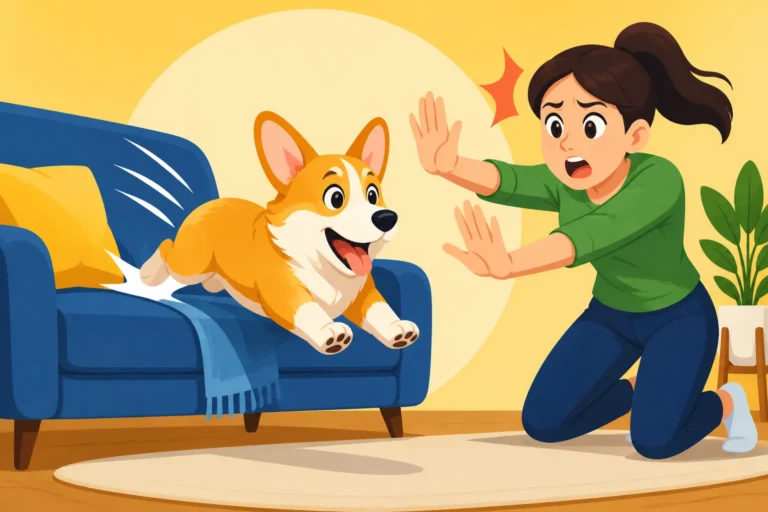
Bringing a spirited Corgi into a home that also houses chickens, ducks, or other small livestock can feel like you're setting up a comedy of errors, or worse, a genuine crisis. The frustration is real when your adorable, low-riding herder, bred for generations to move cattle twice its size, suddenly decides your beloved flock is its new job. This guide will help you understand your Corgi's innate drives, implement effective training, and establish management strategies to ensure a peaceful, safe coexistence between your Corgi and your small stock.
Understanding the Corgi's Instinct for Small Stock
It’s easy to look at a Corgi chasing a chicken and think "prey drive," but with Corgis, it's often far more nuanced. These are dogs meticulously bred for a specific purpose, and that purpose didn't vanish just because they now live on a suburban plot or a hobby farm. Understanding this fundamental aspect of their being is the first step toward managing their interactions with smaller animals.
The Herding Drive: Not Just a Cute Quirk
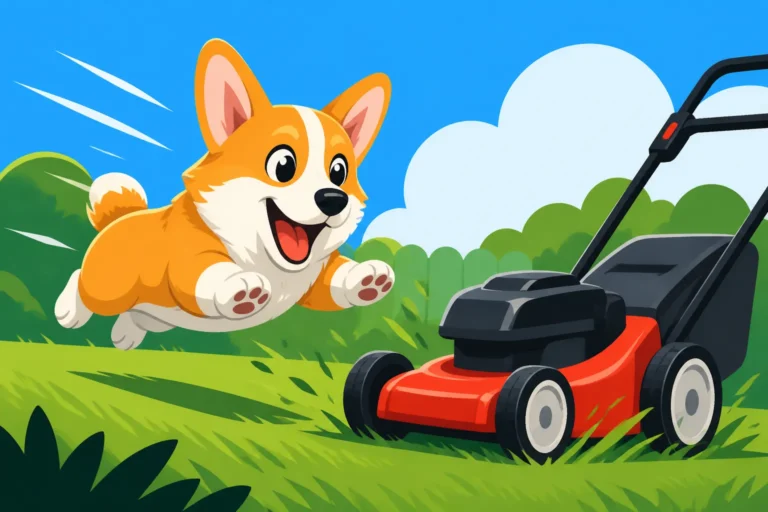
Corgis, whether Pembroke or Cardigan, come from a long line of working dogs whose primary role was to herd cattle. Imagine being a dog only a foot tall, tasked with moving animals hundreds of times your weight. To do this, Corgis developed a unique set of behaviors: they nip at heels, bark to get attention, and use their low stature to dart under and around livestock, driving them forward. This isn't aggression; it's instinctual problem-solving ingrained over centuries.
When your Corgi spots a flock of chickens pecking about, their brain doesn't see fragile pets; it sees a group of small, flighty animals that need to be moved and controlled. The Corgi's instinct tells them, "These things are out of order, and it's my job to put them right!" This often manifests as circling, chasing, nipping, and barking – all classic herding behaviors. It's a powerful urge, and often, what looks like mischief is simply a Corgi trying to fulfill its genetic destiny. This deep-seated drive is why simply telling them "no" often falls on deaf ears; they're operating on a different wavelength entirely. For more on this, you might find The Cattle-Driving Nip a Corgi Still Has illuminating.
Prey Drive vs. Herding Drive: A Critical Distinction
While a Corgi's herding drive can look alarmingly similar to prey drive – especially when they're chasing something – there's a crucial difference. Prey drive is about catching, killing, and consuming. Herding drive is about controlling, gathering, and moving. A Corgi engaging in true herding behavior will often try to turn the flock, gather them into a tighter group, or push them in a particular direction, sometimes with nips that are meant to startle, not injure. They might chase, but they usually don't grab with the intent to harm, nor do they often attempt to consume.
However, it's vital to recognize that the line can blur, and an unmanaged herding instinct can escalate. If a chicken panics and runs erratically, it can trigger a stronger chase response that might tip into prey-like behavior, especially in a young or over-stimulated Corgi. A Corgi might also "test" the boundaries of a bird's reaction, and if the bird shows extreme fear, it can unfortunately encourage further, more intense chasing. It's our responsibility as owners to understand this distinction but also to prevent situations where that line might be crossed, ensuring the safety of all animals involved.
Assessing Your Corgi's Temperament and Training Needs
Every Corgi is an individual, and while their breed instincts are strong, their specific personality and life experiences play a huge role in how they interact with small stock. Before you even think about introductions, you need to honestly evaluate your Corgi and commit to foundational training.
Early Socialization and Exposure: A Foundation for Calmness
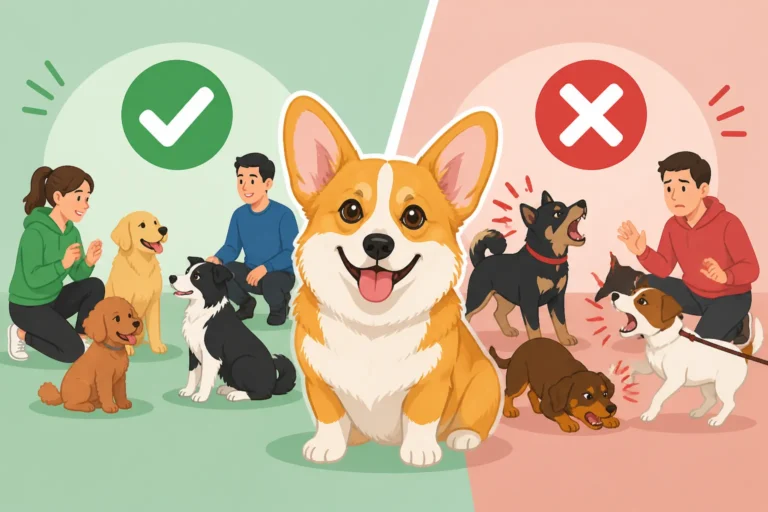
For Corgi puppies, or even newly adopted adult Corgis, early and positive exposure to a variety of sights, sounds, people, and animals is paramount. If your Corgi puppy grows up seeing chickens from a distance, calmly and consistently, without being allowed to chase, they're more likely to develop a neutral or even accepting attitude. This isn't about letting them run wild with the flock; it's about controlled, positive observations. For example, carrying your puppy in a sling or holding them while you calmly tend to the chickens allows them to observe without being overwhelmed or given the opportunity to engage inappropriately.
For an adult Corgi, especially one with an established chasing habit, it's a longer road, but not impossible. The key is to create positive associations and reinforce calm behavior. This might mean supervised observation from behind a fence, rewarding every moment of quiet focus on you instead of the birds. Remember, a Corgi that hasn't been properly socialized may view anything new as a potential "job" or a threat, making calm integration even more challenging. Consider what makes for The Household a Corgi Actually Wants to help provide this balance.
Obedience Training as a Foundation for Control
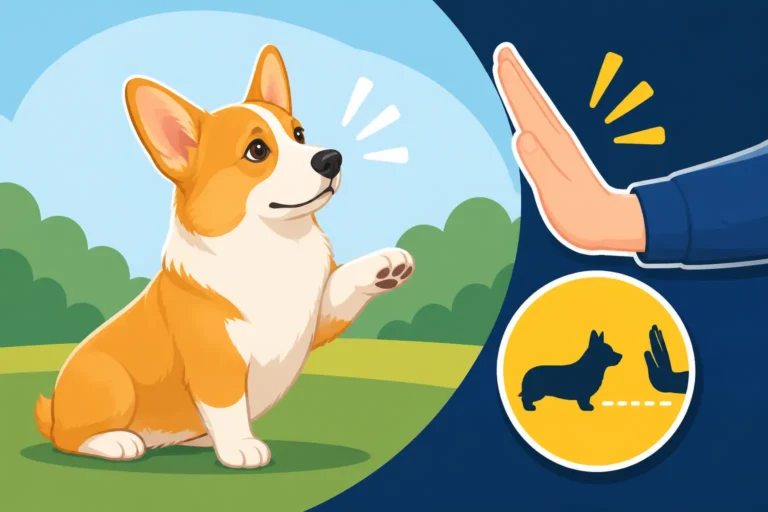
Solid obedience training is non-negotiable for a Corgi living alongside small stock. We're not just talking about "sit" and "stay" here; we mean rock-solid recall, a reliable "leave it," and a consistent "down." These commands are your safety net and your primary tools for managing that powerful herding instinct. Imagine your Corgi fixating on a chicken: a strong "leave it" can break that focus, while a quick "come" can remove them from the situation entirely.
Start training these commands in a low-distraction environment and gradually increase the difficulty, introducing the presence of the chickens from a safe distance once the commands are bulletproof elsewhere. Patience is crucial, as Corgis can be famously independent thinkers. Repetition, positive reinforcement, and high-value treats are your best friends. If you're struggling, online resources like BAXTER & Bella offer structured puppy and adult dog training programs that can help you build these crucial skills from the ground up, with flexible modules you can do at home. Their step-by-step approach can be particularly helpful for Corgi owners who need to work on control and redirection. Mastering Corgi Recall and the Herding Instinct is especially important here.
Strategies for Safe Coexistence with Chickens and Small Stock
Once you understand your Corgi's instincts and have a handle on basic obedience, it's time to implement practical strategies for day-to-day living. This is where management, redirection, and careful introductions come into play.
Management and Supervision: Building Physical Barriers
The golden rule when integrating Corgis with small stock is: never trust them together unsupervised. This isn't a judgment on your Corgi; it's an acknowledgment of their powerful natural drives. Physical barriers are your first and most effective line of defense. This means secure fencing around your chicken coop and run that your Corgi cannot dig under, jump over, or squeeze through. Remember how low Corgis are; they're masters of getting through small gaps!
Consider double-gating systems, or even using baby gates from Amazon to create "Corgi-free zones" within your yard or home if your small stock free-ranges at times. A long line (a lightweight leash, 15-30 feet long) can be invaluable for supervised outdoor time, allowing your Corgi some freedom while still keeping them under your control, ready to step in if their herding instinct kicks in. These barriers aren't meant to be permanent solutions to avoid training, but rather essential tools to prevent negative interactions while you work on behavior modification.
Redirection and Alternative Activities: Giving a Corgi a "Job"
Corgis are working dogs, and a bored Corgi is a mischievous Corgi. If they don't have an appropriate outlet for their energy and intelligence, they will find their own "job," and often that job involves herding whatever is available – including your chickens. Provide plenty of mental and physical stimulation that satisfies their herding instincts in a safe, constructive way. This could include:
- Herding Balls: Large, sturdy balls that they can push and chase, simulating herding.
- Scent Work: Hide-and-seek games with treats or toys, engaging their powerful noses and problem-solving skills.
- Agility or Obedience Training: Structured activities that challenge their bodies and minds.
- Regular, Engaging Walks: More than just a potty break; these should be opportunities to explore and sniff.
The goal is to tire them out mentally and physically before they even consider bothering the chickens. If your Corgi comes out to the yard already satisfied and calm, they're much less likely to see the chickens as an irresistible temptation. Teaching your Corgi to Herd a Ball Instead can be a fantastic way to redirect that instinct.
Introducing Your Corgi to Small Stock Safely: A Step-by-Step Approach
Introducing a Corgi to chickens or other small stock requires immense patience and a methodical approach. It's not a one-and-done event but a gradual process built on trust and consistent management.
- Barrier Introduction: Start with your Corgi on a leash, observing the chickens through a secure fence or barrier. The goal is calm observation, not interaction. Reward your Corgi for every moment of quiet focus on you, or for simply ignoring the birds. Keep these sessions short and positive. If your Corgi gets overly excited, remove them immediately.
- Increased Proximity (Still with a Barrier): As your Corgi shows consistent calm, gradually reduce the distance between them and the stock, always with a strong barrier in place. Continue to reward calm behavior. This stage might take days or even weeks.
- Leashed, Controlled Observation (No Barrier): Once your Corgi is consistently calm at close proximity behind a fence, you can attempt supervised observation without a barrier, but your Corgi must be on a leash and harness. Keep them at a safe distance from the birds, ensuring they cannot lunge or nip. This is where your "leave it" and "come" commands need to be flawless. Reward calmness, gentle curiosity, and ignoring the birds.
- Gradual Interaction (Highly Supervised): If, and only if, your Corgi has demonstrated prolonged, consistent calm and impeccable obedience on a leash, you might consider very brief, highly supervised "interactions." This means your Corgi is still on a leash, and you are actively managing the situation, ready to intervene instantly. Allow them to be in the same area but ensure they do not chase or nip. Reward calm coexistence.
- Never Unsupervised: Even after months or years of successful integration, it's generally best never to leave a Corgi alone with small, vulnerable stock. Accidents can happen in a split second, and the consequences for your birds can be devastating. This level of constant supervision helps prevent A Corgi That Nips Running Children from also nipping at your birds.
| Behavior Trait | Herding Drive Signs | Prey Drive Signs |
|---|---|---|
| Primary Goal | Control, gather, move animals | Catch, kill, consume animals |
| Body Language | Low crouch, intense stare (eye), circling, nudging | Intense stare (fixed), stalking, pouncing, shaking |
| Vocalization | Persistent barking, growling to direct | Quieter, focused; often silent stalk leading to pounce |
| Interaction Style | Nipping at heels, bumping flanks, pushing | Grabbing, biting, carrying off, tearing |
| Response to Prey | Tries to gather or direct movements | Aims to isolate and incapacitate |
| Training Focus | Channeling instinct, redirecting, impulse control | Management, strong "leave it" to suppress instinct |
When Professional Help is Necessary
Despite your best efforts, some Corgis have such a strong instinct or have developed such ingrained habits that they need more help than you can provide on your own. Recognizing when to call in a professional isn't a sign of failure; it's a responsible choice for the safety of all your animals.
Recognizing When You Need a Trainer
You should consider seeking professional help if you observe any of the following:
- Aggressive Behavior: Your Corgi is not just herding but actively trying to harm the chickens (e.g., hard bites, shaking, killing).
- Uncontrollable Drive: Despite your training and management, your Corgi cannot be reliably called off or stopped once they fixate on the stock.
- Constant Stress: Either you or your Corgi (or the chickens!) are living in a constant state of anxiety because of the situation.
- Escalating Incidents: The frequency or intensity of undesirable interactions is increasing, even with your interventions.
- Lack of Progress: You've been consistently applying training and management techniques for a significant period (weeks to months) without seeing improvement.
- Resource Guarding: Your Corgi shows guarding behavior over the chickens as if they are their personal "property" to control.
If you find yourself struggling with these issues, especially if you're concerned about A Corgi That Herds the Cat Into a Corner or other small animals, a professional trainer or behaviorist can offer tailored strategies.
Finding a Qualified Professional
When looking for help, seek out a professional who has experience with working breeds, specifically those with strong herding drives, and ideally, experience integrating dogs with livestock. Don't just pick the first person you find; do your homework:
- Certifications: Look for certified professional dog trainers (CPDT-KA) or certified applied animal behaviorists (CAAB). These certifications indicate a commitment to ethical, science-based training methods.
- Approach: Favor trainers who use positive reinforcement and reward-based methods. Avoid anyone who advocates for harsh punishment or dominance-based techniques, as these can damage your relationship with your Corgi and potentially worsen behavioral issues.
- Experience: Ask about their experience with herding breeds and livestock. A trainer who understands the specific nuances of a Corgi's herding instinct will be much more effective than one who treats it as general aggression.
- Consultation: Many trainers offer initial consultations where you can discuss your situation and get a feel for their approach before committing to a full training package.
Remember, integrating a Corgi with small stock is an ongoing commitment. It requires patience, consistency, and a deep understanding of your dog's natural inclinations. With the right approach, you can create a harmonious environment for all your two- and four-legged family members. If you're considering expanding your Corgi's natural inclinations, you could also explore Starting Herding With a Corgi in a controlled, safe environment.
Disclaimer
This article is for general informational purposes only and does not constitute professional advice. Laws, prices and regulations vary by location and change over time. Consult a qualified professional for guidance on your specific situation.