Which Labs Run the Corgi DM Test
Corgi genetic testing laboratories that screen for Degenerative Myelopathy using simple cheek swab or blood sample methods.

Corgi genetic testing laboratories that screen for Degenerative Myelopathy using simple cheek swab or blood sample methods.
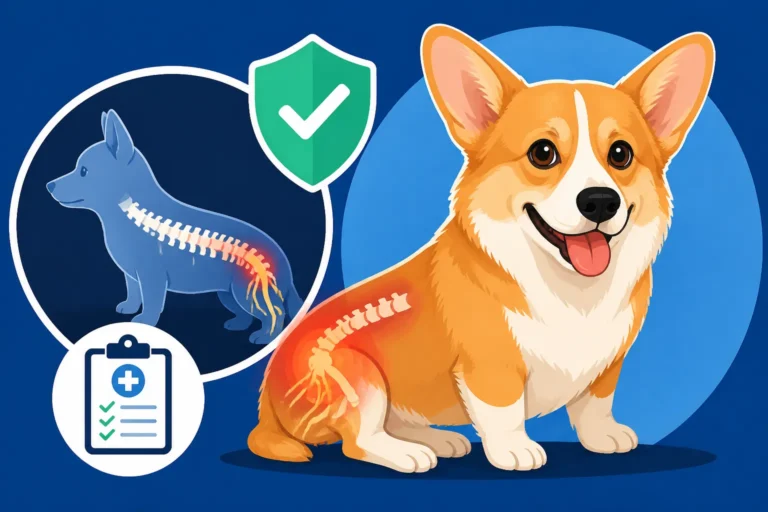
Degenerative myelopathy diagnosis methods help veterinarians and owners confirm Corgi neurological conditions without post-mortem examinations.
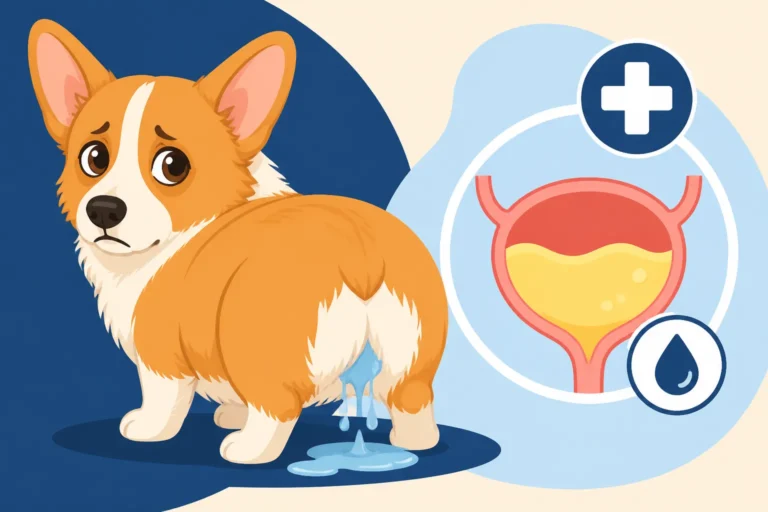
Degenerative Myelopathy causes urinary and fecal incontinence in Corgis, requiring practical strategies to manage bladder issues and maintain comfort.

Exercise and gentle movement for Corgis with degenerative myelopathy help manage symptoms, preserving mobility in hind legs.

Physiotherapy for Corgis experiencing hind leg paralysis or weakness helps manage pain, maintain muscle mass, and improve mobility.

Carts and wheels for Corgis with degenerative myelopathy help maintain mobility and independence when hind legs fail between ages 8 and 14.

Corgi life expectancy after a Degenerative Myelopathy diagnosis typically spans six to eighteen months before severe paralysis.

Degenerative myelopathy causes spinal cord degeneration and paralysis in Corgis, resulting in mobility loss without directly causing pain.

A Corgi crossing its back legs while walking indicates potential neurological or spinal issues like Intervertebral Disc Disease.

Corgi hind leg scuffing indicates potential health issues or long nails, explaining why feet drag and how to help your dog.