Whether Corgi Insurance Premiums Rise Each Year
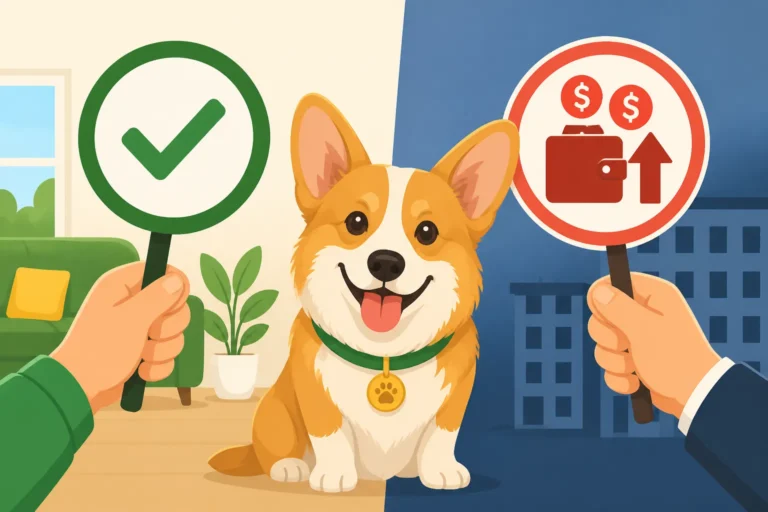
It's a familiar scenario for many Corgi parents: that annual pet insurance renewal notice arrives in the mail or your inbox, and you brace yourself. You open it, your heart sinking just a little as you see the new, higher premium. It feels like a punch to the gut, especially when you're already trying to budget for every aspect of your furry family member's life. The burning question on everyone's mind is, "Does Corgi insurance always go up?" This guide is here to shed some light on why premiums tend to increase each year and, more importantly, what you can do to navigate these changes for your beloved low rider.
The Inevitable Climb: Why Corgi Insurance Premiums Tend to Increase Annually
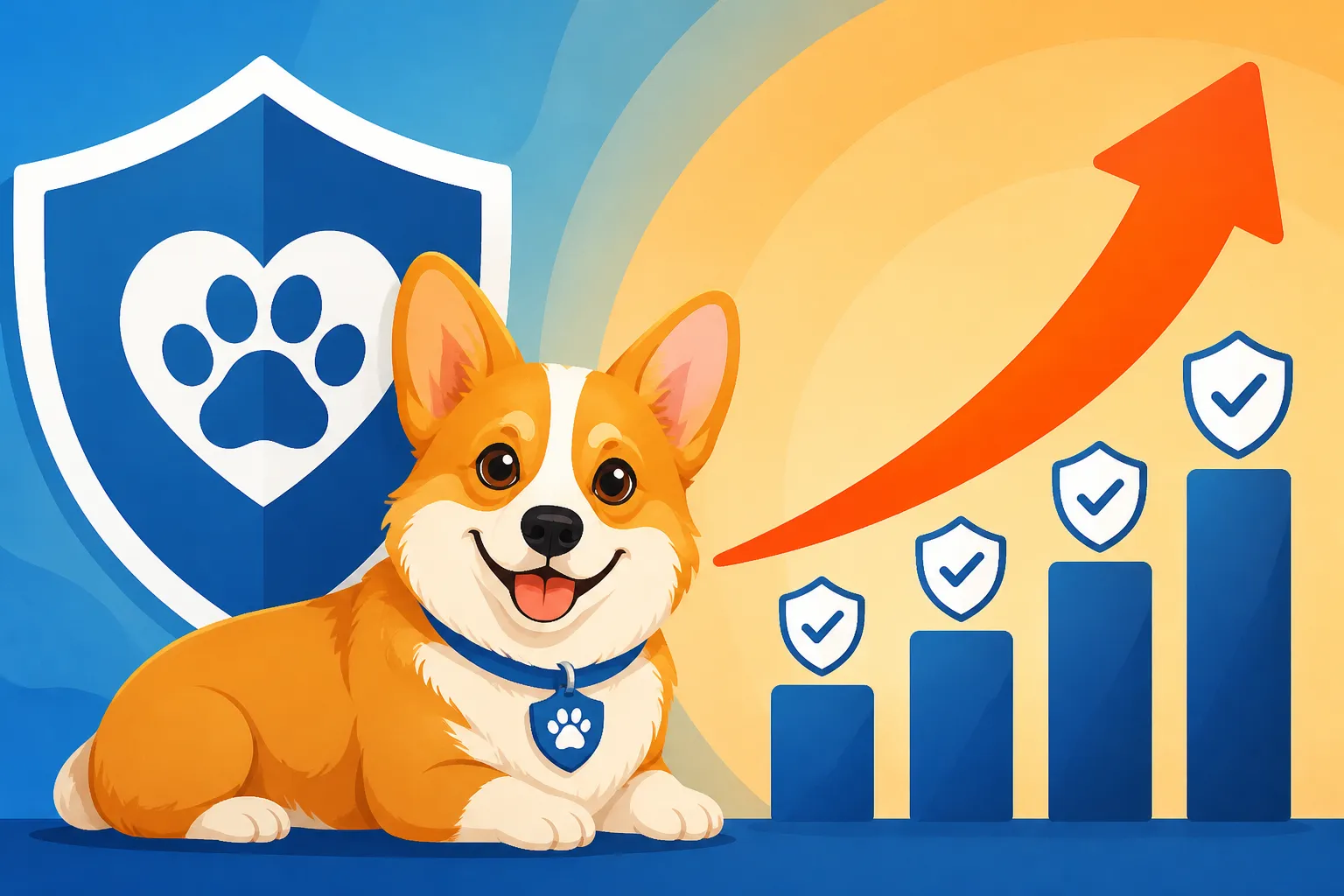
Let's be real, no one likes paying more for something they've already been getting, but with pet insurance, annual increases are, unfortunately, a pretty common part of the landscape. It's not just a random hike; there are usually very tangible reasons behind it. Understanding these factors can help you anticipate and better plan for the financial journey with your Corgi.
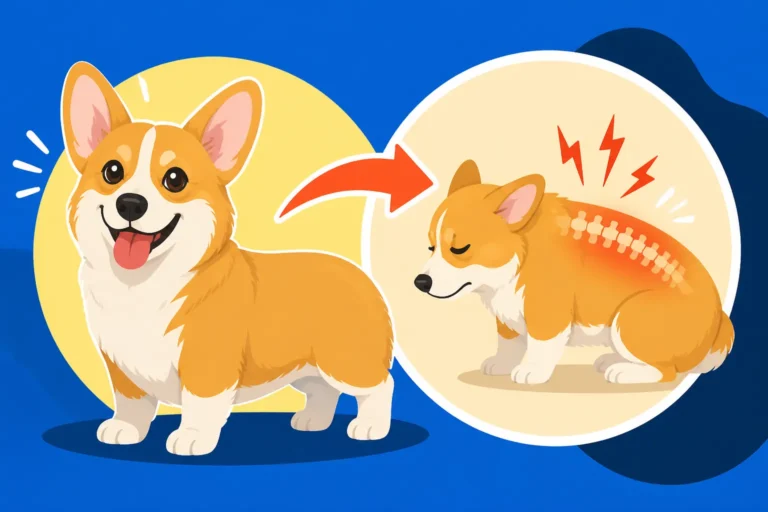
One of the primary drivers of premium increases is the natural aging process of your Corgi. As dogs, much like humans, get older, they become more susceptible to a whole host of health issues. For Corgis, specifically, we know they're prone to certain breed-specific conditions, particularly those affecting their unique long backs. As your Corgi moves into those middle and senior years, the likelihood of needing veterinary care for things like intervertebral disc disease (IVDD) or even more complex conditions starts to climb. Insurance providers factor this increased risk into their calculations, and logically, a higher risk translates to a higher premium. Think of it this way: a healthy, spry two-year-old Corgi has a much lower statistical chance of needing extensive medical intervention than a ten-year-old Corgi.
Beyond your dog's age, the broader economic climate plays a significant role. We're talking about veterinary inflation, which is a very real thing. The cost of medical supplies, specialized equipment, diagnostic tests like MRIs, and even the salaries of highly skilled veterinary professionals continue to rise. When the cost for veterinary clinics to provide care goes up, so does the cost for insurance companies to cover those claims. It's a ripple effect across the entire industry. This isn't unique to Corgis, of course, but it certainly impacts what you'll pay to insure them.
Furthermore, advancements in veterinary medicine, while wonderful for our pets, often come with a hefty price tag. New treatments, cutting-edge surgical techniques, and innovative medications can offer incredible outcomes for conditions that might have been untreatable just a decade ago. For a Corgi diagnosed with a serious ailment, these breakthroughs can be life-changing. However, these specialized interventions are typically expensive, and insurance premiums reflect the increasing availability and utilization of such high-cost care. Companies like Healthy Paws, for example, pride themselves on covering a wide range of treatments, and the ability to offer that comprehensive coverage means adjusting premiums to match the evolving landscape of veterinary science.
Understanding Your Policy: What Influences Your Corgi's Premium Adjustments
Navigating the nuances of pet insurance can feel like trying to read a textbook written in another language, but getting a handle on the specifics of your policy is crucial when those renewal notices arrive. It's not just about the numbers; it's about understanding the mechanisms behind them. Your individual policy choices and even your Corgi's claim history can directly impact how much your premium shifts year to year.
One of the biggest factors is the type of coverage you initially selected. Did you opt for an accident-only policy, which is generally more affordable but very limited in scope? Or do you have a comprehensive accident and illness plan, which covers a much wider array of potential health problems, including breed-specific ones like those debilitating back issues Corgis can face? The more comprehensive your coverage, the more you're already paying, and usually, the larger the potential increases can be, simply because the policy covers more expensive scenarios. It’s also important to remember that policies typically cover new conditions, so if your Corgi develops a chronic illness, it often becomes a pre-existing condition, affecting future claims for that specific ailment but not necessarily making future premiums for new conditions unaffordable. A Slipped Disc as a Pre-Existing Corgi Condition is a great example of a condition that highlights the importance of understanding these terms.
Your deductible and reimbursement rate choices also play a part. When you first signed up, you likely picked a deductible (the amount you pay out-of-pocket before insurance kicks in) and a reimbursement percentage (how much the insurance company pays back after the deductible). Generally, a lower deductible or a higher reimbursement rate means a higher initial premium, and potentially, larger annual increases. If you have a policy with a low deductible and 90% reimbursement, you're asking the insurer to cover a larger portion of your Corgi's medical bills, which inherently carries more risk for them. Providers like Chewy, which sometimes acts as an aggregator for various pet insurance options, often highlight these choices so pet parents can weigh the upfront cost against potential payouts.
While it's not always a direct cause for every annual increase, your Corgi's claims history can, in some cases, influence your renewal premium. If your Corgi has had multiple significant claims in the past year, especially for expensive conditions that might be recurring, the insurer might re-evaluate the risk profile. However, many reputable pet insurance companies aim to offer consistent coverage and don't penalize policyholders purely for utilizing the insurance as intended. It's more about the overall portfolio risk for the insurer and the general trend of veterinary costs. It's wise to review your policy documents carefully or call your provider directly if you have questions about how claims history specifically impacts your annual renewal.
Strategies for Managing Rising Corgi Insurance Costs
The thought of ever-increasing premiums can be daunting, but it doesn't mean you're powerless. There are proactive steps you can take to manage these costs and ensure your Corgi still gets the care they need without breaking the bank. It often involves a bit of research, some tough decisions, and a commitment to preventative health.
One of the most practical strategies is to review your policy meticulously at renewal time. Don't just pay the new premium without glancing at the details. Look at your deductible and reimbursement rate. Would it make sense to increase your deductible slightly to lower your monthly premium? This would mean you'd pay a bit more out-of-pocket if a claim arises, but your regular payments would be more manageable. Similarly, consider if a 70% reimbursement rate is acceptable compared to 80% or 90%. These small adjustments can sometimes make a noticeable difference in your annual cost. It's a balancing act between premium affordability and your personal comfort with potential out-of-pocket expenses.
Shopping around for new quotes is another excellent way to combat rising costs. Just like car or home insurance, pet insurance is a competitive market. What one company charges for your Corgi at age nine might be different from another, even for similar coverage. Many online platforms allow you to get multiple quotes side-by-side, making comparison shopping much easier. You might find a new provider that offers comparable coverage for a lower premium, especially if your current insurer has had significant rate hikes. Just be incredibly careful about switching, particularly if your Corgi has developed any health issues, as these could then be classified as pre-existing conditions by the new insurer and not covered. This is why Insuring a Corgi Before Its First Back Episode is so important.
Preventative care is your best friend when it comes to managing long-term costs. While insurance covers unforeseen accidents and illnesses, maintaining your Corgi's general health can reduce the frequency and severity of claims. This includes regular vet check-ups, keeping your Corgi at a healthy weight (which is vital for their back!), providing appropriate exercise, and ensuring a high-quality diet. Obesity, for instance, dramatically increases the risk and severity of conditions like IVDD. A Corgi on a healthy diet, perhaps even with thoughtfully chosen fresh food options like those offered by Ollie, combined with regular, moderate exercise, is less likely to face unexpected health crises, ultimately leading to fewer claims and potentially more stable premiums. You can read more about preventative health in articles like The Vet Visits a Corgi Puppy Needs First.
Here's a quick comparison of common reasons for premium increases and potential mitigation strategies:
| Reason for Premium Increase | Description | Mitigation Strategy | Potential Impact |
|---|---|---|---|
| Corgi's Age | Older dogs have higher health risks and more frequent claims. | Review deductible/reimbursement, shop around, maintain health. | Lower monthly cost, higher out-of-pocket for claims. |
| Veterinary Inflation | Rising costs of veterinary services, equipment, and medications. | Shop around annually, compare new provider rates. | Potentially find a better rate elsewhere. |
| Medical Advancements | New, often expensive, treatments become available. | Focus on preventative care, consider higher deductibles. | Fewer claims, reduced monthly outlay. |
| Claims History | Frequent or expensive claims may increase perceived risk. | Prioritize preventative care, explore wellness plans. | Fewer future claims, potentially stable premiums. |
| Insurance Company's Portfolio Risk | Overall risk assessment across all insured pets. | Research companies with stable premium increase histories. | Choose a provider with more predictable increases. |
Consider creating a dedicated "Corgi Emergency Fund" if you're comfortable self-insuring for smaller issues or covering higher deductibles. Even with insurance, having a buffer for unexpected costs can be incredibly valuable. This fund can cover minor issues that don't meet your deductible, or contribute to co-pays and deductibles on larger claims. Many Corgi owners find peace of mind in having both insurance and a savings cushion. Don't forget, The Fund a Corgi Owner Needs Before the Back Goes can save you a lot of stress during a crisis.
Long-Term Outlook for Insuring Your Beloved Corgi
Looking ahead, it's clear that pet insurance is an evolving landscape, and for Corgi owners, it's a critical consideration given the breed's predispositions. While annual premium increases can be a source of frustration, maintaining continuous coverage and understanding the long-term value can be incredibly beneficial.
The primary benefit of pet insurance, especially for a breed like the Corgi, is the peace of mind it offers when faced with a sudden illness or accident. When your Corgi is in pain or critically ill, the last thing you want to be doing is agonizing over the cost of treatment. Insurance allows you to focus on getting your dog the best possible care, rather than making decisions based purely on your wallet. This is particularly true for emergency situations like Emergency Signs of a Corgi Disc Injury, where immediate, expensive care might be required.
The value of early enrollment simply cannot be overstated. Getting a policy for your Corgi when they are a puppy or a young adult, before any significant health issues arise, is the golden ticket. Once a condition manifests and is diagnosed, it's typically considered "pre-existing" and will be excluded from coverage by new policies. This means that if you wait until your Corgi starts showing signs of back trouble at age six or seven, any new policy you try to purchase won't cover those specific issues. This is why it's so important to have coverage in place before conditions like IVDD become apparent. Understanding What a Corgi Costs a Year Before Any Back Trouble helps put the initial investment into perspective.
While premiums may rise, pet insurance remains a powerful tool in managing the often unpredictable and substantial costs of veterinary care, especially as your Corgi ages. It’s an investment in their health and your financial stability. For those with a Corgi, knowing that you have a safety net for those significant medical bills, which can easily run into thousands for surgeries or ongoing treatments, can make all the difference. It's about budgeting for a predictable monthly cost rather than facing a potentially devastating, unpredictable one. Some people might wonder Whether a Savings Account Beats Corgi Insurance, and while a savings account is excellent, insurance can protect against catastrophic costs that rapidly deplete even a well-funded emergency fund.
Ultimately, while you should expect to see your Corgi's pet insurance premiums increase each year, especially as they mature, you're not without options. By staying informed, actively managing your policy, and prioritizing preventative care, you can ensure your furry friend continues to receive excellent medical attention throughout their happy, healthy life.
Disclaimer
This article is for general informational purposes only and does not constitute professional advice. Laws, prices and regulations vary by location and change over time. Consult a qualified professional for guidance on your specific situation.