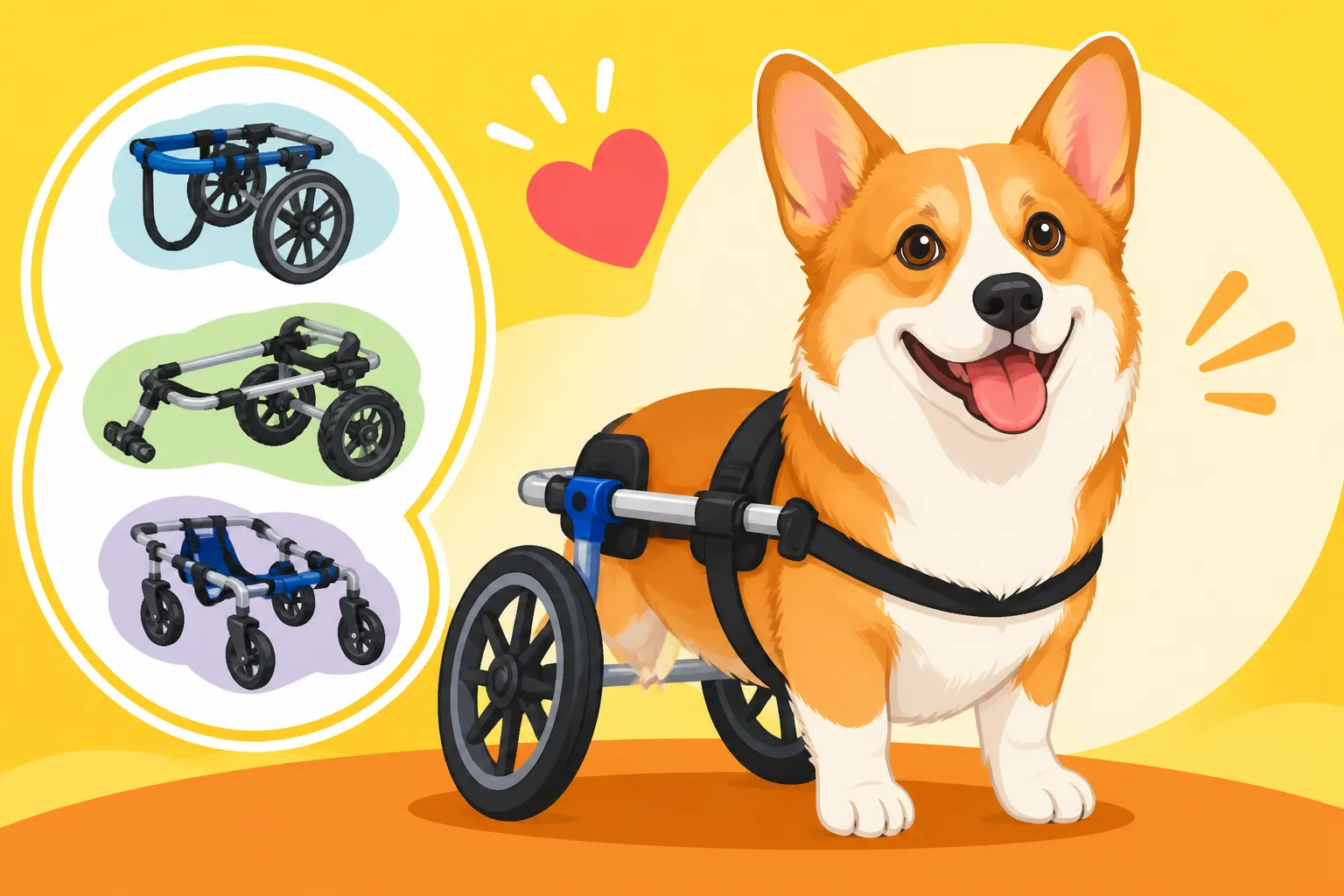
Carts and Wheels for a Corgi With DM
The day you notice your spirited Corgi dragging a back paw, stumbling, or losing their balance, your heart sinks. It’s a painful realization that something is fundamentally changing with their mobility, and for many Corgi owners, this is the dreaded first sign of Degenerative Myelopathy (DM). When the time comes that their legs just can't keep up with their indomitable spirit, finding the right mobility solution becomes paramount to preserving their joy and independence. This comprehensive guide will walk you through everything you need to know about carts and wheels for your Corgi battling DM.
Understanding Degenerative Myelopathy in Corgis
Degenerative Myelopathy (DM) is a cruel, progressive neurological disease that affects the spinal cord, particularly in the thoracic (mid-back) region. It's often compared to ALS in humans because it slowly strips away a dog's ability to walk, eventually leading to paralysis. For Corgi parents, the fear of DM is very real, as Pembroke Welsh Corgis are particularly predisposed to carrying the gene associated with this condition. The thought of your vibrant, low-rider companion losing the use of their legs is truly heartbreaking, and it leaves many of us feeling utterly helpless.
The Progression of DM in Corgis
DM starts subtly, often with mild weakness in the hindquarters. You might first notice your Corgi scuffing their back nails, especially on walks, or they might seem a little wobbly when standing up. This isn't usually associated with pain, which can be a double-edged sword; while it's a relief they aren't hurting, the lack of pain can sometimes delay a definitive diagnosis, as other painful conditions like disc disease might be ruled out first. As the disease advances, that hind leg weakness progresses to ataxia – a loss of coordination. Your Corgi might cross their back legs, struggle to keep balance, or find it difficult to stand after lying down. Eventually, it leads to full paralysis of the hind limbs.
The journey through DM can be incredibly frustrating for both Corgi and owner. Our Corgis are intelligent, active little dogs, and to see their minds and spirits remain eager while their bodies fail them is truly devastating. The typical age Corgi myelopathy usually starts is often between 8 and 14 years old, though it can appear earlier or later. It's a progressive disease, meaning it will continue to worsen over time, but the rate of progression can vary significantly from one dog to another. This unpredictable timeline is one of the many challenges owners face.
When to Consider a Mobility Aid
Deciding when to introduce a mobility aid like a cart is a deeply personal and often difficult decision. It’s not about giving up; it’s about adapting and enhancing your Corgi's quality of life. The time is usually right when your Corgi's hind legs are no longer able to support their weight consistently. This could manifest as constant falling, severe wobbling, or the inability to stand for more than a few moments.
One of the key indicators is when your Corgi’s desire to move and engage with the world outweighs their physical capacity. If they still want to chase a ball, explore the yard, or greet you at the door, but their legs are failing, a cart can give them that independence back. Introducing a cart can also prevent secondary issues such as muscle atrophy from disuse, which can happen quickly in the hind limbs. It also helps avoid pressure sores that can develop when a dog spends too much time lying in one position, unable to shift themselves. Ultimately, the goal is to keep them active, happy, and mentally stimulated for as long as possible. Many owners find that the months between a Corgi's first stumble and needing a cart can be highly variable, but staying proactive about their mobility is always best.
Types of Mobility Carts and Wheels for Corgis
When you're looking into mobility aids, it can feel like a whole new world of equipment. Don't worry, it's not as overwhelming as it might seem. For Corgis dealing with DM, the focus is generally on wheels that support their specific needs, allowing them to remain as active as possible.
Rear-Support Carts
Rear-support carts, often called two-wheel carts, are the most common type of mobility aid for Corgis with DM. These carts are specifically designed to support the hindquarters, lifting the back legs off the ground while allowing the front legs to remain free to propel the dog forward. Think of it like a bicycle for dogs, but with the power coming from their front legs.
The benefits of these carts are immense. They give your Corgi back a crucial sense of independence. They can walk, run (yes, some still do!), and explore again, which is vital for their mental and physical well-being. This freedom allows them to continue with daily routines, get much-needed exercise, and maintain a higher quality of life. Owners often report a renewed spark in their Corgi’s eyes once they master their wheels. However, there can be challenges. Learning to maneuver in a cart takes time and patience. Your Corgi will need to adjust to turning, navigating doorways, and sometimes they might get stuck if they misjudge a corner. It’s a learning curve, but with consistent, positive reinforcement, most Corgis adapt beautifully. These carts also require strong front limbs, so they are best suited for Corgis where the DM has primarily affected the back legs and the front remains robust.
Full-Support Quad Carts
Sometimes, DM can progress to a point where all four legs are affected, or perhaps your Corgi has additional conditions that impact their front leg strength, like early arthritis in a Corgi. In these cases, a full-support, or quad, cart becomes necessary. These carts provide support for both the front and back legs, giving your Corgi comprehensive stability.
A full-support cart typically involves a wider frame and four wheels, offering maximum support. While it provides stability for dogs with compromised front and hind limb strength, it's also more restrictive than a two-wheel cart. The dog has less ability to use their own legs for propulsion, relying more on the cart's design and sometimes on a bit of guidance from you. They tend to be heavier and can be harder for the dog to maneuver themselves, especially in tight spaces. However, for a Corgi who has reached an advanced stage of DM and needs significant assistance to simply stand or move, these carts are invaluable. They can prevent further muscle wastage, help with pressure points, and still allow for outdoor excursions, ensuring your Corgi remains part of family activities.
Custom Versus Off-the-Shelf Options
When it comes to purchasing a cart, you'll encounter a choice between custom-made and off-the-shelf options. Each has its pros and cons, and the best choice depends on your Corgi's specific needs, the progression of their DM, and your budget.
Custom carts are precisely built to your Corgi's measurements, ensuring a perfect, snug fit. This custom fit means better balance, enhanced comfort, and often more specialized features, like unique harness designs to prevent chafing or specific wheel types for certain terrains. Companies like Eddie's Wheels are renowned for their custom craftsmanship, working closely with owners and vets to create tailored solutions. The main advantages are superior comfort and fit, which can be critical for a long-term mobility solution. The downside is that they are generally more expensive and take longer to produce.
Off-the-shelf carts, offered by companies such as Walkin' Pets, are designed with adjustability in mind. They come in various sizes and can be adjusted in height, length, and width to accommodate different dog breeds and sizes. Their main appeal is affordability and quick availability. If your Corgi needs a cart quickly or you're on a tighter budget, these can be an excellent option. They also work well for temporary use or if your Corgi's condition is still changing. While they might not offer the absolute perfect fit of a custom cart, many Corgis thrive in them, especially with careful measurement and adjustments. You might find that some pet insurance providers, like Healthy Paws, could offer some reimbursement for these essential mobility aids, helping ease the financial burden.
Choosing the Right Cart for Your Corgi
Selecting the perfect set of wheels for your beloved Corgi is a critical step in their DM journey. It’s not a one-size-fits-all situation, and taking the time to consider all factors will ensure comfort, safety, and maximum enjoyment for your furry friend.
Measuring and Sizing Considerations
Getting the measurements right is absolutely paramount, especially for a Corgi with their unique body shape – long back, short legs, and deep chest. A poorly fitted cart can cause discomfort, skin abrasions, and even hinder your Corgi’s ability to move effectively. You'll typically need measurements for:
- Height to the top of the back: From the ground to the top of their shoulder blade when standing naturally (or as close to it as possible).
- Length: From the front of their chest to the rear of their hind legs.
- Width: The widest part of their body.
- Weight: This helps ensure the frame can support them.
Always use a flexible tape measure and ideally, have another person help you keep your Corgi still. Many manufacturers provide detailed measuring guides and videos, which are incredibly helpful. Remember, Corgis are prone to spinal issues, so any pressure points or improper alignment from a poorly fitted cart could exacerbate existing problems or create new ones. Consulting with your veterinarian or a veterinary physical therapist can be invaluable here. They can help ensure you get the most accurate measurements and advise on the best cart style for your Corgi's specific stage of DM.
Important Features and Accessories
Beyond just size, various features and accessories can make a significant difference in your Corgi's comfort and your ease of use:
- Wheels: Consider where your Corgi will be using the cart. Large, all-terrain wheels are great for outdoor adventures, parks, and even light trails. Smaller, indoor wheels are better for smooth floors and navigating tighter spaces within the home. Some carts offer interchangeable wheels, providing versatility.
- Harness Design: This is crucial for comfort. Look for padded harnesses that distribute weight evenly and avoid putting pressure on sensitive areas, especially the spine or armpits. Adjustable straps are a must to ensure a snug, secure fit without chafing. Some Corgis might also benefit from a "comfort sleeve" for the harness straps.
- Adjustability: As DM progresses or your Corgi gains confidence, you might need to make small adjustments. Look for carts that allow for easy changes in height, length, and even the angle of the leg stirrups. This ensures the cart can adapt to your Corgi's changing needs over time.
- Leg Slings/Stirrups: For dogs whose back legs dangle, stirrups keep their feet from dragging and getting injured. Ensure these are easily adjustable and comfortable.
- Portability: If you plan on taking your Corgi in their cart frequently, consider how easily it assembles, disassembles, or folds for transport in your car. A lightweight design is also a plus for lifting.
- Additional Support: Some carts offer belly bands or additional support straps for dogs with weaker core muscles or a very long back.
Acclimating Your Corgi to Their New Wheels
This part requires immense patience and positive reinforcement. Don't expect your Corgi to hop in and zoom off immediately!
- Introduce it gradually: Let your Corgi sniff the cart, associate it with treats and praise. Don't try to put them in it right away.
- Short, positive sessions: Start with very brief sessions, just a minute or two, allowing them to wear the harness part of the cart before attaching the wheels.
- First steps: Once they're comfortable with the harness, attach the wheels and try to get them to take a few steps. Offer irresistible treats and enthusiastic praise for every tiny movement forward.
- Practice in a familiar, quiet space: A grassy, flat area in your yard is ideal. Avoid busy or noisy environments for initial training.
- Be their cheerleader: Your enthusiasm and calm demeanor will be infectious. If you're stressed, they'll pick up on it.
- Supervision is key: Always supervise your Corgi in their cart, especially in the beginning. Watch for signs of fatigue, discomfort, or frustration. Never leave them unattended in the cart.
Remember, this is a big change for them. Some Corgis take to their carts like a duck to water, while others need weeks of consistent, gentle training. The key is to make it a positive experience, every single time. And don’t be afraid to take breaks if your Corgi seems overwhelmed.
Living with a Corgi in a Mobility Cart
Bringing a mobility cart into your Corgi's life is a game-changer, but it also means making some adjustments around the house and in your daily routines. It's all about making their world as accessible and comfortable as possible.
Daily Routines and Environmental Adjustments
Once your Corgi is cruising in their cart, you'll find that some practicalities need addressing:
- Navigating the home: Corgis are low to the ground, and in a cart, they might struggle with tight doorways or getting around furniture. Consider moving items to create wider pathways. If you have stairs, ramps and steps that save a Corgi's back are now non-negotiable for any areas your Corgi needs to access, even with a cart. Remember, a cart isn't a magical solution for climbing, and lifting a Corgi in a cart can be unwieldy and potentially harmful to both of you.
- Potty breaks: Most well-designed carts allow your Corgi to relieve themselves while still in the cart. The rear harness typically has an opening or is designed to keep the private parts clear. However, sometimes splashes or misses can happen, so ensure you have cleaning supplies handy, especially for outdoor walks. Keeping them clean is paramount, particularly if they also experience incontinence in a Corgi with DM.
- Exercise and Play: A cart doesn't mean the end of fun! Your Corgi can still enjoy walks, slow runs, and even some supervised play. Encourage them to move at their own pace. Fetch with softer, lighter toys can still be a joyful activity. The mental stimulation from being able to explore again is incredibly beneficial.
- Hygiene and Skin Checks: Regularly check the areas where the harness touches your Corgi's body for any signs of chafing, redness, or sores. A Corgi's thick coat can sometimes hide these issues until they become severe. Keep the harness clean, and if needed, use veterinary-approved powders or creams to prevent skin irritation. Daily grooming, especially around the harness contact points, is essential.
Financial Aspects and Support
Let's be real, investing in a mobility cart is a financial commitment. The cost can vary widely, from a few hundred dollars for a basic off-the-shelf model to well over a thousand for a custom-built, specialized cart. This doesn't even include potential ongoing costs like replacement parts or additional accessories.
This is where pet insurance can truly be a lifesaver. If you have a policy, especially one from a provider like Healthy Paws, check to see if mobility aids are covered. Many comprehensive plans will offer some reimbursement for equipment deemed medically necessary by a vet. Enrolling a Corgi before its back goes or before a DM diagnosis is crucial, as pre-existing conditions are typically excluded. If your Corgi is already diagnosed, unfortunately, it will likely be considered pre-existing. However, it's always worth reviewing your policy or contacting your provider directly to understand what's covered for future expenses related to your Corgi's changing health needs.
If pet insurance isn't an option, don't despair. Many organizations and charities offer financial assistance for mobility aids for pets. Local breed-specific rescues, like the Pembroke Welsh Corgi Club of America, might have resources or know of programs. Veterinary offices often have information on grants or payment plans. Additionally, platforms like GoFundMe can help raise funds within your community. Remember, ensuring your Corgi's comfort and mobility is a priority, and there are resources available to help you.
Maintaining Your Corgi's Overall Well-being
A cart is a fantastic tool, but it's just one part of a holistic approach to caring for a Corgi with DM.
- Continued Veterinary Care: Regular vet check-ups are more important than ever. Your vet will monitor the progression of DM, assess for any secondary issues, and adjust any necessary medications, like pain relief for an old Corgi's back, as DM itself isn't painful, but secondary issues from altered gait or muscle strain can be. They can also advise on mobility aids for a Corgi that cannot walk.
- Physiotherapy and Hydrotherapy: These therapies can significantly help maintain muscle tone, flexibility, and overall comfort. Physiotherapy for a Corgi losing its legs can include gentle exercises and stretches that keep the remaining muscles strong and prevent stiffness. Hydrotherapy, performed in water, takes weight off the joints and allows for a greater range of motion, which can be incredibly beneficial.
- Mental Stimulation: Don't let their physical limitations diminish their spirit. Corgis are clever dogs and need mental enrichment. Puzzle toys, scent work games (like hiding treats for them to find), and interactive play are great ways to keep their minds sharp and engaged.
- Nutrition and Weight Management: Maintaining an ideal weight is always critical for Corgis, especially when their mobility is compromised. Why Corgi weight is a spinal problem is well-documented, and any extra weight puts undue strain on their body, even in a cart. Your vet can recommend a diet tailored to their reduced activity levels to help prevent unwanted weight gain.
- Monitoring for Other Health Issues: As Corgis age, they become susceptible to various health conditions. Keep an eye out for issues beyond DM, such as those related to Corgi hips and front-end structure, or general signs of aging that can affect the Corgi years when the back end gives out. Early detection of any new problems ensures timely treatment.
Caring for a Corgi with DM is a journey filled with love, challenge, and immense reward. With the right cart and dedicated care, your Corgi can continue to enjoy a fulfilling and active life, proving that a little bit of help can go a long way in keeping their spirits high.
Disclaimer
This article is intended for informational purposes only and does not constitute veterinary advice. Always consult with a qualified veterinarian for any health concerns or before making decisions about your Corgi's care.