Groomers Who Suggest Shaving a Corgi
It’s a scenario many Corgi owners have faced: you take your beloved fluffy friend to the groomer, expecting a nice bath and deshedding, only to be met with the suggestion, "Why don't we just shave them down? It'll keep them cool and cut down on shedding!" It’s utterly frustrating, because deep down you’ve heard that shaving a double-coated breed isn't a good idea, but coming from a professional, it can make you second-guess yourself. This guide will walk you through why shaving a Corgi is generally discouraged, what happens to their unique double coat when it's shaved, and how you can properly care for your Corgi's coat without resorting to the clippers.
The Misguided Advice to Shave a Corgi
It’s completely understandable why a groomer might think shaving a Corgi is a good idea, especially with the best intentions for the dog’s comfort. On the surface, it seems logical: less hair equals cooler dog, right? And surely less hair means less shedding around the house. But when it comes to a Corgi’s incredible double coat, logic often gets turned on its head. Understanding the unique design of their fur is the first step to realizing why those clippers should stay far away from your Corgi's skin.
Understanding the Corgi's Double Coat
Your Corgi isn't just fluffy; they're equipped with a remarkable natural thermostat and protective shield built right into their fur. This "double coat" is precisely what makes Corgis so resilient to various weather conditions and why they don't typically do well with a close shave.
Imagine two distinct layers working in harmony. The outer layer, known as the guard coat, consists of coarser, longer hairs. These hairs are designed to be water-resistant, protecting the Corgi from rain, snow, and even harsh sunlight. They're also quite tough, helping to shield your dog's delicate skin from scrapes and insect bites as they go about their day, perhaps chasing squirrels or, in their ancestral past, herding cattle low to the ground. Then, underneath this protective outer shell, lies the undercoat. This layer is much softer, denser, and incredibly insulating. It's like having a built-in down jacket in winter to keep them warm, and a natural air-conditioning system in summer to keep them cool by trapping a layer of air against their skin, preventing overheating. When a Corgi sheds, it's primarily this undercoat that's being released, making way for new growth and seasonal adjustments. This is why you'll find yourself battling How Much Hair a Twenty-Eight Pound Corgi Drops during certain times of the year.
Common Reasons Groomers Suggest Shaving (and Why They're Flawed)
It's truly a common misconception, even among some grooming professionals, that shaving a Corgi is a helpful solution. Let's break down the typical arguments you might hear and why they don't hold up for a double-coated breed.
Firstly, the argument of "It'll keep them cool!" is probably the most frequent. The thought process is simple: less fur, more airflow, cooler dog. However, as we just discussed, the Corgi's double coat is actually designed to insulate. In warm weather, the guard hairs and airy undercoat create a barrier that helps prevent the sun's harsh rays from reaching their skin, and also traps cool air, acting as a natural air conditioner. When you shave this off, you remove that protective barrier, exposing their skin directly to the sun and heat. This can actually make your Corgi hotter and put them at a higher risk for heatstroke and sunburn. It’s like removing the insulation from your house in summer thinking it will be cooler inside. Whether a Corgi's Coat Helps in Summer is a question many owners ponder, and the answer is a resounding yes!
Secondly, you might hear, "It'll reduce shedding!" While it's true that for a short period after a shave, you might see fewer tumbleweeds of fur rolling across your floor, this is often a temporary illusion. The Corgi's body will still produce hair, and when the coat grows back, it often comes in unevenly, with the softer undercoat sometimes growing faster and thicker than the coarser guard hairs. This can lead to a host of new problems, including a dull, patchy coat that sheds just as much, if not more, than before.
Finally, some groomers might suggest shaving due to severe matting, claiming "It's easier to manage matting!" While shaving is sometimes necessary in extreme cases of matting for the dog's welfare and comfort, it should be a last resort, not a preventative measure or regular practice. Severe matting can be incredibly painful, restricting movement and pulling on the skin. However, regular, proper grooming can prevent most matting. Shaving a double coat without addressing the underlying grooming issues can lead to the coat growing back even more prone to matting, creating a vicious cycle that ultimately damages the coat quality long-term.
The Detrimental Effects of Shaving a Corgi's Double Coat
When you shave a Corgi, you're not just giving them a haircut; you're fundamentally altering the intricate natural system their body relies on for protection and temperature regulation. The consequences can range from merely aesthetic to genuinely harmful to their health and well-being. It’s a decision that, once made, can take a long time to rectify, if it can be fully rectified at all.
Damage to the Coat's Structure and Function
The Corgi's double coat is a marvel of natural engineering, and shaving it disrupts this delicate balance in several ways, often with long-lasting effects. One of the most common and disheartening outcomes is what's often referred to as "clipper alopecia" or coat damage. When the guard hairs are shorn, they can be damaged at the follicle level, leading to uneven regrowth. You might find that the coarse guard hairs struggle to grow back at all, or they return in a patchy, thinner fashion. Meanwhile, the soft undercoat, which is designed to grow quickly and densely, often comes back thicker and faster, overwhelming the guard hairs. This results in a coat that feels more like cotton, lacks its natural sheen, and looks perpetually unkempt. The Patchy Regrowth on a Clipped Corgi is a very real and often permanent consequence.
Beyond the cosmetic changes, the functional integrity of the coat is severely compromised. Remember that natural air conditioning system? It’s gone. Without the guard hairs protecting the sensitive skin and the undercoat insulating, your Corgi becomes far more susceptible to the elements. In the summer, their skin is directly exposed to harmful UV rays, increasing their risk of sunburn and even skin cancer. This can be particularly dangerous for Corgis with lighter coats or pinker skin. In the winter, they lose their natural warmth, making them colder and more vulnerable to hypothermia, requiring you to dress them in sweaters or jackets for even short outdoor excursions, which wasn't necessary before. This loss of natural protection means more reliance on artificial aids and a higher risk of health issues stemming from environmental exposure.
Increased Shedding and Matting in the Long Run
It seems counterintuitive, doesn't it? You shave to reduce shedding, but you might actually make it worse in the long run. When a Corgi's double coat is shaved, the undercoat often grows back faster and thicker than the guard hairs. This new growth can be incredibly dense and unruly, making it much more prone to matting close to the skin. These mats can be painful, restricting movement and even causing skin infections if moisture gets trapped underneath. It becomes a vicious cycle: the coat grows back thick and tangly, making regular brushing difficult, which in turn leads to more matting, and then the owner might be tempted to shave again.
Furthermore, the texture of the regrown coat can be a nightmare to manage. It loses its natural smooth, resilient quality and often becomes duller, softer, and more prone to static and tangles. This altered texture means that when the Corgi does shed (which they absolutely will, because shaving doesn't stop hair growth), the shed hair becomes even more embedded in the new, cottony undercoat, making it harder to brush out. You might find yourself having to brush more frequently just to keep up, or even experiencing more noticeable shedding because the compromised coat can't release the dead hair as effectively as a healthy, intact double coat.
Better Alternatives to Shaving for Corgi Comfort and Coat Health
So, if shaving is out, what can you do to keep your Corgi comfortable, cool, and shed-free, especially when it feels like they’re leaving a whole new dog on your floor every day? The answer lies in understanding and implementing proper grooming techniques that work with their natural coat, not against it. It's about maintenance, not removal.
Effective Deshedding and Regular Grooming
The best defense against shedding and discomfort for a Corgi is a consistent, proactive grooming routine. This means dedicating time to regular brushing at home and utilizing professional deshedding treatments.
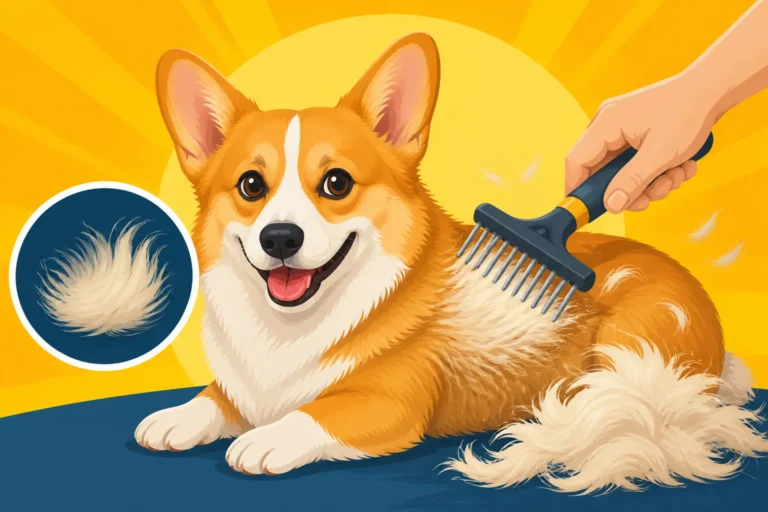
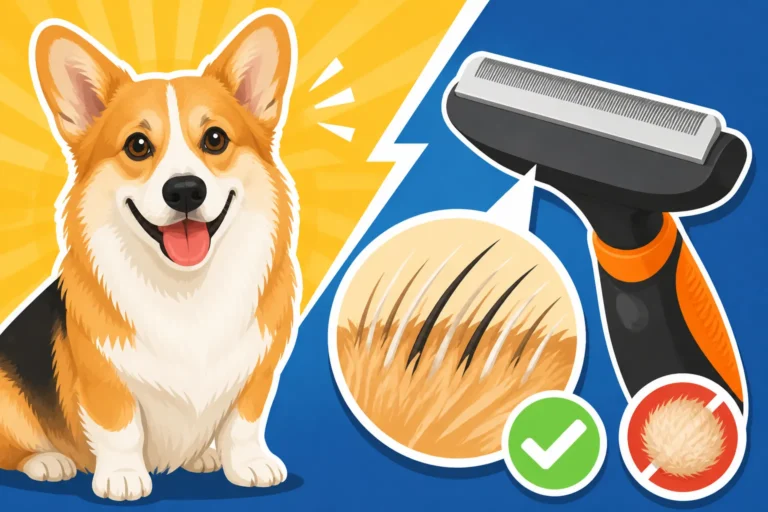
For home care, invest in the right tools. A good quality undercoat rake is invaluable for getting down into that dense undercoat and removing loose, dead hair before it has a chance to fall out all over your furniture. A slicker brush can help detangle and smooth the guard hairs, while a sturdy metal comb can check for any hidden mats, particularly behind the ears, in the "armpits," or around their fluffy hindquarters. Aim for at least a few thorough brushing sessions a week, and during heavy shedding seasons (typically spring and fall, but Corgis truly shed year-round), daily brushing might be necessary. You can find excellent options for these tools on online retailers like Amazon or specialized pet stores like Chewy. This consistent effort will significantly reduce the amount of loose hair migrating to your carpets and clothes, and it will also stimulate blood flow to the skin, promoting a healthier coat.
Beyond daily brushing, professional deshedding treatments are a game-changer. These involve specialized shampoos, conditioners, and high-velocity dryers that help loosen and blow out vast quantities of dead undercoat without ever touching a clipper blade. A skilled groomer who understands double coats will be able to perform this service safely and effectively, leaving your Corgi feeling lighter and much more comfortable. These treatments don't just reduce shedding; they also improve air circulation close to the skin, which contributes to your Corgi's overall comfort, especially in warmer weather.
Managing Heat and Comfort Without Clipping
Keeping your Corgi cool and comfortable, especially during hot spells, doesn't require shaving their protective coat. Instead, focus on strategies that support their natural thermoregulation and minimize heat exposure.
Firstly, ensure your Corgi always has access to fresh, cool water. Consider adding ice cubes to their bowl or using a pet fountain to encourage drinking. Creating shaded areas in your yard or ensuring they have cool spots indoors is also critical. Cooling mats, readily available on Amazon, can be a fantastic way to provide a cool surface for them to lie on, helping to draw heat away from their body. These are often gel-filled and activated by pressure or simply by being cooler than ambient air.
Adjust your exercise routine to avoid the hottest parts of the day. Early morning and late evening walks are much safer and more comfortable for your Corgi. Always check the pavement temperature with your hand before you go out – if it's too hot for your bare hand, it's too hot for their paws. During walks, stick to shaded paths and bring water with you. For a deeper dive into this, you might find our article How a Corgi Handles Hot Weather incredibly helpful. Beyond physical activity, engaging your Corgi in mentally stimulating games indoors can burn energy without overheating them. Puzzle feeders, such as those that require them to work for their kibble (which could even be portions of fresh food like Ollie), can be great for this.
Finally, while it seems counterintuitive, a well-maintained, brushed-out double coat is actually more effective at keeping your Corgi cool. By regularly removing the dead undercoat, you allow for better air circulation and prevent the coat from becoming a dense, stifling blanket. This allows their natural cooling mechanisms to work as intended.
Finding a Knowledgeable Corgi Groomer
The difference between a positive grooming experience that supports your Corgi's health and one that leaves you with regrets often comes down to the groomer's understanding of double coats. It's not always easy to find someone who truly "gets" Corgis, but it’s absolutely worth the effort.
What to Look for in a Corgi-Savvy Groomer
When you're entrusting your Corgi to a professional, you want assurance that they understand the unique needs of a double-coated breed. Here's what to look for:
First and foremost, inquire about their experience with double-coated breeds like Corgis, Siberian Huskies, or Golden Retrievers. A groomer who routinely works with these dogs will be familiar with their coat structure and the best techniques for maintaining it. Ask them directly about their philosophy on shaving double-coated dogs. A red flag should go up if a groomer immediately suggests shaving for shedding or cooling without first recommending a thorough deshedding treatment. A knowledgeable groomer will educate you on the benefits of keeping the coat intact and will be prepared to explain the risks of shaving.
Look for a groomer who emphasizes "deshedding" services rather than just "shave-downs" for double coats. They should have specialized tools and techniques for safely and effectively removing loose undercoat. This includes using appropriate shampoos, high-velocity dryers, and undercoat rakes specifically designed to pull out dead hair without damaging the healthy guard hairs. During your initial consultation, observe their facility. Is it clean and well-organized? Are the dogs being handled gently and with care? Trust your gut feeling about the overall atmosphere and the groomer's demeanor.
Advocating for Your Corgi's Coat
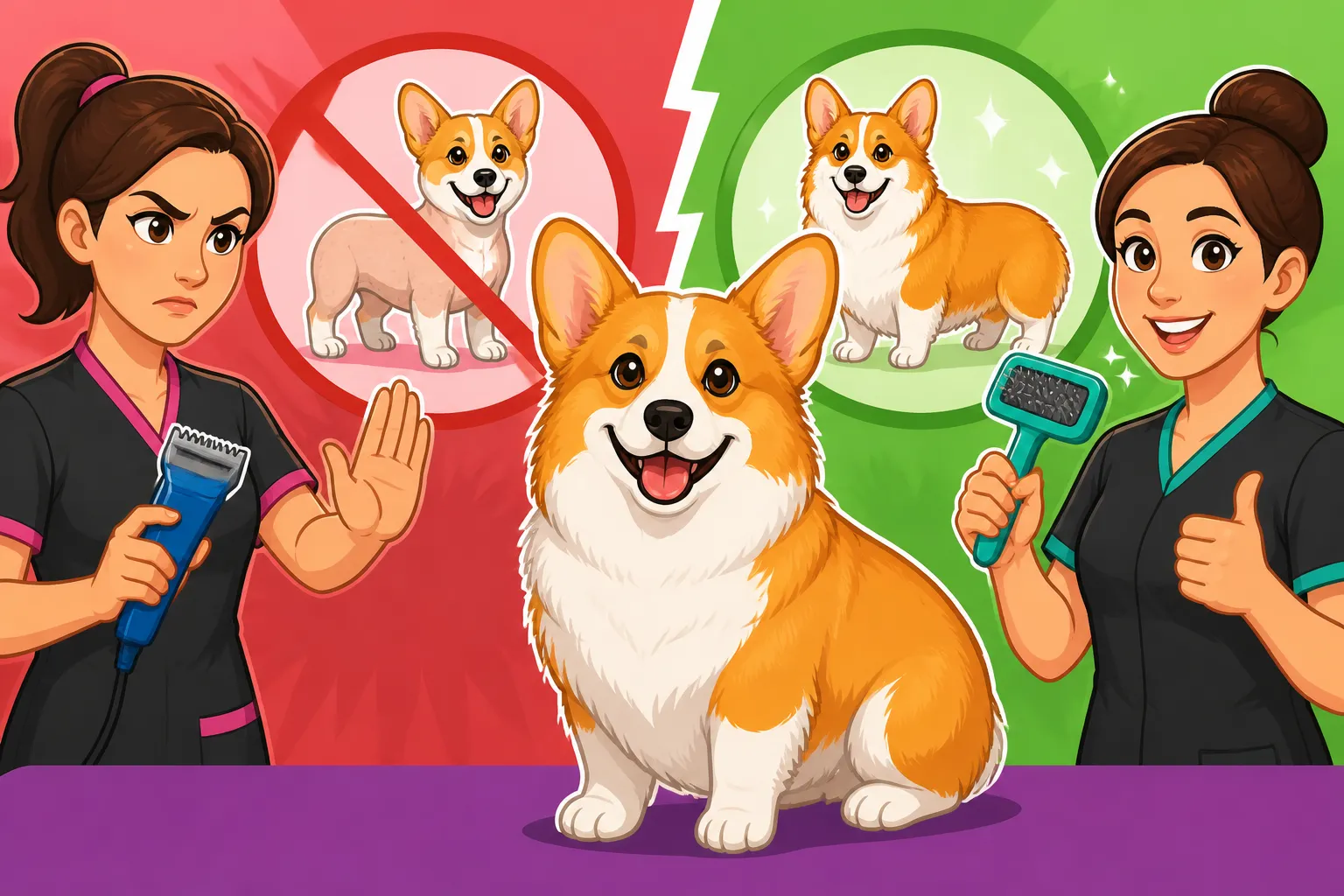
As a Corgi owner, you are your dog's best advocate. Don't be afraid to politely but firmly decline a groomer's suggestion to shave your Corgi. It's your right to make informed decisions about your dog's care.
If a groomer suggests shaving, calmly explain that you understand the intention, but you prefer to maintain your Corgi's natural double coat due to its importance for insulation and protection. Ask them what other options they offer for deshedding and coat management. A truly professional groomer will respect your decision and be able to provide alternative services. If they insist on shaving or become dismissive of your concerns, it’s a clear sign that they may not be the right groomer for your Corgi. There are many talented groomers out there who specialize in double-coated breeds and understand how to manage them without resorting to clippers. Don't hesitate to seek out recommendations from other Corgi owners in your community or online forums. Education is your most powerful tool. The more you understand about your Corgi's unique coat, the better equipped you'll be to make decisions that keep them healthy and happy.
| Feature | Shaving a Corgi's Double Coat | Proper Deshedding & Grooming |
|---|---|---|
| Initial Appearance | Short hair, possibly patchy. | Coat remains its natural length and appearance. |
| Insulation | Compromised; increased risk of overheating/cold. | Maintained; provides natural cooling in summer, warmth in winter. |
| Skin Protection | Reduced; higher risk of sunburn, insect bites, scrapes. | Maintained; natural barrier against elements. |
| Shedding (Short-Term) | Appears reduced initially. | Immediately reduces loose hair, less shedding around the house. |
| Shedding (Long-Term) | Can increase due to uneven/thick undercoat regrowth; harder to manage. | Consistently managed; easier to brush out shed hair. |
| Coat Health | Risk of "clipper alopecia," dullness, altered texture. | Promotes healthy growth, shine, and natural texture. |
| Matting | May be done to remove mats, but can lead to worse matting upon regrowth. | Prevents matting by removing loose undercoat before it tangles. |
| Grooming Effort | Seems low initially, but problematic regrowth often requires more intervention. | Regular, consistent effort is key for ongoing maintenance. |
Disclaimer
This article is for general informational purposes only and does not constitute professional advice. Laws, prices and regulations vary by location and change over time. Consult a qualified professional for guidance on your specific situation.