What a Corgi Pedigree Should Show
A Corgi pedigree reveals a puppy ancestry, registry details, and family history, but it does not prove health test results.
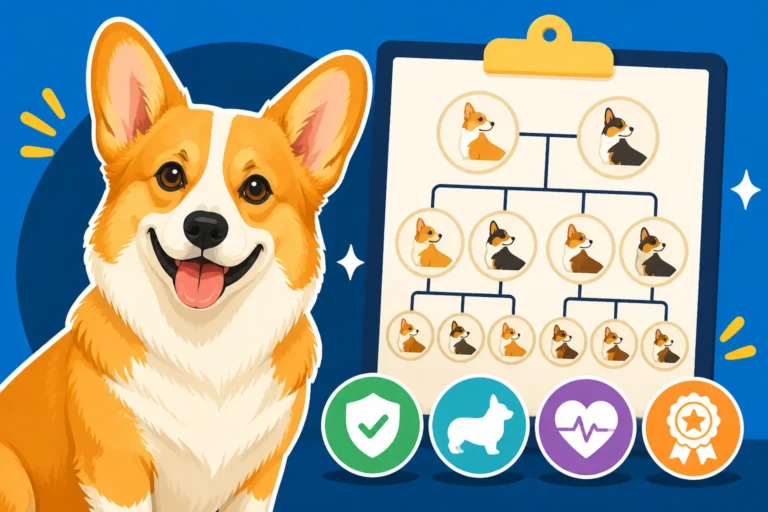
A Corgi pedigree reveals a puppy ancestry, registry details, and family history, but it does not prove health test results.
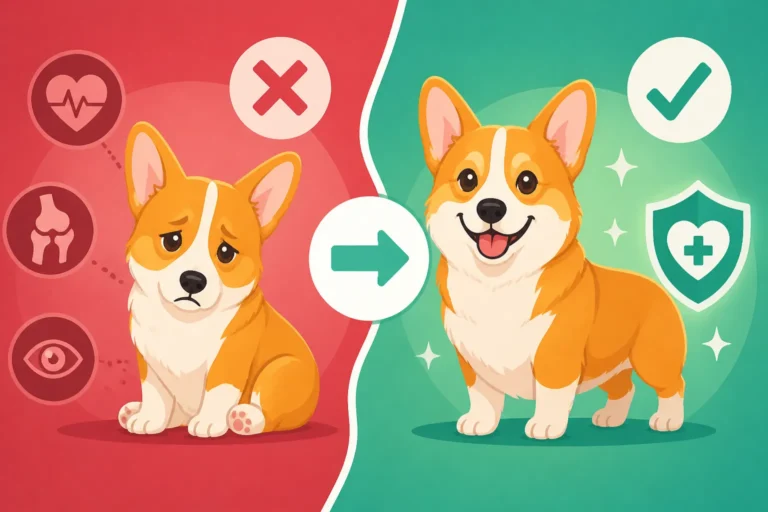
Corgi health testing uses DNA tests and physical screening to identify inherited risks, though results cannot guarantee a completely healthy dog.

Corgi natural birth safety depends on puppy size, mother health, anatomy, and veterinary planning for complications during labor.

Corgi litter sizes typically range from four to eight puppies, with factors like age and health influencing the total count.

Corgi cattle herding relies on instinct, training, and safe conditions, though most dogs are now household companions.
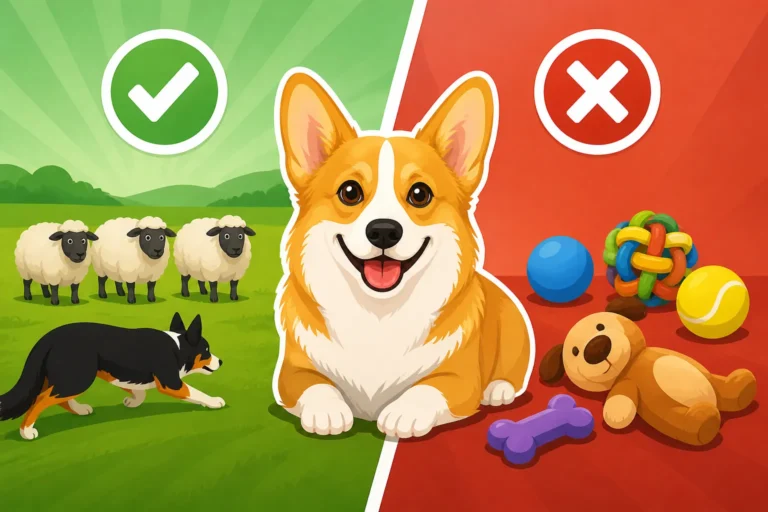
Corgi breed classification explains why these short cattle-driving farm dogs belong in the herding group instead of toys.
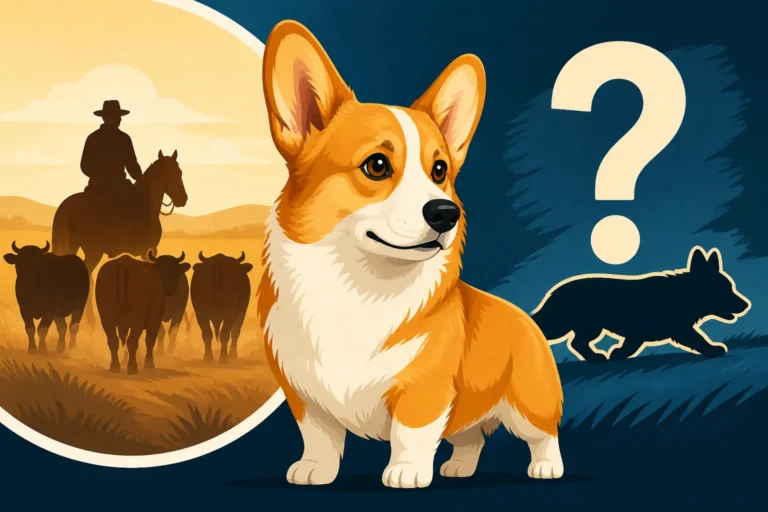
Welsh Corgis served as working drovers, moving livestock and cattle across long distances along historic droving routes.

Adult Corgi adoption offers skipped puppy chaos, yet hidden health and behavioral variables remain for new owners.
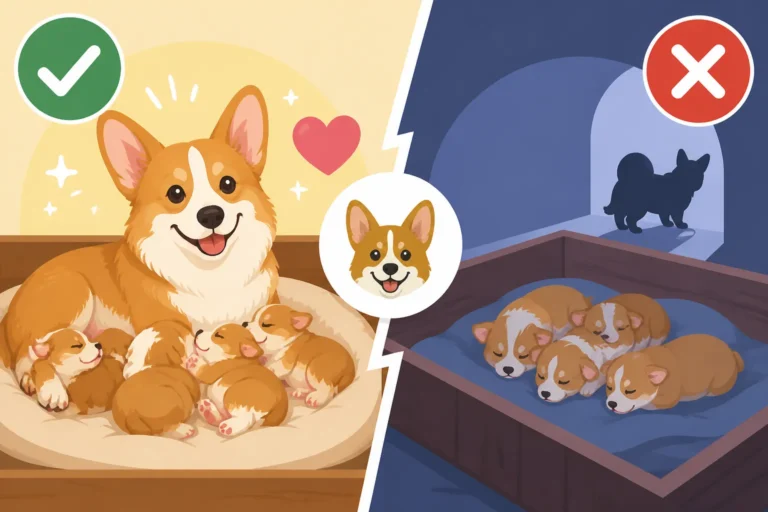
Seeing the mother Corgi reveals crucial information about her puppy health, temperament, and the breeder environment.

Corgi rescue puppy availability explains why young dogs are rare and how owner surrenders lead to older dogs aged five to ten years.