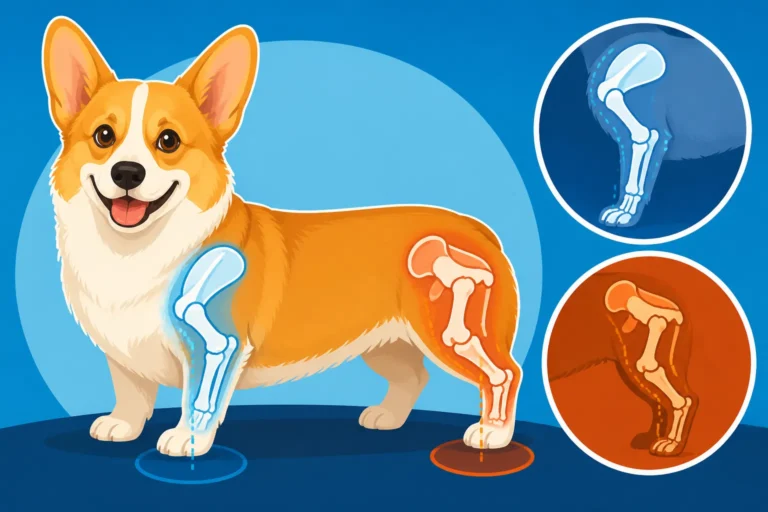
How Obesity Shortens a Corgi Life
It’s a struggle many Corgi owners know all too well: resisting those adorable, pleading eyes at dinner time or cutting back on treats. Our short-legged, long-bodied companions seem to put on weight so easily, and it can be incredibly difficult to keep them at a healthy size. But the truth is, carrying even a few extra pounds can severely impact their health, accelerate age-related issues, and ultimately shorten their joyful lives. This comprehensive guide will delve into the serious consequences of obesity for Corgis and offer practical ways to help your beloved pet thrive.
The Hidden Dangers of Extra Weight on a Corgi's Frame
Corgis, with their distinctive long backs and short legs, are already predisposed to certain musculoskeletal issues. Adding excess weight to this unique anatomy is like asking them to carry a heavy backpack every single day, magnifying every potential strain and increasing the risk of serious problems.
The Strain on Their Unique Spinal Structure
Corgis are what we call a chondrodystrophic breed, meaning they have a genetic predisposition for abnormal cartilage and bone development that results in their characteristic short legs and long backs. This makes them particularly susceptible to intervertebral disc disease (IVDD), where the shock-absorbing discs between their vertebrae can bulge or rupture, causing immense pain and potentially paralysis. When a Corgi is overweight, the pressure on these already vulnerable discs intensifies dramatically.
Imagine your Corgi, usually so spry, hesitating before jumping onto a low couch or struggling to navigate a single step. This isn't just a sign of being out of shape; it could be the early whispers of disc compression. Each extra pound translates to increased force on every disc, accelerating the degenerative process and raising the likelihood of a sudden, debilitating disc injury. A Corgi carrying too much weight is putting its spine under constant, unnatural stress, making the path toward Disc Disease in a Long-Backed Corgi a much shorter and more painful one. The chronic inflammation and wear and tear from excess weight can lead to earlier onset and more severe symptoms, demanding more intensive treatment and recovery time.
Overburdened Joints and Early Arthritis
Beyond the spine, every other joint in a Corgi's body feels the brunt of excess weight. Their short legs are not designed to carry a heavy load, and over time, the cartilage that cushions their hips, knees, and elbows begins to break down under the constant pressure. This accelerates the development of arthritis, leading to stiffness, pain, and a significant reduction in mobility.
It’s heartbreaking to watch a once-playful Corgi become reluctant to move, preferring to lie down rather than join in a game of fetch. This reluctance isn't laziness; it's often a painful reality. The extra weight directly contributes to conditions like hip dysplasia or patellar luxation becoming more symptomatic and painful earlier in life. For example, the stress on the knee joint can increase the risk of cruciate ligament tears, which are extremely painful and often require expensive surgery and a long recovery period. The constant grinding and inflammation within these joints make their daily life a struggle, turning simple movements into agony and truly impacting their Early Arthritis in a Corgi prognosis.
Systemic Health Risks Beyond Mobility
While the visible strain on their backs and joints is often the first thing owners notice, the impact of obesity on a Corgi's health runs much deeper, affecting their internal organs and overall metabolic function. It can turn them into little ticking time bombs for a variety of serious illnesses.
Metabolic Changes and Diabetes Risk
Just like in humans, obesity in dogs can wreak havoc on their metabolism, leading to a condition called insulin resistance. When cells don't respond properly to insulin, the body struggles to regulate blood sugar levels, paving the way for type 2 diabetes. For a Corgi, this means a life potentially filled with daily insulin injections, special diets, and frequent, costly veterinary visits.
The signs might be subtle at first: increased thirst, more frequent urination, and perhaps even unexplained weight loss despite eating well (a critical symptom when the body can't utilize glucose). Managing canine diabetes requires a significant commitment from owners, from precise medication schedules to constant monitoring of blood sugar. It's not just the financial burden, but the emotional one, watching your dog contend with a preventable chronic illness. Ignoring a Corgi’s weight today could lead to complex health challenges tomorrow, reducing their vitality and increasing their vulnerability to other infections and complications.
Heart, Lung, and Organ Compromise
Excess body fat isn't just superficial; it infiltrates organs and puts an enormous strain on the cardiovascular and respiratory systems. An overweight Corgi's heart has to work much harder to pump blood through a larger body mass, increasing the risk of high blood pressure and various forms of heart disease. Their lungs also become less efficient, as fat deposits around the chest cavity restrict lung expansion.
This is particularly concerning for Corgis, who already have a dense double coat that makes them prone to Heat Sensitivity Under a Corgi's Double Coat. When they're overweight, their ability to regulate body temperature is severely compromised, putting them at a much higher risk of heatstroke, even on moderately warm days. Imagine your Corgi panting excessively after a short walk, struggling for breath, or showing signs of fatigue much faster than a healthy-weight dog. This isn't just about comfort; it's about their fundamental ability to breathe and circulate blood effectively. Over time, chronic strain on these vital organs can lead to irreversible damage to the liver, kidneys, and pancreas, further diminishing their quality of life and significantly shortening their overall lifespan.
The Domino Effect on Quality of Life and Lifespan
The physical ailments caused by obesity don't exist in a vacuum. They create a cascade of negative effects that diminish a Corgi’s zest for life and ultimately shave years off their potential time with you. It's a sad reality that a few extra pounds can steal moments of joy and precious time.
Reduced Activity and Mental Well-being
A Corgi in pain or struggling to breathe isn't going to be the energetic, playful companion you know and love. Joint pain from arthritis or spinal discomfort makes movement difficult and unpleasant, leading to a decrease in physical activity. This isn't just about physical health; it deeply impacts their mental well-being. Corgis are intelligent, active dogs that thrive on engagement and having a "job." When they're too uncomfortable or winded to participate in walks, games, or training, they can become bored, frustrated, and even depressed.
This often creates a vicious cycle: less activity leads to more weight gain, which exacerbates their pain, leading to even less activity. Without adequate physical and mental stimulation, a Corgi might develop behavioral issues, becoming more vocal, destructive, or withdrawn. They lose out on the joy of exploring the world, chasing a ball, or simply trotting alongside you. Providing a Corgi with The Job a Corgi Needs Instead of Herding You becomes much harder when they're physically compromised, affecting their overall happiness and sense of purpose.
Increased Surgical and Anesthetic Risks
Should your Corgi ever require surgery – whether it's for an accidental injury, dental work, or a more serious procedure like IVDD repair – obesity presents a significant complication. Anesthetizing an overweight dog carries higher risks, as their respiratory and cardiovascular systems are already under strain. Fat tissue also holds onto anesthetic drugs longer, making recovery more unpredictable.
During surgery, it can be more challenging for veterinary surgeons to navigate through excess fat to reach the target area, increasing surgical time and potential complications. Post-operatively, obese dogs often have slower wound healing and are more prone to infections. Furthermore, their reduced mobility can make post-surgical rehabilitation, such as prescribed crate rest or physical therapy, more difficult to manage. It's a cruel irony that a preventable condition can make life-saving procedures far more dangerous. Reputable pet insurance providers like Healthy Paws understand these risks and often encourage preventative care to avoid such complications, though existing obesity-related conditions may be considered pre-existing.
Shorter, Less Joyful Years
Ultimately, the cumulative effect of these health issues is a reduced lifespan and a diminished quality of life for your Corgi. While the average The Twelve to Fifteen Year Corgi Lifespan gives us hope for many years with our furry friends, an overweight Corgi is unlikely to reach the higher end of that spectrum. Each chronic condition—be it arthritis, diabetes, heart disease, or recurring disc problems—takes a toll, not just on their body, but on their spirit.
Owners often find themselves managing multiple medications, frequent vet visits, and constant adjustments to their Corgi’s lifestyle to accommodate their limitations. The heartbreak comes from realizing that these limitations could have been avoided or significantly delayed. It's easy to mistake a slower, less active older Corgi for one merely "getting old," when in reality, many of these signs are exacerbated, or even directly caused, by years of carrying extra weight. This often makes the difficult decision of Deciding When a Corgi With DM Has Had Enough even more complex, as some symptoms overlap with conditions worsened by obesity.
Practical Steps for a Healthier, Longer Corgi Life
The good news is that weight management is largely within our control as Corgi owners. By being proactive and consistent, you can help your Corgi live a full, active, and long life. It requires commitment, but the rewards are immeasurable.
Accurate Weight Assessment
The first step to managing your Corgi's weight is knowing if there's a problem. Because of their thick double coats, it can be deceptively easy to miss subtle weight gain. What might look like a "fluffy" Corgi could actually be an overweight one underneath all that glorious fur.
Your veterinarian is your best partner in this. During routine check-ups, they can perform a thorough physical examination and help you determine your Corgi's ideal weight range. They'll also typically use a Body Condition Score (BCS) chart, which is a standardized tool to assess a dog's fat reserves. This involves feeling for ribs, checking for a waist tuck, and observing the overall body shape from above and the side. A Corgi at a healthy The Body Condition Score a Corgi Should Hold will have ribs that are easily felt with light pressure, a noticeable waist, and an abdominal tuck. Don't rely solely on the number on the scale; a good vet's experienced hands can tell you more. Regular checks, even a quick monthly weigh-in at your vet's office, can catch creeping pounds before they become a serious issue.
Tailored Nutrition and Portion Control
This is arguably the most crucial aspect of weight management. Corgis are notorious for loving food, and it’s tempting to indulge their appetite. However, calorie control is paramount. Free-feeding, where food is left out all day, is almost a guaranteed path to obesity for a Corgi.
Instead, carefully measure out their food at each meal. Use a kitchen scale for accuracy, as scoops can vary wildly. Your vet can help you determine the appropriate The Calorie Target for a Twenty-Eight Pound Corgi or whatever their ideal weight might be, based on their age, activity level, and current health status. High-quality kibble that provides balanced nutrition without excessive calories is key. For brands, many vets recommend options like Royal Canin, Hill's Science Diet, or Purina Pro Plan, which offer specific weight management formulas. Treats should be healthy, low-calorie options like carrot sticks, green beans, or small pieces of lean cooked meat, and they should be factored into their daily calorie intake. Absolutely no table scraps, as these often contain hidden fats and ingredients harmful to dogs. Even a tiny piece of cheese or a bite of a rich meal can quickly add up for a small Corgi.
Safe and Consistent Exercise
While diet is 80% of weight loss, exercise is essential for maintaining muscle mass, promoting joint health, and burning calories. For a Corgi, due to their unique build, the type of exercise matters immensely. High-impact activities like jumping off furniture, leaping for frisbees, or running up and down stairs repeatedly can be detrimental to their long backs. This is where strategic home modifications like Ramps and Steps That Save a Corgi's Back come into play.
Focus on consistent, low-impact activities. Daily leash walks, tailored to your Corgi’s current fitness level, are excellent. Two or three shorter walks throughout the day can be better than one long one, especially for an overweight Corgi who might tire quickly. Swimming is another fantastic, low-impact exercise that strengthens muscles without stressing joints. Consider mental enrichment activities like puzzle toys or scent work to keep their minds engaged, which can also help burn calories in a safe way. Even if your Corgi has developed a mild mobility issue, exercise is still vital; your vet can guide you on safe activities. Pet insurance plans like Healthy Paws often cover rehabilitation therapies like hydrotherapy or physical therapy if an injury occurs, helping you manage unexpected costs and get your Corgi back on track. This proactive and reactive support can be invaluable in a Corgi's life.
| Feature / Health Parameter | Healthy Weight Corgi | Overweight Corgi |
|---|---|---|
| Ribs | Easily felt without pressing hard | Difficult to feel under a layer of fat |
| Waist | Clearly visible tuck behind the ribs | Little to no waist definition, more barrel-shaped |
| Activity Level | Energetic, eager for walks and play | Lethargic, reluctant to move, short of breath |
| Spinal Strain | Minimal, disc health better maintained | Significant increase in pressure, higher IVDD risk |
| Joint Health | Less wear and tear, lower arthritis risk | Accelerated cartilage degeneration, early arthritis |
| Metabolism | Efficient, stable blood sugar | Impaired, increased risk of diabetes |
| Heat Tolerance | Better regulation, lower heatstroke risk | Compromised, higher risk of overheating |
| Surgical Risk | Lower anesthetic complications, faster recovery | Higher anesthetic risks, longer recovery times |
| Expected Lifespan | Higher likelihood of reaching full Corgi Lifespan | Reduced, often experiencing chronic diseases earlier |
Disclaimer
The information provided in this article is for educational purposes only and is not intended as a substitute for professional veterinary advice, diagnosis, or treatment. Always seek the advice of your veterinarian or other qualified animal health provider with any questions you may have regarding a medical condition.